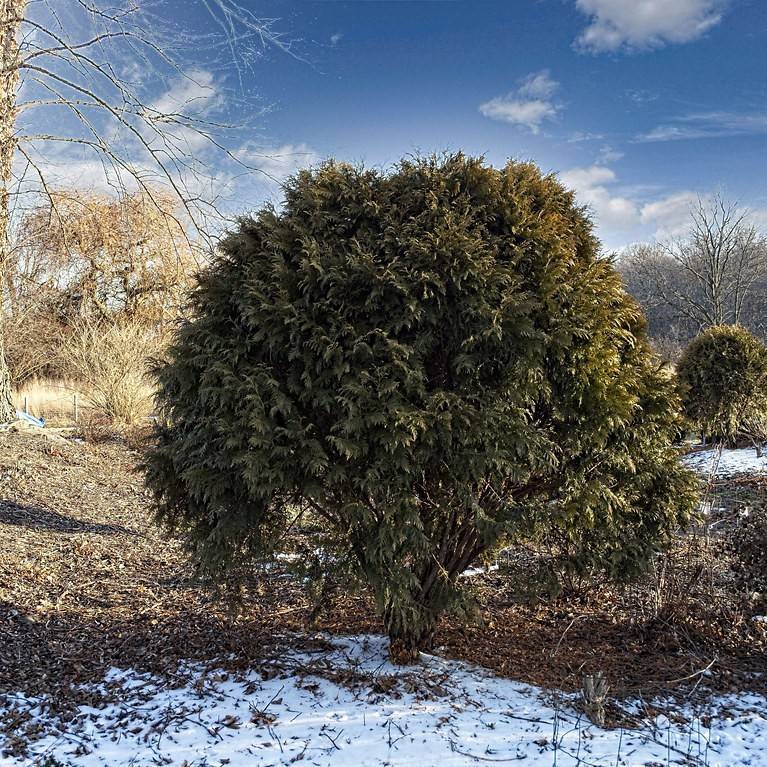
Japanese Arborvitae
Thuja standishii
Overview
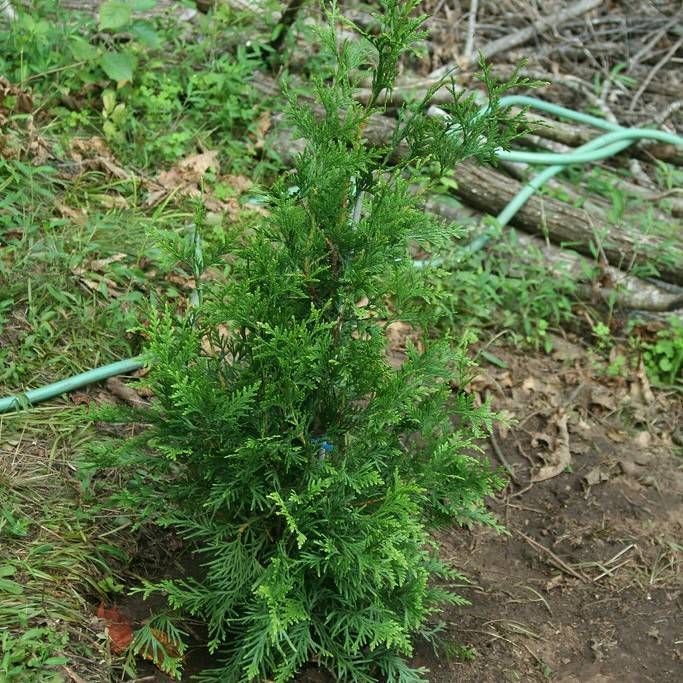
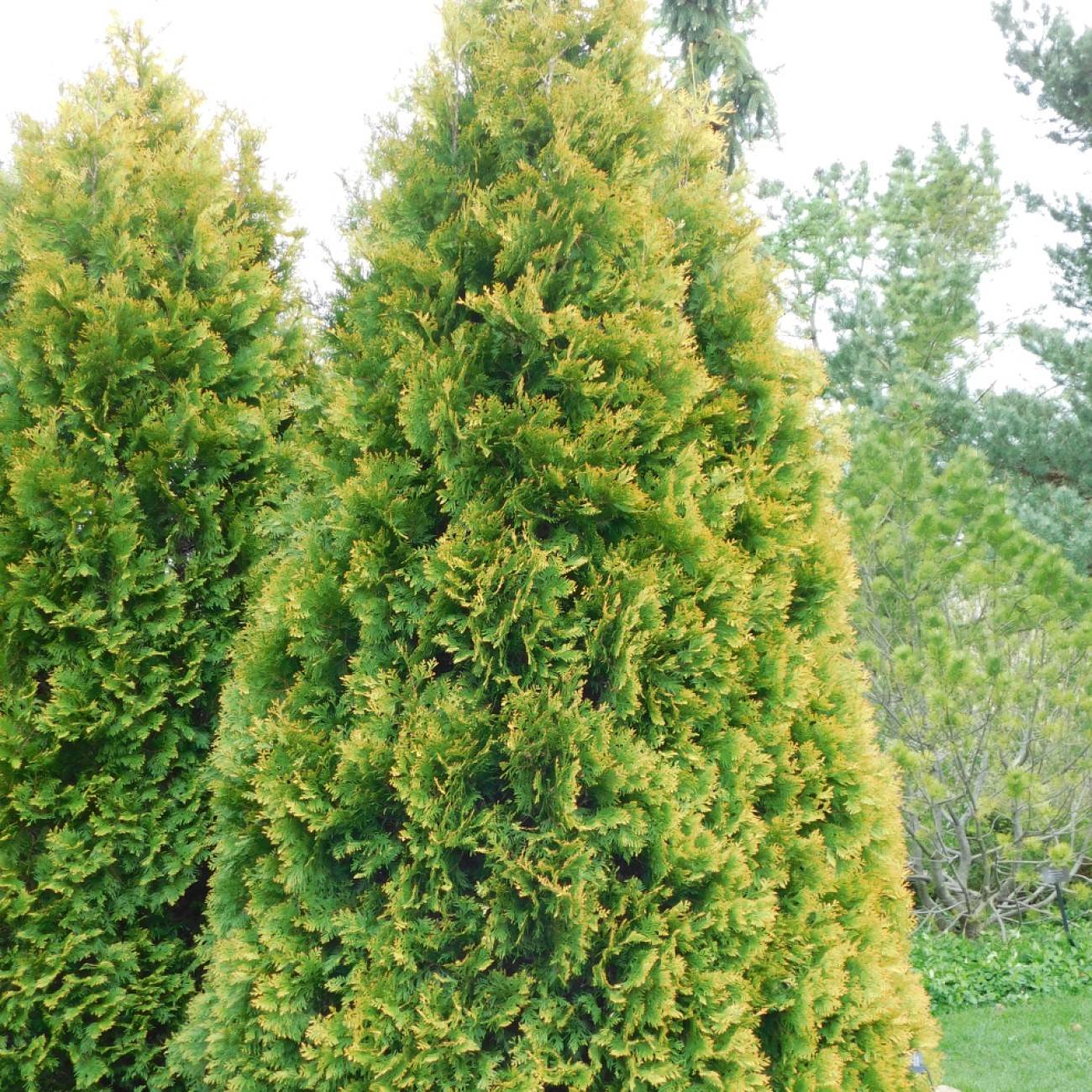
Japanese Arborvitae, also called Japanese thuja, is a dense, pyramidal conifer native to the cool mountain forests of southern Japan. Its lush, yellow-green to dark green foliage emits a pleasant, resinous scent when crushed, and its exfoliating red-brown bark adds year-round visual interest. Highly adaptable to temperate climates, it is widely cultivated as a specimen tree, hedge, or screen in residential and public landscapes. The species also has a long history of use in Japanese construction for its durable, rot-resistant wood.
Care Guide
Watering
Water newly planted Japanese Arborvitae deeply once or twice weekly for the first growing season to establish a robust root system, ensuring soil remains evenly moist but not waterlogged. Once established, the tree is moderately drought-tolerant, requiring supplemental watering only during extended periods of heat or dry weather to prevent foliage browning. Avoid overwatering, especially in heavy, poorly draining soils, as this can lead to root rot.
Light
Thrives in full sun, which encourages the densest, most vibrant foliage growth, with a minimum of 6 hours of direct sunlight per day for optimal performance. It can tolerate light partial shade, though excessive shade will cause sparse, leggy growth and reduced foliage density. In regions with intense, scorching afternoon sun, young trees may benefit from light dappled shade to prevent foliar burn.
Soil
Grows best in moist, fertile, well-draining loam or sandy loam soil with a slightly acidic to neutral pH range of 5.0 to 7.0. It can adapt to a wide range of soil types, including clay and poor rocky soils, as long as excess water drains freely to avoid root suffocation. Amending heavy soils with organic matter such as compost or leaf mold at planting time will improve drainage and provide essential nutrients for early growth.
Fertilizer
Feed young Japanese Arborvitae in early spring before new growth emerges with a balanced, slow-release evergreen fertilizer formulated for acid-loving plants to support vigorous foliage development. Mature established trees typically do not require regular fertilization, though a light application of compost or all-purpose fertilizer in early spring can be beneficial if growth is stunted or foliage appears pale. Avoid fertilizing after mid-summer, as this can stimulate tender new growth that is vulnerable to damage from early fall frosts.
Temperature
Hardy in USDA zones 5 to 8, tolerating minimum winter temperatures down to -20°F (-29°C) without significant damage once established. It prefers cool, temperate climates with moderate summer temperatures, and may suffer from foliage scorch in regions with consistently high heat above 90°F (32°C) paired with low humidity. Young trees should be protected from harsh, drying winter winds with burlap wraps or wind screens to prevent desiccation and browning of foliage.
Pruning
Prune Japanese Arborvitae in late winter or early spring before new growth begins to shape the tree, remove dead or damaged branches, and maintain desired size as a hedge or specimen. Light, selective trimming of new growth encourages denser foliage, but avoid cutting back into old, bare wood, as the tree will not produce new growth from these woody sections. If grown as a formal hedge, trim once or twice during the growing season, stopping by early fall to allow new growth to harden off before cold weather arrives.
Propagation
Most commonly propagated from semi-hardwood cuttings taken in late summer or early fall, selecting 4-6 inch (10-15 cm) healthy stem tips from the current year's growth. Remove lower foliage, dip the cut end in rooting hormone powder, and plant in a well-draining rooting medium of perlite and peat moss, keeping the cuttings warm and moist under indirect light until roots develop in 8-12 weeks. Propagation from seed is possible but less common, as seeds require 30-60 days of cold stratification to germinate, and seedlings may not retain the exact characteristics of the parent plant.
Humidity
Prefers moderate to high humidity levels between 40% and 60%, which mirrors the cool, moist mountain conditions of its native Japanese habitat. It can tolerate average indoor or outdoor humidity levels in most temperate regions, though very low humidity combined with high heat may cause the tips of foliage to turn brown. Misting young trees during periods of extreme dryness or placing a tray of pebbles and water near potted specimens can help boost local humidity levels.
Repotting
Potted Japanese Arborvitae specimens should be repotted every 2-3 years in early spring before new growth emerges, selecting a container 2-3 inches larger than the current pot with adequate drainage holes. Use a well-draining potting mix formulated for evergreens or conifers, combining equal parts potting soil, perlite, and pine bark to ensure proper drainage and a slightly acidic pH. After repotting, water thoroughly and place the tree in a partially shaded location for 1-2 weeks to reduce transplant stress before returning it to full sun.
Uses & Symbolism
Widely planted as an ornamental landscape tree, used as a standalone specimen, dense privacy hedge, windbreak, or screen in residential, commercial, and public green spaces. Its lightweight, durable, naturally rot-resistant wood is highly valued in Japan for traditional construction, joinery, and the crafting of wooden utensils and decorative objects. The aromatic foliage and wood are also occasionally used in aromatherapy and traditional Japanese herbal medicine for their antimicrobial and soothing properties.
Diseases & Pests
The most common pests affecting Japanese Arborvitae include bagworms, spider mites, and scale insects, which feed on foliage and can cause defoliation if left untreated; infestations can be controlled with horticultural oil or appropriate insecticides. Fungal diseases such as tip blight, root rot, and leaf spot may occur in excessively wet conditions or poorly draining soils, causing browning of foliage tips, stunted growth, or plant death in severe cases. Proper air circulation, avoiding overhead watering, and ensuring well-draining soil significantly reduce the risk of most fungal pathogens.
Related plants
Other plants you might like if you grow Japanese Arborvitae.