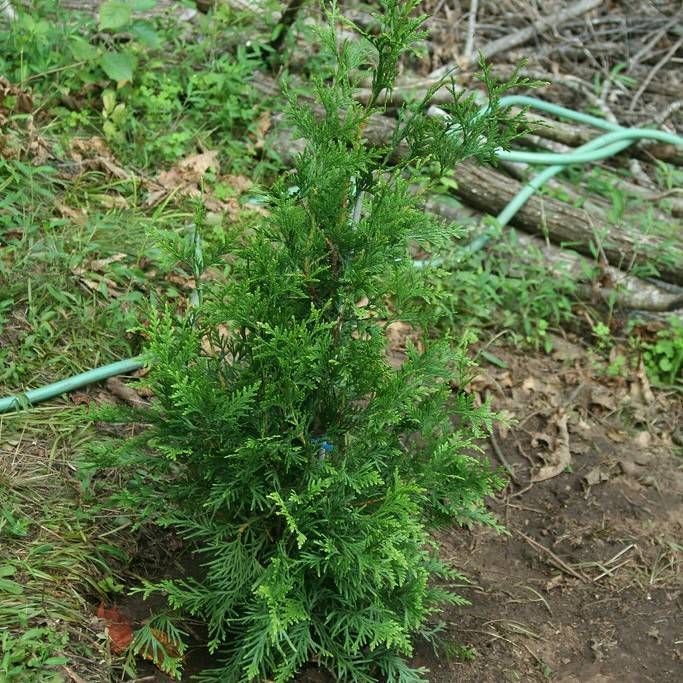
Arborvitae
Thuja occidentalis
Overview
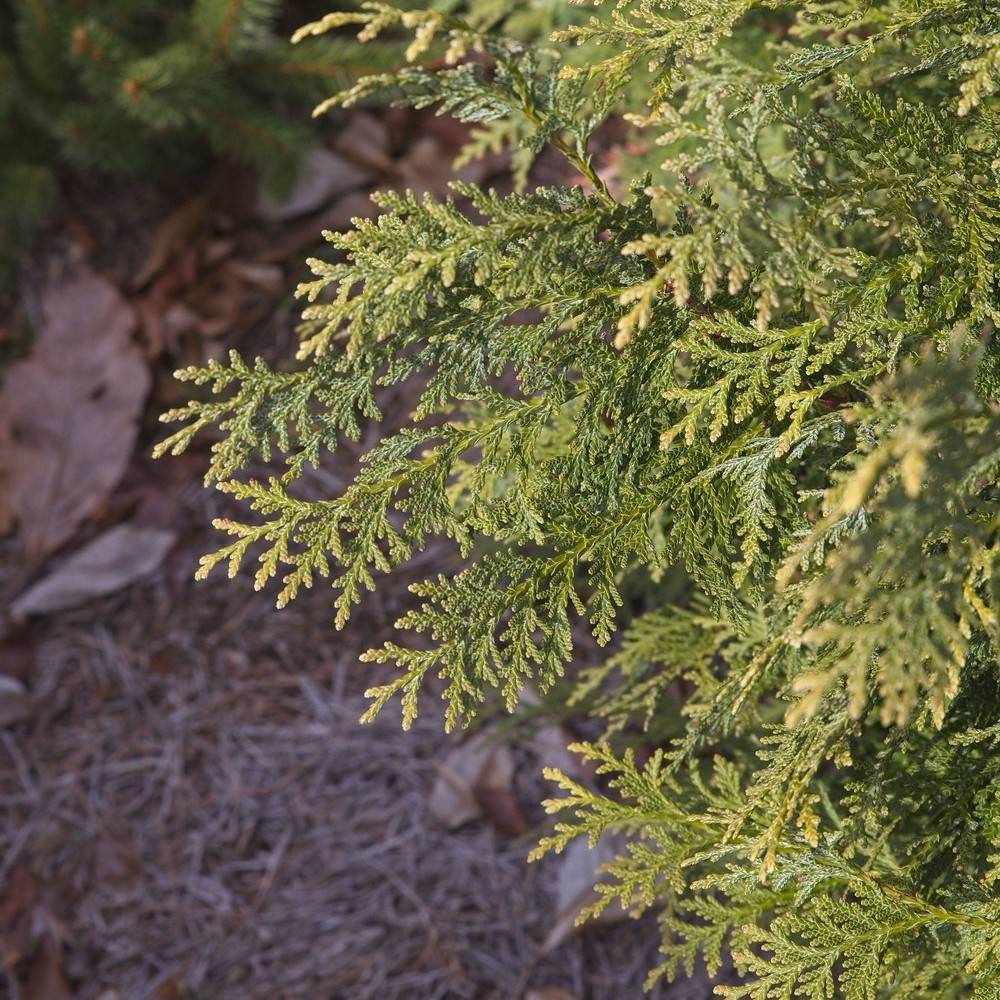
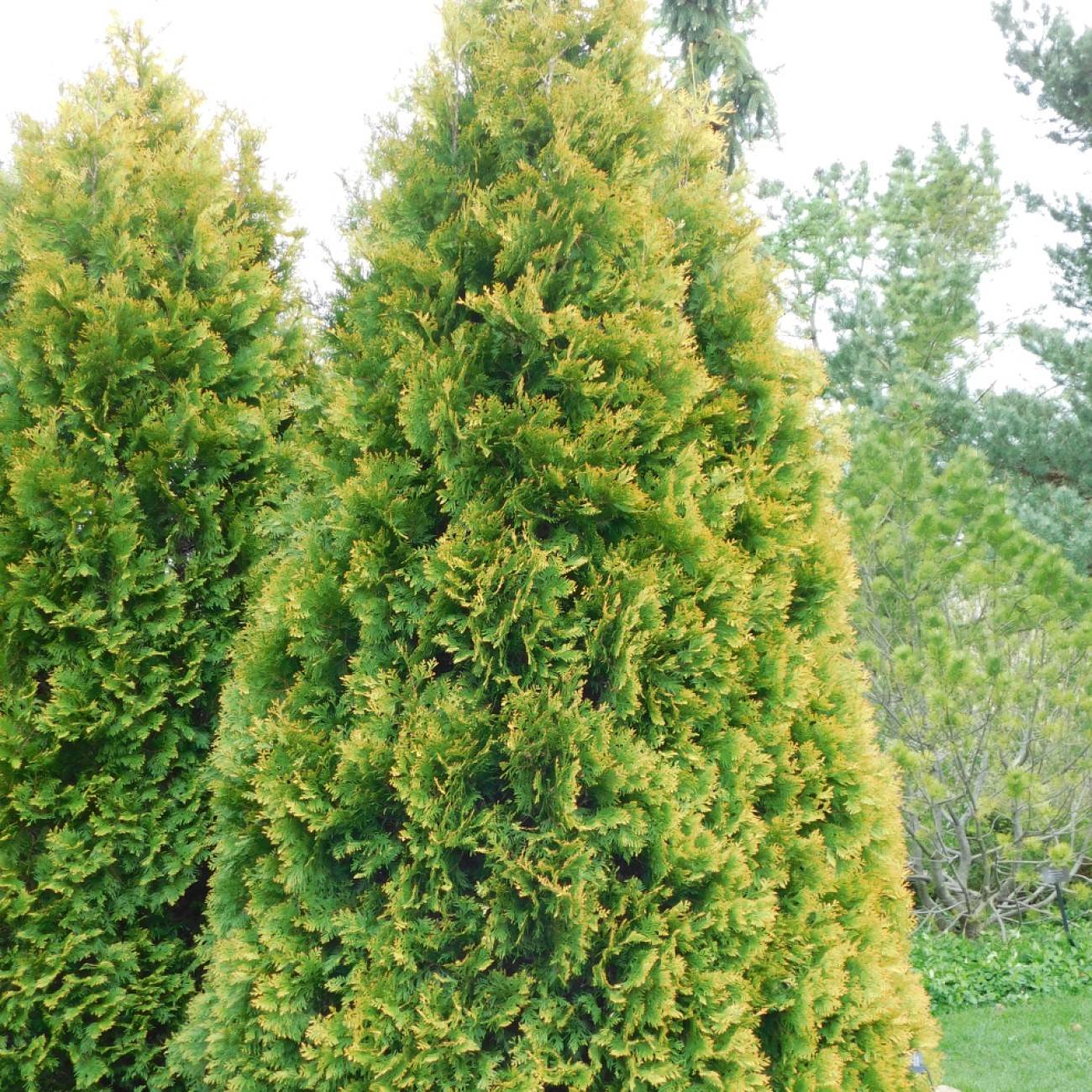
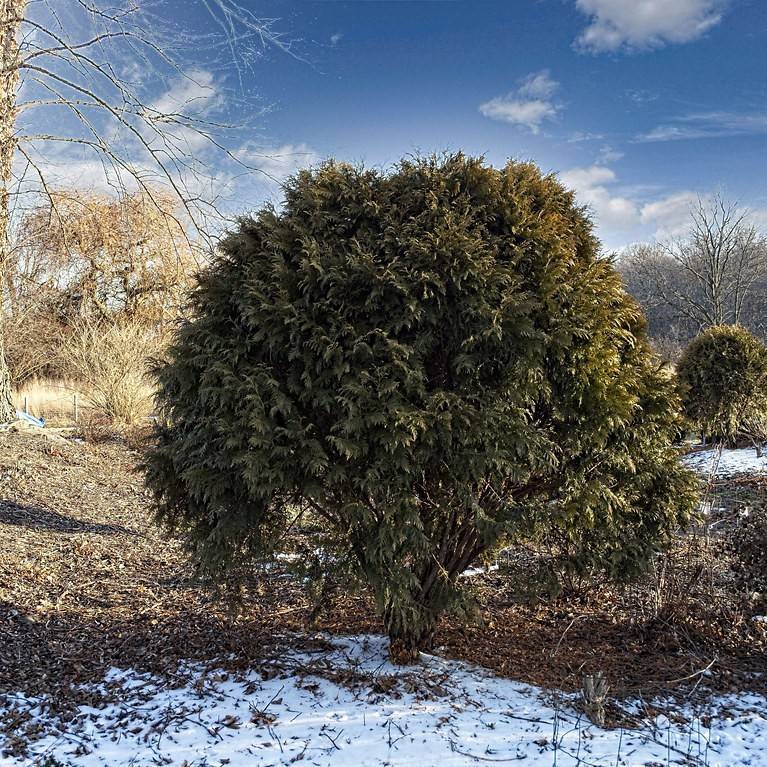
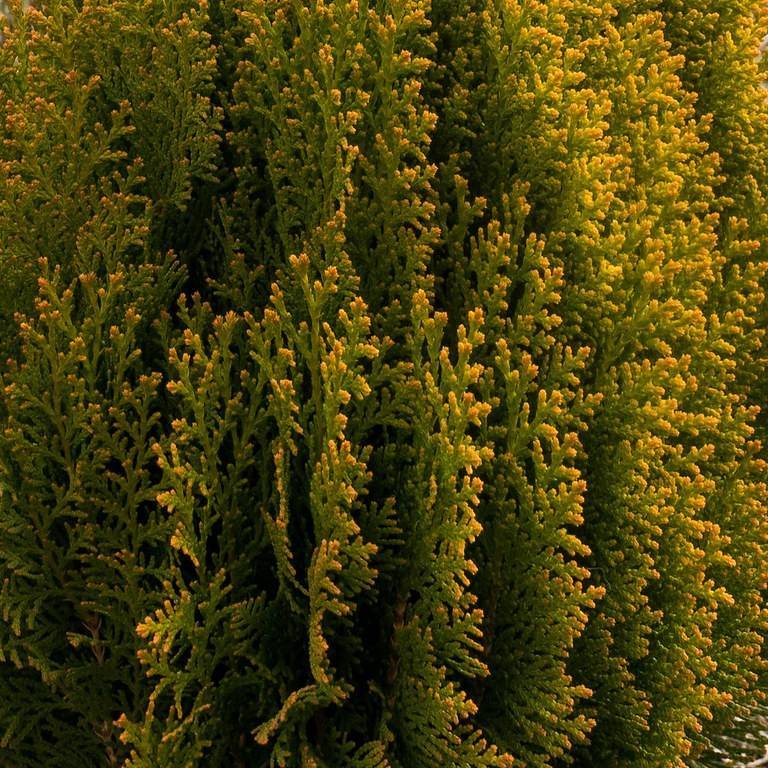
Arborvitae, meaning 'tree of life' in Latin, earned its name from early European settlers who learned of its medicinal uses from Indigenous peoples. It features dense, flat sprays of fragrant, deep green foliage that may develop bronze or yellow tints in cold winter weather, with small, oblong brown cones that mature in fall. Naturally a tall, pyramidal tree, it has been bred into dozens of cultivars ranging from compact dwarf forms suitable for containers to towering varieties ideal for privacy screens.
Care Guide
Watering
Water newly planted arborvitae deeply once or twice per week for the first growing season to establish a strong root system, keeping soil consistently moist but not waterlogged. Mature specimens are moderately drought-tolerant, requiring supplemental watering only during extended dry periods of 2 weeks or more to prevent browning of foliage. Avoid overwatering, especially in heavy clay soils, as this can lead to root rot and eventual plant death.
Light
Arborvitae thrives in full sun, receiving at least 6 hours of direct, unfiltered sunlight per day for the densest, most vibrant foliage growth. It can tolerate partial shade, though plants grown in shadier conditions will develop sparser, leggier growth and may be more prone to pest infestations. In extremely hot, arid climates, light afternoon shade can help prevent foliage scorch during the peak of summer.
Soil
This conifer adapts to a wide range of soil types, including loam, sand, and clay, as long as the site offers good drainage to prevent root rot. It prefers slightly acidic to neutral soil with a pH between 6.0 and 7.5, though it can tolerate mildly alkaline conditions as well. Amending heavy clay soils with compost or peat moss prior to planting will improve drainage and provide a better growing environment for young roots.
Fertilizer
Fertilize established arborvitae once per year in early spring, just before new growth emerges, using a balanced, slow-release evergreen fertilizer with an N-P-K ratio of 10-10-10 or similar. Avoid fertilizing late in the growing season, as this can stimulate tender new growth that will be damaged by upcoming winter frost. Newly planted specimens do not require fertilizer for the first year, as their delicate roots can be burned by excess nutrients.
Temperature
Arborvitae is extremely cold-hardy, thriving in USDA hardiness zones 3 through 7, with some cultivars tolerant of zone 8 conditions. It can withstand winter temperatures as low as -40°F (-40°C), though young plants may benefit from a layer of mulch around the base to insulate roots and prevent frost heave. In regions with harsh winter winds, wrapping young specimens in burlap can prevent desiccation and browning of foliage.
Pruning
Prune arborvitae in early spring before new growth appears to shape the plant, remove dead or damaged branches, and maintain the desired size. Light shearing of outer foliage is safe, but avoid cutting back into old, woody growth that has no green needles, as arborvitae will not resprout from bare wood. For hedge specimens, prune annually to keep the base slightly wider than the top, allowing sunlight to reach lower foliage and prevent bare lower branches.
Propagation
The most common method of propagating arborvitae is via semi-hardwood cuttings taken in late summer or early fall, from current-year growth that has just started to harden. Dip cut ends in rooting hormone, plant in a well-draining soilless mix, and keep under high humidity with bright, indirect light until roots form, which typically takes 3 to 6 months. While it can be grown from seed, cultivars will not come true from seed, so cuttings are preferred for preserving specific plant traits.
Humidity
Arborvitae prefers moderate humidity levels between 40% and 60%, which is typical of its native North American woodland and wetland habitats. It tolerates average indoor humidity well when grown as a potted houseplant, though very dry indoor air from winter heating may cause minor browning of foliage tips. Misting foliage occasionally during very dry periods can help keep foliage looking vibrant, but is not required for healthy growth.
Repotting
Dwarf arborvitae cultivars grown in containers should be repotted every 2 to 3 years in early spring, before new growth begins, to refresh soil and prevent root binding. Choose a pot that is 2 to 3 inches larger in diameter than the current container, with ample drainage holes to prevent standing water. When repotting, gently loosen tangled roots and use a well-draining potting mix designed for evergreens or conifers to support healthy growth.
Uses & Symbolism
Arborvitae is one of the most popular landscape plants for privacy hedges and windbreaks, as its dense evergreen foliage provides year-round screening and noise reduction. Dwarf cultivars are grown as container ornamentals for patios, entryways, and indoor spaces, and are frequently used in foundation plantings and rock gardens. Historically, its lightweight, rot-resistant wood was used for fence posts, canoe frames, and shingles, while Indigenous peoples used its foliage for medicinal teas and craft materials.
Diseases & Pests
Arborvitae is susceptible to several fungal diseases, including tip blight, which causes browning and dieback of new shoot tips, and root rot, which occurs in waterlogged soils and leads to yellowing foliage and overall plant decline. Common pests include bagworms, which construct protective silk bags on foliage and can defoliate plants if left untreated, and spider mites, which cause stippling and browning of needles during hot, dry weather. Proper spacing to improve air circulation, avoiding overwatering, and regular inspection for pests can prevent most common health issues.
Related plants
Other plants you might like if you grow Arborvitae.