Colorado Blue Spruce
Picea pungens
Overview
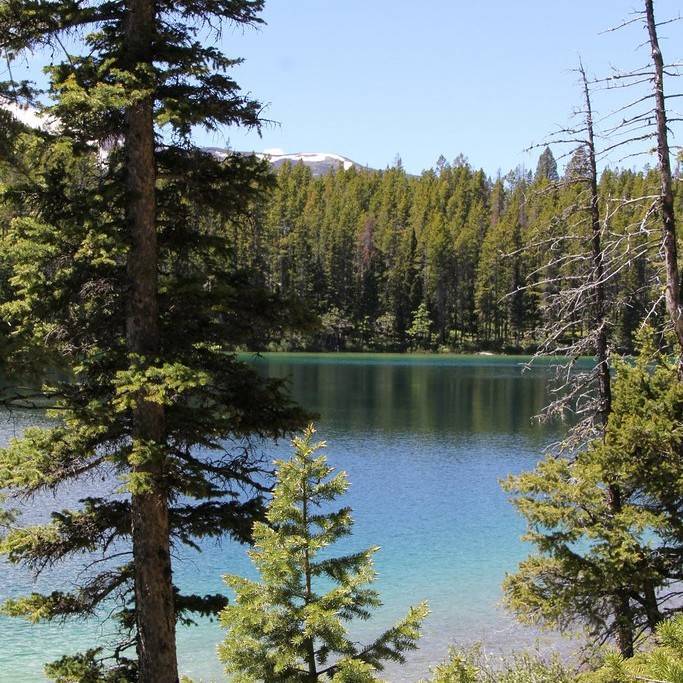
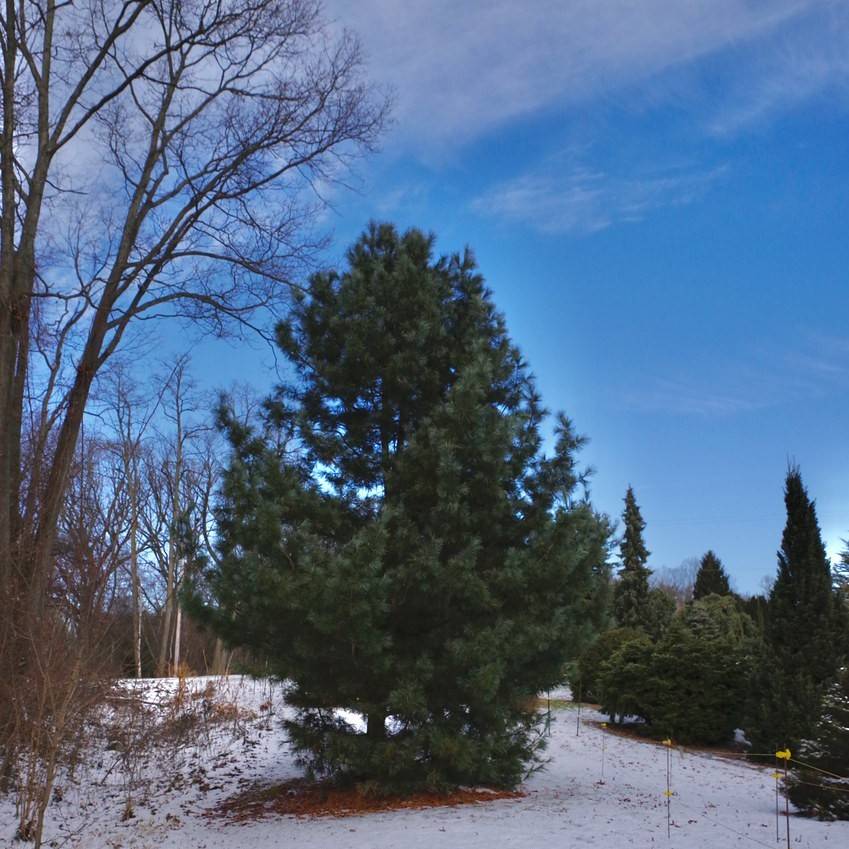
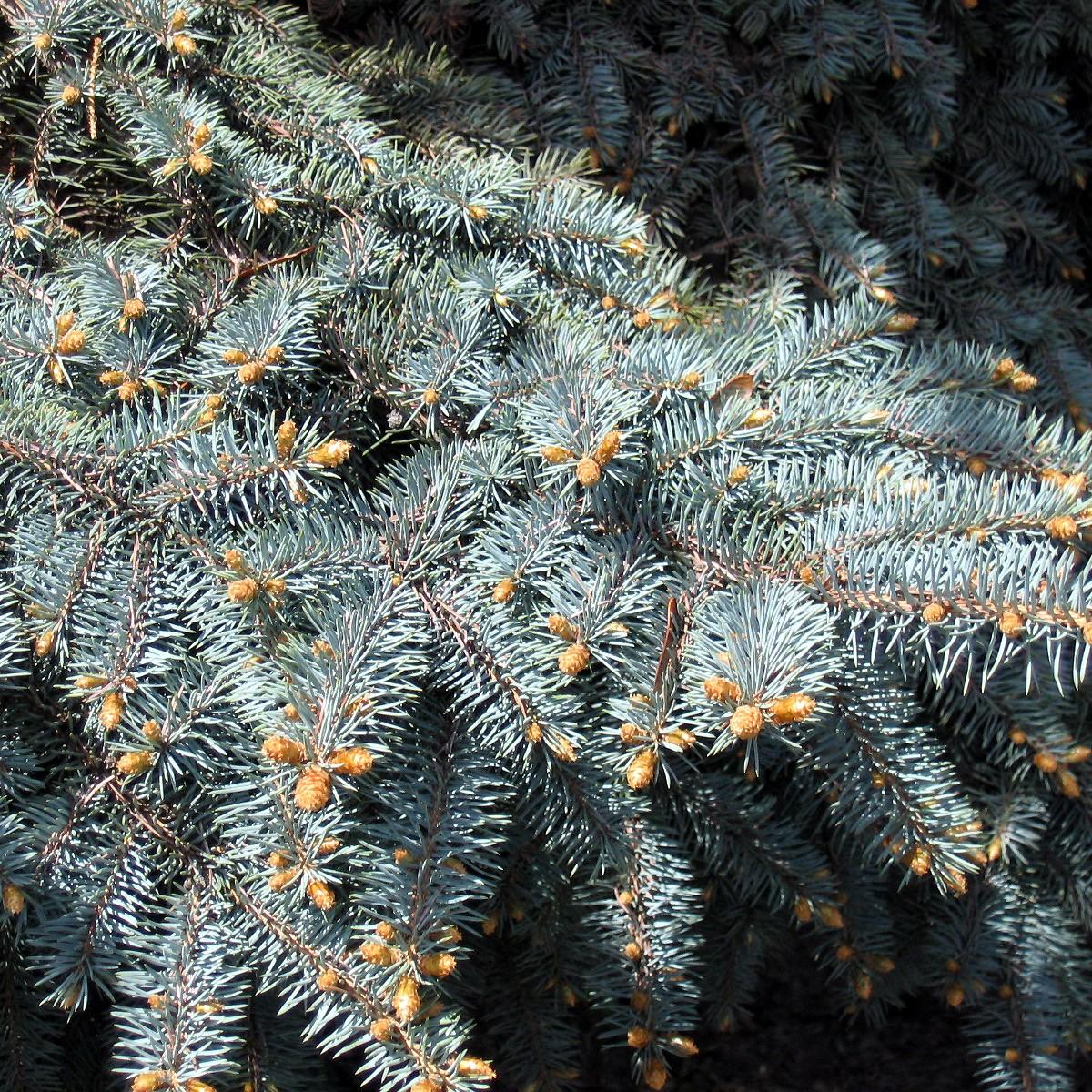
Colorado Blue Spruce is an iconic evergreen conifer recognizable for its stiff, sharp, four-sided needles that range in color from deep green to vivid powdery blue, and its dense, conical growth habit that retains a neat, formal shape with minimal intervention. Native to high-elevation mountain regions of the western U.S., it is widely cultivated across temperate zones for its ornamental value, with dozens of cultivars developed to suit different landscape sizes and color preferences. In its native habitat, it provides critical shelter and food for wildlife including grouse, squirrels, and various songbird species. Mature trees produce light brown, cylindrical cones 2-4 inches long that hang from upper branches and release small winged seeds in fall.
Care Guide
Watering
Water newly planted Colorado Blue Spruces deeply once or twice per week for the first 2-3 growing seasons to establish a strong root system, allowing the top 2-3 inches of soil to dry out between waterings. Mature trees are highly drought-tolerant, requiring only occasional supplemental watering during prolonged periods of extreme heat or dryness to prevent needle browning. Avoid overwatering or planting in poorly drained sites, as excess moisture around the root zone can cause root rot and irreversible damage.
Light
Colorado Blue Spruce thrives in full, direct sunlight, requiring a minimum of 6 hours of unobstructed sunlight per day to develop its characteristic dense growth and vibrant blue needle color. It can tolerate very light, dappled shade, but prolonged shade will result in sparse, leggy growth, reduced needle retention, and a duller, greener foliage color. For potted dwarf cultivars, place them in a south or west-facing location to ensure they receive adequate light year-round.
Soil
This conifer prefers moist, well-drained, loamy or sandy soils with a slightly acidic to neutral pH range of 6.0 to 7.5, though it is adaptable to a wide range of soil types including rocky, clay, or poor fertility soils as long as drainage is sufficient. It does not tolerate heavy, waterlogged soils or compacted ground, so amend heavy clay planting sites with compost or coarse sand to improve drainage before installation. A 2-3 inch layer of organic mulch such as wood chips or pine needles spread around the root zone will help retain soil moisture, regulate temperature, and maintain ideal pH levels as it decomposes.
Fertilizer
Mature Colorado Blue Spruces rarely require regular fertilization, as they are adapted to low-nutrient mountain soils and can thrive without supplemental feeding if planted in average garden soil. Young, actively growing trees can benefit from a light application of a balanced, slow-release evergreen fertilizer with an N-P-K ratio of 10-10-10 applied in early spring before new growth emerges to support healthy needle and root development. Avoid fertilizing after mid-summer, as this can stimulate tender new growth that is vulnerable to damage from early fall frosts.
Temperature
Colorado Blue Spruce is exceptionally cold-hardy, tolerating winter temperatures as low as -40°F (-40°C) and thriving in USDA hardiness zones 2 through 7. It can tolerate moderate summer heat up to 90°F (32°C) if provided with adequate moisture, but prolonged periods of high heat and humidity in southern zones can increase susceptibility to fungal diseases and needle drop. Potted dwarf cultivars should be protected from harsh, drying winter winds if left outdoors, or moved to a cool, sheltered location for the coldest months in regions with extreme temperature fluctuations.
Pruning
Colorado Blue Spruce requires minimal pruning to maintain its natural symmetrical form, only needing removal of dead, damaged, or diseased branches at any time of year to promote good air circulation and overall tree health. If you wish to control size or encourage denser growth, lightly prune the new soft, light green 'candles' of spring growth by up to one-third of their length before they harden off in late spring. Avoid cutting back into old, bare wood, as spruces do not produce new growth from dormant buds on leafless branches, and these cuts will leave permanent bare spots.
Propagation
Colorado Blue Spruce is most commonly propagated from seeds collected from mature cones in late fall, which require a 30-90 day period of cold stratification in moist sand or peat moss to break dormancy before sowing in spring. Named cultivars with consistent blue foliage or dwarf growth habits are typically propagated via semi-hardwood cuttings taken from current year growth in late summer, treated with rooting hormone, and grown in a cool, humid environment for 6-12 months until roots develop. Grafting onto hardy rootstock is also used commercially to ensure consistent traits and faster growth for nursery stock, though this method is less common for home gardeners.
Humidity
Colorado Blue Spruce prefers moderate to low humidity levels between 30% and 60%, matching the dry to moderately moist conditions of its native mountain habitat. It can tolerate average indoor humidity levels for short periods when grown as a potted Christmas tree, but prolonged high humidity above 70% can increase the risk of fungal infections, needle blight, and root rot. In regions with naturally high summer humidity, ensure trees are planted in a location with good air flow and avoid overhead watering to reduce moisture buildup on foliage.
Repotting
Dwarf Colorado Blue Spruce cultivars grown in containers should be repotted every 2-3 years in early spring before new growth begins, moving to a pot only 2-3 inches larger in diameter than the current one to prevent excess soil moisture buildup. Use a well-drained potting mix formulated for evergreens or conifers, combining equal parts peat moss, perlite, and pine bark to ensure proper drainage and slightly acidic pH. When repotting, gently loosen tightly bound roots to encourage outward growth, and avoid planting the root ball deeper than it was in the previous pot to prevent stem rot.
Uses & Symbolism
Colorado Blue Spruce is a highly popular ornamental landscape tree, frequently planted as a standalone specimen, privacy screen, windbreak, or formal hedge in cold and temperate regions for its year-round color and structural interest. Dwarf cultivars are widely used in rock gardens, container plantings, and as small accent trees in urban or small-space landscapes, and small potted trees are commonly sold as live Christmas trees that can be planted outdoors after the holiday season. Its strong, lightweight wood is occasionally used for general construction, pulpwood, and craft projects in its native range, though it is not a major commercial timber species.
Diseases & Pests
Colorado Blue Spruce is susceptible to several common fungal diseases including cytospora canker, which causes browning and dieback of lower branches and oozing amber-colored resin on infected bark, and rhizosphaera needle cast, which leads to premature browning and drop of older inner needles, especially in humid conditions with poor air circulation. Common pests include spruce spider mites, which feed on needle sap causing yellow stippling and eventual needle drop, and spruce budworms, whose larvae consume new spring growth leading to defoliation and reduced vigor over time. Root rot can occur in poorly drained or overwatered sites, causing gradual yellowing of foliage, stunted growth, and eventual tree death if drainage issues are not corrected promptly.
Related plants
Other plants you might like if you grow Colorado Blue Spruce.