Jack Pine
Pinus banksiana
Overview
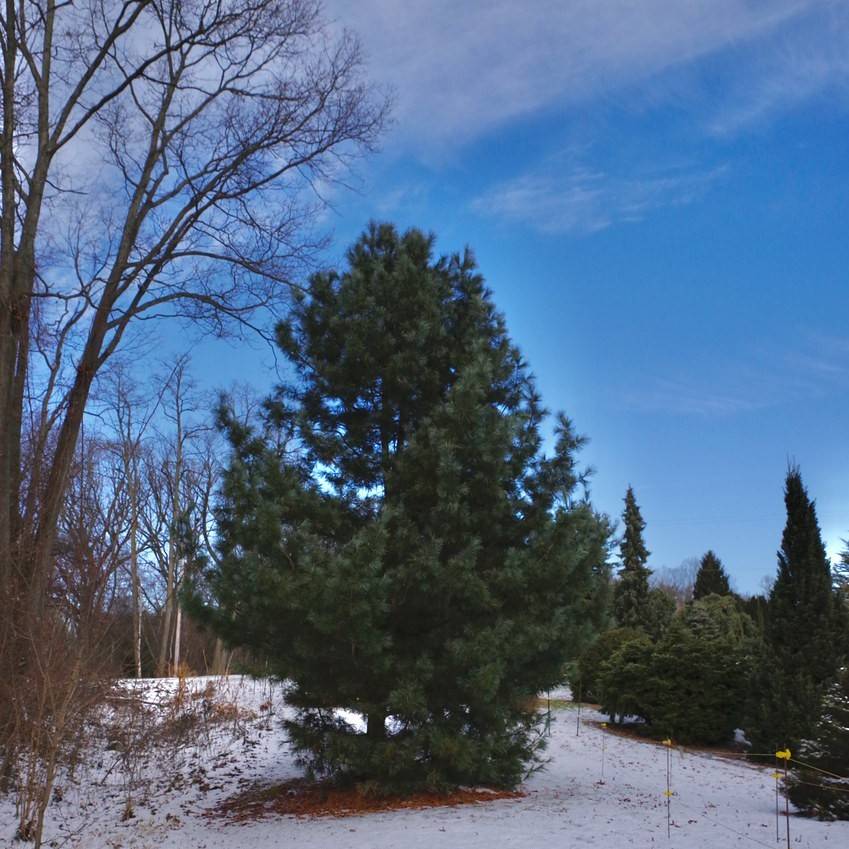
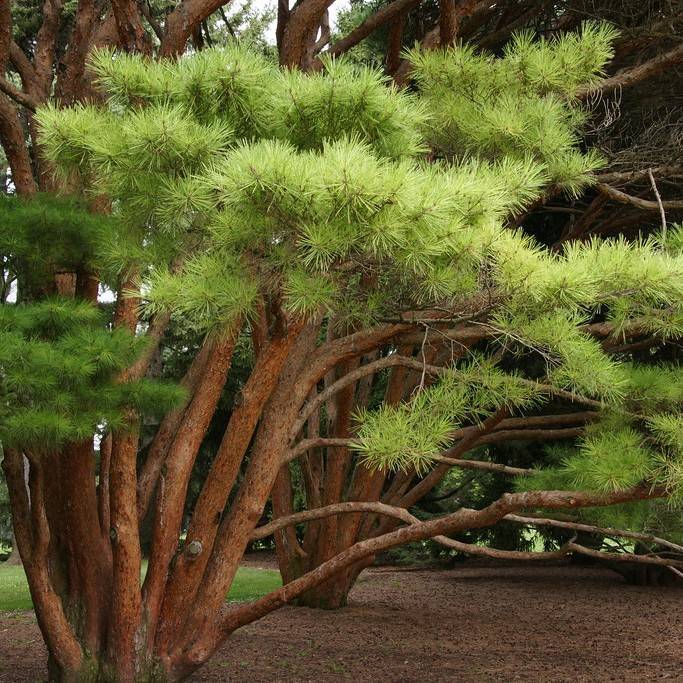
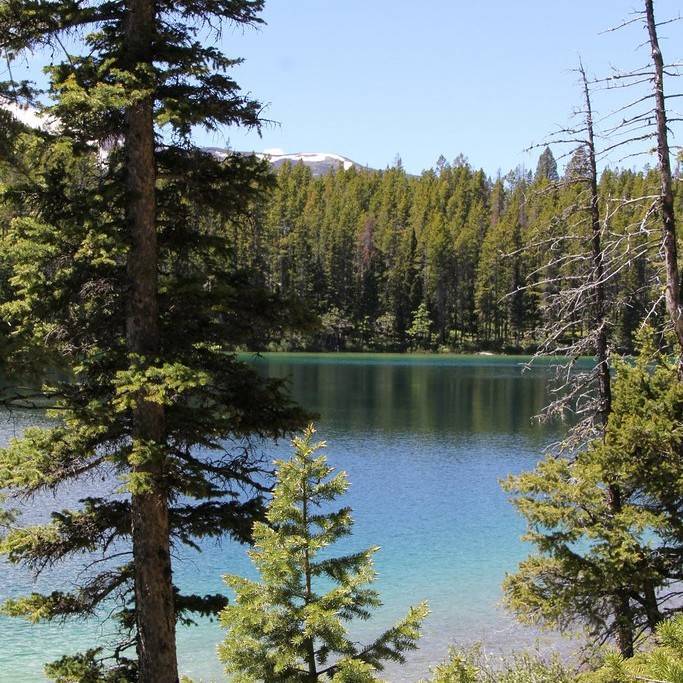
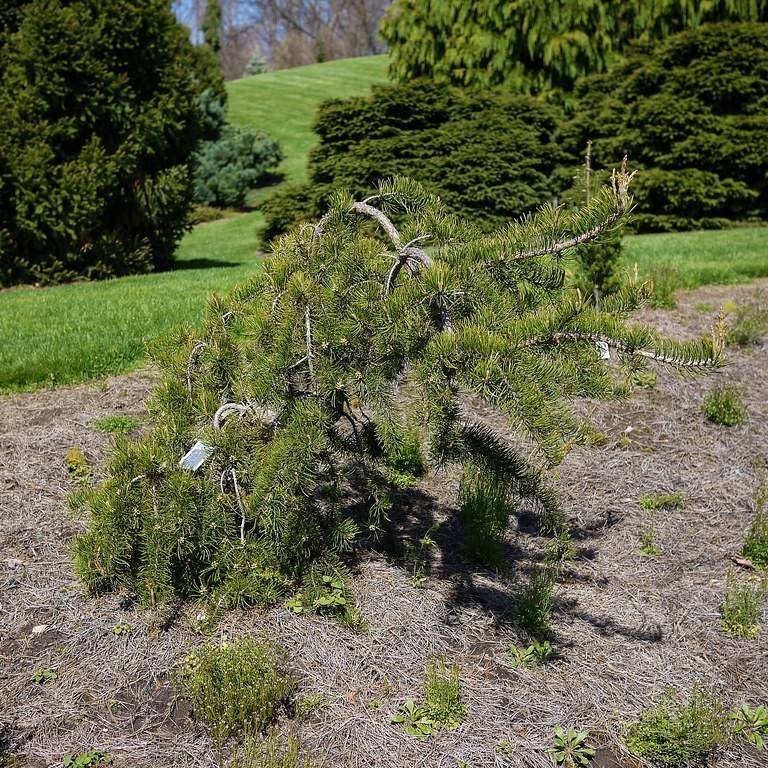
Jack pine is a small to medium-sized evergreen conifer best known for its distinctive twisted, irregular growth form and serotinous cones that remain sealed for years, only releasing seeds after wildfires clear competing vegetation. It is a foundational species of boreal and northern temperate forests, providing critical habitat for wildlife including the endangered Kirtland's warbler, which nests exclusively in young jack pine stands. This highly adaptable tree thrives in poor, sandy, or rocky soils where few other tree species can survive, making it valuable for erosion control and reforestation of disturbed sites.
Care Guide
Watering
Jack pine is extremely drought-tolerant once established, requiring only occasional deep watering during prolonged periods of extreme heat or dryness in its first 2-3 years after planting. Overwatering, especially in heavy, poorly drained soils, can lead to root rot and other fungal issues, so allow the top several inches of soil to dry out completely between waterings. Mature specimens rarely need supplemental irrigation, relying solely on natural precipitation even in dry climates.
Light
This species requires full, direct sunlight for optimal growth, tolerating no shade at any life stage; even partial shade will stunt growth and reduce cone production. Plant in an open, unobstructed location with at least 8 hours of unfiltered sunlight daily, as shaded seedlings will quickly die off. Avoid planting near taller trees or structures that will cast shade as the tree matures.
Soil
Jack pine adapts to a wide range of poor, low-nutrient soils including sandy, gravelly, rocky, or acidic glacial till, with a preferred pH range of 4.5 to 6.5. It cannot tolerate heavy, waterlogged clay soils or sites with poor drainage, which can cause fatal root rot. Amending planting sites with organic matter is not required, and can even be counterproductive, as the tree evolved to thrive in low-fertility substrates.
Fertilizer
Young jack pine saplings may benefit from a single annual application of a balanced, slow-release evergreen fertilizer in early spring, applied lightly around the drip line to avoid burning shallow roots. Mature specimens do not require fertilization at all, as they are adapted to extract sufficient nutrients from poor, unamended soils. Over-fertilization can lead to excessive, weak growth that is more susceptible to pest infestations and winter damage.
Temperature
Jack pine is exceptionally cold-hardy, tolerating winter temperatures as low as -50°F (-46°C) and thriving in USDA hardiness zones 2 through 7. It is well-adapted to extreme temperature fluctuations common in northern climates, including rapid spring thaws and late frosts. It does not perform well in hot, humid southern climates, where prolonged high summer temperatures increase susceptibility to fungal diseases and pest pressure.
Pruning
Prune jack pine only to remove dead, damaged, or diseased branches, which can be done at any time of year, though late winter is ideal to minimize sap flow. Avoid heavy pruning or removing more than 25% of the tree's foliage in a single year, as this can stress the tree and reduce its ability to photosynthesize. Do not prune living lower branches unless absolutely necessary, as the tree's irregular, spreading form is a key natural characteristic.
Propagation
Jack pine is most commonly propagated from seeds, which require exposure to high temperatures (120-140°F / 49-60°C) to break the resin seal on serotinous cones, or cold stratification for 30-60 days for non-serotinous seed sources. Sow seeds in well-drained sandy potting mix in early spring, keeping the medium lightly moist until germination, which typically occurs within 2-3 weeks. Vegetative propagation from cuttings is possible but has very low success rates, making seed propagation the preferred method for most growers.
Humidity
This species tolerates a wide range of humidity levels, from dry continental climates to moderately humid northern coastal regions, with no special humidity requirements. High humidity combined with high temperatures can increase the risk of needle blight and other fungal diseases, so ensure good air circulation around the tree in more humid growing zones. It is not suitable for consistently tropical or highly humid subtropical environments.
Repotting
Jack pine is rarely grown as a container plant long-term, as its deep taproot and large mature size make it unsuitable for pot culture. If growing saplings in containers for transplant, repot annually in early spring before new growth emerges, using a coarse, well-drained sandy potting mix and a deep container to accommodate taproot development. Transplant saplings to their permanent outdoor location when they reach 1-2 feet tall, as older specimens do not transplant well due to their extensive root systems.
Uses & Symbolism
Jack pine is widely used for reforestation of degraded, sandy, or fire-damaged sites, as well as for erosion control on unstable slopes and mine reclamation projects, due to its ability to grow in poor soils where other trees fail. Its light, soft wood is harvested for pulpwood, dimensional lumber for construction, fence posts, and fuelwood, while its dense young stands provide critical breeding habitat for the Kirtland's warbler and other boreal wildlife. It is also occasionally planted as a low-maintenance ornamental tree for naturalized landscapes, windbreaks, and xeriscapes in cold, northern regions.
Diseases & Pests
Common pests of jack pine include pine sawflies, jack pine budworm, bark beetles, and spruce budworm, which can defoliate entire stands during outbreak years, particularly in stressed, overcrowded forests. Fungal diseases such as needle blight, root rot, and rust can affect trees growing in poorly drained soils or high-humidity environments, causing needle drop, stunted growth, and in severe cases, tree death. Fire suppression in its native range has led to increased pest and disease pressure by reducing natural stand regeneration and creating overcrowded, less resilient forest conditions.
Related plants
Other plants you might like if you grow Jack Pine.