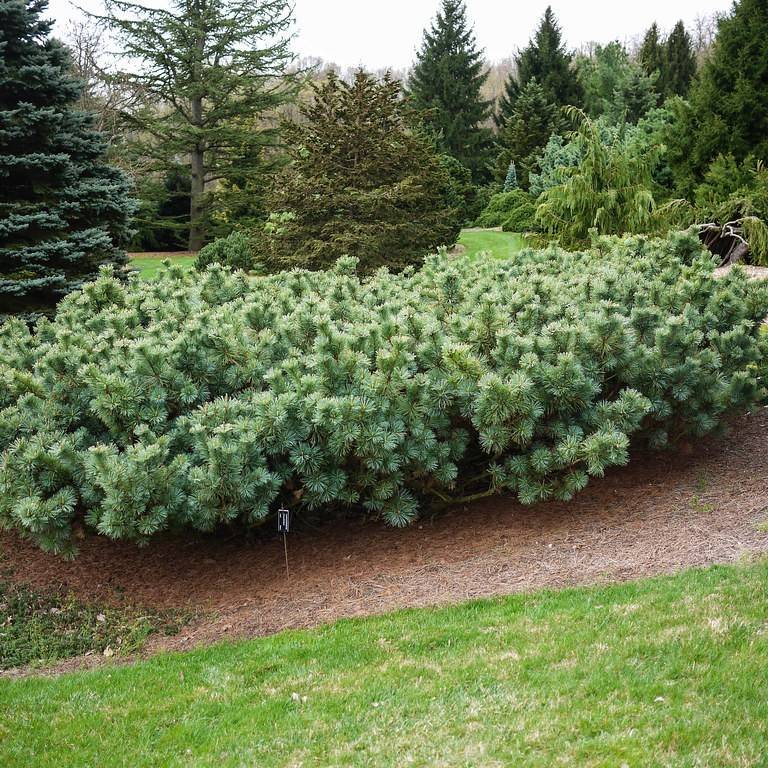
Dwarf Siberian Pine
Pinus pumila
Overview
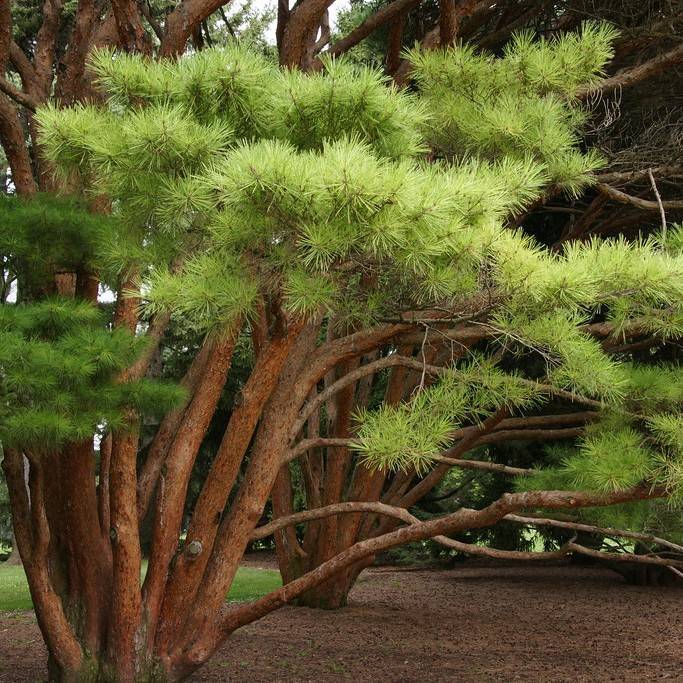
Dwarf Siberian Pine is a slow-growing evergreen conifer adapted to harsh, cold mountain and tundra environments across northeastern Asia. Its compact, spreading habit and dense, textured foliage make it a popular choice for low-maintenance ornamental plantings in regions with severe winters. It produces small, purple-brown cones that ripen to brown after two years, providing food for local bird and small mammal populations in its native range.
Care Guide
Watering
Water newly planted Dwarf Siberian Pines regularly to keep the soil evenly moist but not waterlogged for the first 1-2 growing seasons, until roots are established. Mature plants are highly drought-tolerant, requiring supplemental water only during extended periods of extreme heat or dryness. Avoid overwatering, especially in heavy, poorly draining soils, as this can lead to root rot.
Light
Grow Dwarf Siberian Pine in full sun for the densest, most vibrant foliage and most compact growth habit. It can tolerate very light partial shade, but prolonged shade will cause sparse, leggy growth and reduced needle density. This species thrives even in areas with intense, cold winter sun, with no risk of winter burn in its preferred hardiness zones.
Soil
Dwarf Siberian Pine adapts to a wide range of soil types, including sandy, rocky, and poor, low-nutrient soils, as long as drainage is excellent. It prefers slightly acidic to neutral soil pH, but can tolerate mildly alkaline conditions better than many other pine species. Avoid planting in heavy clay or consistently waterlogged soils, which will damage the plant’s shallow root system.
Fertilizer
Fertilize sparingly, as this species is adapted to low-nutrient environments; apply a balanced, slow-release evergreen fertilizer once annually in early spring, at half the recommended rate for other conifers. Avoid high-nitrogen fertilizers, which can promote overly fast, weak growth that is prone to winter damage. Mature, established plants often require no additional fertilizer if grown in suitable soil.
Temperature
Extremely cold-hardy, Dwarf Siberian Pine tolerates temperatures as low as -50°F (-46°C), making it suitable for growing in USDA hardiness zones 1 through 7. It thrives in cool to cold climates and struggles in regions with prolonged hot, humid summer weather, where temperatures regularly exceed 90°F (32°C). Winter protection is not required in its preferred growing zones, even in exposed locations.
Pruning
Prune only to remove dead, damaged, or diseased branches, which can be done at any time of year. To maintain a more compact shape or encourage denser growth, lightly snip the new, soft candle growth in late spring before it hardens into mature wood. Avoid heavy pruning into old, bare wood, as Dwarf Siberian Pine rarely produces new growth from leafless branches.
Propagation
Dwarf Siberian Pine is most commonly propagated from seed, which requires a 3-4 month period of cold stratification to break dormancy before sowing in well-draining potting mix. Cuttings can be taken from semi-hardwood new growth in late summer, though rooting success rates are typically low, even with the use of rooting hormone. Grafting onto hardy pine rootstock is sometimes used for selected cultivars to ensure consistent growth traits.
Humidity
This species prefers moderate to low humidity levels, and is well-adapted to the dry air of cold winter climates and high-altitude locations. It does not tolerate high, prolonged humidity well, which can increase the risk of fungal foliage diseases in warmer, more humid growing zones. No supplemental humidity is required for plants grown indoors as bonsai, as long as air circulation is adequate.
Repotting
For Dwarf Siberian Pine grown as bonsai, repot every 2-3 years in early spring before new growth emerges, using a well-draining, gritty conifer potting mix. When repotting, trim no more than 1/3 of the root system to avoid stunting growth or shocking the plant. Landscape specimens do not require repotting, as they will naturally adapt to their planting site as they mature.
Uses & Symbolism
Dwarf Siberian Pine is widely used as an ornamental landscape plant in cold northern regions, perfect for rock gardens, border edging, ground cover on slopes, and alpine garden plantings. It is an extremely popular species for bonsai cultivation, valued for its small needles, rugged bark, and natural compact habit that adapts well to training. In its native range, its edible pine nuts are harvested for human consumption and wildlife forage, and its dense foliage provides year-round shelter for small birds and mammals.
Diseases & Pests
Dwarf Siberian Pine is largely pest and disease resistant when grown in suitable conditions, though it can be susceptible to pine needle blight and root rot in poorly draining, overly wet soils. Common pests include pine sawflies, aphids, and spider mites, which typically only cause minor damage unless the plant is already stressed by poor growing conditions. In regions with high humidity, fungal rust diseases may occasionally affect foliage, which can be prevented by ensuring adequate air circulation around the plant.
Related plants
Other plants you might like if you grow Dwarf Siberian Pine.