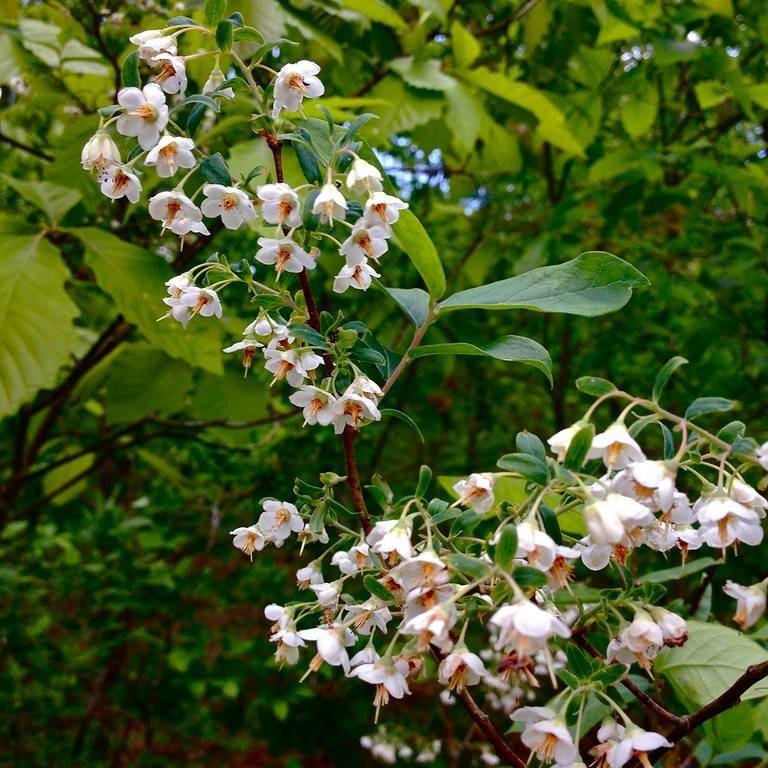
Deerberry
Vaccinium stamineum
Overview
Deerberry is a low, spreading deciduous shrub native to eastern North America’s woodlands, clearings, and sandy acidic soils. It produces drooping clusters of fragrant, bell-shaped white to pale pink flowers in spring, followed by round, bluish-purple berries that ripen in late summer to early fall. The foliage turns attractive shades of red and purple in autumn, adding seasonal landscape interest. While the berries are tart when raw, they are edible for humans and highly sought after by deer, birds, and small mammals.
Care Guide
Watering
Deerberry prefers consistently moist, well-drained soil, as it is adapted to naturally damp woodland habitats. Water deeply during extended dry periods, avoiding overwatering that leads to soggy soil, which can cause root rot. Reduce watering frequency in late fall as the shrub enters dormancy, only providing moisture during unusually warm, dry winter spells.
Light
This shrub thrives in partial shade, mimicking its native understory habitat, though it can tolerate full sun in cooler regions with consistent moisture. Full sun exposure in hot southern climates can scorch foliage and reduce berry production, so dappled afternoon shade is ideal in those areas. Too much deep shade will limit flowering and fruiting, leading to sparse, leggy growth.
Soil
Deerberry requires strongly acidic soil with a pH between 4.0 and 5.5, typical of ericaceous plants, to absorb nutrients effectively. It grows best in sandy, loamy, or peaty soil high in organic matter, with excellent drainage to prevent root rot. Heavy clay soils should be amended with peat moss, pine bark, or composted oak leaves to improve acidity and drainage before planting.
Fertilizer
Fertilize sparingly in early spring with a slow-release, acidic fertilizer formulated for azaleas or blueberries, as high nutrient levels can burn the plant’s shallow root system. Avoid fertilizers containing high amounts of phosphorus, which deerberry cannot efficiently absorb in acidic soil conditions. A 2-3 inch layer of pine straw or shredded bark mulch applied annually will slowly add organic matter and maintain soil acidity without additional fertilization for established plants.
Temperature
Deerberry is cold hardy in USDA zones 5 to 9, tolerating winter temperatures as low as -20°F (-29°C) when fully dormant. It requires a period of cold stratification (roughly 600-1000 hours below 45°F / 7°C) to break dormancy and produce flowers the following spring. In the warmest parts of its range, it benefits from extra shade and moisture to cope with prolonged summer heat above 90°F (32°C).
Pruning
Prune deerberry in late winter or early spring before new growth emerges, removing dead, diseased, or crossing branches to improve air circulation and light penetration. Mature shrubs can be lightly thinned each year to encourage new fruiting wood, as the most abundant berries grow on branches that are 1-3 years old. Avoid heavy pruning, as this can reduce flowering and fruiting for 1-2 growing seasons.
Propagation
Deerberry is most commonly propagated from semi-hardwood cuttings taken in mid to late summer, treated with rooting hormone, and placed in a moist, acidic rooting medium under high humidity. It can also be grown from seed, which requires 2-3 months of cold stratification in moist, cool conditions before sowing to break dormancy. Suckers that form around the base of established shrubs can be carefully dug up and transplanted in early spring for a quicker, genetically identical propagation method.
Humidity
Deerberry prefers moderate to high humidity levels between 50% and 70%, typical of its native woodland environment. It can tolerate average outdoor humidity in most of its growing range, but prolonged very dry air can cause leaf browning and reduce fruit set. Mulching around the base of the plant helps retain soil moisture and raise local humidity around the root zone.
Repotting
Deerberry is rarely grown in containers, as its extensive shallow root system prefers to spread in open ground. If grown in a pot, use a wide, shallow container filled with acidic ericaceous potting mix, and repot every 2-3 years in early spring before new growth begins. When repotting, gently loosen crowded roots and replace old potting mix with fresh acidic medium to maintain proper pH and drainage.
Uses & Symbolism
Deerberry is widely used in native wildlife gardens and habitat restoration projects, as its berries provide food for deer, songbirds, game birds, and small mammals, while its flowers support native pollinators including bumblebees. The tart berries can be used to make jams, jellies, and pies, or eaten raw when fully ripe and sweetened. Its attractive spring flowers, fall foliage, and compact spreading growth habit also make it a suitable low-maintenance ornamental shrub for acidic soil landscapes, woodland gardens, and naturalized areas.
Diseases & Pests
Deerberry is relatively disease-resistant, but it can be susceptible to root rot in poorly drained, soggy soil, and fungal leaf spot in overly humid, poorly ventilated conditions. Common pests include aphids, spider mites, and blueberry maggot, which can damage foliage and reduce fruit yields if populations are left unmanaged. It is also vulnerable to chlorosis (yellowing leaves) when grown in neutral or alkaline soil, caused by insufficient iron availability in non-acidic conditions.
Related plants
Other plants you might like if you grow Deerberry.
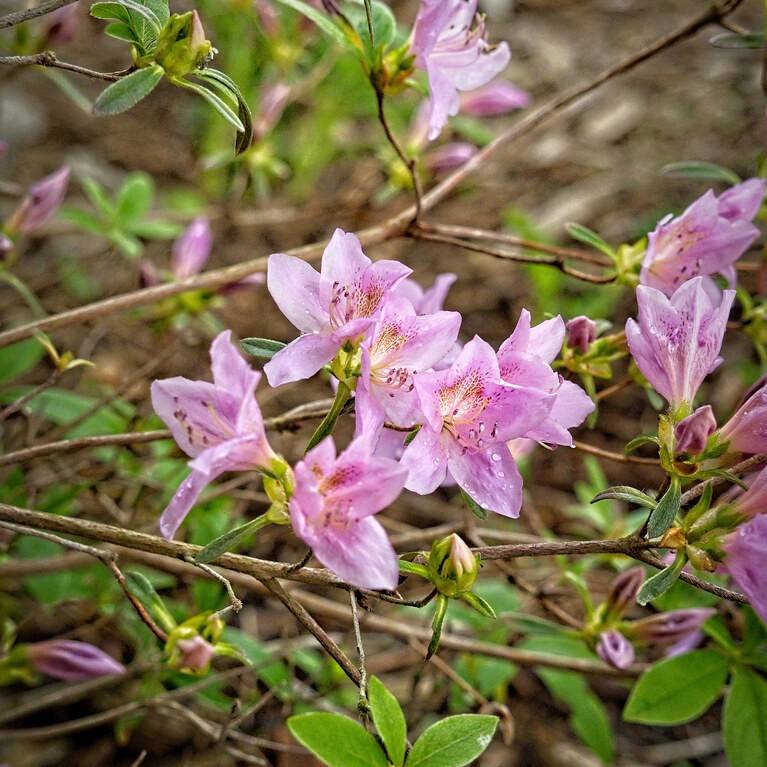
Korean Azalea
Rhododendron yedoense var. poukhanense
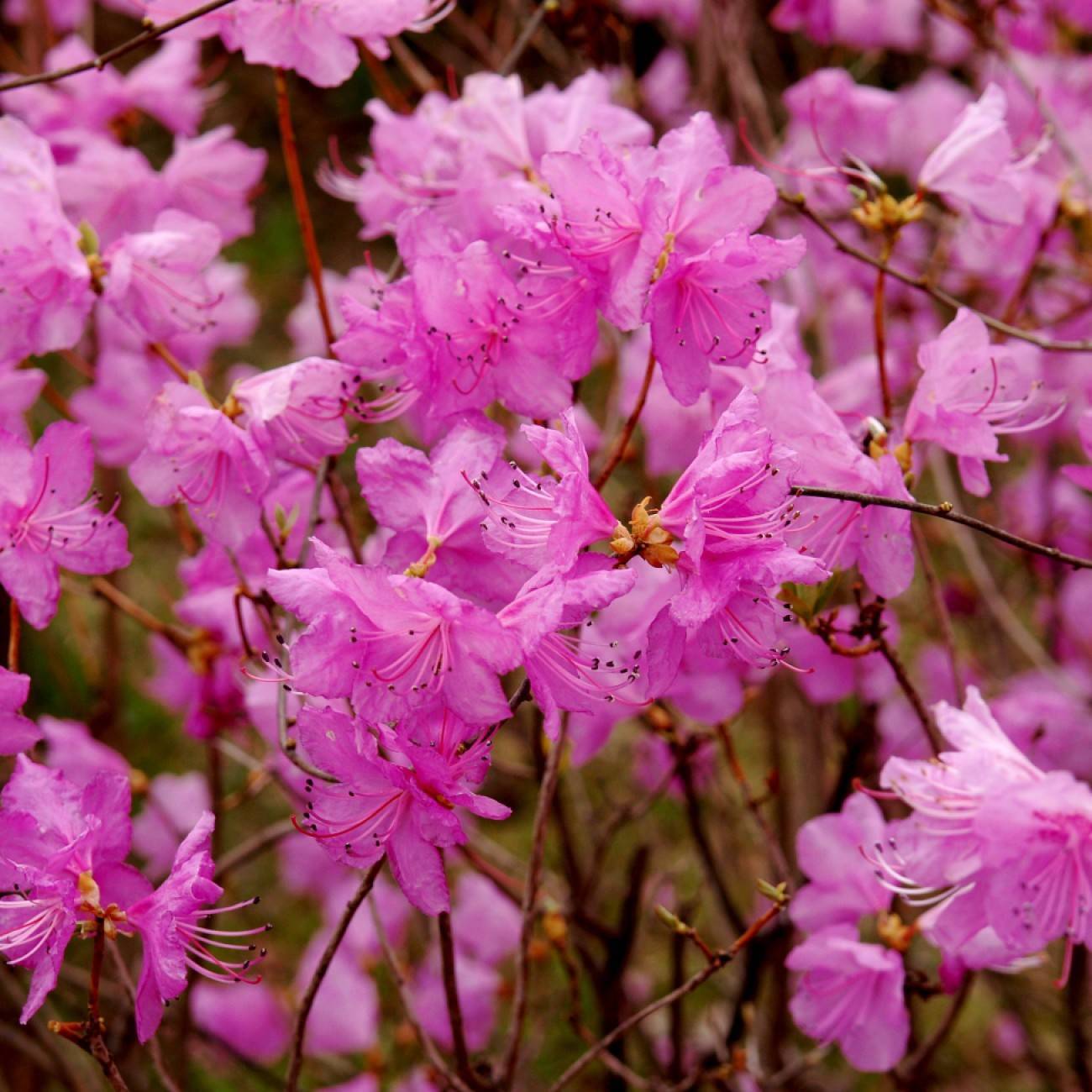
Korean Rhododendron
Rhododendron mucronulatum
%22%2F%3E%0A%20%20%20%20%20%20%3Ccircle%20cx%3D%22920%22%20cy%3D%22180%22%20r%3D%2290%22%20fill%3D%22%23cfe8d5%22%2F%3E%0A%20%20%20%20%20%20%3Cpath%20d%3D%22M600%20590c-90-180-215-255-310-280%200%20165%20118%20296%20270%20296h40z%22%20fill%3D%22%2379b88e%22%2F%3E%0A%20%20%20%20%20%20%3Cpath%20d%3D%22M600%20590c80-150%20198-212%20302-228-8%20142-123%20255-270%20255h-32z%22%20fill%3D%22%235c9f73%22%2F%3E%0A%20%20%20%20%20%20%3Cpath%20d%3D%22M600%20610V360%22%20stroke%3D%22%234f8c64%22%20stroke-width%3D%2218%22%20stroke-linecap%3D%22round%22%2F%3E%0A%20%20%20%20%20%20%3Ctext%20x%3D%22600%22%20y%3D%22700%22%20text-anchor%3D%22middle%22%20font-family%3D%22Arial%2C%20sans-serif%22%20font-size%3D%2244%22%20fill%3D%22%23365c45%22%3E%0A%20%20%20%20%20%20%20%20Plant%20image%20coming%20soon%0A%20%20%20%20%20%20%3C%2Ftext%3E%0A%20%20%20%20%3C%2Fsvg%3E%0A%20%20)
Dahurian Rhododendron
Rhododendron dahuricum
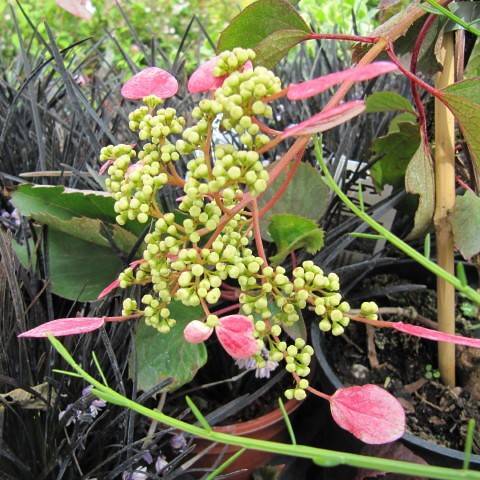
Japanese Hydrangea Vine
Schizophragma hydrangeoides
Azalea
Rhododendron sect. Tsutsusi
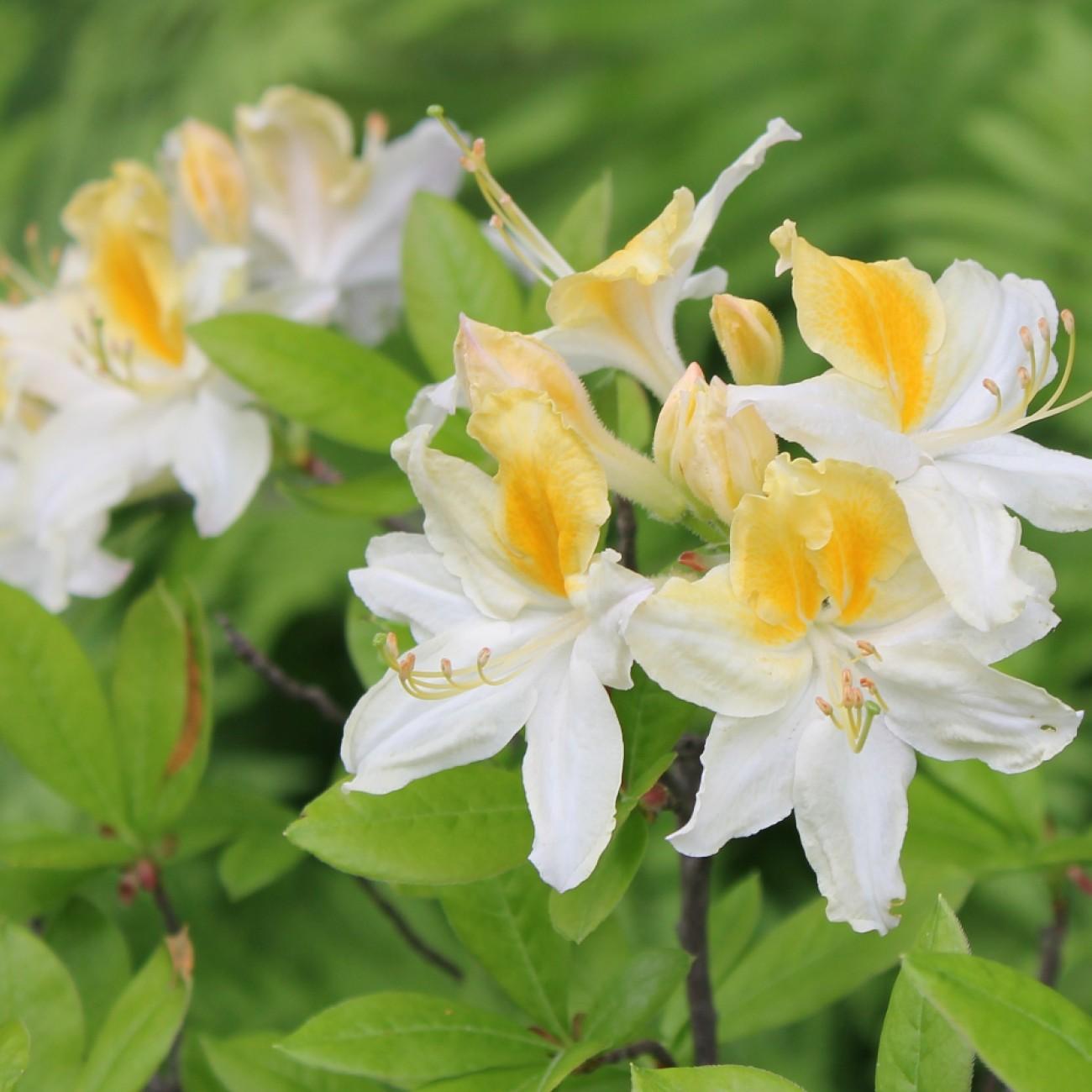
Deciduous Azalea
Rhododendron spp. (subgenus Pentanthera)
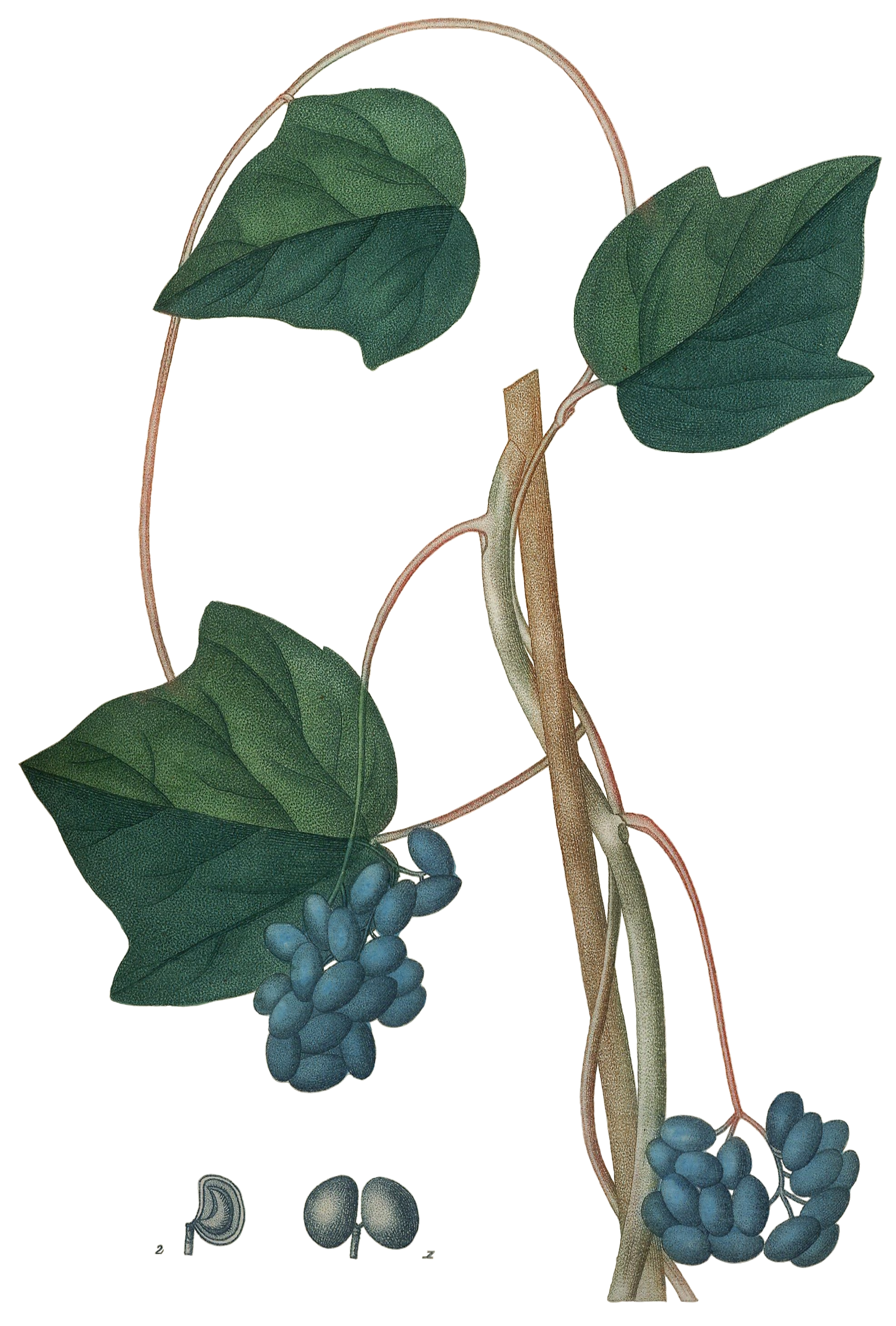
Common Moonseed
Menispermum canadense
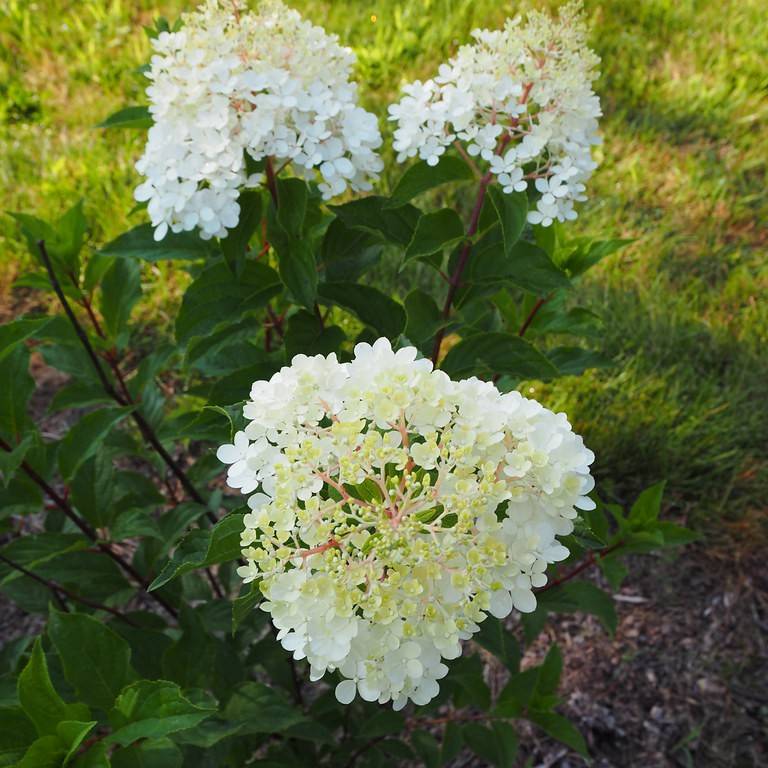
Cascade Hydrangea
Hydrangea seemannii