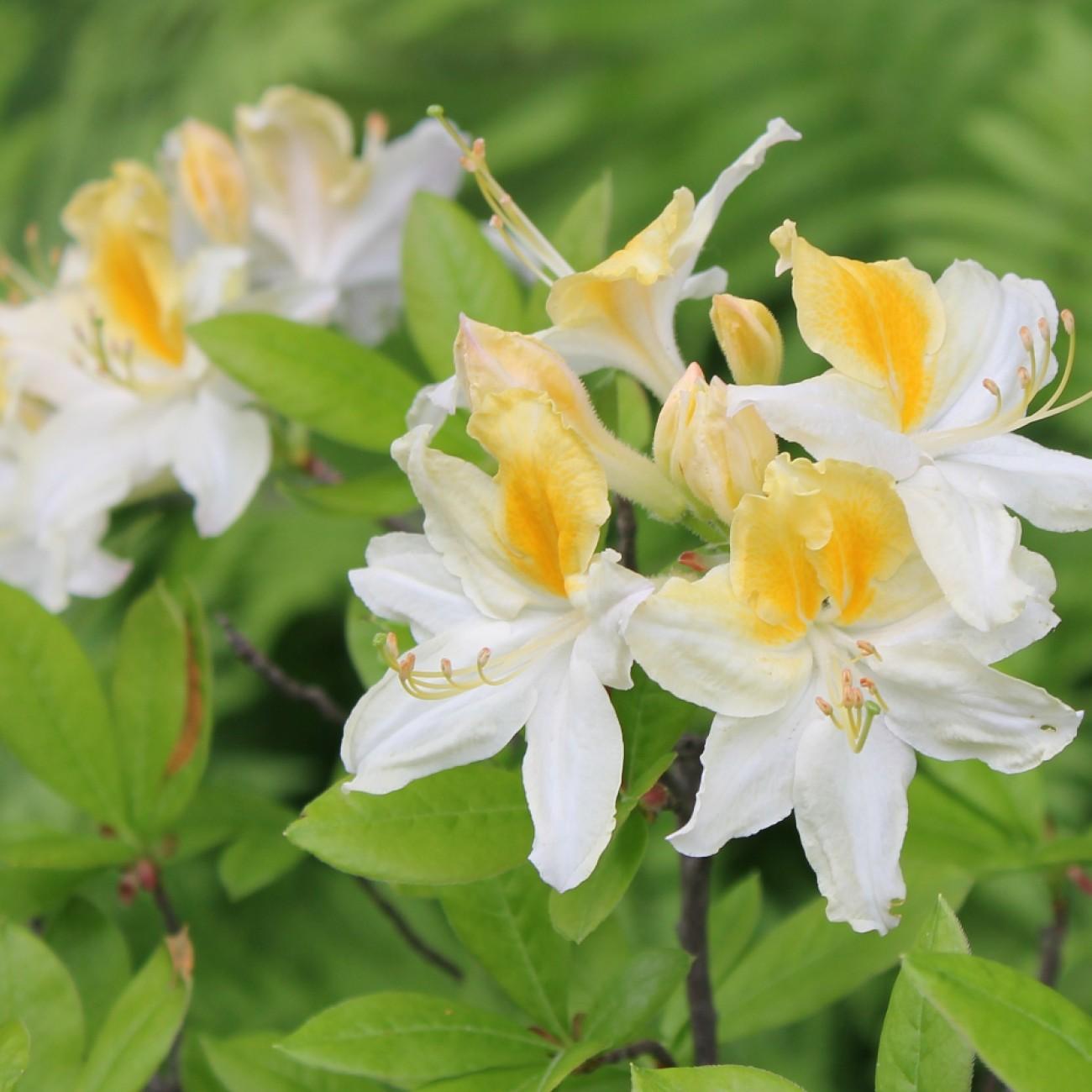
Azalea
Rhododendron sect. Tsutsusi
Overview
Azaleas are a subgroup of rhododendrons distinguished by their smaller leaves and single, funnel-shaped flowers that bloom in dense clusters each spring. Most cultivated varieties are evergreen, though deciduous types native to North America offer bright fall foliage in addition to spring blooms. They are widely grown as landscape shrubs, container plants, and popular gift plants for indoor display during flowering season.
Care Guide
Watering
Keep soil consistently moist but never waterlogged, as azaleas have shallow, sensitive roots that rot easily with excess moisture. Water at the base of the plant to avoid fungal issues on blooms and foliage, and use rainwater or distilled water if your tap water is hard, as high alkalinity can damage roots. Reduce watering frequency in winter when growth slows, but never let the root ball dry out completely.
Light
Azaleas thrive in partial shade, with dappled sunlight or morning sun and afternoon shade to prevent leaf scorch and extend bloom life. Indoor-grown azaleas need bright, indirect light, such as near an east-facing window, to support healthy growth and future bud formation. Avoid full, direct midday sun, which can burn leaves and dry out soil too quickly.
Soil
Plant in well-draining, acidic soil with a pH between 4.5 and 6.0, ideally amended with peat moss, pine bark, or composted oak leaves to boost acidity and improve drainage. Heavy clay soils that retain water will cause root rot, so amend planting areas heavily with organic matter or grow azaleas in raised beds if your native soil is alkaline or poorly draining. For container-grown azaleas, use a potting mix formulated specifically for acid-loving plants like rhododendrons or camellias.
Fertilizer
Feed azaleas in early spring right after blooms fade, using a slow-release, acid-forming fertilizer formulated for rhododendrons, camellias, or other ericaceous plants. Avoid fertilizing after mid-summer, as this can stimulate new tender growth that will be damaged by cold winter temperatures. Over-fertilization can burn shallow roots, so follow package instructions closely and avoid applying fertilizer to dry soil.
Temperature
Most outdoor azalea cultivars are hardy in USDA zones 6 to 9, though some cold-hardy varieties can tolerate temperatures as low as -20°F (-29°C) when planted in protected locations. Indoor azaleas prefer cool temperatures between 60-65°F (15-18°C) during the day and slightly cooler at night to extend bloom duration. Sudden temperature swings, such as drafts from heaters or air conditioners, can cause indoor azaleas to drop buds and leaves prematurely.
Pruning
Prune azaleas immediately after they finish blooming in spring, before new flower buds begin to form for the next year’s display. Remove spent flower clusters by pinching or cutting just below the bloom head to encourage bushier growth and prevent seed formation, which diverts energy from new bud production. Only remove dead, damaged, or crossing branches to maintain the plant’s natural shape, as heavy pruning can reduce flowering the following year.
Propagation
The most common propagation method for azaleas is semi-hardwood cuttings taken in mid-summer, from new growth that has just started to harden and turn woody at the base. Dip cut end in rooting hormone, plant in a moist, acidic rooting medium such as peat moss and perlite, and keep in high humidity with indirect light until roots form, which typically takes 6 to 8 weeks. Azaleas can also be grown from seed, but seed-grown plants will not retain the exact characteristics of the parent cultivar, and may take 3 to 5 years to bloom.
Humidity
Azaleas prefer moderate to high humidity between 50% and 60%, which supports healthy foliage and prevents leaf browning at the edges. For indoor azaleas, increase humidity by placing the pot on a tray filled with pebbles and water, making sure the pot base does not sit directly in the water, or use a small room humidifier during dry winter months. Avoid misting azalea blooms directly, as this can cause fungal spotting and shorten bloom life.
Repotting
Repot container-grown azaleas every 2 to 3 years in early spring, right after blooming finishes, to refresh soil and prevent root binding. Choose a pot only 1 to 2 inches larger than the current container, as azaleas bloom best when their roots are slightly crowded, and excess pot space can hold too much moisture and cause root rot. Gently loosen the outer edges of the root ball before repotting in fresh acidic potting mix, and water thoroughly after planting to settle soil around roots.
Uses & Symbolism
Azaleas are primarily grown as ornamental landscape shrubs, used in foundation plantings, woodland gardens, and mass border displays for their vibrant spring blooms and attractive evergreen foliage. Smaller dwarf cultivars are popular as container plants for patios and indoor display, especially as seasonal gift plants during their blooming period. In traditional East Asian medicine, some azalea species have been used in small, carefully prepared doses to treat inflammatory conditions, though all parts are toxic if consumed raw or in large quantities.
Diseases & Pests
Azaleas are susceptible to root rot caused by overwatering or poorly draining soil, which presents as yellowing leaves, wilting, and eventual plant death if not corrected. Common fungal diseases include powdery mildew, leaf spot, and petal blight, which thrive in overly moist conditions and can be prevented by watering at the base of the plant and providing good air circulation between shrubs. Common pests include azalea lace bugs, spider mites, and aphids, which suck sap from leaves and cause yellow stippling; infestations can be treated with horticultural oil or insecticidal soap applied in early spring before new growth emerges.
Related plants
Other plants you might like if you grow Azalea.
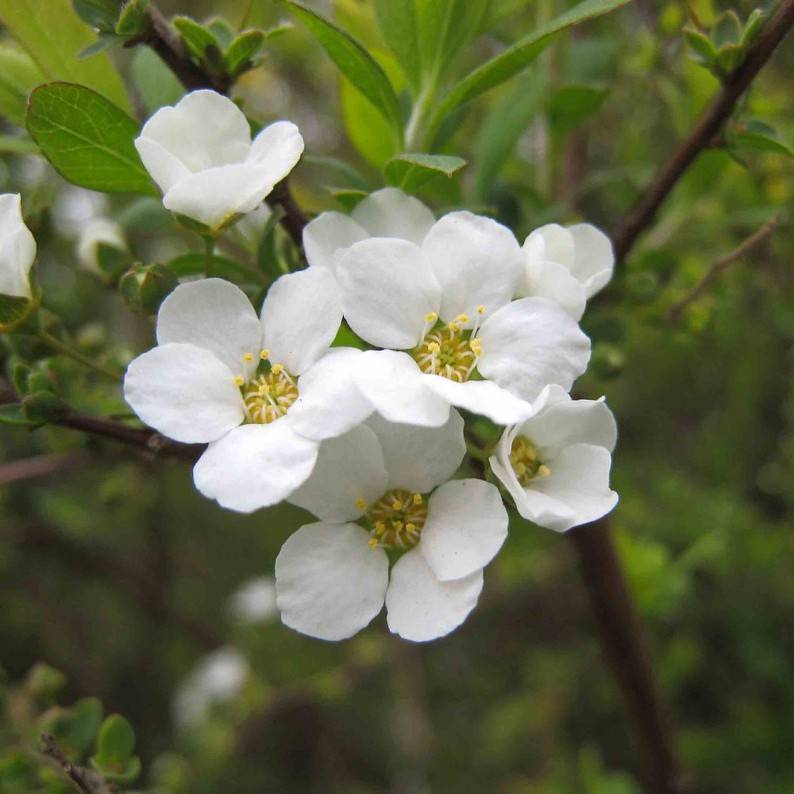
Bridal Wreath Spiraea
Spiraea prunifolia
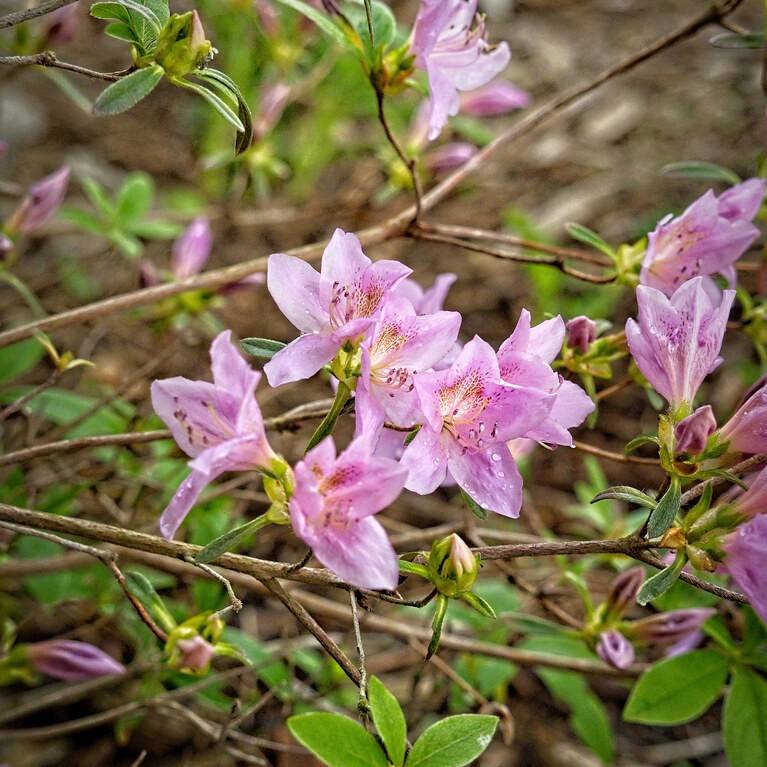
Korean Azalea
Rhododendron yedoense var. poukhanense
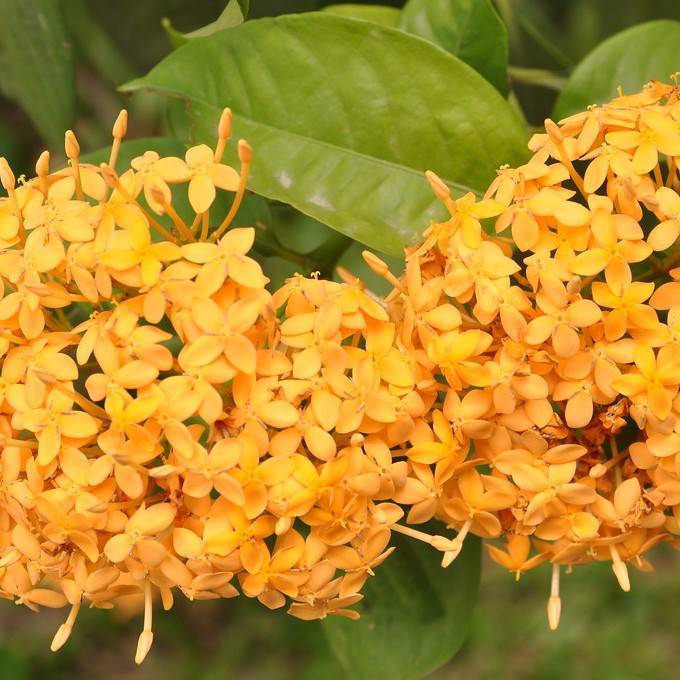
Flame Of The Woods
Ixora coccinea
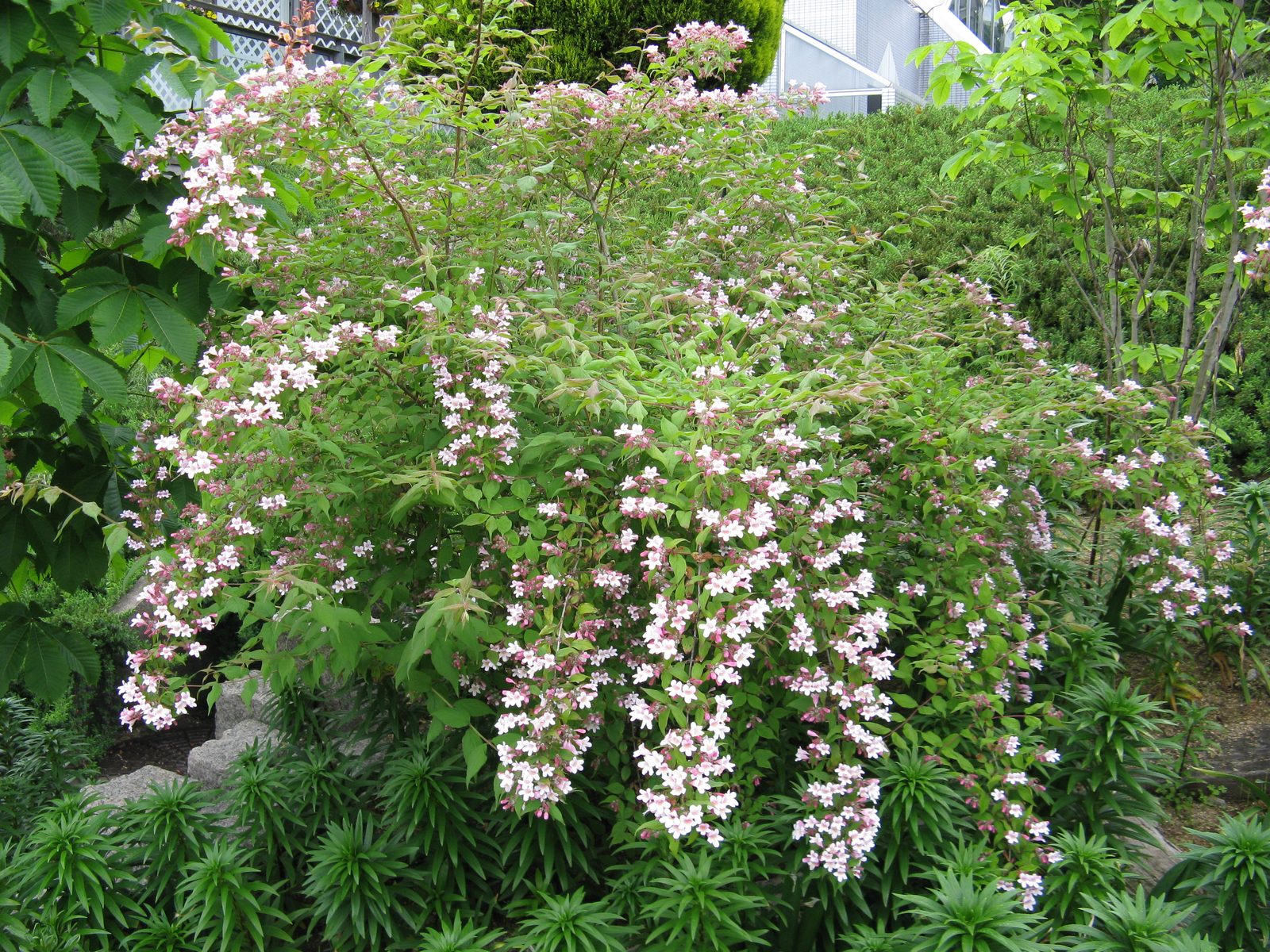
Beauty Bush
Kolkwitzia amabilis
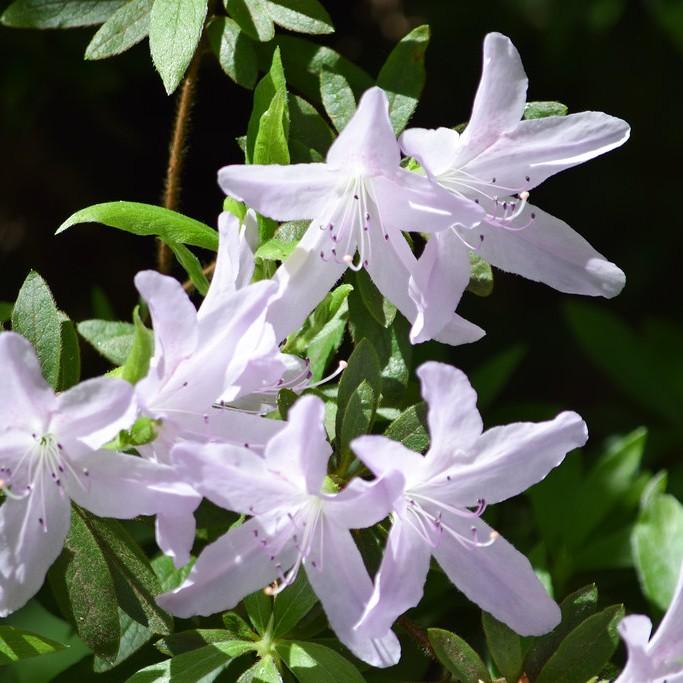
Evergreen Azalea
Rhododendron simsii (and related evergreen Rhododendron cultivars)
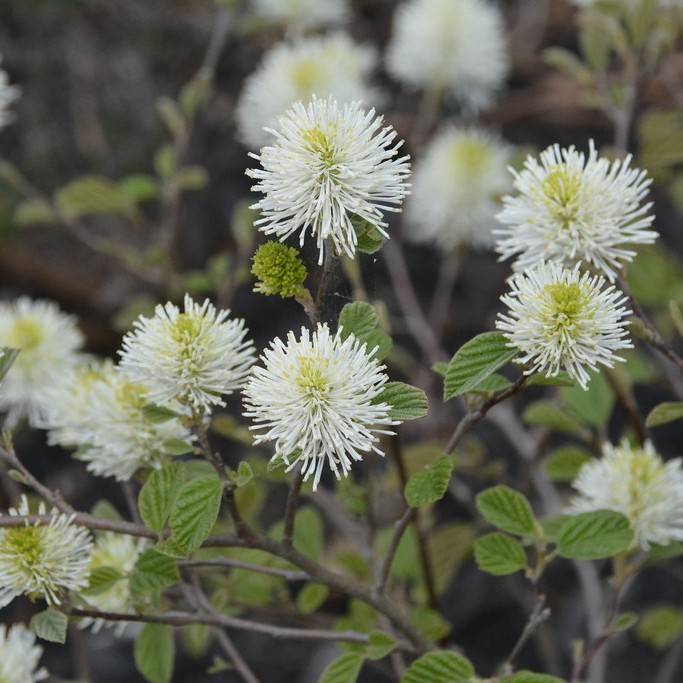
Fothergilla
Fothergilla spp.
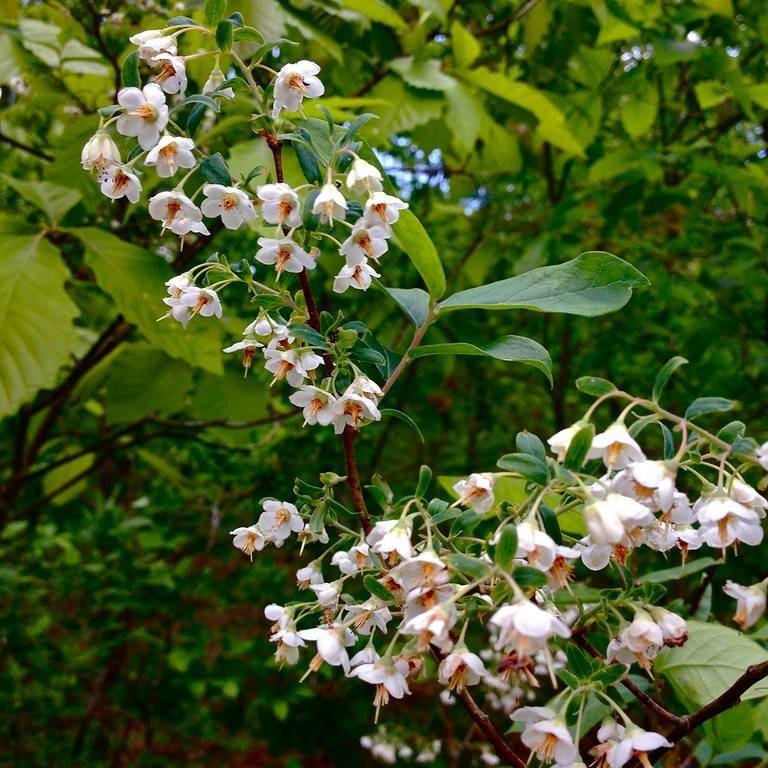
Deerberry
Vaccinium stamineum
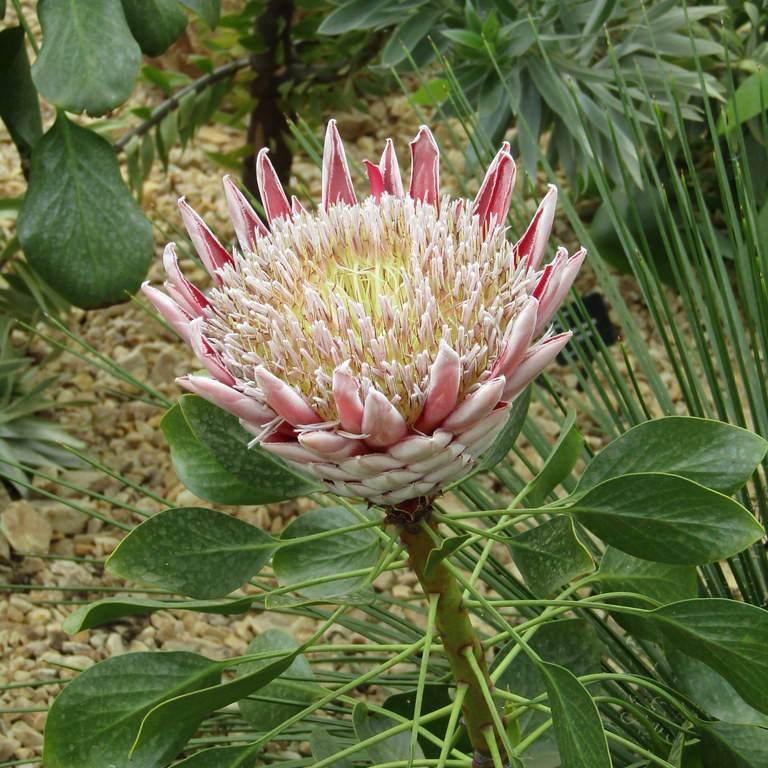
King Protea
Protea cynaroides