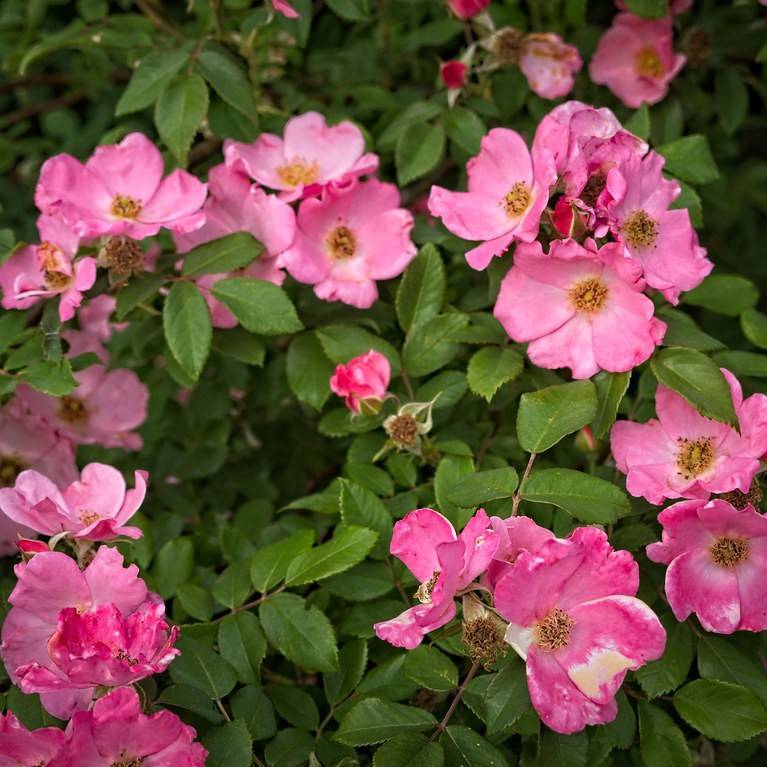
Kordesii Rose
Rosa kordesii
Overview
Rosa kordesii, or Kordesii rose, is a group of hybrid roses developed in the mid-20th century by German breeder Wilhelm Kordes II, created by crossing the trailing Rosa wichuraiana with the rugged Rosa rugosa to combine disease resistance and cold hardiness. The plants produce abundant, lightly fragrant blooms in shades of pink, red, white, and yellow from late spring through fall, with many varieties forming decorative, vitamin-rich red hips after flowering. Kordesii roses are widely used in landscaping as climbing shrubs, hedges, or standalone specimens, and have served as parent stock for many modern disease-resistant rose cultivars.
Care Guide
Watering
Water Kordesii roses deeply once or twice per week, providing 1 to 1.5 inches of water per week during the growing season to keep the root zone consistently moist but not waterlogged. Avoid overhead watering to reduce fungal disease risk, directing water at the base of the plant, and reduce watering frequency in fall as the plant enters dormancy.
Light
Plant Kordesii roses in a location that receives at least 6 hours of direct, unfiltered sunlight per day to support robust growth and abundant flowering. They can tolerate partial shade, but reduced light will lead to fewer blooms, weaker growth, and increased susceptibility to fungal diseases.
Soil
Kordesii roses thrive in well-drained, loamy soil with a slightly acidic to neutral pH between 6.0 and 7.0, though they are adaptable to a wider range of soil types including clay and sandy soils if amended to improve drainage. Work 2 to 3 inches of organic matter such as compost, well-rotted manure, or leaf mold into the planting hole to improve soil structure, nutrient content, and moisture retention.
Fertilizer
Feed established Kordesii roses in early spring just as new growth emerges, using a balanced slow-release rose fertilizer formulated to support foliage growth, root development, and flowering. Apply a second dose of fertilizer after the first flush of blooms fades to encourage repeat flowering, and avoid fertilizing after late summer to prevent tender new growth that can be damaged by winter frost.
Temperature
Kordesii roses are extremely cold hardy, tolerating winter temperatures as low as -30°F (-34°C) in USDA hardiness zones 3 through 9, making them suitable for many regions where more tender rose varieties cannot survive. They thrive in average summer temperatures between 60°F and 80°F (15°C to 27°C), and benefit from a layer of mulch around the base in hot climates to keep roots cool and reduce moisture loss.
Pruning
Prune Kordesii roses in late winter or early spring before new growth emerges, removing any dead, diseased, or crossing branches to improve air circulation through the canopy. For climbing varieties, trim back overly long canes and tie new growth to a support structure to encourage horizontal growth, which produces more blooms, and deadhead spent flowers throughout the growing season to promote continuous flowering.
Propagation
Kordesii roses are most commonly propagated via hardwood cuttings taken in late fall or early winter, selecting 6 to 8 inch long, mature, disease-free stems from the current year's growth, dipping the cut end in rooting hormone, and planting in a well-drained rooting medium. They can also be propagated via softwood cuttings taken in early summer, or grown from seed collected from ripe hips, though seed-grown plants may not retain the exact characteristics of the parent cultivar.
Humidity
Kordesii roses prefer moderate humidity levels between 40% and 60%, and good air circulation is critical to prevent fungal diseases such as powdery mildew and black spot in areas with high humidity. They tolerate low humidity well as long as soil moisture is consistent, but avoid planting them in enclosed, stagnant air locations where moisture can linger on foliage for extended periods.
Repotting
If grown in containers, repot Kordesii roses every 2 to 3 years in late winter or early spring before new growth begins, selecting a pot at least 2 inches larger in diameter than the current container with adequate drainage holes. Use a high-quality, well-drained potting mix formulated for roses, trim back any circling or damaged roots before repotting, and water thoroughly after planting to settle the soil around the root zone.
Uses & Symbolism
Kordesii roses are widely planted in residential and public landscaping as climbing vines for arbors, fences, and trellises, as low hedges, or as standalone specimen shrubs for their vibrant, long-lasting blooms and cold hardiness. Many varieties produce abundant, vitamin C-rich rose hips in fall that are used to make jams, jellies, teas, and herbal remedies, and the fragrant blooms are sometimes used in potpourri and cut flower arrangements. They are also extensively used in rose breeding programs as a parent stock to introduce disease resistance and cold tolerance to new hybrid rose cultivars.
Diseases & Pests
Kordesii roses are highly resistant to common rose diseases including black spot, powdery mildew, and rust, though they may still develop fungal infections in prolonged wet, humid conditions with poor air circulation. Common pests include aphids, Japanese beetles, spider mites, and rose slugs, which can be controlled with insecticidal soap, neem oil, or targeted organic pesticides, and regular inspection of foliage can help catch infestations early before they spread. Root rot can occur in poorly drained, waterlogged soil, so ensuring proper soil drainage and avoiding overwatering is critical to prevent this fatal condition.
Related plants
Other plants you might like if you grow Kordesii Rose.
%22%2F%3E%0A%20%20%20%20%20%20%3Ccircle%20cx%3D%22920%22%20cy%3D%22180%22%20r%3D%2290%22%20fill%3D%22%23cfe8d5%22%2F%3E%0A%20%20%20%20%20%20%3Cpath%20d%3D%22M600%20590c-90-180-215-255-310-280%200%20165%20118%20296%20270%20296h40z%22%20fill%3D%22%2379b88e%22%2F%3E%0A%20%20%20%20%20%20%3Cpath%20d%3D%22M600%20590c80-150%20198-212%20302-228-8%20142-123%20255-270%20255h-32z%22%20fill%3D%22%235c9f73%22%2F%3E%0A%20%20%20%20%20%20%3Cpath%20d%3D%22M600%20610V360%22%20stroke%3D%22%234f8c64%22%20stroke-width%3D%2218%22%20stroke-linecap%3D%22round%22%2F%3E%0A%20%20%20%20%20%20%3Ctext%20x%3D%22600%22%20y%3D%22700%22%20text-anchor%3D%22middle%22%20font-family%3D%22Arial%2C%20sans-serif%22%20font-size%3D%2244%22%20fill%3D%22%23365c45%22%3E%0A%20%20%20%20%20%20%20%20Plant%20image%20coming%20soon%0A%20%20%20%20%20%20%3C%2Ftext%3E%0A%20%20%20%20%3C%2Fsvg%3E%0A%20%20)
Floribunda Rose
Rosa 'Floribunda Group'
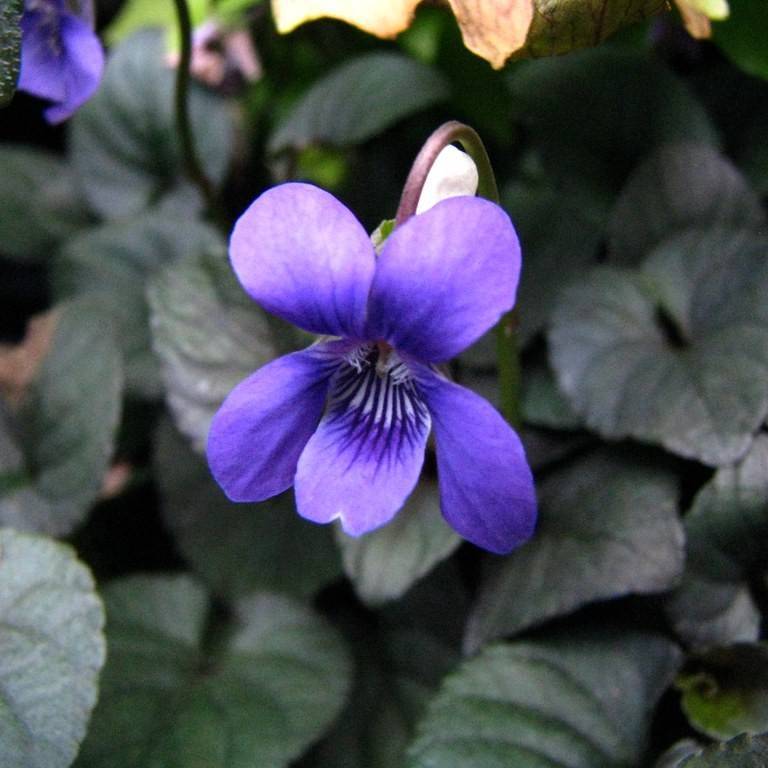
Labrador Violet
Viola labradorica
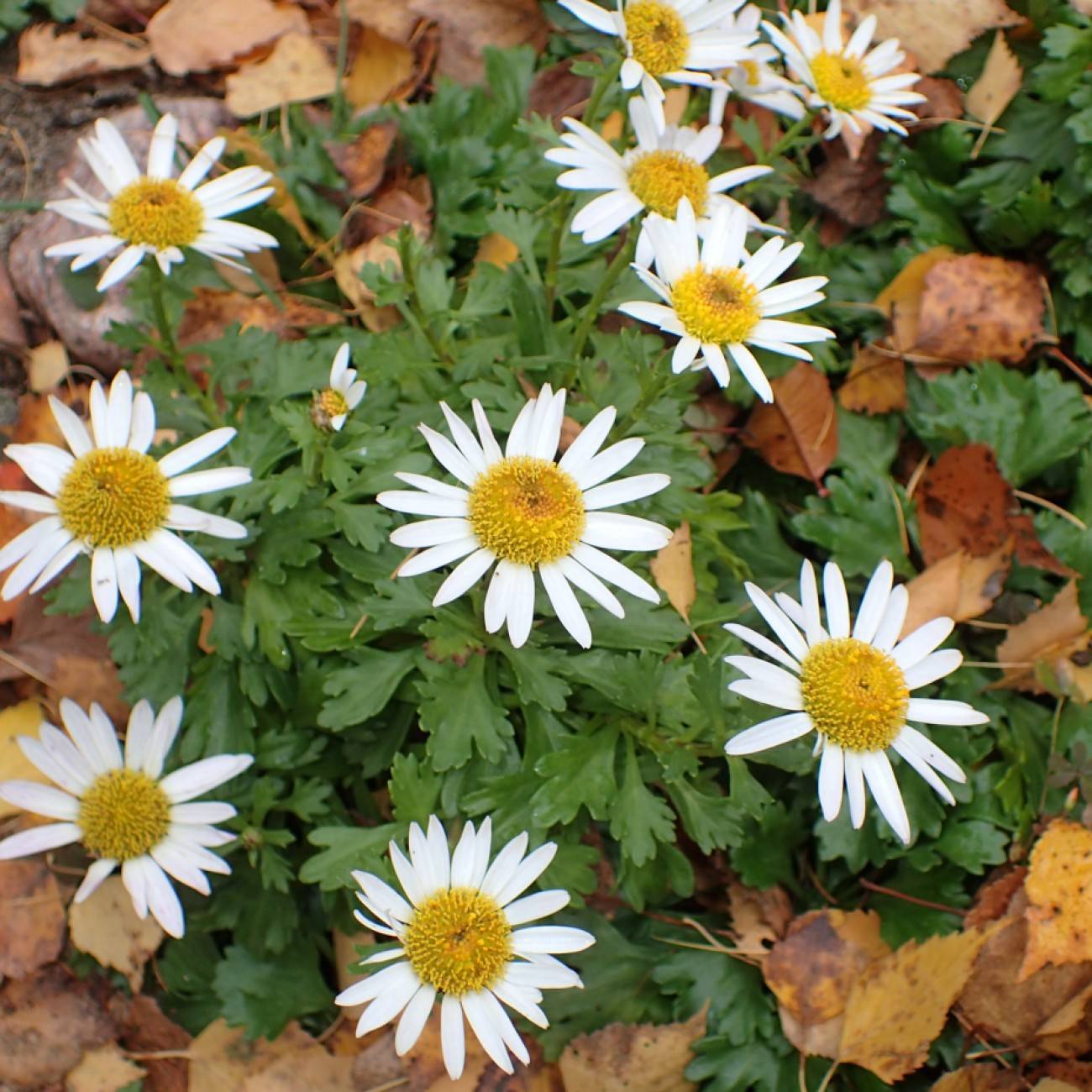
Arctic Daisy
Arctanthemum arcticum (syn. Chrysanthemum arcticum)
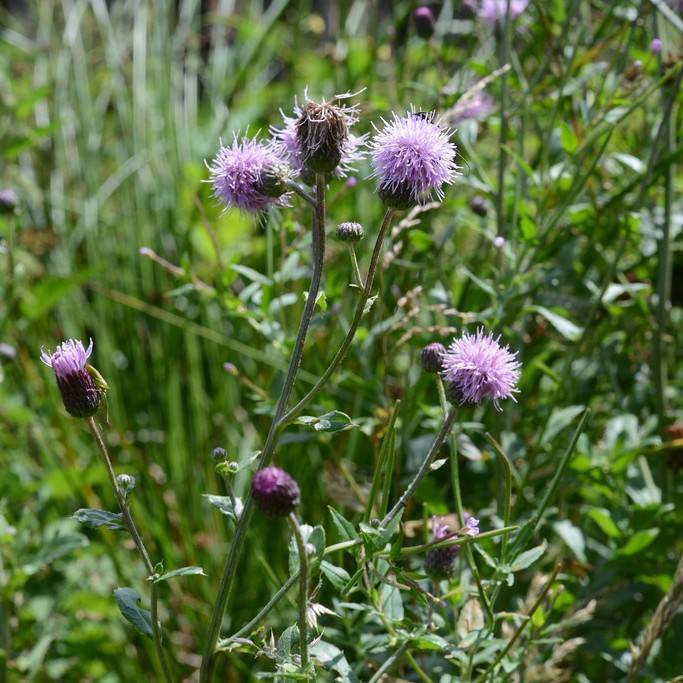
Canada Thistle
Cirsium arvense
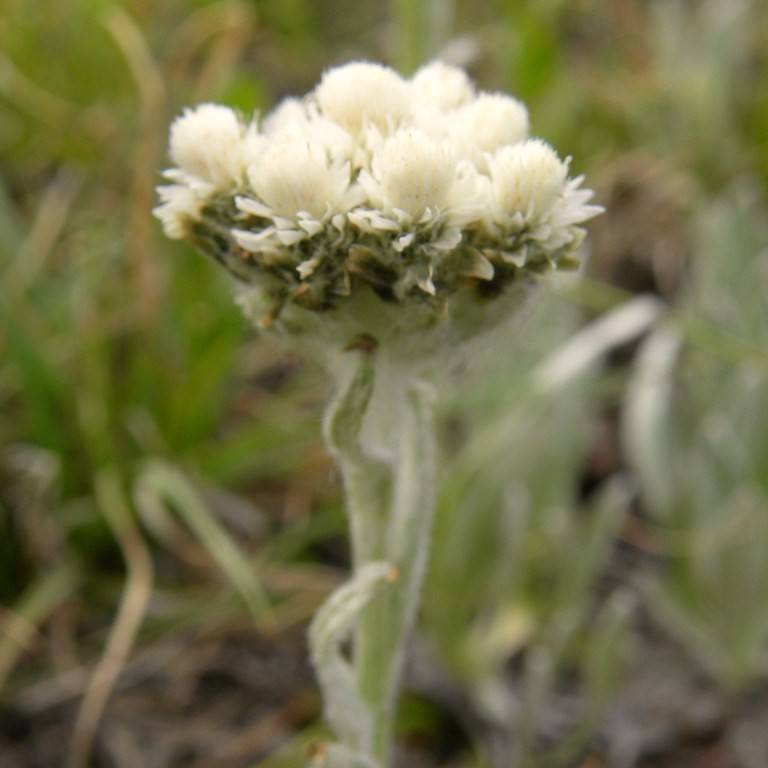
Alpine Pussytoes
Antennaria alpina
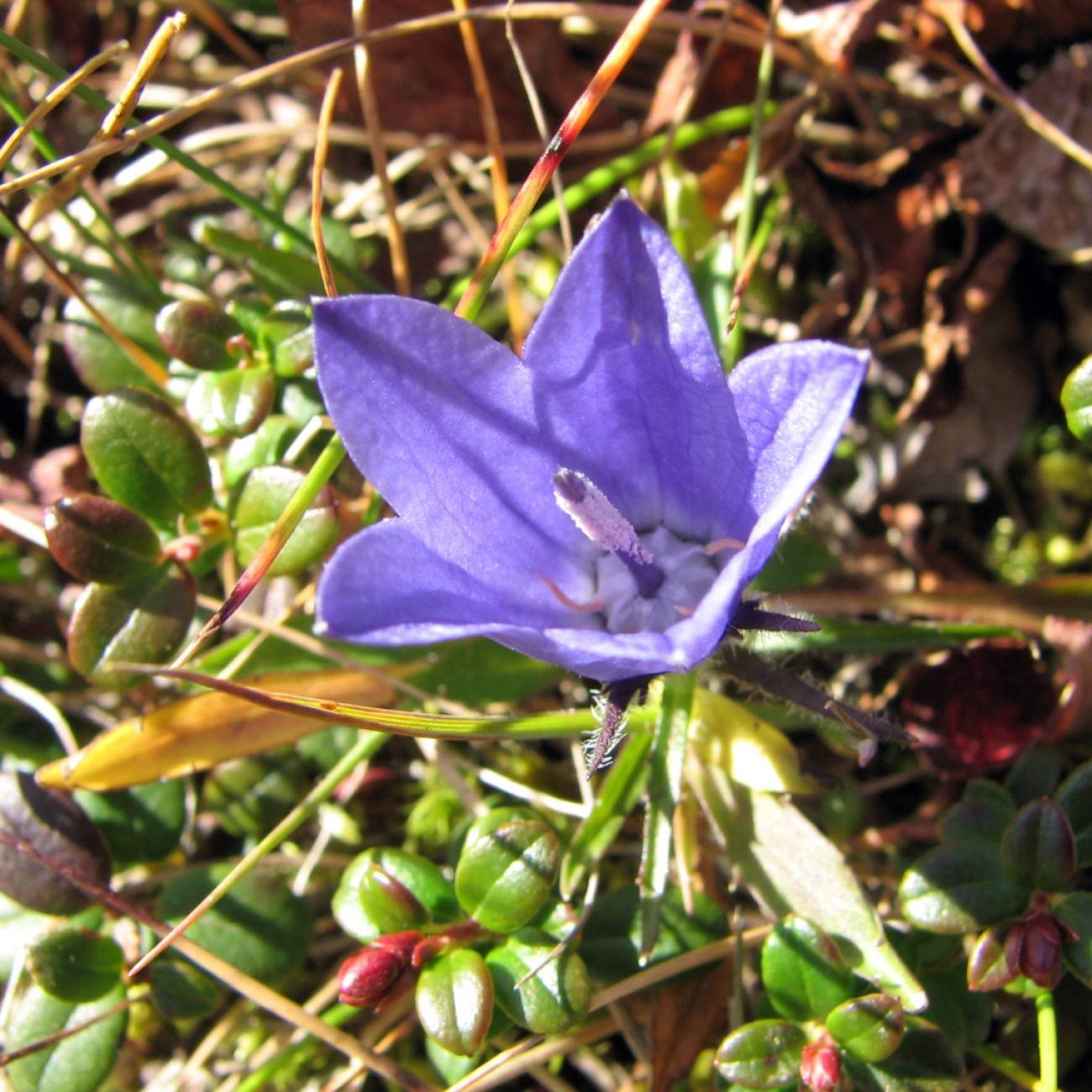
Alaska Bellflower
Campanula alaskana
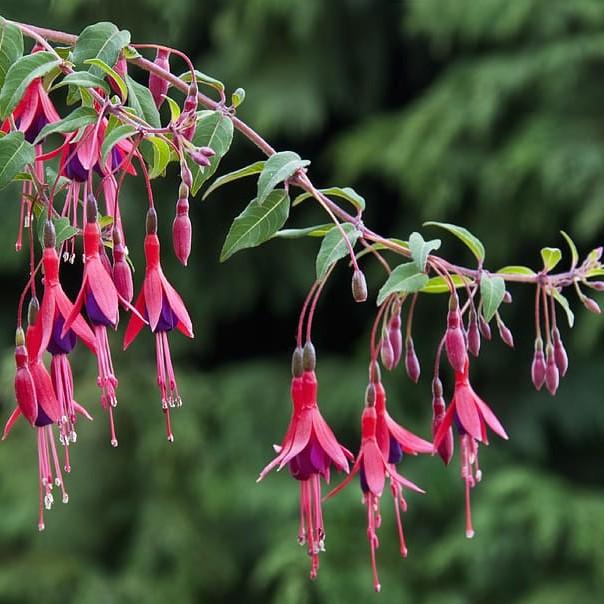
Hardy Fuchsia
Fuchsia magellanica
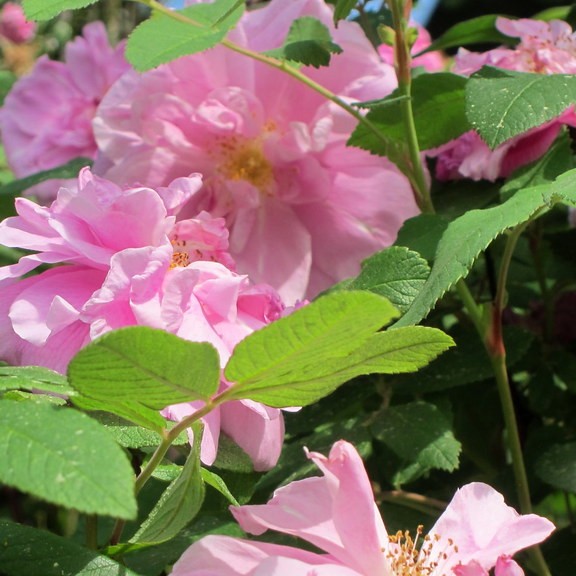
Hybrid Rugosa Rose
Rosa × rugosa hybrids