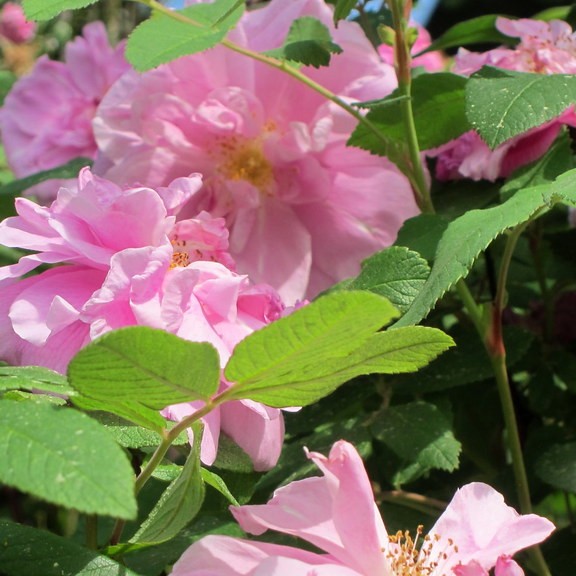
Hybrid Rugosa Rose
Rosa × rugosa hybrids
Overview
Hybrid Rugosa Roses are crosses between the tough wild Rosa rugosa and other rose cultivars, bred to combine the parent species' resilience with diverse flower forms and colors. They produce abundant, often fragrant single to double blooms in shades of pink, red, white, or purple from late spring through fall, followed by large, bright red-orange hips in autumn. Their dense, thorny, bushy habit and wrinkled, deep green foliage make them ideal for hedges, mass plantings, or low-maintenance landscape features.
Care Guide
Watering
Water deeply once or twice per week during active growth, allowing the top 1-2 inches of soil to dry out between waterings to prevent root rot. Reduce watering frequency in fall and winter, providing only enough moisture to keep the soil from drying out completely, and avoid wetting foliage to minimize fungal disease risk.
Light
Plant in full sun, receiving a minimum of 6 hours of direct sunlight daily to encourage maximum bloom production and strong, disease-resistant growth. They can tolerate very light partial shade, but reduced sunlight will lead to fewer flowers, sparser foliage, and increased susceptibility to pest and disease issues.
Soil
Thrive in well-drained, loamy soil with a slightly acidic to neutral pH between 6.0 and 7.0, though they are highly adaptable and can grow in poor, sandy, or even saline coastal soils where many other rose cultivars fail. Avoid heavy, waterlogged clay soils, as prolonged wetness will cause root rot; amend heavy soils with compost or coarse sand to improve drainage before planting.
Fertilizer
Apply a balanced, slow-release rose fertilizer in early spring just as new growth emerges, following package dosing instructions to avoid over-fertilizing which can lead to weak, sappy growth. A second light application of fertilizer can be applied after the first flush of blooms in mid-summer, but stop fertilizing by late summer to allow new growth to harden off before winter frost.
Temperature
Highly cold hardy, tolerating winter temperatures as low as -30°F (-34°C) in USDA hardiness zones 3 through 9, and can also handle high summer temperatures and humidity when provided with adequate airflow. Winter protection is rarely needed in most growing zones, though a light layer of mulch around the base can help insulate roots in the coldest northern regions.
Pruning
Prune in late winter or early spring before new bud break, removing dead, damaged, or crossing branches to improve airflow and maintain a healthy, open shape. Deadhead spent blooms regularly throughout the growing season to encourage repeat flowering, though leaving late-season blooms to develop into hips will provide winter interest and food for local wildlife.
Propagation
Most easily propagated via hardwood cuttings taken in late fall or early winter, when the plant is dormant; cut 6-8 inch sections of mature, healthy wood, remove lower leaves, and plant in well-drained rooting medium kept consistently moist until roots develop in 8-12 weeks. They can also be propagated via softwood cuttings taken in early summer, though hardwood cuttings have a much higher success rate for this hardy hybrid group.
Humidity
Adaptable to a wide range of humidity levels, tolerating both dry inland air and high coastal humidity well as long as they are planted in a location with good air circulation around foliage. Avoid planting in enclosed, stagnant areas with high humidity and poor airflow, as this can increase the risk of fungal diseases like powdery mildew, though they are far more resistant to these issues than most other rose types.
Repotting
If grown in containers, repot every 2-3 years in late winter before new growth starts, using a high-quality, well-drained rose potting mix and choosing a container 2-3 inches larger in diameter than the current one to accommodate root growth. After repotting, water thoroughly and place in a partially shaded location for 1-2 weeks to allow the plant to acclimate before moving back to full sun.
Uses & Symbolism
Widely planted in residential and public landscapes as low-maintenance hedges, border shrubs, erosion control plantings on slopes, and coastal garden specimens, where their salt tolerance makes them an excellent choice for seaside locations. Their edible, vitamin C-rich hips are used to make jams, jellies, teas, and herbal remedies, while their fragrant blooms are used in cut flower arrangements, potpourris, and rose water preparations. Their dense, thorny growth also provides effective security barriers and valuable shelter and food for birds and pollinators throughout the year.
Diseases & Pests
Exceptionally resistant to common rose diseases including black spot, powdery mildew, and rust, making them far lower maintenance than most other hybrid rose groups, though poor airflow and overly wet conditions can occasionally lead to minor fungal leaf spot issues. Common pests include aphids, Japanese beetles, and spider mites, which can be controlled with insecticidal soap, neem oil, or natural predators like ladybugs; severe infestations are rare in healthy, well-sited plants.
Related plants
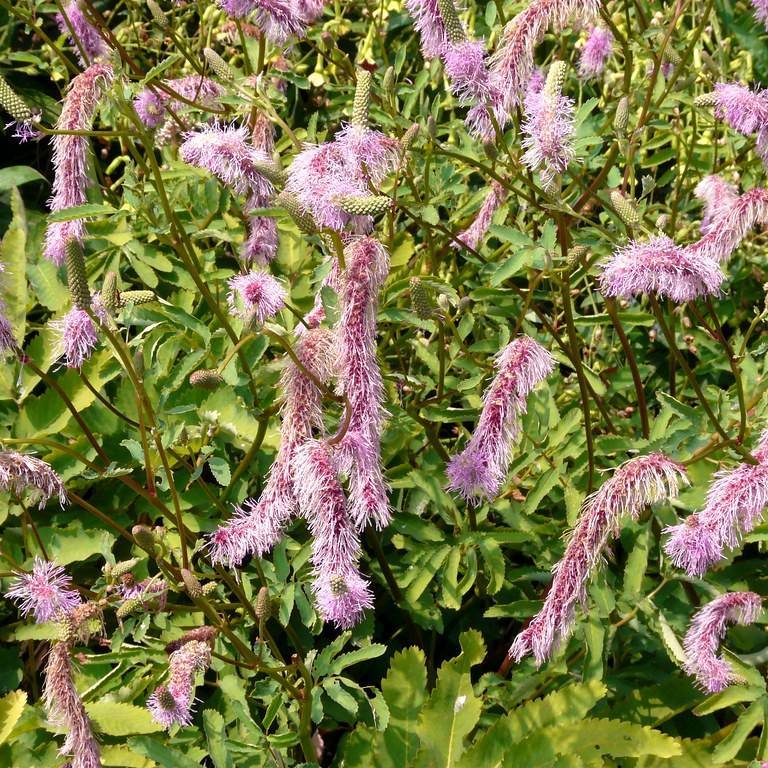
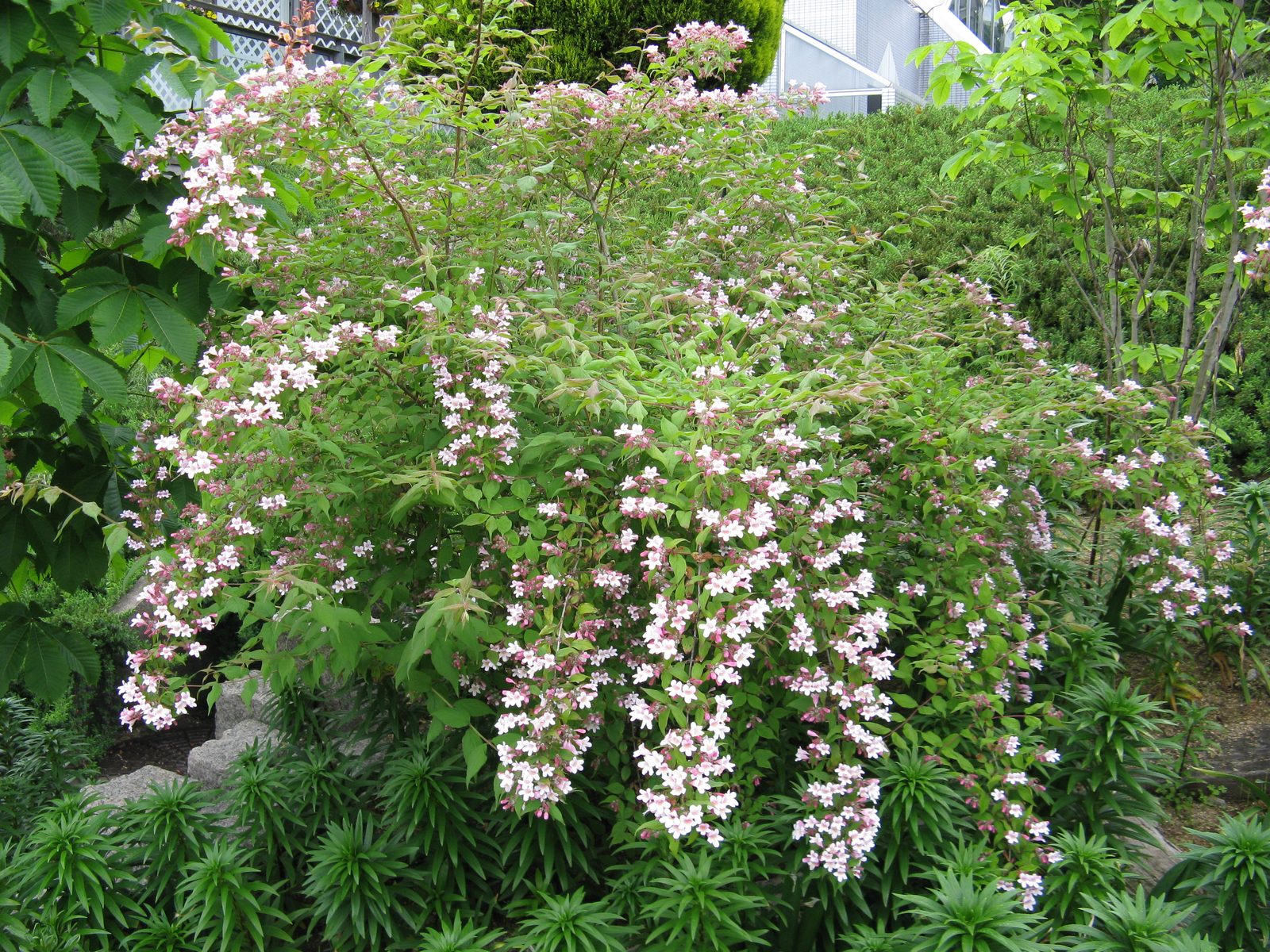
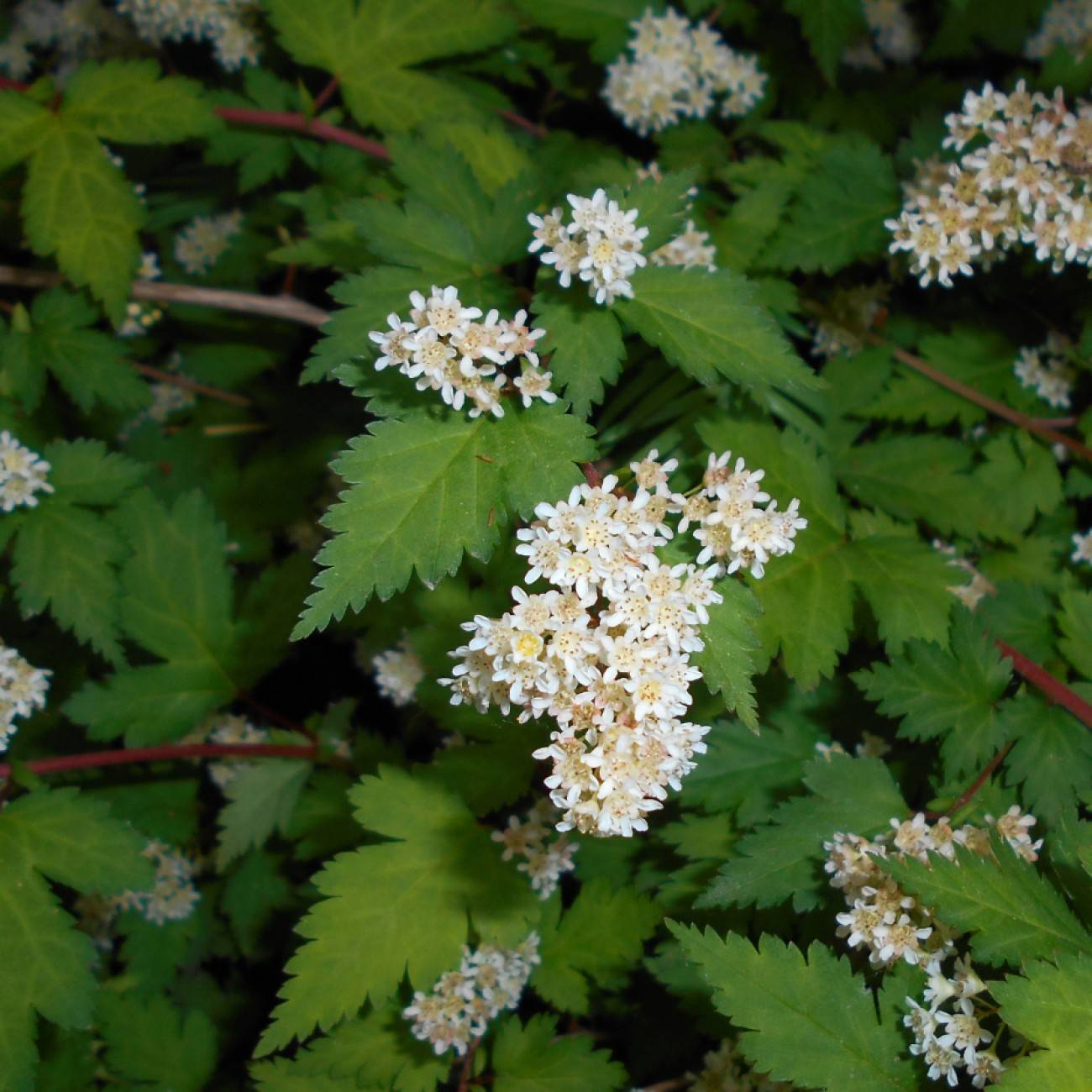
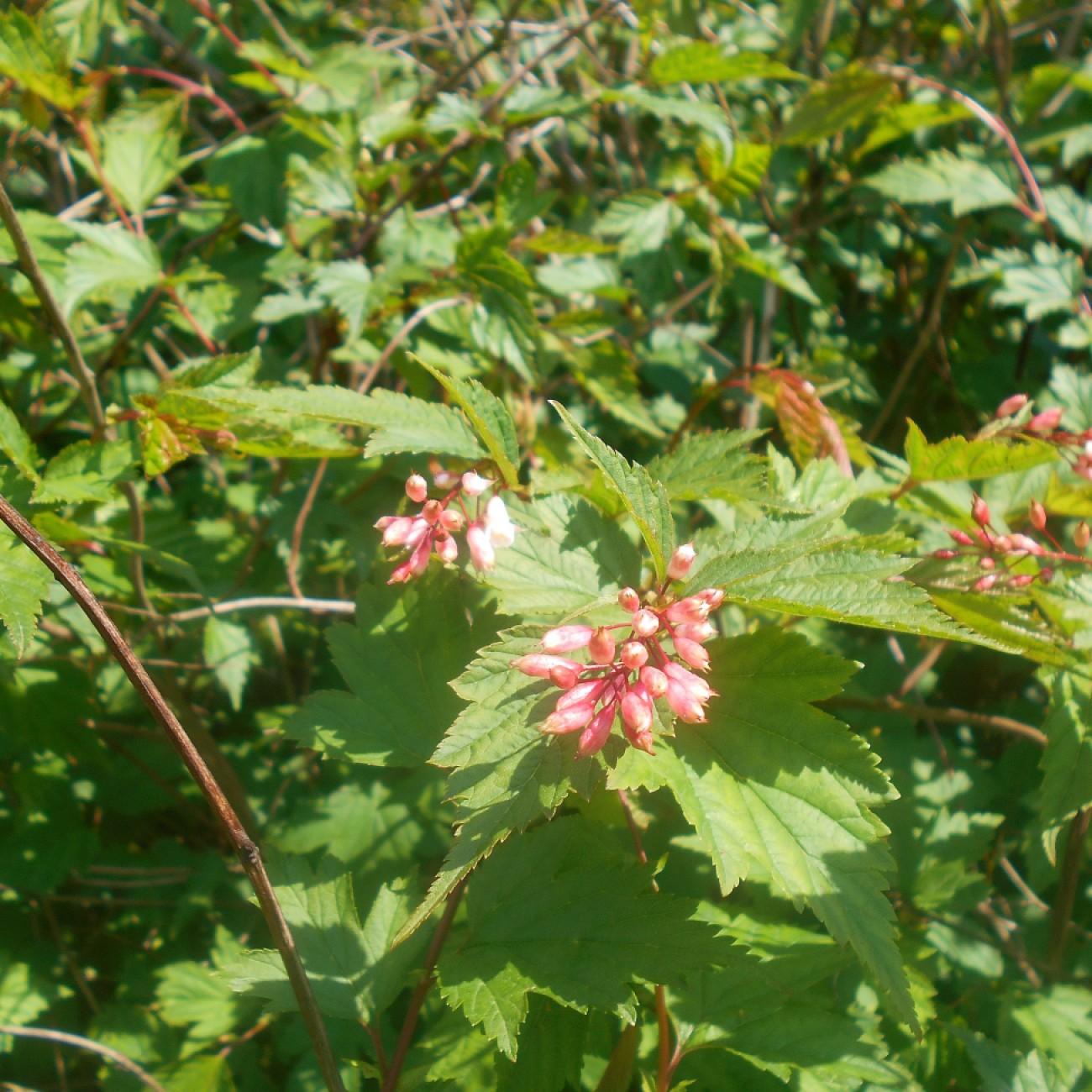
Other plants you might like if you grow Hybrid Rugosa Rose.
%22%2F%3E%0A%20%20%20%20%20%20%3Ccircle%20cx%3D%22920%22%20cy%3D%22180%22%20r%3D%2290%22%20fill%3D%22%23cfe8d5%22%2F%3E%0A%20%20%20%20%20%20%3Cpath%20d%3D%22M600%20590c-90-180-215-255-310-280%200%20165%20118%20296%20270%20296h40z%22%20fill%3D%22%2379b88e%22%2F%3E%0A%20%20%20%20%20%20%3Cpath%20d%3D%22M600%20590c80-150%20198-212%20302-228-8%20142-123%20255-270%20255h-32z%22%20fill%3D%22%235c9f73%22%2F%3E%0A%20%20%20%20%20%20%3Cpath%20d%3D%22M600%20610V360%22%20stroke%3D%22%234f8c64%22%20stroke-width%3D%2218%22%20stroke-linecap%3D%22round%22%2F%3E%0A%20%20%20%20%20%20%3Ctext%20x%3D%22600%22%20y%3D%22700%22%20text-anchor%3D%22middle%22%20font-family%3D%22Arial%2C%20sans-serif%22%20font-size%3D%2244%22%20fill%3D%22%23365c45%22%3E%0A%20%20%20%20%20%20%20%20Plant%20image%20coming%20soon%0A%20%20%20%20%20%20%3C%2Ftext%3E%0A%20%20%20%20%3C%2Fsvg%3E%0A%20%20)