%22%2F%3E%0A%20%20%20%20%20%20%3Ccircle%20cx%3D%22920%22%20cy%3D%22180%22%20r%3D%2290%22%20fill%3D%22%23cfe8d5%22%2F%3E%0A%20%20%20%20%20%20%3Cpath%20d%3D%22M600%20590c-90-180-215-255-310-280%200%20165%20118%20296%20270%20296h40z%22%20fill%3D%22%2379b88e%22%2F%3E%0A%20%20%20%20%20%20%3Cpath%20d%3D%22M600%20590c80-150%20198-212%20302-228-8%20142-123%20255-270%20255h-32z%22%20fill%3D%22%235c9f73%22%2F%3E%0A%20%20%20%20%20%20%3Cpath%20d%3D%22M600%20610V360%22%20stroke%3D%22%234f8c64%22%20stroke-width%3D%2218%22%20stroke-linecap%3D%22round%22%2F%3E%0A%20%20%20%20%20%20%3Ctext%20x%3D%22600%22%20y%3D%22700%22%20text-anchor%3D%22middle%22%20font-family%3D%22Arial%2C%20sans-serif%22%20font-size%3D%2244%22%20fill%3D%22%23365c45%22%3E%0A%20%20%20%20%20%20%20%20Plant%20image%20coming%20soon%0A%20%20%20%20%20%20%3C%2Ftext%3E%0A%20%20%20%20%3C%2Fsvg%3E%0A%20%20)
Floribunda Rose
Rosa 'Floribunda Group'
Overview
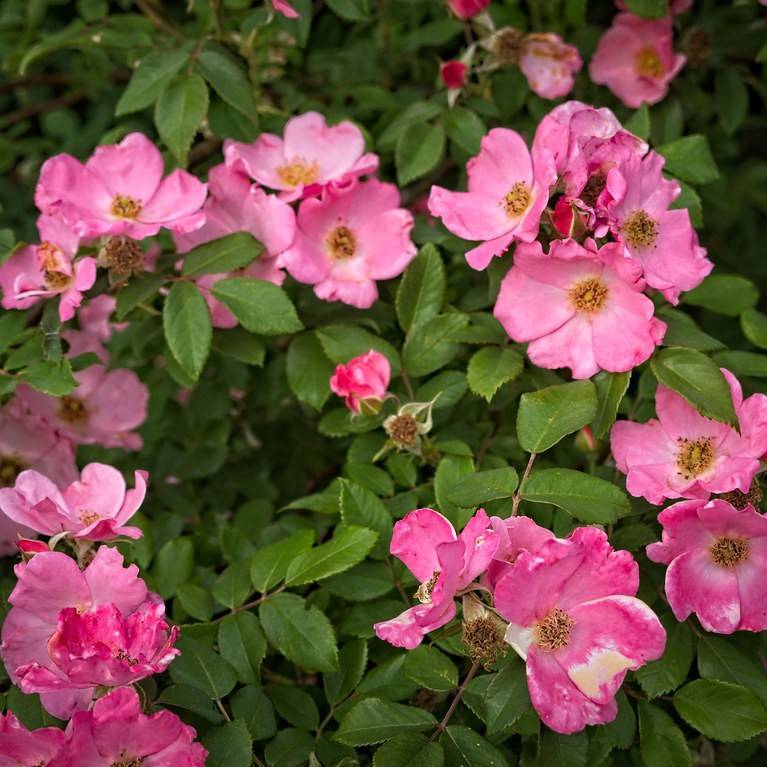
Floribunda roses were developed by crossing hybrid tea roses with polyantha roses, combining the large, showy blooms of hybrid teas with the profuse, continuous flowering habit of polyanthas. They produce tight clusters of 5 to 25 blooms per stem, with a wide range of colors including red, pink, yellow, white, and bicolor varieties, often with light to moderate fragrance. These robust shrubs are among the most popular garden roses globally, valued for their ability to thrive in a range of climates while producing blooms from late spring through the first frost.
Care Guide
Watering
Water deeply once or twice per week, providing 1 to 1.5 inches of moisture weekly to saturate the root zone, and avoid wetting foliage to reduce fungal disease risk. Reduce watering frequency in cool, rainy periods, and ensure the planting site does not hold standing water, which can cause root rot.
Light
Floribunda roses require full sun, meaning a minimum of 6 to 8 hours of direct, unfiltered sunlight per day to produce abundant blooms and maintain strong, disease-resistant growth. Partial shade is tolerated in very hot, arid climates, but will reduce flowering volume and increase vulnerability to fungal pathogens.
Soil
Plant in well-drained, loamy soil with a slightly acidic pH between 6.0 and 6.5, amended with compost or well-rotted manure to improve nutrient content and drainage. Heavy clay soils should be mixed with perlite or coarse sand to prevent waterlogging, while sandy soils benefit from added organic matter to retain moisture and nutrients.
Fertilizer
Feed in early spring just as new growth emerges with a balanced, slow-release rose fertilizer formulated with equal parts nitrogen, phosphorus, and potassium to support foliage and bloom development. Apply a second feeding after the first major flush of blooms in mid-summer, and stop fertilizing 6 to 8 weeks before the first expected frost to avoid encouraging tender new growth that will be damaged by cold.
Temperature
Floribunda roses thrive in average temperatures between 60 and 75°F (15 to 24°C), and are hardy in USDA zones 4 through 9, with some cold-hardy cultivars surviving down to zone 3 with winter protection. Provide 2 to 3 inches of mulch around the base of the plant in late fall to insulate roots in cold climates, and provide afternoon shade in regions where summer temperatures regularly exceed 90°F (32°C) to prevent bloom scorch.
Pruning
Prune in late winter or early spring before new growth breaks, removing dead, diseased, or crossing branches to improve air circulation through the canopy, and cut remaining healthy canes back by one-third to one-half to encourage bushy, bloom-heavy growth. Deadhead spent blooms regularly throughout the flowering season by cutting just above a five-leaflet node to trigger continuous new flower production, and remove any suckers growing from below the graft union to prevent them from sapping energy from the main cultivar.
Propagation
The most reliable method for home gardeners to propagate floribunda roses is via hardwood cuttings taken in late fall or early winter, using 6 to 8 inch long sections of mature, healthy dormant stems planted in a well-drained rooting medium. Softwood cuttings taken from new growth in late spring also root readily, but require consistent moisture and partial shade until established; note that grafted cultivars will not retain their desired characteristics if grown from seed.
Humidity
Floribunda roses prefer moderate humidity levels between 40 and 60 percent, with good air circulation around the foliage to prevent fungal diseases like powdery mildew and black spot. High humidity above 70 percent increases disease risk, especially if foliage stays wet for extended periods, while very low humidity below 30 percent can cause bloom edges to brown and drop prematurely.
Repotting
If grown in containers, repot floribunda roses every 2 to 3 years in early spring before new growth begins, moving to a pot one size larger with fresh, well-drained rose potting mix amended with compost. Trim any circling or rotted roots during repotting to encourage healthy root growth, and ensure the container has multiple drainage holes to prevent waterlogging. Container-grown roses may require more frequent repotting if they become root-bound, indicated by roots growing out of the drainage holes or stunted growth.
Uses & Symbolism
Floribunda roses are extremely popular for garden landscaping, used in mass border plantings, hedges, foundation plantings, and container displays to provide long-lasting, vibrant color through the growing season. Many cultivars are suitable for cut flower arrangements, with sturdy stems and clusters of blooms that last well in vases, while the ripe hips produced in fall are edible and can be used to make jams, jellies, teas, and herbal remedies. They are also planted in public gardens and roadside plantings for their low maintenance requirements and high tolerance for urban pollution.
Diseases & Pests
The most common diseases affecting floribunda roses are black spot, a fungal infection that causes dark, circular lesions on foliage leading to leaf drop, and powdery mildew, which forms a white, powdery coating on leaves and buds in humid, poorly ventilated conditions. Common pests include aphids, which cluster on new growth and suck sap, spider mites that cause stippled, yellowed foliage in hot, dry conditions, and Japanese beetles that chew holes in leaves and blooms. Most issues can be prevented by providing full sun, good air circulation, avoiding overhead watering, and applying organic or synthetic fungicides and insecticides as needed at the first sign of infestation.
Related plants
Other plants you might like if you grow Floribunda Rose.