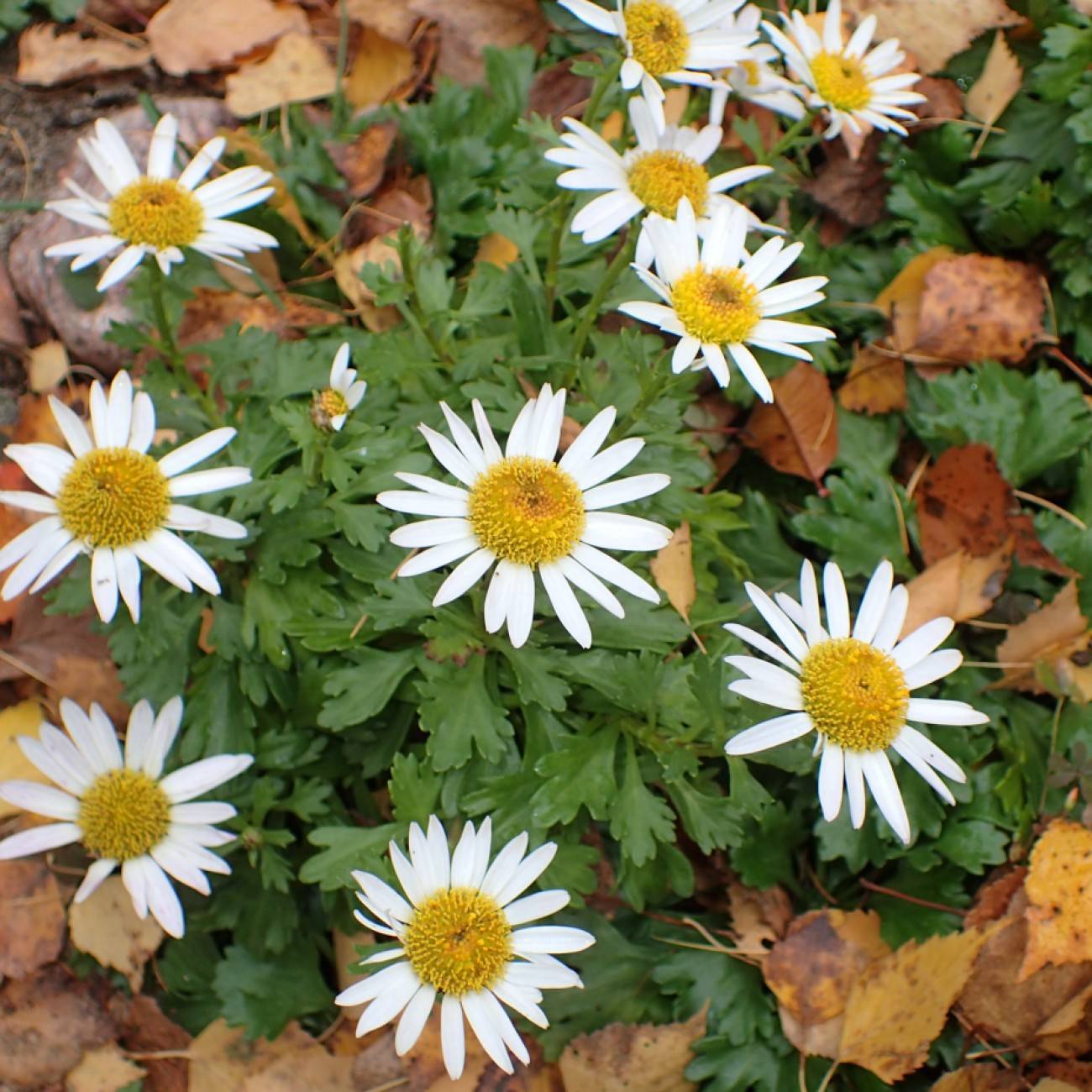
Arctic Daisy
Arctanthemum arcticum (syn. Chrysanthemum arcticum)
Overview
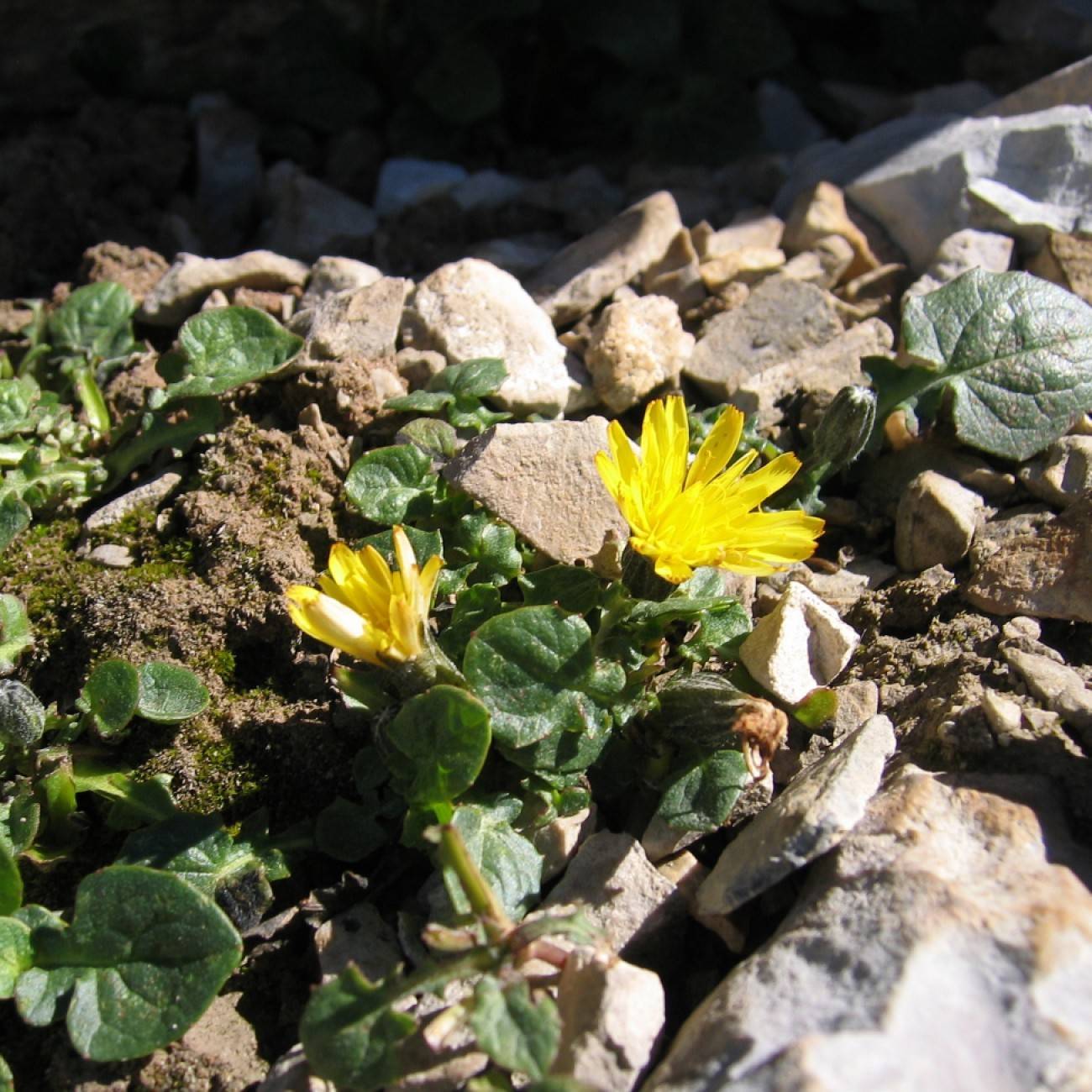
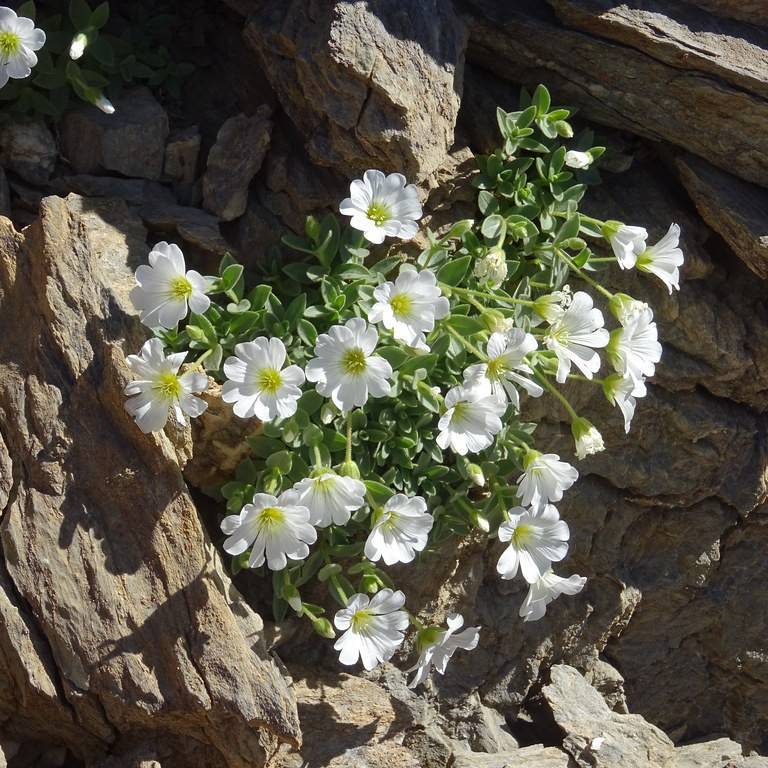
Arctic Daisy is a compact, mat-forming perennial evolved to survive frigid Arctic temperatures, strong winds, and short growing seasons. It produces cheerful, daisy-like blooms from mid to late summer, with crisp white petals surrounding bright golden central discs that attract native pollinators in its native range. Its low, spreading habit and thick, slightly fleshy foliage help it conserve heat and resist damage from cold, dry winds, making it well suited for rock gardens, alpine beds, and cool coastal landscapes in temperate regions.
Care Guide
Watering
Arctic Daisy prefers consistently moist but well-drained soil, and is tolerant of occasional drought once established; avoid overwatering, especially in winter, as soggy soil will cause root rot. In its native tundra habitat, it receives moisture from melting snow and regular light summer rainfall, so replicate this with moderate, regular watering during active growth, reducing frequency in fall and winter. Potted specimens should be watered only when the top 1-2 inches of soil feel dry to the touch.
Light
This species thrives in full sun, requiring at least 6 hours of direct sunlight daily to produce abundant blooms and maintain a compact growth habit. It can tolerate light partial shade, especially in regions with very warm summer temperatures, but excessive shade will lead to leggy growth and reduced flowering. In cooler northern climates, unobstructed full sun is ideal for optimal performance.
Soil
Arctic Daisy requires sharply drained, sandy or gravelly soil with a neutral to slightly alkaline pH, mimicking the rocky tundra and coastal bluffs of its native habitat. It is tolerant of poor, low-nutrient soils, and will not perform well in heavy, water-retentive clay soils that stay wet for extended periods. Adding coarse sand, grit, or crushed stone to planting beds or potting mixes will improve drainage to meet its needs.
Fertilizer
This low-growing wildflower is adapted to low-nutrient tundra soils, so it requires very little supplemental fertilization to thrive. A single, light application of balanced, slow-release fertilizer in early spring is sufficient for the entire growing season; avoid over-fertilizing, as this will cause soft, leggy growth that is prone to damage and reduced flowering. Potted specimens can be fed once annually in spring with a half-strength balanced liquid fertilizer if growth appears stunted.
Temperature
Arctic Daisy is extremely cold hardy, surviving winter temperatures as low as -40°F (-40°C) in USDA hardiness zones 1 through 7. It prefers cool summer temperatures between 50-70°F (10-21°C), and will struggle in regions with prolonged, hot, humid summer weather above 80°F (27°C), which can cause foliage decline and reduced blooming. It requires a period of cold winter dormancy to regrow vigorously the following spring, so it is not suitable for warm, frost-free climates.
Pruning
Pruning requirements are minimal for Arctic Daisy; spent flowers can be deadheaded throughout the blooming season to encourage additional flower production and maintain a tidy appearance. In late fall after foliage dies back, cut back the entire plant to just above ground level to remove dead growth and prevent fungal disease from overwintering in plant debris. No regular shaping pruning is needed, as the plant naturally maintains a compact, low mat-like form.
Propagation
Arctic Daisy is most commonly propagated by seed sown directly outdoors in fall, or started indoors 8-10 weeks before the last spring frost; seeds require a 30-60 day period of cold stratification to break dormancy and germinate successfully. It can also be propagated by division in early spring, just as new growth emerges, by carefully separating the mat-forming root clumps into smaller sections and replanting them immediately in prepared soil. Cuttings taken from young, non-flowering stems in early summer can also root successfully in well-drained, sandy propagation medium.
Humidity
This species prefers low to moderate humidity levels between 30-50%, matching the dry, windy conditions of its native Arctic habitat. It is intolerant of high humidity, especially when combined with warm temperatures, which can lead to fungal leaf spot and root rot. Ensure good air circulation around plants to reduce excess moisture on foliage, particularly in more humid temperate regions.
Repotting
Potted Arctic Daisy specimens only need repotting every 3-4 years, when they outgrow their current container and root growth begins to emerge from the drainage holes. Repot in early spring just before new growth starts, using a sharply draining potting mix amended with coarse sand or grit, and select a container only 1-2 inches larger than the previous one to avoid excess soil that retains too much moisture. After repotting, water lightly and place in a sunny location to encourage new root establishment.
Uses & Symbolism
Arctic Daisy is a popular choice for alpine gardens, rock gardens, coastal landscapes, and ground cover in cool northern regions, where its low habit and cheerful summer blooms add visual interest to otherwise sparse plantings. It is also used in habitat restoration projects in Arctic and subarctic regions to stabilize soil and provide forage for native pollinators, including bumblebees and small solitary bees. Traditionally, Indigenous Arctic peoples used parts of the plant topically to soothe minor skin irritations, though it has no widespread modern culinary or medicinal use.
Diseases & Pests
Arctic Daisy is relatively pest and disease resistant when grown in its preferred cool, well-drained conditions, but it can develop root rot and fungal leaf spot if planted in poorly drained soil or exposed to prolonged high humidity and warm temperatures. Aphids and spider mites may occasionally infest stressed plants, especially potted specimens grown indoors or in sheltered locations, and can be controlled with insecticidal soap or neem oil applications. Slugs and snails may feed on young foliage in damp, shaded locations, so use organic slug baits or copper barriers to protect plants in affected areas.
Related plants
Other plants you might like if you grow Arctic Daisy.