Alpine Pussytoes
Antennaria alpina
Overview
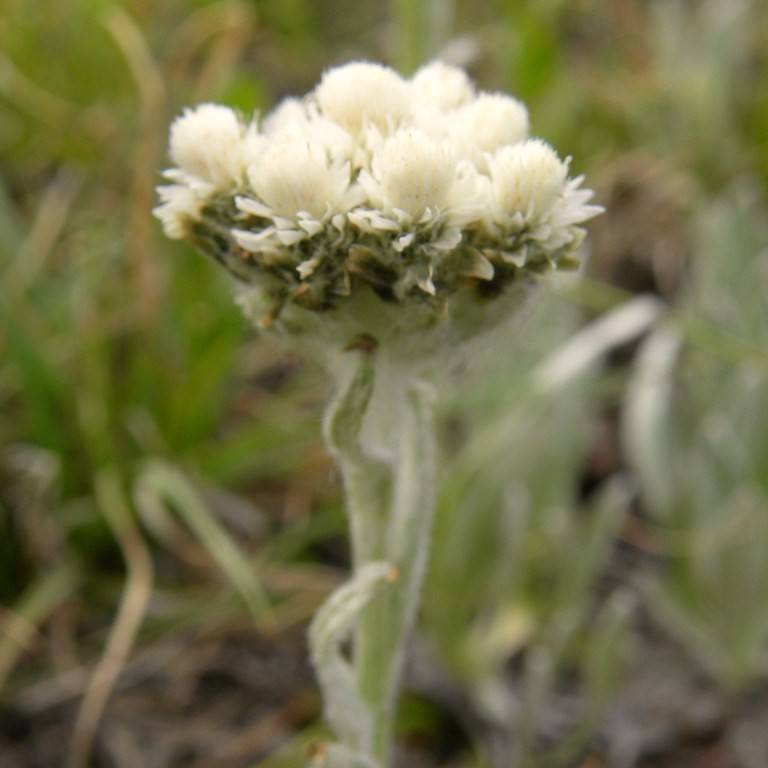
Alpine pussytoes is a hardy, ground-hugging perennial adapted to high-altitude and cold climate ecosystems, where it spreads via creeping rhizomes to form dense, silvery-gray mats of woolly, oval leaves. Its name derives from its compact, soft white flower heads that resemble the padded paws of a cat, blooming in late spring to early summer above low foliage stalks. This drought-tolerant, low-maintenance species is a popular choice for rock gardens, alpine troughs, and xeriscaped areas, where it provides gentle textural contrast and supports native pollinators like small bees and butterflies.
Care Guide
Watering
Alpine pussytoes is highly drought-tolerant once established, requiring only occasional deep watering during extended periods of hot, dry weather; overwatering is the most common cause of decline, as it causes root rot in poorly drained sites. Water newly planted specimens regularly for the first 1-2 months to help roots establish, then reduce frequency to only when the top 2-3 inches of soil are completely dry. Avoid overhead watering if possible, as the fuzzy foliage can trap moisture and increase risk of foliar fungal issues in humid conditions.
Light
This species thrives in full, direct sun, requiring a minimum of 6 hours of unobstructed sunlight daily to maintain its compact growth habit and abundant flowering. It can tolerate very light, dappled shade, but too much shade will cause the mats to become leggy, sparse, and less likely to produce flower clusters. In regions with extremely intense midday summer sun, it will benefit from minimal afternoon shade to prevent foliage scorch, though this is rarely necessary in its preferred cool, alpine or temperate growing zones.
Soil
Alpine pussytoes requires sharply drained, low-fertility soil with a neutral to slightly alkaline pH, similar to the rocky, gravelly soils of its native mountain habitats. It tolerates poor, sandy, or stony soils extremely well, and will suffer in rich, heavy, or clay soils that hold moisture for extended periods after rainfall or watering. For container or trough planting, use a well-draining cactus or alpine mix amended with extra perlite or coarse gravel to improve drainage and reduce nutrient content.
Fertilizer
This species is adapted to low-nutrient alpine soils, so it requires very little, if any, supplemental fertilizer to thrive. Over-fertilization will cause leggy, weak growth, reduce flowering, and make the plant more susceptible to pest and disease issues. If planted in very poor soil, a single light application of balanced, slow-release fertilizer in early spring, at half the recommended strength, is sufficient to support healthy growth for the entire growing season.
Temperature
Alpine pussytoes is exceptionally cold-hardy, tolerating winter temperatures as low as -40°F (-40°C) in USDA hardiness zones 3 through 7, and thriving in cool summer conditions typical of high-altitude regions. It struggles in hot, humid summer climates above zone 7, where prolonged temperatures above 85°F (29°C) can cause foliage decline and root rot if paired with excess moisture. In regions with warm winters, it may fail to thrive without a period of cold winter dormancy to reset its growth cycle.
Pruning
Pruning requirements for alpine pussytoes are minimal; spent flower stalks can be trimmed back to the base of the foliage mat after blooming to maintain a neat, compact appearance, though this is not strictly necessary for plant health. If the mat begins to spread beyond its desired growing area, you can trim back the edges of the rhizomatous growth in early spring to keep it contained. Every 3-4 years, thinning out overcrowded patches of growth will improve air circulation and reduce risk of fungal disease, especially in more humid growing zones.
Propagation
Alpine pussytoes is most easily propagated by division in early spring, just as new growth begins to emerge: simply dig up sections of the established mat, separate into smaller clumps with intact roots, and replant in well-drained soil at the same depth they were growing originally. It can also be grown from seed sown directly outdoors in late fall, as the seeds require a period of cold stratification over winter to germinate successfully in spring. Stem cuttings taken from new growth in late spring can also root readily in well-drained, sandy medium kept lightly moist until roots develop, usually within 3-4 weeks.
Humidity
This species prefers low to moderate humidity levels, matching the dry air of its native alpine and arctic habitats, and tolerates very dry air extremely well. High humidity, especially when paired with warm temperatures and poor air circulation, can increase the risk of foliar fungal diseases and root rot, so it is important to space plants appropriately to allow airflow around the foliage mats. If grown indoors as a potted alpine specimen, avoid placing it in humid areas like bathrooms, and ensure the growing area has consistent air movement.
Repotting
When grown in containers or alpine troughs, alpine pussytoes only needs repotting every 3-4 years, or when it has fully outgrown its current container and rhizomes begin to emerge from the drainage holes. Repot in early spring, using a sharply drained, low-fertility alpine potting mix, and select a container only 1-2 inches larger than the previous one to avoid excess soil moisture buildup around the roots. After repotting, water lightly and place in a sunny location, avoiding fertilization for the first 3 months to allow roots to establish in the new medium.
Uses & Symbolism
Alpine pussytoes is a popular ornamental ground cover for rock gardens, alpine troughs, xeriscaped beds, and green roof systems, where its low, silvery mats provide year-round textural contrast and require very little maintenance. It is also used in native plant gardens and pollinator habitats to support small native bees, butterflies, and beneficial insect species adapted to cold, high-altitude ecosystems. Historically, some Indigenous communities of North America used the soft, fuzzy foliage as a natural padding or absorbent material for bandages and shoe liners.
Diseases & Pests
Alpine pussytoes is highly resistant to most pests and diseases when grown in its preferred well-drained, sunny conditions, with root rot caused by overwatering or heavy soil being the most common issue. In high-humidity environments or if planted too densely, it may occasionally develop powdery mildew or foliar fungal spots, which can be managed by improving air circulation, reducing overhead watering, and removing affected foliage as needed. Aphids and spider mites may infest stressed specimens, especially those grown in overly warm or shaded conditions, and can be controlled with insecticidal soap or a strong spray of water to dislodge the pests.
Related plants
Other plants you might like if you grow Alpine Pussytoes.