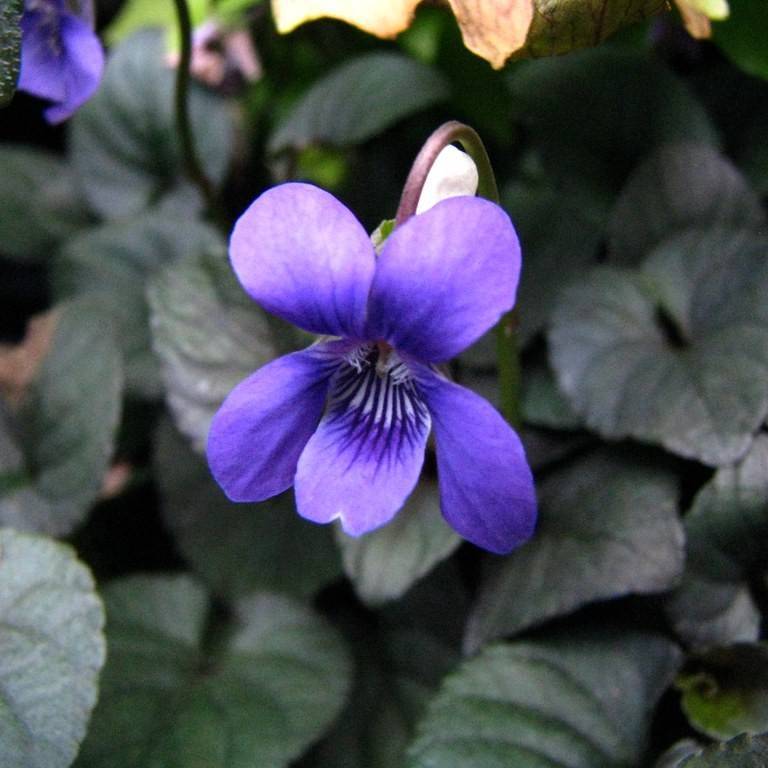
Labrador Violet
Viola labradorica
Overview
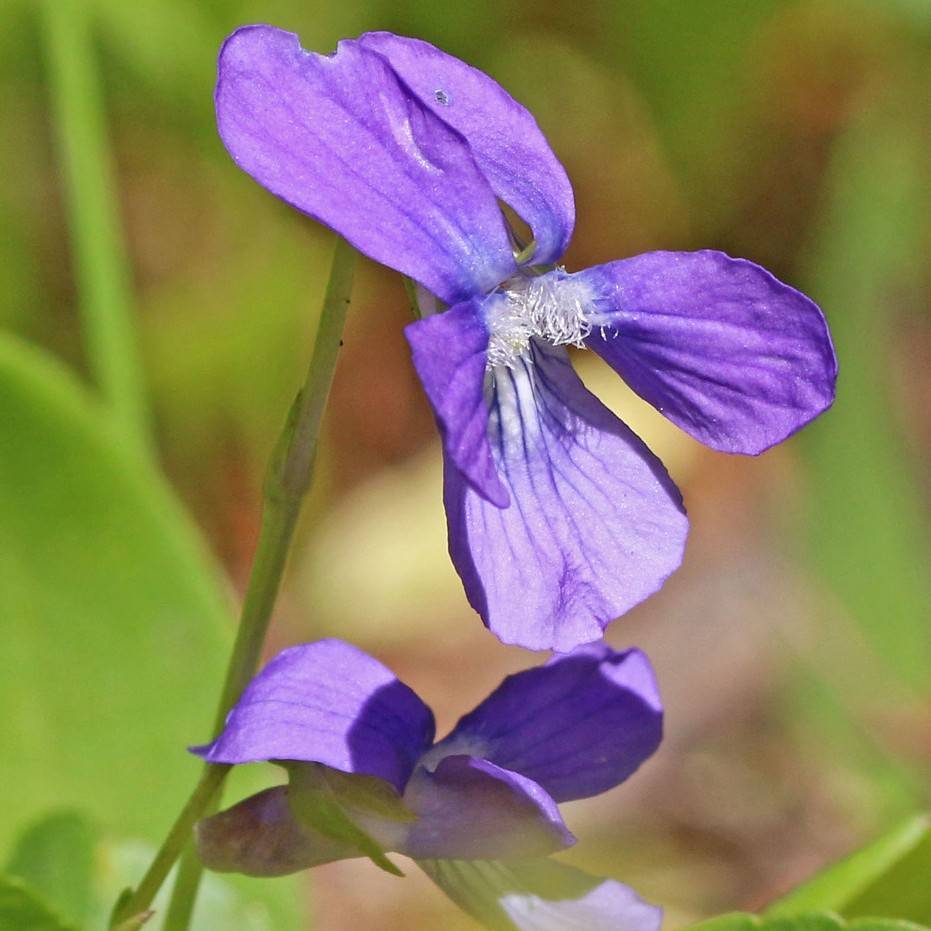
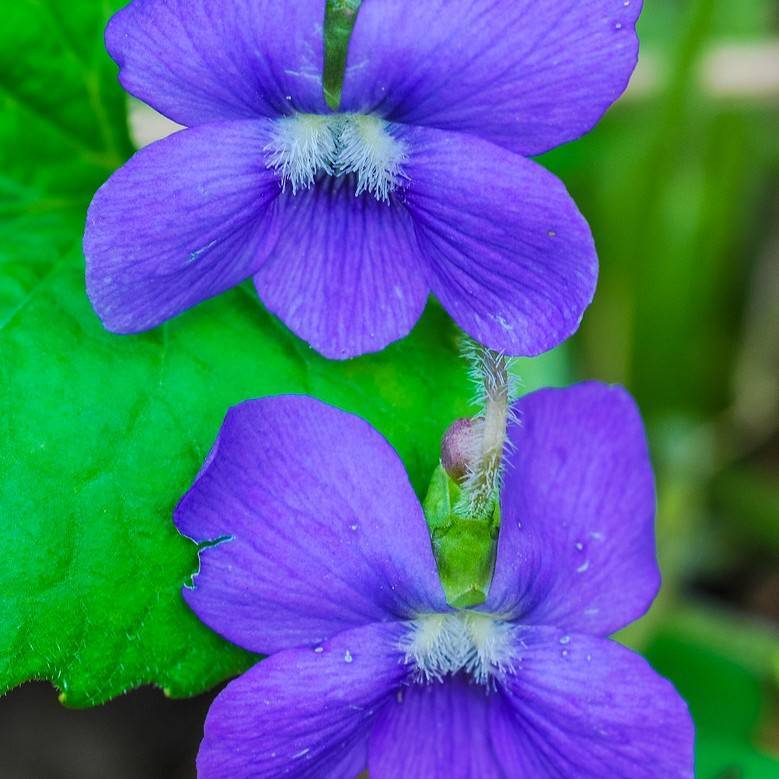
Labrador violet is a compact, mat-forming wild violet native to cool, northern boreal and alpine regions. It produces small, rounded, deep green leaves often blushed with purple, which retain their color through most of the growing season. Delicate, five-petaled lavender blooms appear in early spring, occasionally reblooming lightly in fall. It spreads slowly via short rhizomes, forming dense, weed-suppressing ground cover without becoming invasive.
Care Guide
Watering
Keep soil consistently moist but not waterlogged, as Labrador violet does not tolerate prolonged dry conditions. Water deeply when the top 1 inch of soil feels dry, reducing frequency in winter when growth slows. Avoid overhead watering to minimize leaf spot issues.
Light
Thrives in partial to full shade, making it well suited for woodland gardens or shaded border edges. It can tolerate limited morning sun, but intense afternoon sun will scorch leaves and cause wilting in warm climates. In cooler northern regions, it may grow well in dappled full sun.
Soil
Prefers rich, well-draining, humus-amended soil with a slightly acidic to neutral pH between 5.5 and 7.0. It adapts to rocky or sandy soils as long as organic matter is incorporated to retain moisture. Heavy clay soils should be amended with compost to improve drainage and prevent root rot.
Fertilizer
Feed lightly in early spring with a balanced, slow-release granular fertilizer or diluted liquid all-purpose fertilizer. Excess nitrogen will encourage lush foliage growth at the expense of blooms, so avoid overfertilizing. Established plants often do not require additional feeding if grown in nutrient-rich, organic soil.
Temperature
Highly cold hardy, surviving temperatures as low as -40°F (-40°C) in USDA hardiness zones 2 through 8. It prefers cool summer temperatures between 55 and 70°F (13 to 21°C), and may go dormant temporarily during prolonged heat above 80°F (27°C). Winter protection is not needed in its adapted growing zones.
Pruning
Deadhead spent flowers after the spring bloom to encourage a tidier appearance and potential fall reblooming. Trim back any damaged or yellowed foliage in early spring before new growth emerges to keep the mat dense and healthy. If the plant spreads beyond its desired space, simply dig up and remove excess rhizome sections in early spring or fall.
Propagation
Easiest propagated by division in early spring or fall, when mature clumps can be carefully separated into smaller sections with attached roots and replanted immediately. It can also be grown from fresh seed sown outdoors in fall, as seeds require a period of cold stratification to germinate. Self-seeding is common in ideal growing conditions, producing easy-to-transplant volunteer seedlings.
Humidity
Adaptable to average outdoor humidity levels between 40 and 70%, thriving naturally in the moderate humidity of cool woodland and alpine environments. It does not tolerate extremely dry, arid conditions, so supplemental misting or mulching may be needed in very dry climates to maintain soil moisture. High humidity combined with poor air circulation can increase risk of fungal leaf diseases.
Repotting
When grown in containers, repot every 2 to 3 years in early spring, using a fresh, peat-free potting mix amended with compost. Choose a wide, shallow container to accommodate its spreading rhizomatous growth habit, with drainage holes to prevent waterlogging. Rootbound plants will show slowed growth and reduced blooming, indicating it is time to repot or divide.
Uses & Symbolism
Labrador violet is primarily used as a low-growing ground cover for shaded rock gardens, woodland borders, and underplanting around larger shrubs and trees. Its edible flowers and leaves can be added to salads, used as a garnish, or infused into syrups and teas, offering a mild, sweet, slightly grassy flavor. It is also planted in pollinator gardens to support early spring bees and small native butterflies.
Diseases & Pests
Labrador violet is relatively pest and disease resistant, but may develop fungal leaf spot or powdery mildew in conditions of high humidity and poor air circulation. Aphids and slugs may occasionally feed on young foliage and tender blooms, especially in cool, damp growing conditions. Root rot can occur if plants are grown in heavy, poorly draining soil that stays saturated for extended periods.
Related plants
Other plants you might like if you grow Labrador Violet.