Koehne Holly
Ilex koehneana
Overview
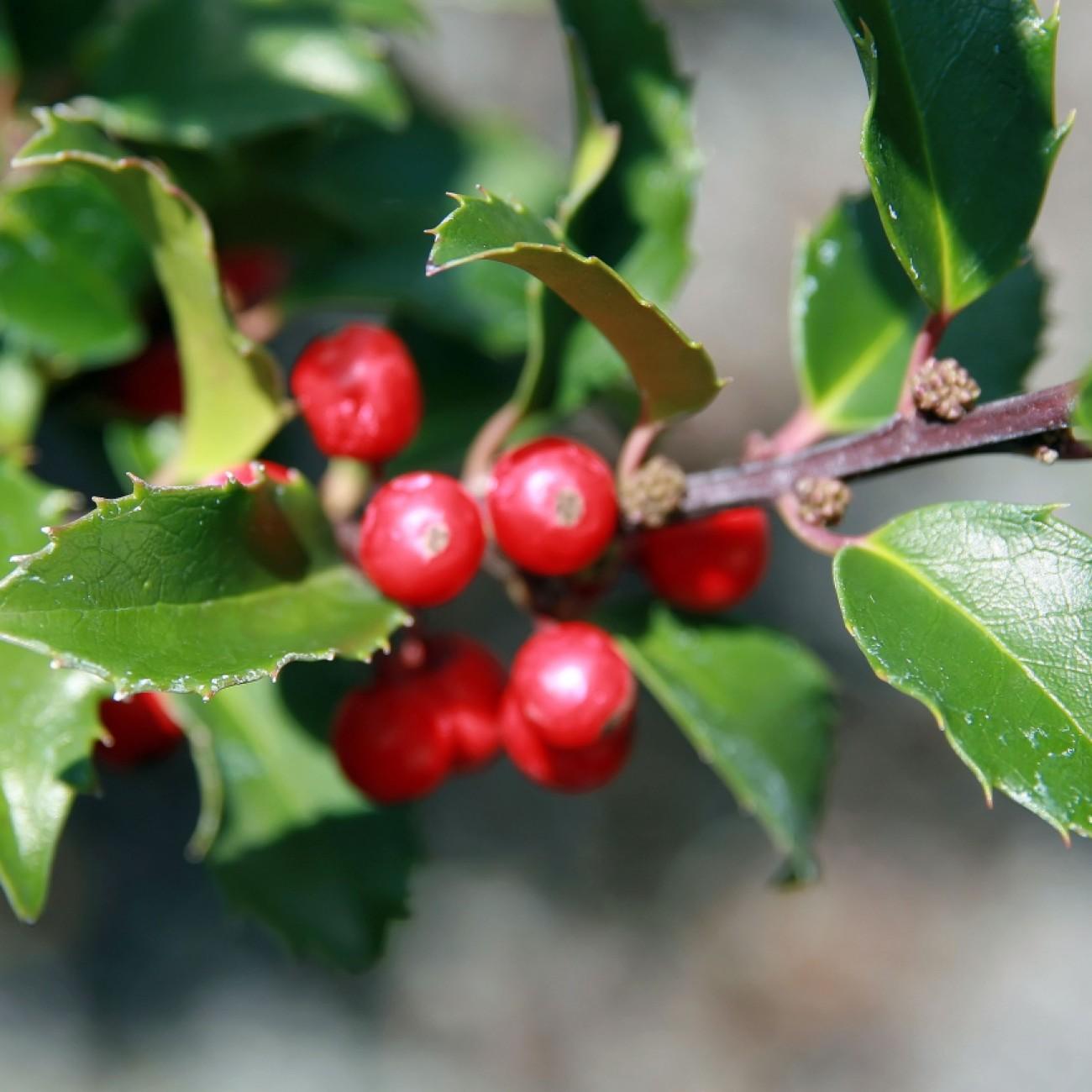
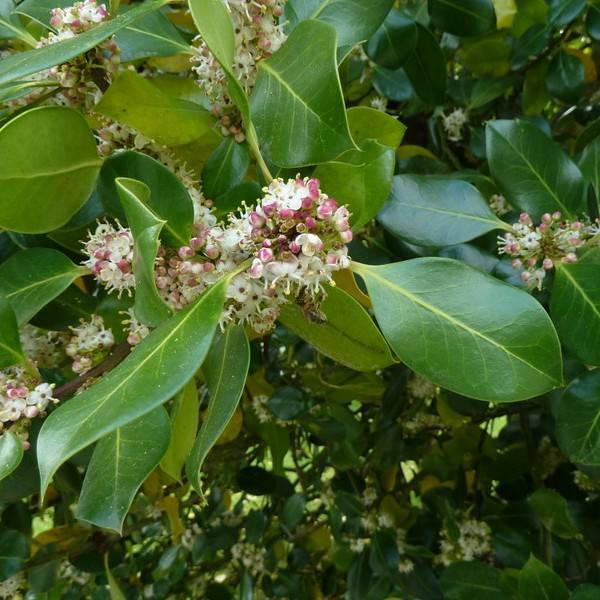
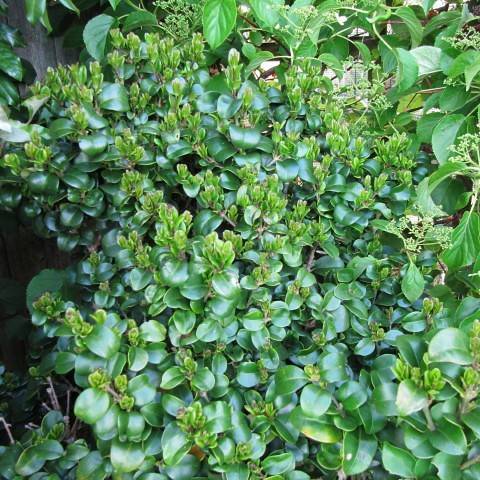
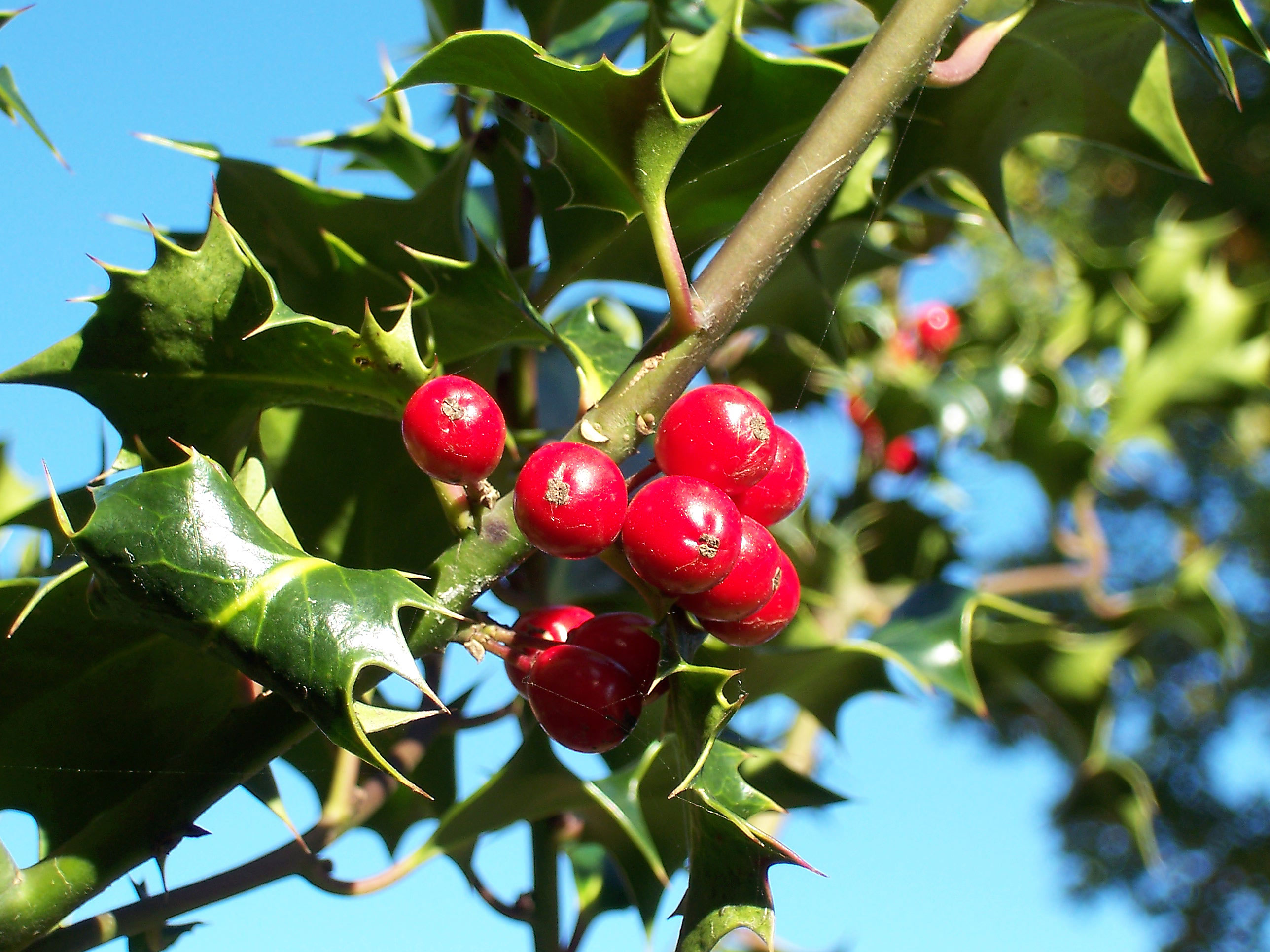
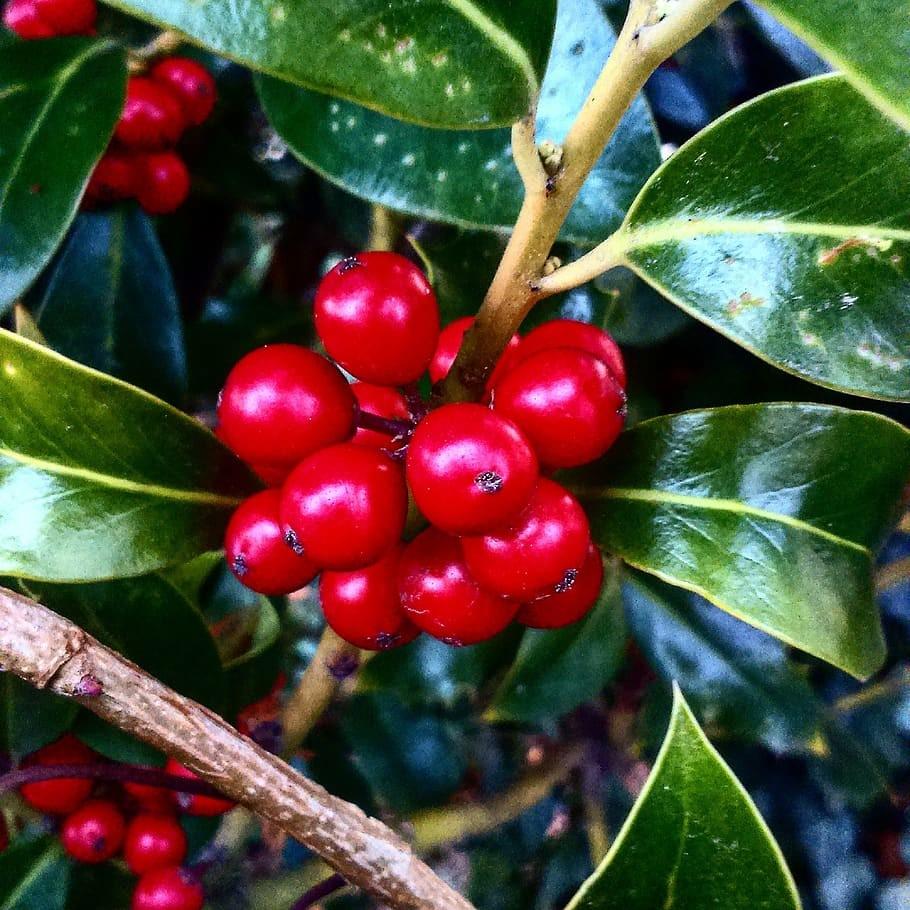
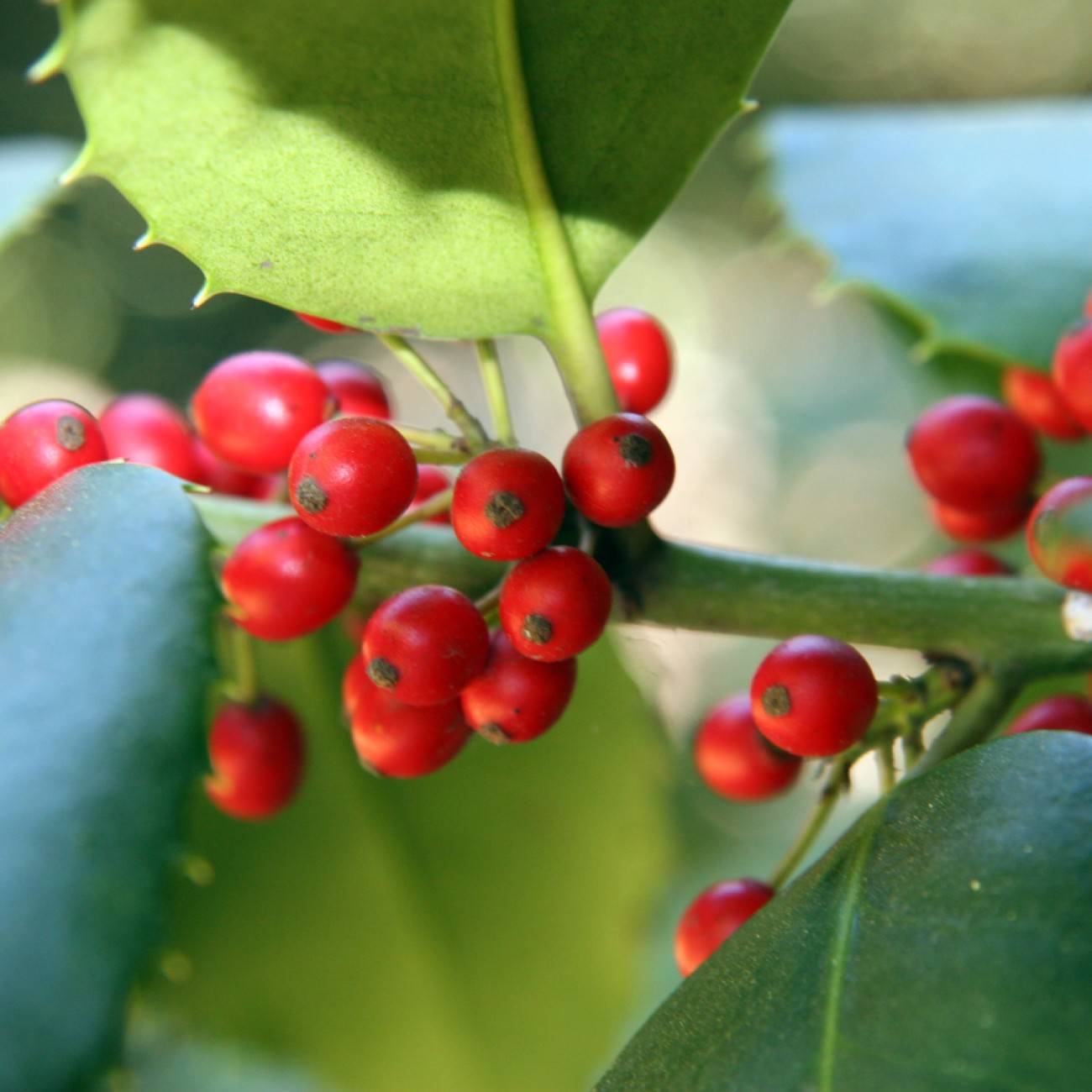
Koehne Holly is a cold-hardy evergreen shrub native to mountainous regions of central and western China, introduced to Western horticulture in the early 20th century. It features glossy, dark green leaves with sharp marginal spines, and female plants produce abundant clusters of small, bright red berries that persist through winter, providing critical food for native bird species. Its dense, upright growth habit and tolerance for heavy pruning make it a popular choice for formal hedges, windbreaks, and specimen plantings in temperate landscapes.
Care Guide
Watering
Water newly planted Koehne Holly regularly for the first 1-2 years to establish a deep root system, keeping the soil consistently moist but not waterlogged. Once established, it is moderately drought-tolerant, requiring supplemental watering only during extended periods of hot, dry weather to prevent leaf drop. Avoid overwatering, as saturated soil can lead to root rot, especially in heavy clay soils.
Light
Koehne Holly thrives in full sun to partial shade, with full sun exposure encouraging the densest foliage growth and heaviest berry production on female plants. It can tolerate full shade, though growth will be sparser and berry yields will be significantly reduced. In regions with extremely hot, intense summer sun, light afternoon shade can prevent leaf scorch on young plants.
Soil
This holly prefers well-drained, acidic to slightly acidic soil with a pH between 5.0 and 6.5, though it can adapt to neutral soils if amended with organic matter. It tolerates a wide range of soil textures, including loam, sandy loam, and clay loam, as long as drainage is adequate. Add compost, peat moss, or pine bark to heavy or alkaline soils to improve drainage and lower pH before planting.
Fertilizer
Fertilize Koehne Holly in early spring before new growth emerges using a slow-release, balanced fertilizer formulated for acid-loving evergreens, such as a 10-10-10 or azalea/camellia blend. Avoid fertilizing after mid-summer, as this can stimulate tender new growth that is vulnerable to damage from late fall or winter frost. A 2-3 inch layer of pine straw or wood chip mulch applied around the root zone each year will slowly release nutrients and maintain consistent soil acidity.
Temperature
Koehne Holly is cold-hardy in USDA zones 5 through 8, tolerating winter temperatures as low as -20°F (-29°C) without significant damage once established. It prefers moderate summer temperatures between 60°F and 80°F (15°C to 27°C), though it can tolerate short periods of heat above 90°F (32°C) if provided with adequate moisture. Young plants should be protected from harsh, drying winter winds to prevent leaf desiccation and browning.
Pruning
Prune Koehne Holly in late winter or early spring before new growth appears to shape the plant, remove dead or damaged branches, and maintain the desired size for hedges or specimen plantings. It tolerates heavy pruning exceptionally well, so you can cut back overgrown plants significantly without causing long-term harm. Avoid pruning in fall, as fresh cuts will not heal fully before winter, increasing the risk of frost damage to exposed tissue.
Propagation
Koehne Holly is most commonly propagated from semi-hardwood cuttings taken in late summer or early fall, using cuttings 4-6 inches long with mature, firm current-year growth. Dip the cut end in rooting hormone powder to encourage root development, then plant in a well-drained, sterile potting mix and keep under high humidity with indirect light for 8-12 weeks until roots form. It can also be grown from seed, though seeds require 12-18 months of cold stratification to germinate, and seedlings will not retain the exact characteristics of the parent plant.
Humidity
Koehne Holly adapts well to a wide range of humidity levels, thriving in the moderate humidity typical of its native mountain habitats and most temperate growing regions. It can tolerate low humidity levels common in urban or indoor environments if grown as a container plant, as long as it is watered appropriately. Extremely high humidity combined with poor air circulation can increase the risk of fungal leaf spot diseases, so space plants appropriately to allow for adequate airflow.
Repotting
If grown in a container, repot Koehne Holly every 2-3 years in early spring before new growth begins, using a slightly larger pot with drainage holes and an acidic, well-drained potting mix formulated for evergreens. Gently loosen the root ball before repotting to encourage new root growth into the fresh soil, and water thoroughly after repotting to settle the medium around the roots. For mature container plants that have reached their desired size, refresh the top 2-3 inches of potting mix annually instead of repotting to provide fresh nutrients without disturbing the root system.
Uses & Symbolism
Koehne Holly is widely planted as an ornamental landscape shrub, used for formal hedges, privacy screens, windbreaks, and standalone specimen plantings due to its dense evergreen foliage and year-round visual interest. The persistent bright red berries and dark green foliage are popular for cut holiday arrangements and winter decorative displays, adding color to seasonal decor. Its dense growth habit also provides excellent shelter and food for native songbirds, supporting local wildlife populations during the cold winter months.
Diseases & Pests
Koehne Holly is relatively pest and disease resistant, but can be susceptible to leaf spot fungi, tar spot, and powdery mildew in conditions of high humidity and poor air circulation, which cause unsightly blemishes on foliage but rarely threaten the plant’s long-term health. Common pests include scale insects, spider mites, and holly leaf miners, which feed on leaf tissue and can cause yellowing, stippling, or premature leaf drop if infestations are severe. Root rot can occur in poorly drained or overwatered soils, leading to wilting, yellowed foliage, and eventual plant death if drainage issues are not corrected promptly.
Related plants
Other plants you might like if you grow Koehne Holly.