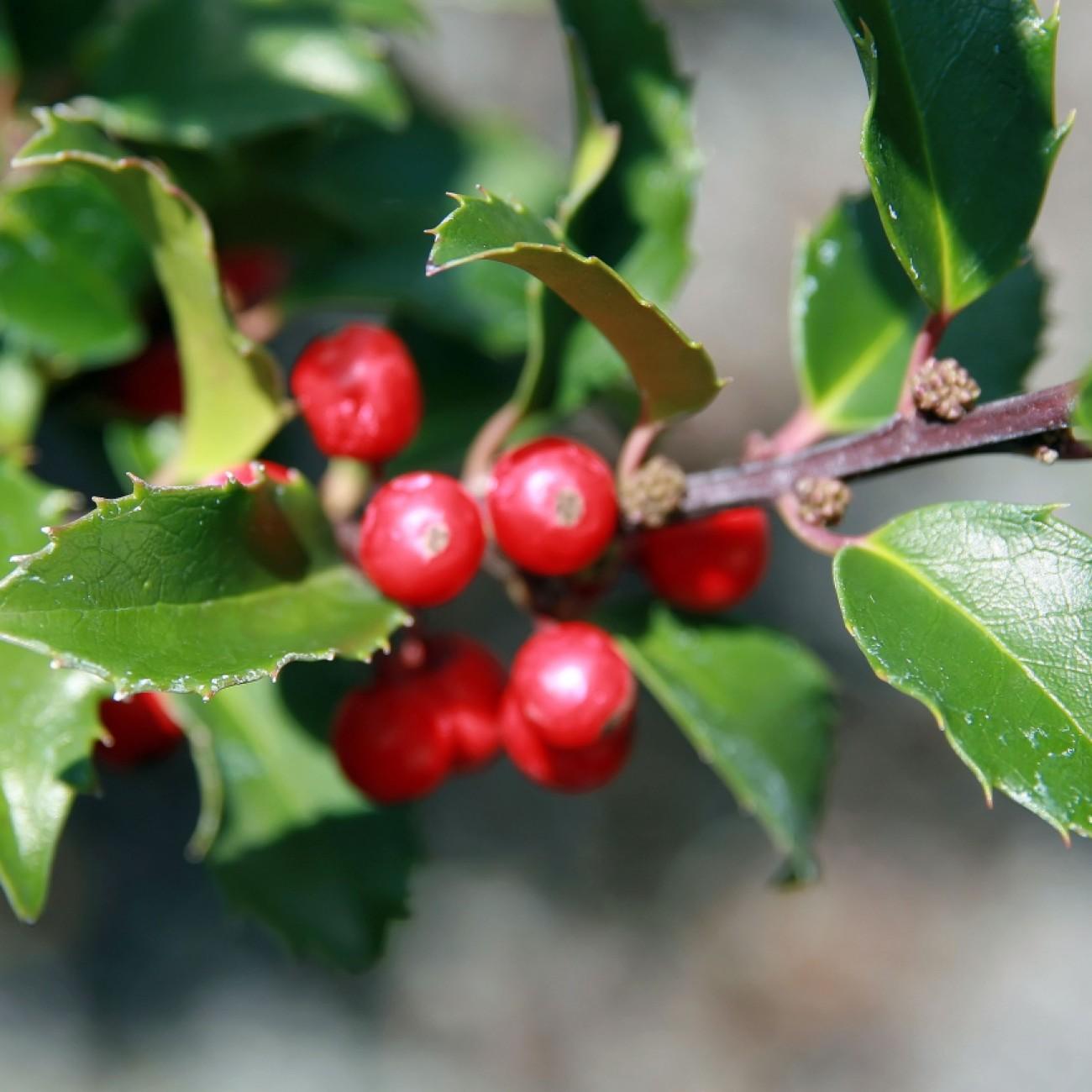
Blue Holly
Ilex × meserveae
Overview
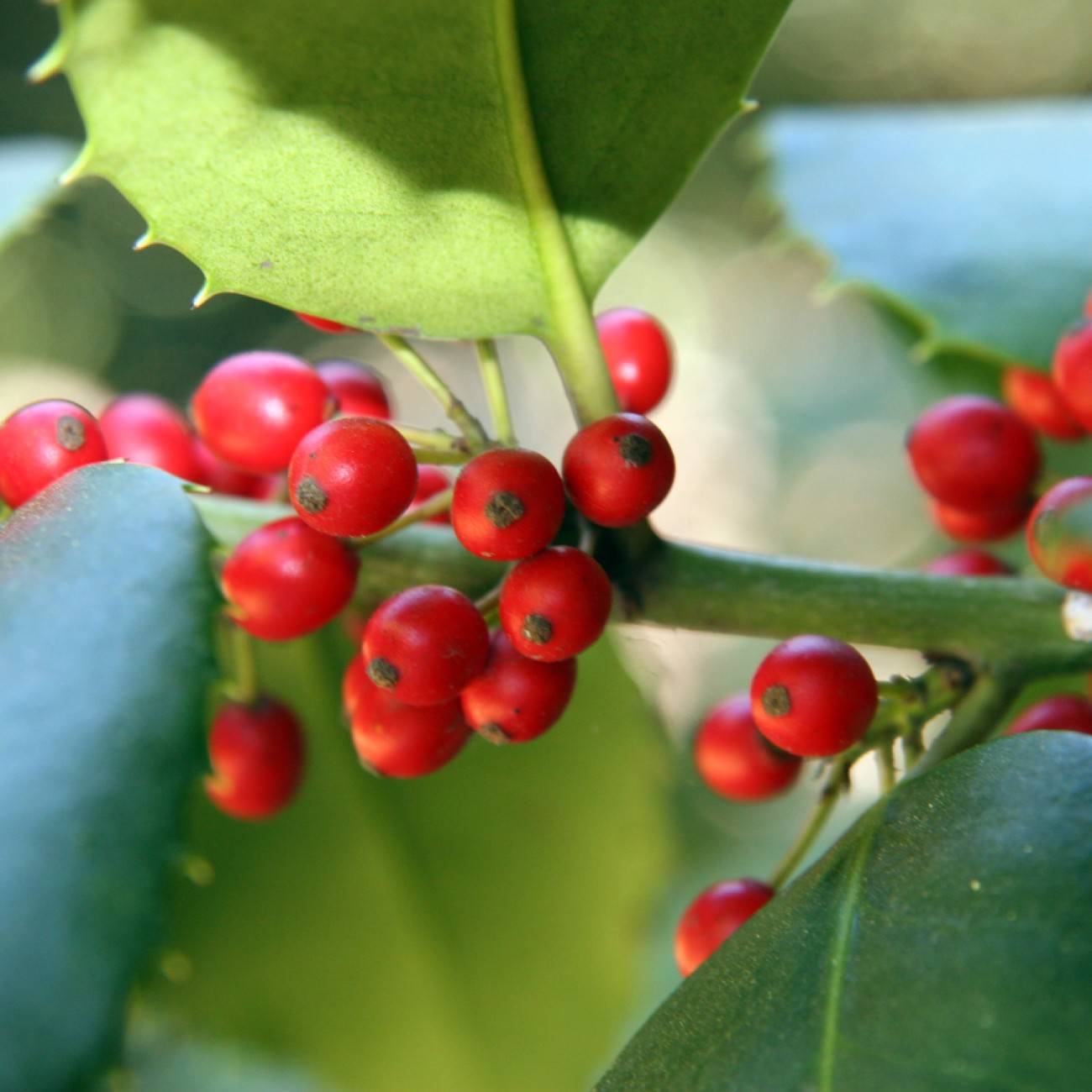
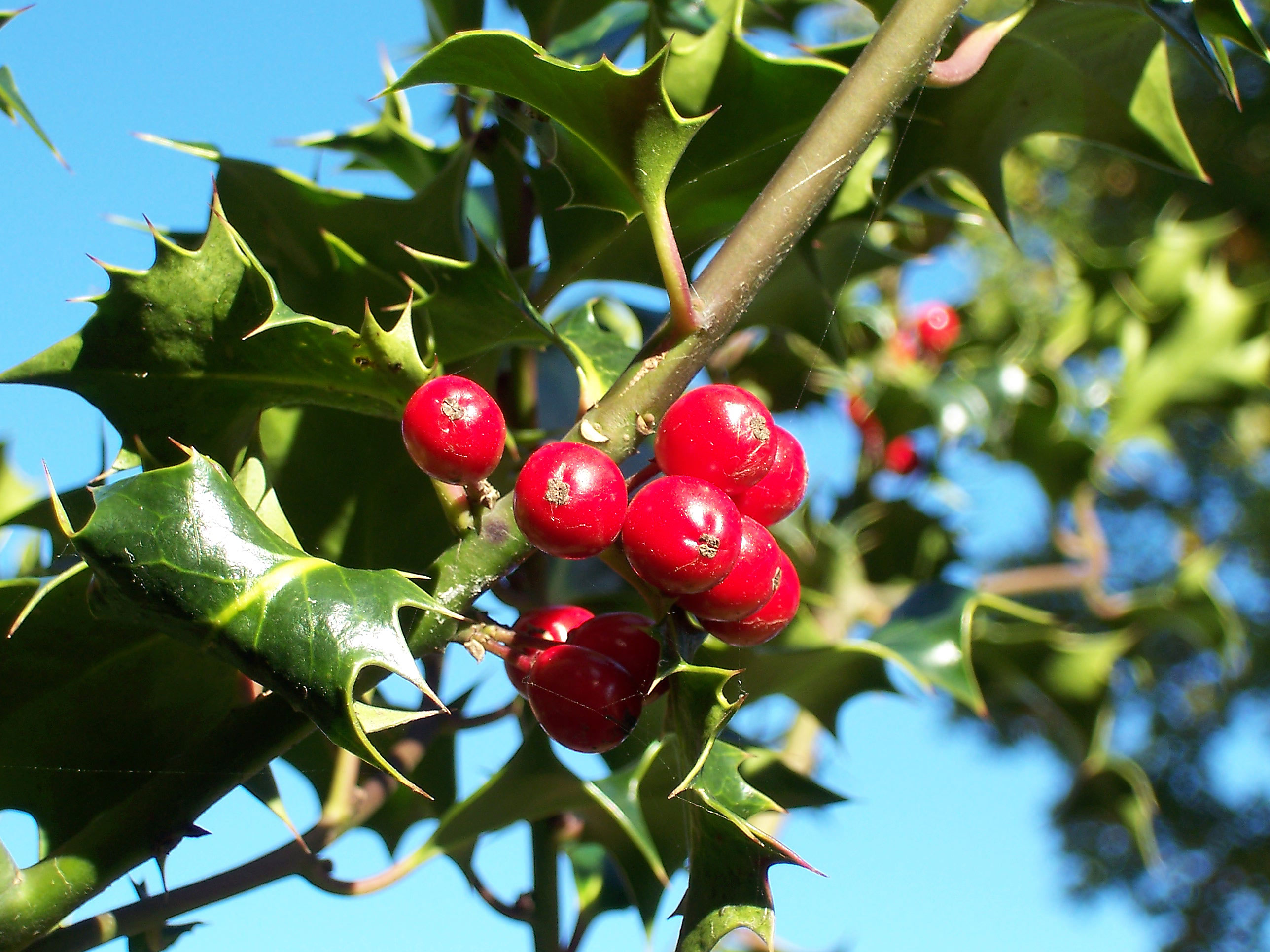
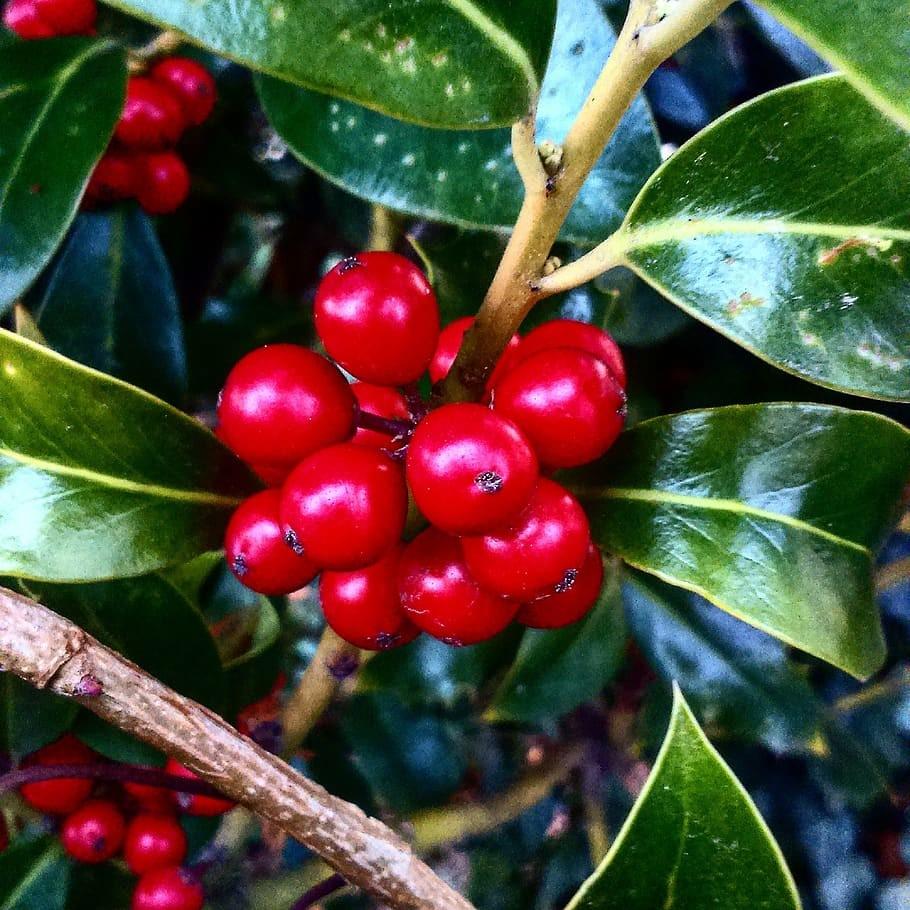
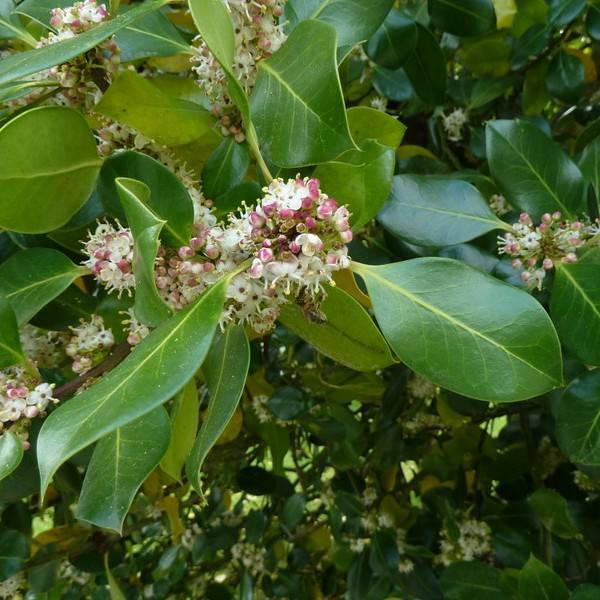
Blue Holly is a popular hybrid evergreen shrub developed to combine the cold tolerance of Japanese holly and the glossy foliage of English holly. Female plants produce abundant clusters of vibrant red berries in fall that persist through winter, providing critical food for wild birds when other forage is scarce. Its dense, spiny foliage makes it an excellent natural privacy screen or barrier plant, with year-round ornamental value in temperate landscapes. It is widely grown in USDA zones 5 through 8, tolerating urban pollution and drought once established.
Care Guide
Watering
Water newly planted blue holly deeply once or twice weekly for the first growing season to help establish a robust root system, keeping soil consistently moist but not waterlogged. Once established, it is drought-tolerant, only requiring supplemental watering during extended periods of high heat or prolonged dry spells to prevent leaf scorch. Avoid overwatering, as soggy soil can lead to root rot and fungal disease.
Light
Blue holly thrives in full sun to partial shade, with at least 4 hours of direct sunlight daily to encourage dense foliage growth and abundant berry production on female plants. In regions with extremely hot summer sun, it benefits from light afternoon shade to prevent leaf burn and reduce moisture stress. Plants grown in heavy shade will develop sparse, leggy growth and produce very few berries.
Soil
This shrub prefers well-drained, loamy soil with a slightly acidic pH between 5.0 and 6.5, though it adapts to a wide range of soil types including clay and sandy soils as long as drainage is adequate. Amend heavy clay or sandy soil with organic matter such as compost or aged pine bark at planting time to improve structure, nutrient retention, and pH balance. Avoid planting in low-lying areas where water pools after rain, as this will quickly damage the plant’s root system.
Fertilizer
Feed blue holly in early spring before new growth emerges using a slow-release, acid-forming fertilizer formulated for evergreen shrubs such as azalea or holly fertilizer, following package dosage instructions to avoid over-fertilization. A second light application in early summer can support healthy growth in poor soils, but avoid fertilizing after mid-summer as this can stimulate tender new growth that is vulnerable to winter frost damage. Spread fertilizer evenly around the base of the plant, keeping it at least 6 inches away from the trunk to prevent root burn.
Temperature
Blue holly is exceptionally cold hardy, surviving winter temperatures as low as -20°F (-29°C) in USDA zone 5, and tolerates summer heat up to 90°F (32°C) with adequate moisture. In areas with harsh winter winds, plant it in a sheltered location or wrap the shrub in burlap during the coldest months to prevent winter desiccation and leaf burn. Newly planted specimens may benefit from a 2-3 inch layer of mulch around the base in late fall to insulate roots from extreme temperature fluctuations.
Pruning
Prune blue holly in late winter or early spring before new growth appears to shape the shrub, remove dead or damaged branches, and encourage dense, bushy growth. It tolerates heavy pruning well, making it suitable for formal hedges; avoid pruning after mid-summer, as new growth produced late in the season will be susceptible to winter damage. If berry production is a priority, limit pruning to only necessary shaping, as berries form on the previous year’s growth.
Propagation
Blue holly is most commonly propagated from semi-hardwood cuttings taken in late summer or early fall, as seed-grown plants do not retain the consistent characteristics of the parent hybrid. Take 4-6 inch cuttings from healthy, current-year growth, remove the lower leaves, dip the cut end in rooting hormone, and plant in a well-drained rooting medium such as perlite and peat moss, keeping it consistently moist and warm until roots form in 8-12 weeks. For successful berry production, plant one male blue holly within 50 feet of up to 5 female plants to ensure adequate cross-pollination.
Humidity
Blue holly adapts well to average outdoor humidity levels between 40% and 60%, which is typical of its preferred temperate growing regions. It tolerates short periods of low humidity, though extended dry, windy conditions can cause leaf edge scorch; misting is not required for outdoor specimens. In very dry climates, occasional deep watering and a layer of organic mulch around the base will help maintain adequate ambient moisture around the root zone.
Repotting
Blue holly is primarily grown in landscape plantings, but container-grown specimens should be repotted every 2-3 years in early spring before new growth emerges, using a well-drained, acidic potting mix. Select a pot that is 2-3 inches larger in diameter than the current container, with ample drainage holes to prevent waterlogging. For mature container specimens that cannot be repotted, refresh the top 2-3 inches of soil annually and fertilize regularly to support healthy growth.
Uses & Symbolism
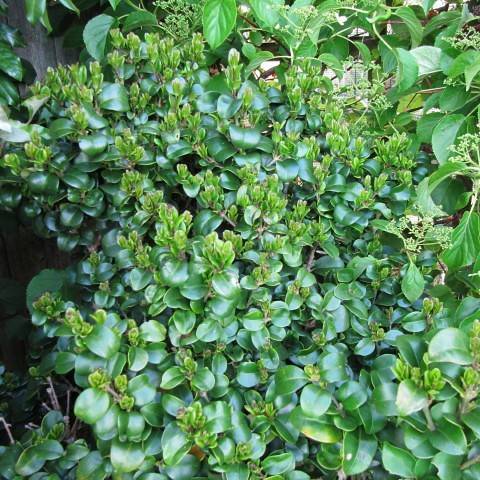
Blue holly is most widely planted as a dense, evergreen privacy hedge or property barrier, with its spiny foliage acting as a natural deterrent to trespassers and wildlife. Its attractive blue-green foliage and bright red winter berries make it a popular ornamental specimen for foundation plantings, mixed shrub borders, and holiday wreaths and floral arrangements. The persistent winter berries are a valuable food source for songbirds, including robins, cedar waxwings, and cardinals, during the coldest months of the year.
Diseases & Pests
Blue holly is relatively pest and disease resistant, but can be susceptible to root rot if grown in poorly drained, waterlogged soil, which causes yellowing leaves, stunted growth, and eventual plant death. Common pests include holly leaf miner, scale insects, and spider mites, which feed on foliage and cause discoloration, leaf drop, and reduced vigor; treat infestations with horticultural oil or insecticidal soap applied according to label instructions. Fungal leaf spot and powdery mildew may occur in humid, poorly ventilated conditions, which can be prevented by spacing plants appropriately to encourage air flow and avoiding overhead watering.
Related plants
Other plants you might like if you grow Blue Holly.