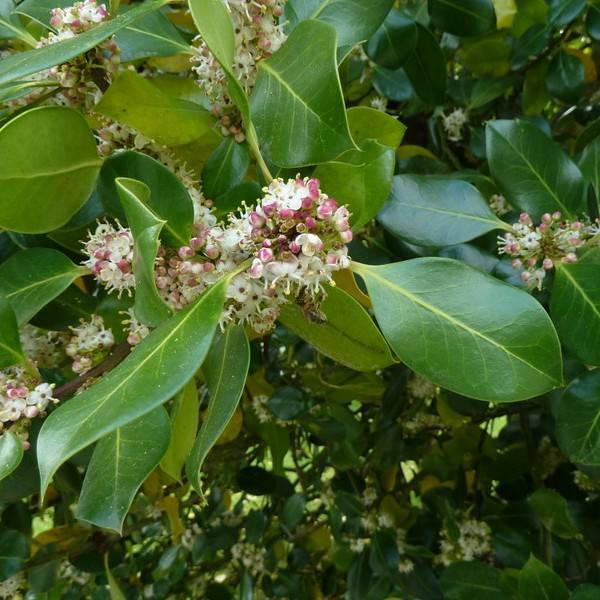
Highclere Holly
Ilex x altaclerensis
Overview
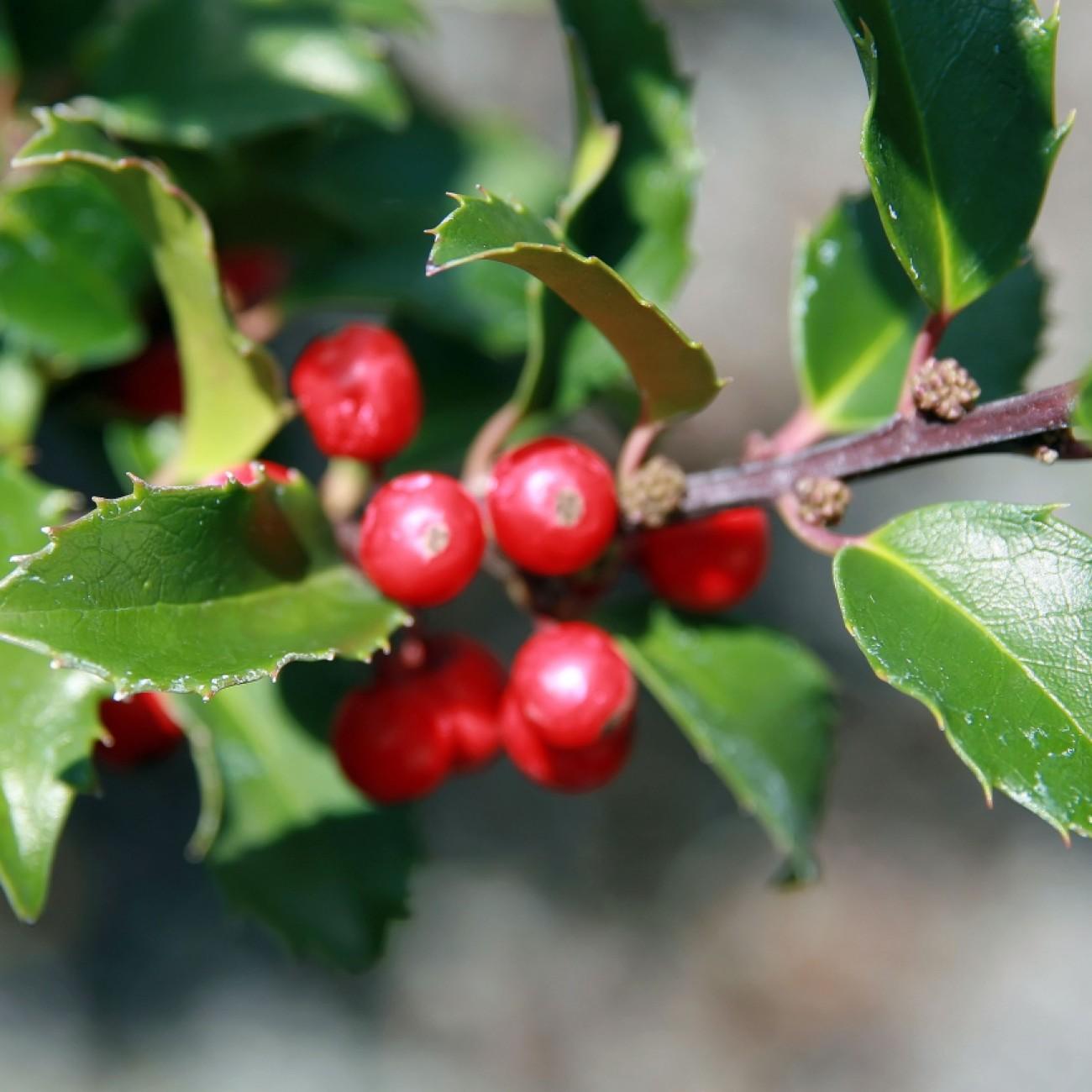
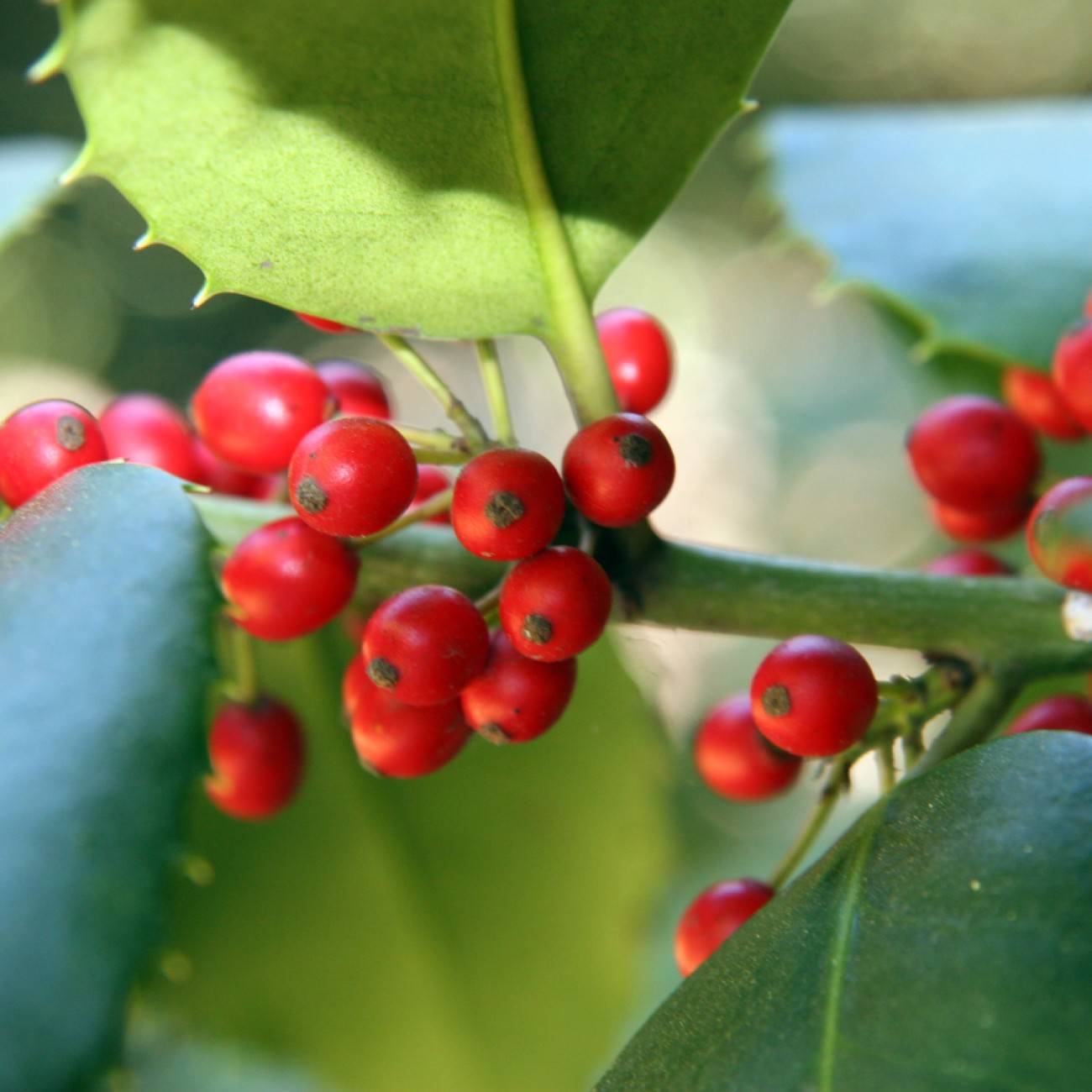
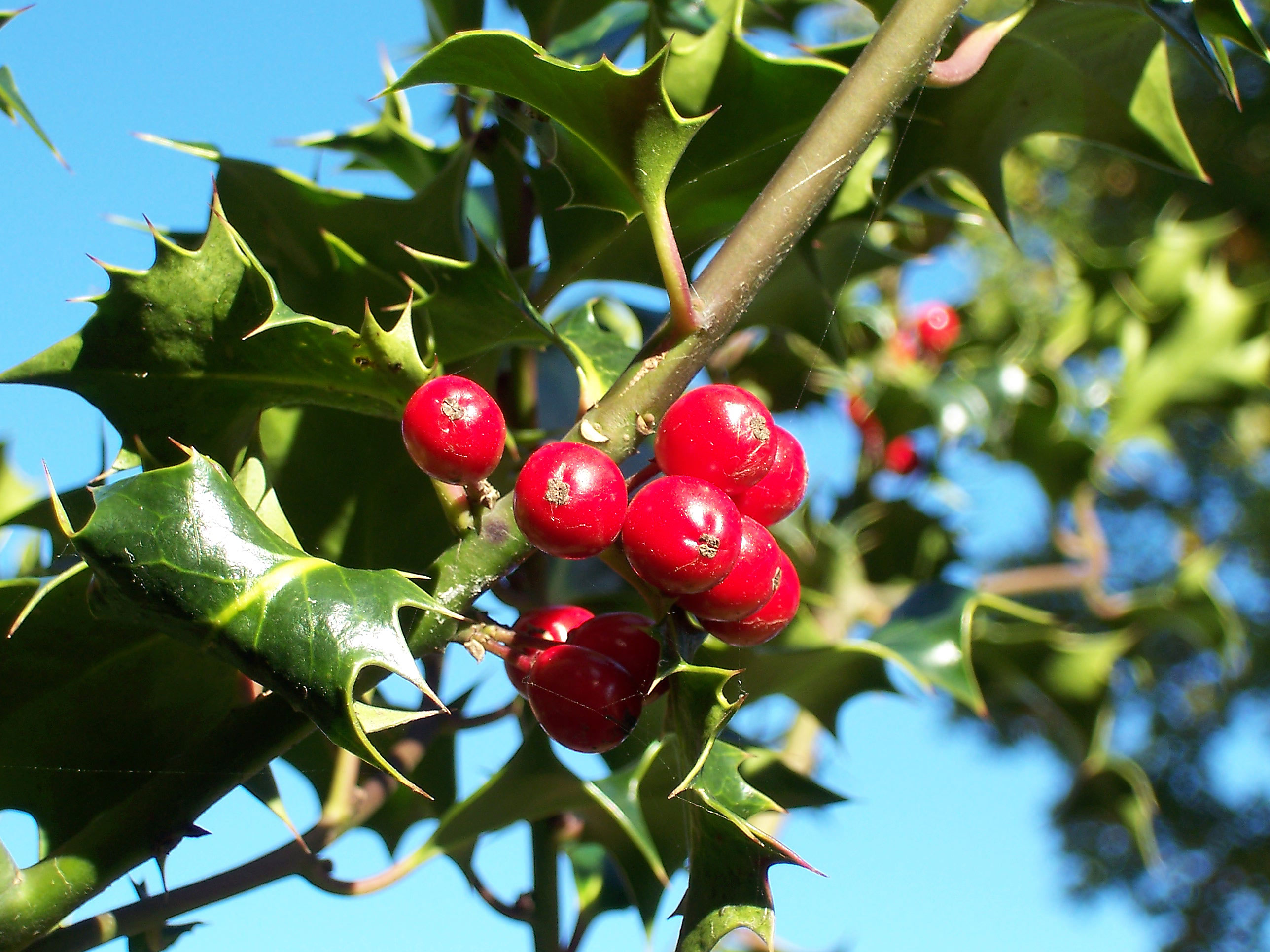
Highclere Holly originated in the 19th century at the UK’s Highclere Castle, created by crossing native English holly with the tender Madeiran holly to combine hardiness with lush foliage. Most cultivars are either male or female; female plants produce abundant clusters of glossy red berries in autumn, which persist through winter to support local bird populations. This robust evergreen adapts well to a range of growing conditions, making it a staple for formal hedges, privacy screens, and standalone landscape specimens in temperate regions.
Care Guide
Watering
Water newly planted Highclere Holly regularly for the first 2-3 years to establish a deep root system, keeping soil consistently moist but not waterlogged. Once established, it is moderately drought-tolerant, requiring supplemental watering only during prolonged dry spells, particularly in hot summer months. Avoid overwatering in heavy, poorly draining soils to prevent root rot.
Light
Thrives in full sun to partial shade, with full sun exposure encouraging denser foliage growth and heavier berry production on female plants. It can tolerate deeper shade, though growth may become sparser and berry yields will be reduced. Plant in a location with some protection from harsh, drying winter winds to prevent leaf scorch.
Soil
Adaptable to a wide range of soil types, including loam, sand, and clay, as long as the substrate is well-draining. It prefers a slightly acidic to neutral pH between 5.0 and 7.0, though it can tolerate mildly alkaline conditions better than many other holly species. Amend heavy clay soils with organic matter like compost at planting time to improve drainage and nutrient content.
Fertilizer
Feed in early spring before new growth emerges with a balanced, slow-release evergreen fertilizer formulated for acid-loving plants to support healthy foliage and berry development. Avoid applying fertilizer late in the growing season, as this can stimulate tender new growth that is vulnerable to damage from late frost. An optional top-dress of well-rotted manure or compost in autumn can help maintain soil fertility and moisture retention.
Temperature
Hardy in USDA zones 6 to 9, tolerating winter temperatures as low as -10°F (-23°C) once established. Young plants may benefit from a layer of mulch around the root zone and a burlap wrap in their first 2-3 winters to protect against extreme cold and wind burn. It tolerates summer temperatures up to 90°F (32°C) well, provided it has adequate moisture during heatwaves.
Pruning
Prune in late winter or early spring before new growth begins to shape the plant, maintain hedge height, or remove dead, damaged, or crossing branches. Female plants should be pruned sparingly if berry production is desired, as berries form on the previous year’s growth. Wear thick gloves when handling to avoid injury from the small, sharp spines present on some leaf edges.
Propagation
Most commonly propagated via semi-hardwood cuttings taken in late summer or early autumn, treated with rooting hormone and placed in a well-draining propagating medium under mist or in a humid environment. Seed propagation is not recommended, as seeds will not grow true to the parent cultivar, and require several months of cold stratification to germinate. Root cuttings can also be taken in late winter from established plants for reliable clonal propagation.
Humidity
Tolerates a wide range of humidity levels, thriving in the moderate humidity typical of its native UK growing regions and adapting well to drier continental climates as long as soil moisture is adequate. It does not require supplemental humidity when grown outdoors, though extremely dry indoor conditions may cause leaf drop if grown as a large container houseplant. Avoid placing it near constant dry heat sources if kept indoors temporarily.
Repotting
Highclere Holly is primarily grown in the landscape, but if cultivated in a large container, repot every 3-4 years in early spring before new growth starts, using a slightly larger pot with drainage holes. Use a high-quality, well-draining potting mix formulated for acid-loving evergreens, and gently loosen the root ball before planting to encourage new root growth. For mature container specimens that are too large to repot, replace the top 2-3 inches of potting mix annually with fresh, nutrient-rich medium to refresh soil fertility.
Uses & Symbolism
Widely planted as a dense, evergreen privacy hedge or windbreak, as its thick foliage creates an effective year-round screen that responds well to formal shearing. Female plants produce persistent bright red berries that add winter ornamental interest to gardens and provide a critical food source for native bird species during cold months. Its cut branches with berries are popular for holiday wreaths, garlands, and seasonal floral arrangements.
Diseases & Pests
Generally resistant to most common holly pests and diseases, though it may occasionally be affected by scale insects, spider mites, and holly leaf miner, which cause discolored blotches on foliage; these can be controlled with horticultural oil or appropriate insecticides if infestations are severe. Root rot may occur in poorly draining, waterlogged soils, so ensuring proper drainage at planting time is critical to prevent this fungal issue. Minor fungal leaf spot may develop in overly humid, crowded conditions, which can be mitigated by pruning to improve air circulation around the plant.
Related plants
Other plants you might like if you grow Highclere Holly.