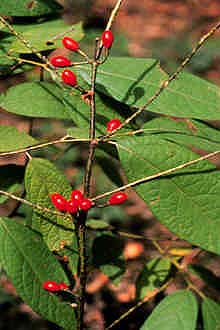
Chinese Evergreen Spicebush
Lindera communis
Overview
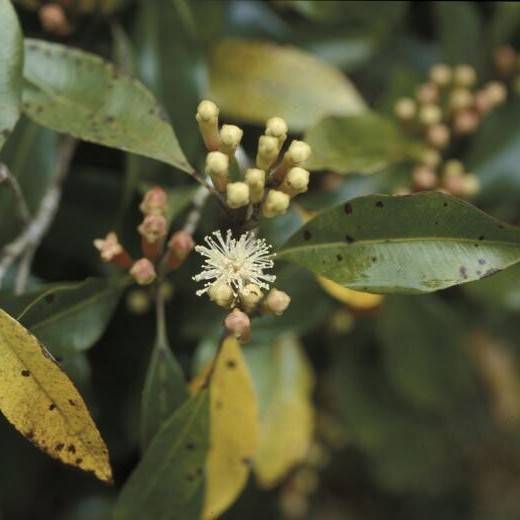
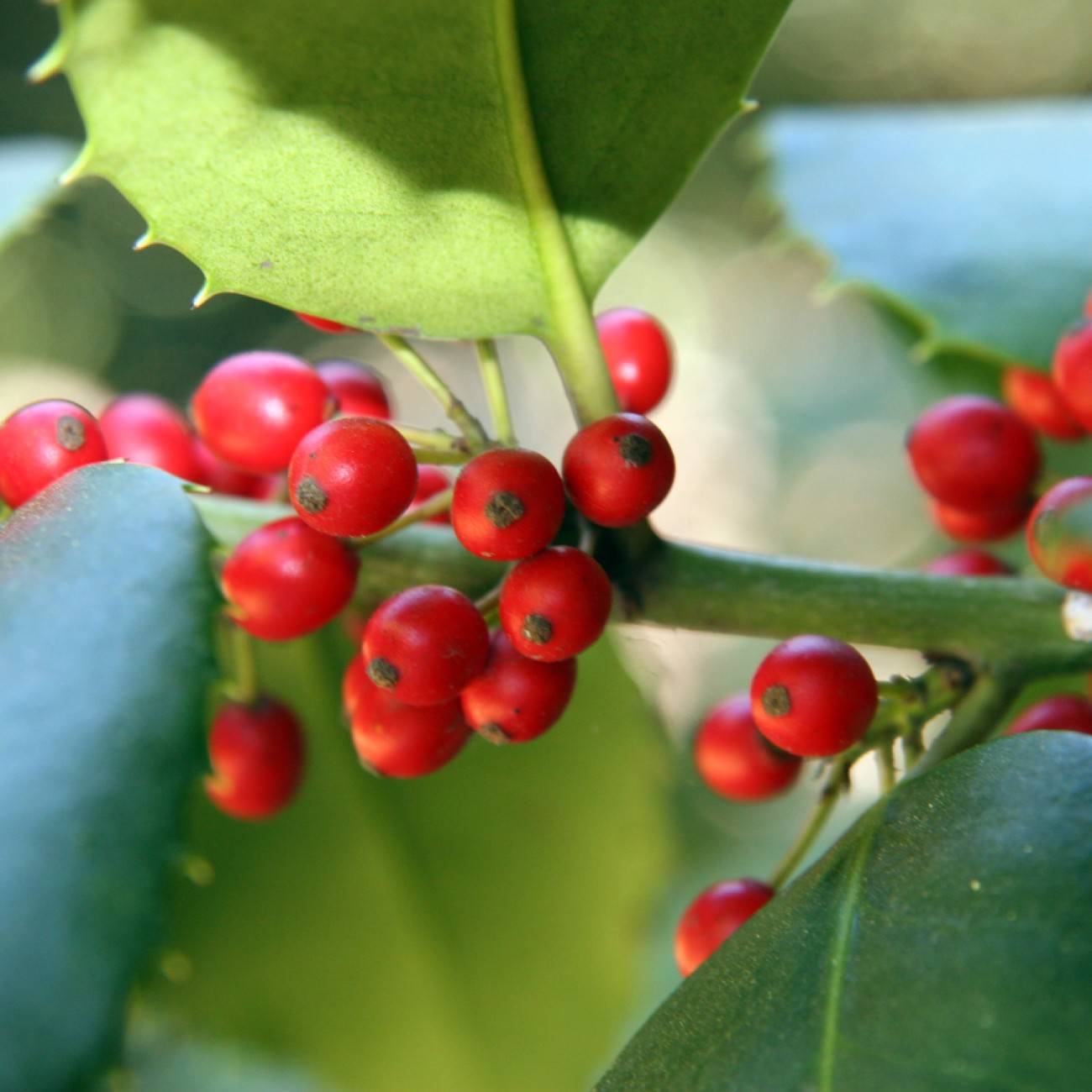
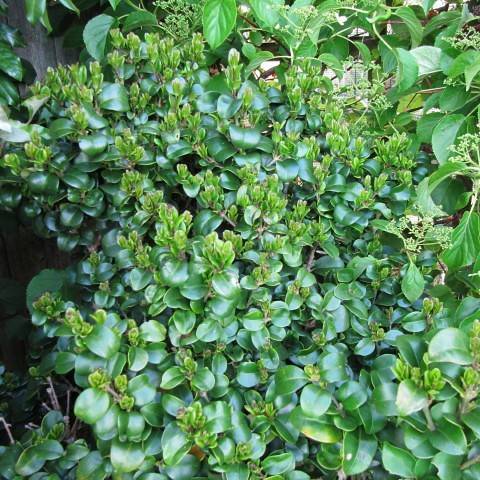
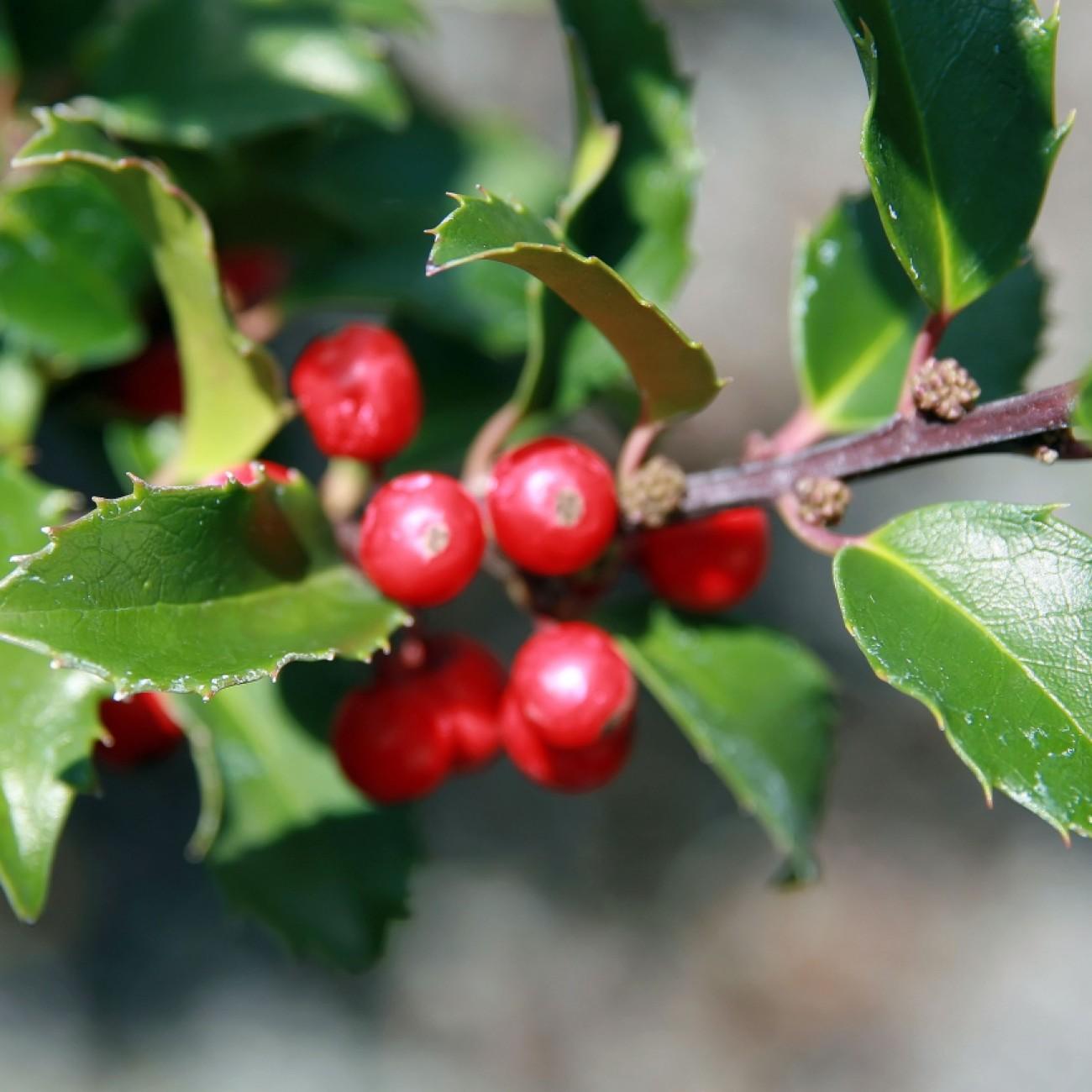
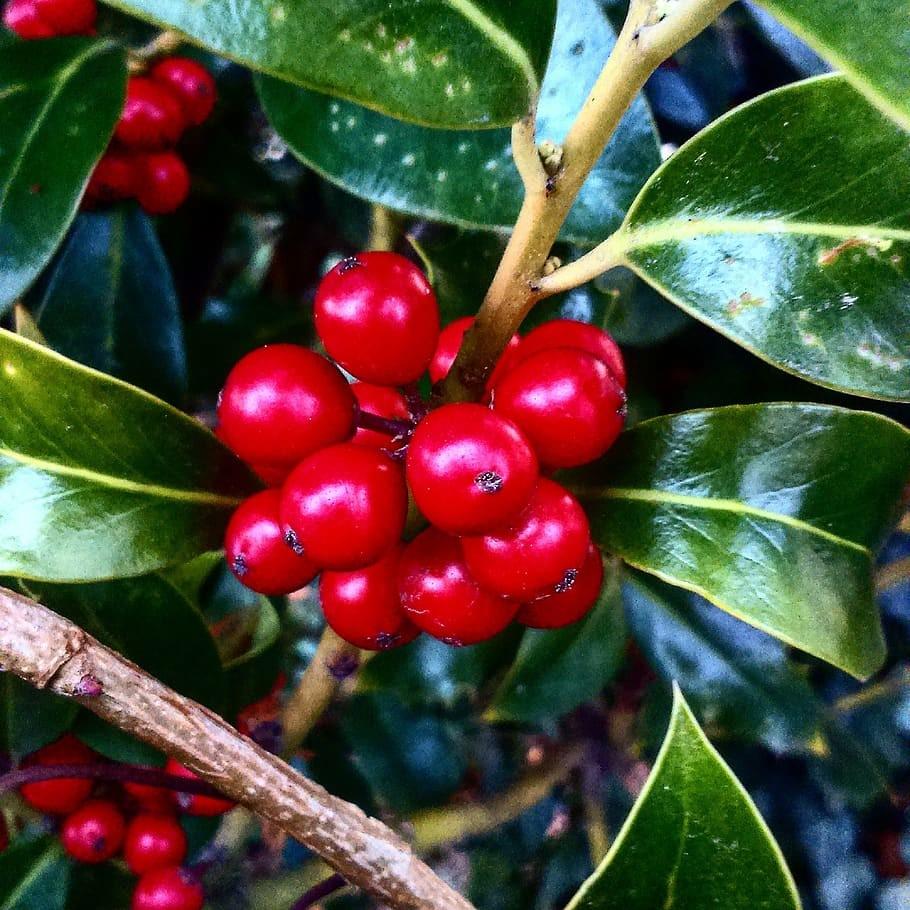
Chinese Evergreen Spicebush is a dense, rounded woody plant with glossy, leathery, lance-shaped leaves that release a spicy, camphor-like scent when crushed. In early spring, it produces small, pale yellow unisexual flowers before new growth emerges, with female plants bearing clusters of bright red, berry-like drupes in fall that attract songbirds. Its hardiness and tolerance of partial shade make it a popular choice for hedges, screening, and native wildlife gardens in suitable climates.
Care Guide
Watering
Water young plants regularly to maintain consistently moist, but not waterlogged, soil during their first 2-3 years of establishment to support root development. Mature specimens are moderately drought tolerant, requiring supplemental water only during extended periods of hot, dry weather to prevent leaf drop. Avoid overwatering, especially in heavy clay soils, as this can lead to root rot.
Light
Thrives in partial shade to full sun, with partial shade being ideal in regions with intense summer heat to prevent leaf scorch. Plants grown in full sun develop a denser habit and produce more abundant flowers and fruit, while those in deep shade have a more open, airy growth form and fewer blooms.
Soil
Adaptable to a wide range of soil types, including loam, sandy loam, and clay, as long as the site provides good drainage. It prefers slightly acidic to neutral soil with a pH range of 5.5 to 7.0, though it can tolerate mildly alkaline conditions. Amending heavy soils with organic matter such as compost at planting time improves drainage and provides a nutrient boost for early growth.
Fertilizer
Apply a balanced, slow-release granular fertilizer formulated for woody shrubs in early spring before new growth begins to support healthy foliage and flower production. Avoid over-fertilizing, as excess nitrogen can reduce flowering and fruiting, and never apply fertilizer late in the growing season, as this can stimulate tender new growth susceptible to cold damage. An annual topdressing of 2-3 inches of organic mulch around the root zone also slowly releases nutrients as it decomposes.
Temperature
Grows best in USDA hardiness zones 7 to 10, tolerating minimum winter temperatures down to 0°F (-18°C) once established. Young plants may require frost protection, such as a burlap wrap, during their first 1-2 winters in cooler parts of its range to prevent cold injury to tender stems. It tolerates high summer humidity and heat well, as long as it receives adequate moisture during extreme heatwaves.
Pruning
Prune in late winter or early spring before new growth emerges to shape the plant, remove dead, damaged, or crossing branches, and maintain a desired size for hedges or screening. Avoid heavy pruning of more than one-third of the plant’s total growth in a single year, as this can stress the shrub and reduce flowering and fruiting for 1-2 seasons. If growing for fruit production, keep a ratio of one male plant for every 5-6 female plants to ensure adequate pollination, and avoid pruning off flower buds that form on the previous year’s wood.
Propagation
Most commonly propagated from semi-hardwood cuttings taken in mid to late summer, treated with rooting hormone, and placed in a well-draining rooting medium under high humidity until roots develop in 8-12 weeks. It can also be grown from fresh seed collected in fall, though seeds require 3-4 months of cold stratification to break dormancy, and germination can be slow and inconsistent. Seed-grown plants will not produce fruit until they reach 4-6 years of age, and sex cannot be determined until the first flowering.
Humidity
Prefers moderate to high humidity levels between 50% and 70%, typical of its native subtropical forest habitat. It tolerates average household humidity if grown indoors as a large container specimen, though leaf tips may brown if humidity drops below 40% for extended periods. Misting the foliage regularly or placing a tray of pebbles filled with water under potted specimens helps raise ambient humidity for indoor plants.
Repotting
If grown in containers, repot young Chinese Evergreen Spicebush every 2-3 years in spring, moving up one pot size each time to accommodate root growth. Mature container specimens can be repotted every 4-5 years, or top-dressed with fresh potting mix annually if repotting is not feasible. Use a well-draining, peat-free potting mix with added perlite or pine bark to ensure adequate aeration for the root system, and ensure the pot has multiple drainage holes to prevent standing water.
Uses & Symbolism
Widely planted as an ornamental shrub for evergreen screening, hedges, and wildlife gardens, as its fall berries provide a food source for native songbirds and its dense foliage offers shelter for small animals. Its aromatic leaves, bark, and fruit are used in traditional Chinese medicine to treat digestive issues, inflammation, and cold symptoms, and the essential oil extracted from its foliage is used in aromatherapy and natural insect repellents. The dense, hard wood is occasionally used for small woodcraft projects and fuel in its native range.
Diseases & Pests
Generally resistant to most common pests and diseases, though it can be susceptible to scale insects and aphids, which feed on sap and can cause leaf yellowing and stunted growth; these are easily controlled with horticultural oil or insecticidal soap applications. Overwatering or poorly drained soils can lead to root rot, a fungal disease that causes wilting, leaf drop, and eventual plant death if not addressed by improving drainage and reducing watering frequency. In regions with high humidity, it may occasionally develop leaf spot fungal diseases, which can be managed by improving air circulation around the plant and removing infected foliage promptly.
Related plants
Other plants you might like if you grow Chinese Evergreen Spicebush.