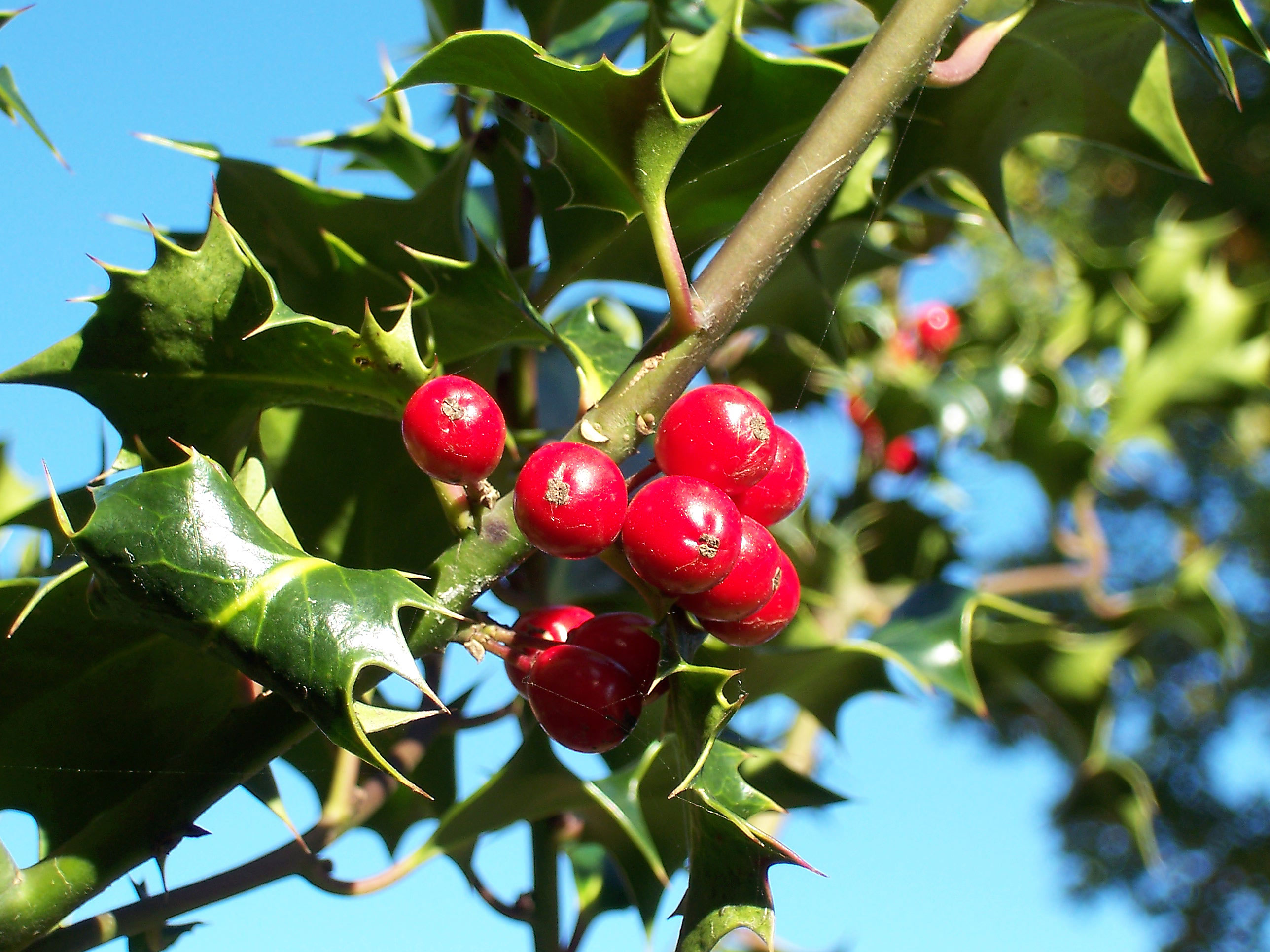
Holly
Ilex aquifolium
Overview
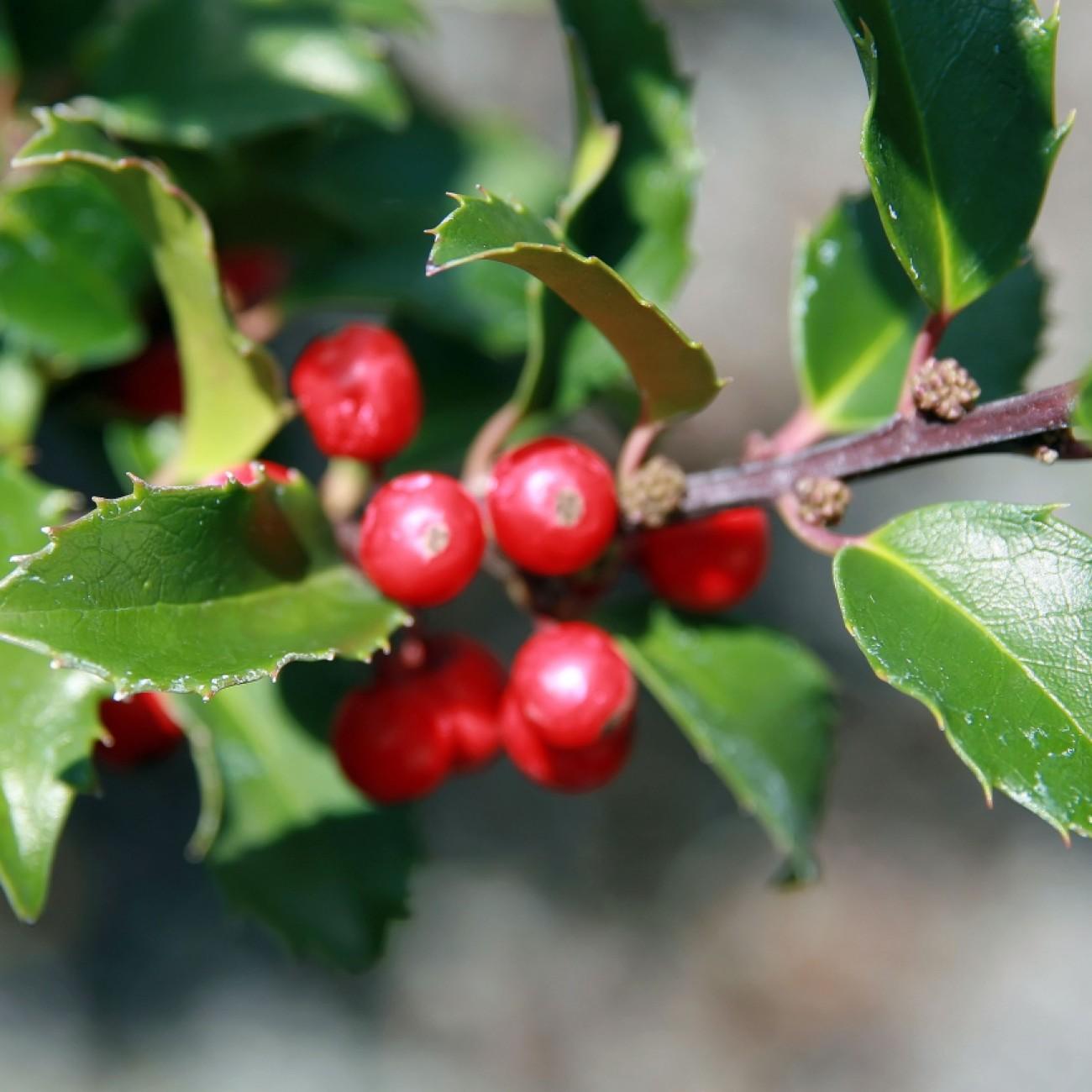
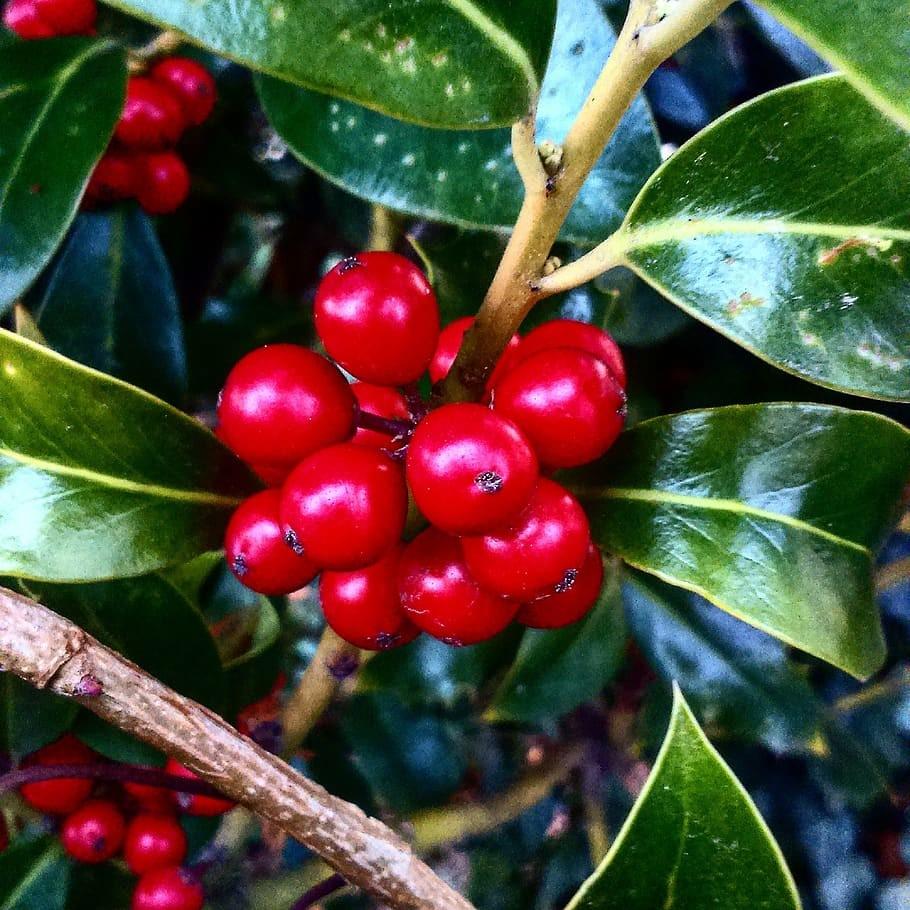
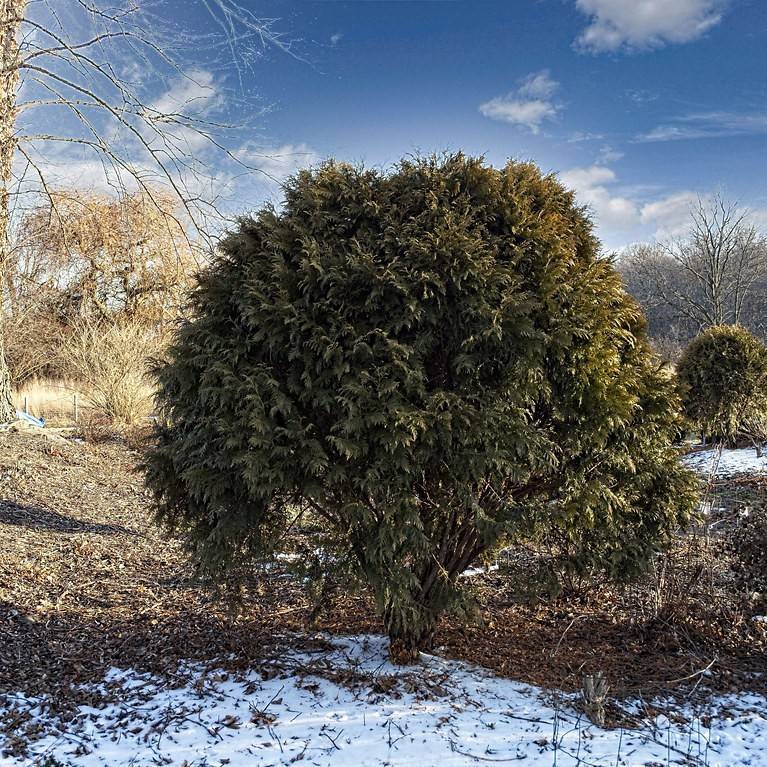
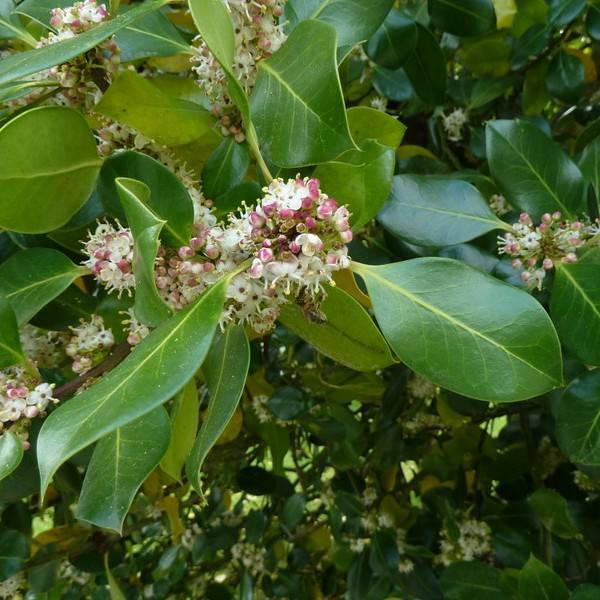
Holly is a slow-growing, long-lived evergreen best known for its distinctive glossy, dark green leaves with sharp, spiny margins and clusters of vibrant red berries that appear on female plants in autumn. Dioecious by nature, only female specimens produce fruit when a male pollinator is planted within 30 to 40 feet (9-12 m) to enable cross-pollination. The species is highly adaptable, tolerating a range of growing conditions, and many compact cultivars are available for smaller gardens or container growth. Holly’s dense, thorny foliage also makes it an effective privacy hedge and wildlife shelter, providing food for birds in winter when other food sources are scarce.
Care Guide
Watering
Water young holly plants deeply once or twice per week for the first two years after planting to help establish a robust root system, keeping the soil consistently moist but not waterlogged. Mature, established hollies are drought-tolerant, requiring supplemental watering only during extended periods of dry, hot weather, usually every 10 to 14 days. Avoid overwatering, as saturated soil can lead to root rot, especially in heavy clay soils with poor drainage.
Light
Holly thrives in full sun to partial shade, with at least four hours of direct, unfiltered sunlight per day to encourage dense foliage growth and abundant berry production on female plants. Plants grown in full shade will develop sparse, leggy growth and produce few to no berries, though they will still retain their characteristic glossy leaf color. In regions with extremely hot, intense summer sun, light afternoon shade can prevent leaf scorch and reduce moisture stress.
Soil
Holly prefers well-draining, loamy, slightly acidic soil with a pH between 5.0 and 6.5, though it will tolerate neutral to slightly alkaline soils in most cases. Heavy clay soils should be amended with organic matter such as compost, peat moss, or pine bark to improve drainage and adjust pH to a more suitable range for healthy root growth. Avoid planting hollies in low-lying areas where water collects after rain, as standing water will quickly cause root damage and plant decline.
Fertilizer
Feed holly plants in early spring, just before new growth emerges, with a slow-release, acid-forming fertilizer formulated for evergreens or azaleas and rhododendrons to support foliage growth and berry development. A second light application can be made in early summer if growth appears weak or leaf color is pale, but avoid fertilizing after mid-summer, as this can stimulate tender new growth that will be damaged by winter frost. Always follow the manufacturer’s dosage instructions, as over-fertilization can burn roots and cause leaf drop.
Temperature
Holly is cold-hardy in USDA zones 5 through 9, tolerating winter temperatures as low as -20°F (-29°C) without significant damage when properly acclimated. Young plants may require a layer of mulch around the base and burlap wrapping in their first 2 to 3 winters to protect against cold winds and frost damage, especially in the northern edge of their growing range. In hot, southern climates, holly will benefit from afternoon shade and extra watering to cope with temperatures above 90°F (32°C) for extended periods.
Pruning
Prune holly in late winter or early spring before new growth starts, removing any dead, damaged, or diseased branches first, then shaping the plant to your desired size and form. Hollies tolerate heavy pruning well, so you can cut back overgrown specimens by up to one-third of their total size in a single season without harming the plant. Wear thick gardening gloves when pruning, as the sharp spines on the leaves can easily puncture skin, and avoid pruning after mid-summer to prevent stimulating tender growth that will be damaged by early frost.
Propagation
Holly is most commonly propagated from semi-hardwood cuttings taken in late summer or early fall, selecting 4 to 6 inch (10-15 cm) long stem sections from healthy, current-year growth, stripping the lower leaves, and rooting in a well-draining potting mix with rooting hormone. Cuttings should be kept in a humid, warm environment with bright, indirect light for 3 to 6 months until roots develop, then transplanted to larger containers or the landscape the following spring. Holly can also be grown from seed, but seeds require 1 to 2 years of cold stratification to germinate, and seedlings will not retain the exact characteristics of the parent plant, making this method less common for cultivated varieties.
Humidity
Holly adapts well to a wide range of humidity levels, thriving in the average 40-70% relative humidity found in most temperate regions without special intervention. In very dry, arid climates, occasional misting or a layer of organic mulch around the base of the plant can help retain soil moisture and raise local humidity around the foliage to prevent leaf browning. Indoor potted holly specimens may benefit from a pebble tray filled with water placed under the pot during the winter, when indoor heating systems lower air humidity significantly.
Repotting
Potted holly plants should be repotted every 2 to 3 years in early spring, before new growth begins, selecting a container that is 2 to 3 inches (5-7.5 cm) larger in diameter than the current pot to allow for root growth. Use a well-draining, acidic potting mix designed for evergreens or acid-loving plants, and gently loosen the root ball before placing it in the new container to encourage roots to spread into the fresh soil. After repotting, water thoroughly and place the plant in a location with bright, indirect light for 1 to 2 weeks to reduce transplant shock before returning it to its usual growing spot.
Uses & Symbolism
Holly is a highly popular ornamental landscaping plant, used as a specimen tree, privacy hedge, or border planting, with its evergreen foliage and bright winter berries providing year-round visual interest. Cut holly branches with berries are a staple of holiday decor, used in wreaths, garlands, and centerpieces for Christmas and winter celebrations across many cultures. Historically, holly wood has been used for fine woodworking, engraving, and musical instruments, while extracts from the leaves have been used in traditional herbal medicine to treat fever, coughs, and digestive issues, though consumption is not recommended due to toxicity.
Diseases & Pests
Holly is relatively pest and disease resistant, but common issues include holly leaf miner, a small insect whose larvae tunnel through leaf tissue, causing unsightly brown blotches, and scale insects, which attach to stems and leaves and suck sap, leading to yellowing foliage and stunted growth. Fungal diseases such as leaf spot, tar spot, and powdery mildew can occur in overly wet, humid conditions or when plants are spaced too closely for proper air circulation, causing leaf discoloration and premature drop. Root rot is the most serious common issue, caused by overwatering or poorly draining soil, and can lead to rapid plant decline if not addressed by improving drainage and reducing watering frequency.
Guides that mention Holly
Related plants
Other plants you might like if you grow Holly.