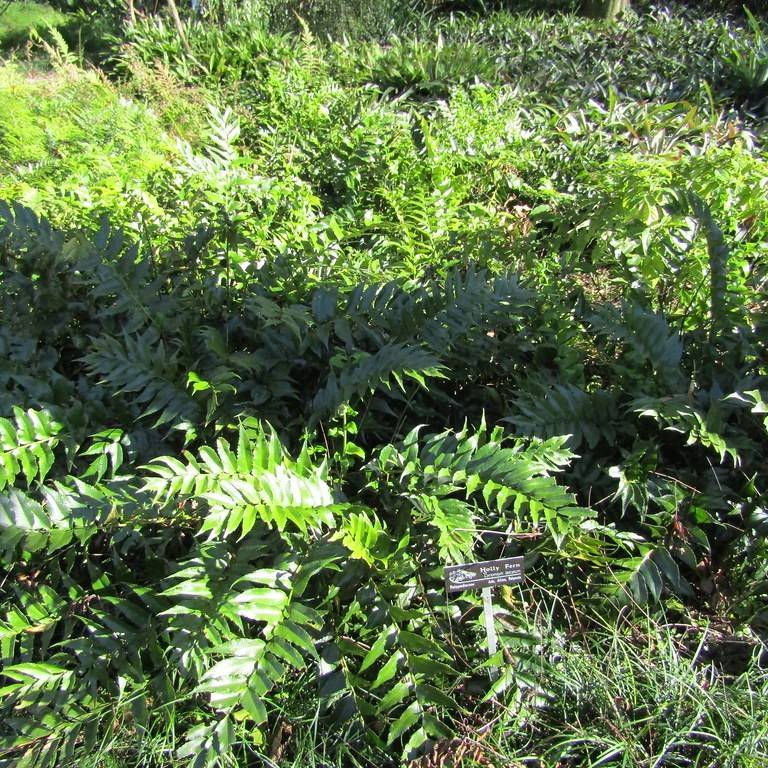
Japanese Holly
Ilex crenata
Overview
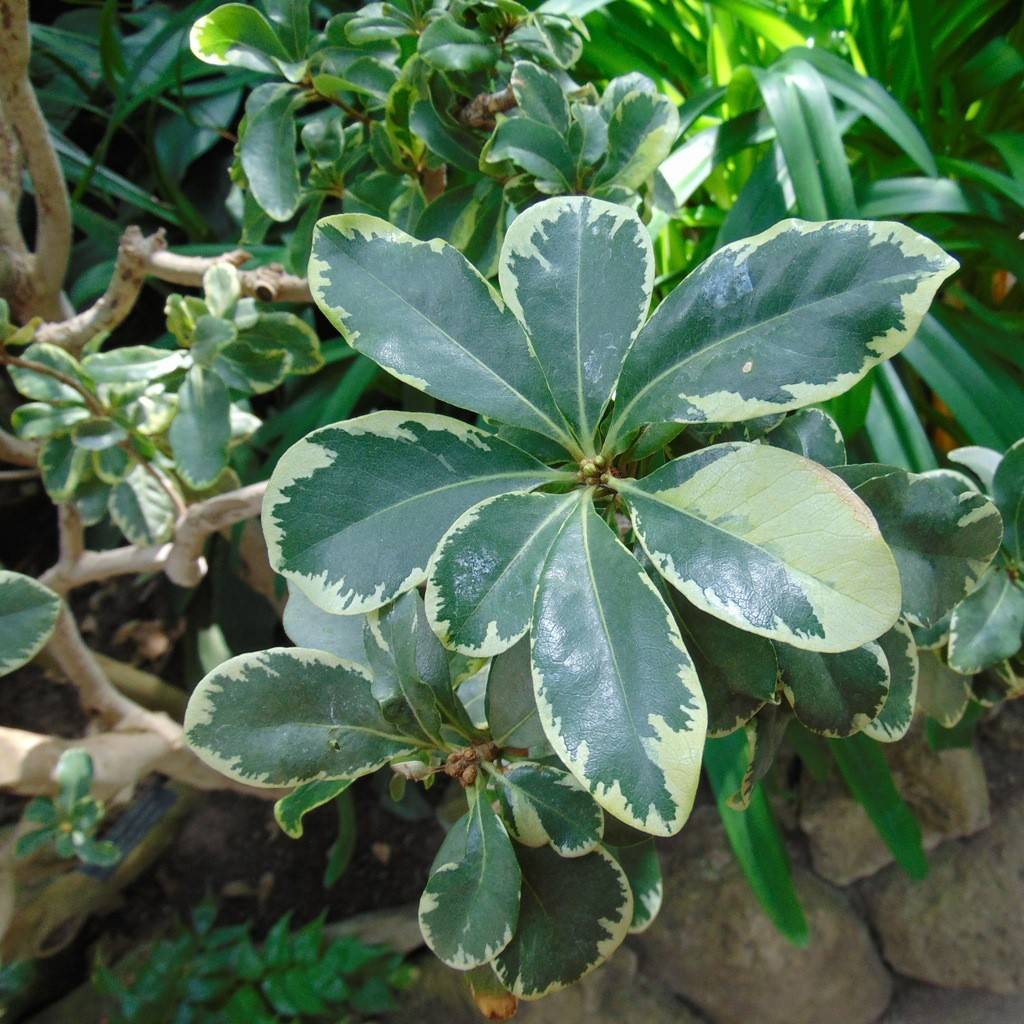
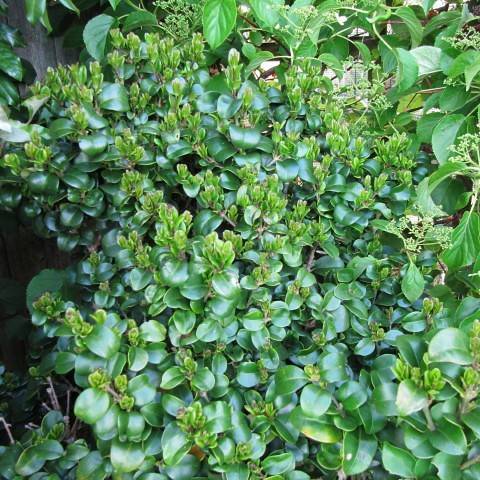
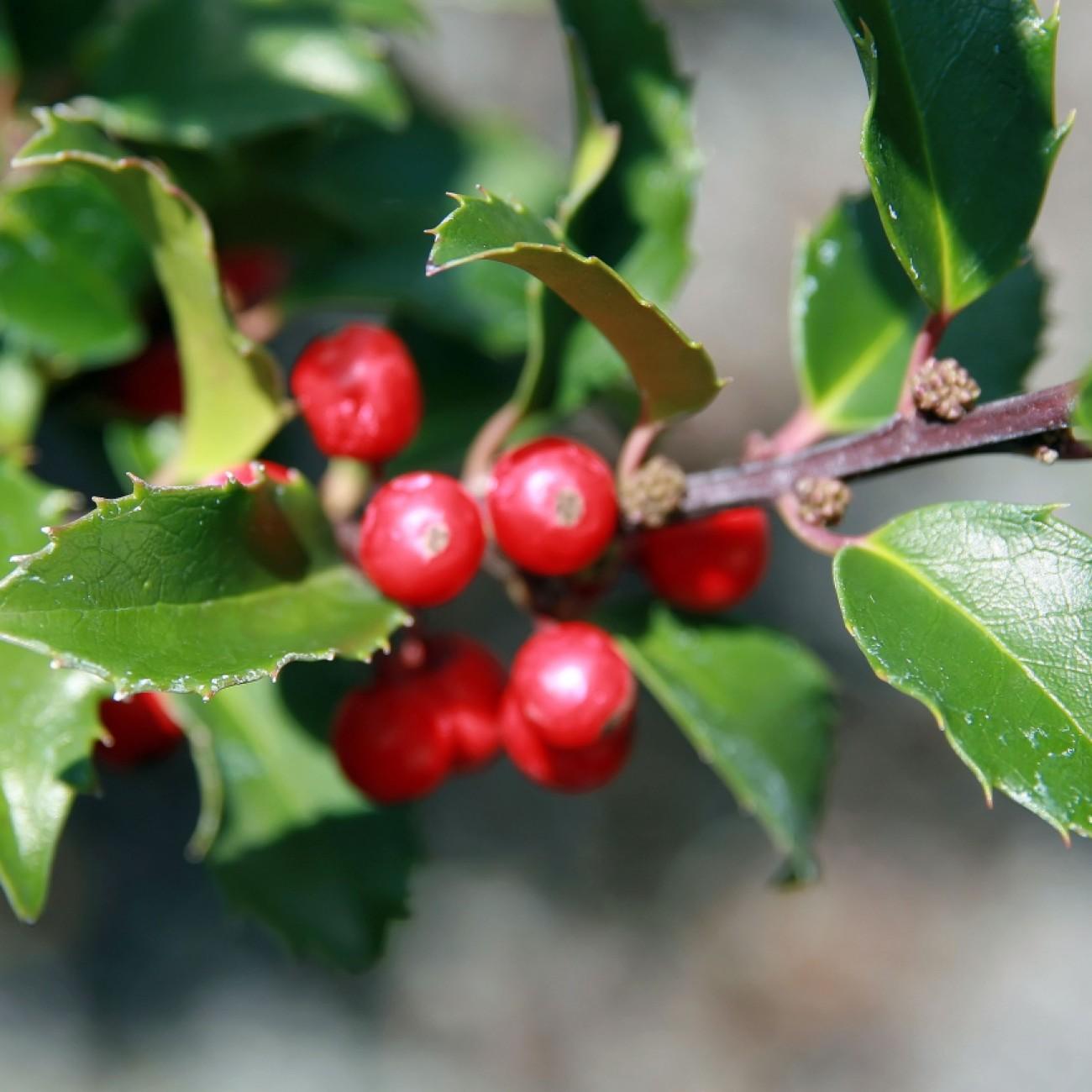
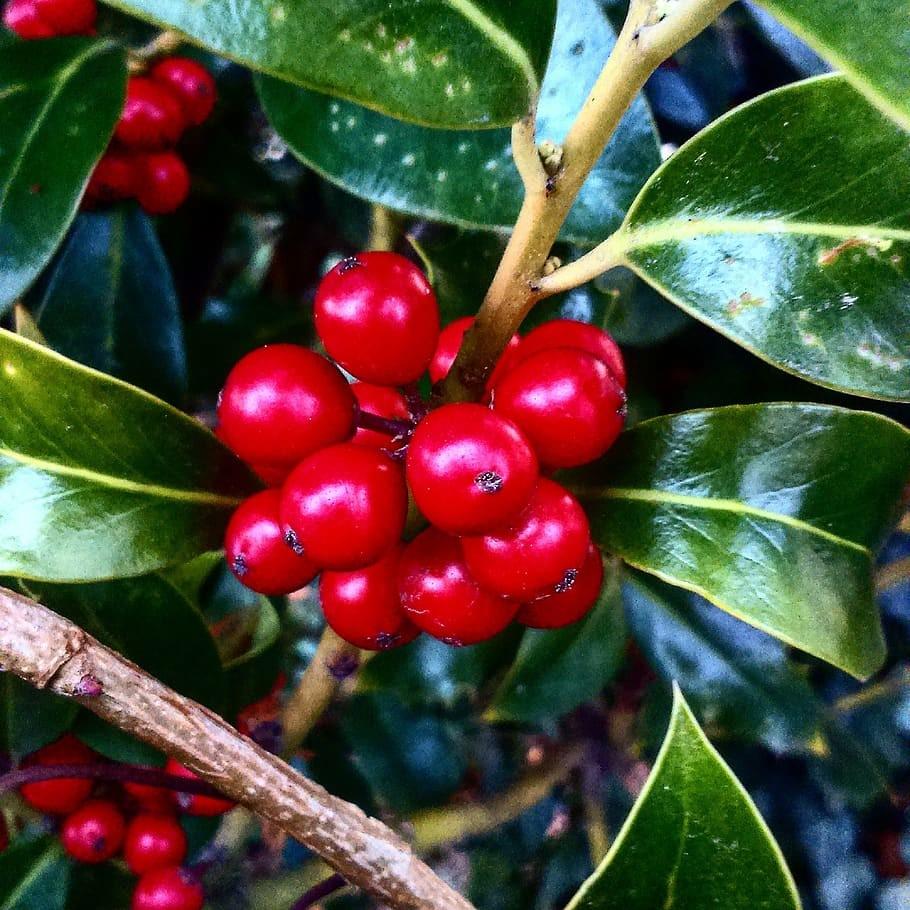
Japanese holly is a slow-growing evergreen shrub with a compact, rounded growth habit that mimics boxwood foliage, making it a popular low-maintenance alternative for formal gardens. It produces tiny, inconspicuous white flowers in spring, followed by small, glossy black berries on female plants if a male pollinator is present. Highly adaptable to shaping, it is frequently used for formal hedges, topiary sculptures, container plantings, and foundation plantings in temperate regions. It tolerates urban conditions well, making it suitable for residential and commercial landscapes alike.
Care Guide
Watering
Water newly planted Japanese holly regularly for the first 1-2 years to establish a deep root system, keeping soil consistently moist but not waterlogged. Once established, it is moderately drought-tolerant, requiring supplemental watering only during extended dry periods, especially in hot summer months. Avoid overwatering, as soggy soil can lead to root rot and fungal issues.
Light
Thrives in full sun to partial shade, with 4-6 hours of direct sunlight daily encouraging the densest, most compact foliage growth. In extremely hot, arid climates, provide light afternoon shade to prevent leaf scorch and reduce moisture stress. It can tolerate deeper shade but may produce sparser, leggy growth with less frequent pruning.
Soil
Prefers well-drained, loamy, slightly acidic soil with a pH between 5.0 and 6.5, though it adapts to a wide range of soil types including sandy and clay soils as long as drainage is adequate. Amend heavy clay soils with organic matter such as compost or peat moss to improve drainage before planting. Avoid alkaline soils, which can cause nutrient deficiencies leading to yellowed leaves (chlorosis).
Fertilizer
Feed in early spring before new growth emerges using a slow-release, balanced fertilizer formulated for acid-loving evergreens, such as a 10-10-10 or azalea/camellia blend. Apply a second light feeding in mid-summer if growth appears sparse or foliage is pale, avoiding fertilization after late summer to prevent stimulating tender new growth that can be damaged by frost. Always follow package dosage instructions to avoid over-fertilization, which can burn roots and damage the plant.
Temperature
Grows best in USDA hardiness zones 5 through 8, tolerating winter temperatures as low as -20°F (-29°C) once established. Provide winter protection for young plants in colder zones, such as a layer of mulch around the root zone and burlap wrapping to shield foliage from harsh winter winds and sunscald. In warmer regions above zone 8, it may struggle with excessive heat and humidity, requiring extra shade and airflow to thrive.
Pruning
Tolerates extremely heavy pruning and can be shaped into formal hedges, topiaries, or natural rounded forms, with the best time to prune being late winter or early spring before new growth begins. Light maintenance pruning can be done throughout the growing season to maintain desired shape, stopping 6-8 weeks before the first expected fall frost to avoid tender new growth damage. Remove any dead, diseased, or crossing branches annually to improve airflow and reduce pest and disease risk.
Propagation
Most commonly propagated from semi-hardwood cuttings taken in late summer or early fall, using 4-6 inch stem tip cuttings with the lower leaves removed, dipped in rooting hormone, and planted in a well-drained, sterile rooting medium. Keep cuttings in a warm, humid environment with bright indirect light, and roots will typically form within 8-12 weeks. It can also be grown from seed, but seeds require 3-12 months of cold stratification to germinate, and seedlings may not retain the exact characteristics of the parent plant.
Humidity
Adaptable to a wide range of humidity levels, thriving in the 40-70% relative humidity common in most temperate outdoor environments. When grown as a houseplant or in containers indoors, maintain average household humidity, using a pebble tray or room humidifier if indoor air is excessively dry during winter months. Ensure good airflow around the plant in high humidity conditions to prevent fungal leaf spot diseases.
Repotting
Container-grown Japanese holly should be repotted every 2-3 years in early spring before new growth emerges, choosing a container 1-2 inches larger than the current pot with adequate drainage holes. Use a well-drained, acidic potting mix formulated for evergreens, adding perlite or pumice to improve drainage if needed. Gently loosen the root ball before replanting, and water thoroughly after repotting to help the plant settle into its new container.
Uses & Symbolism
Japanese holly is most widely used as a low formal hedge, topiary specimen, or foundation planting in residential and commercial landscapes, valued for its dense foliage and ability to hold a crisp shape after pruning. Dwarf cultivars are popular for container plantings, bonsai, and small garden spaces, adding year-round evergreen structure to patio and entryway displays. Its dense branching also provides shelter and nesting sites for small birds, while its berries serve as a minor winter food source for wildlife, though they are not preferred over other berry-producing plants.
Diseases & Pests
Japanese holly is susceptible to root rot caused by Phytophthora fungi, which occurs in poorly drained, waterlogged soils and leads to yellowed foliage, wilting, and eventual plant death if not addressed. Common pests include spider mites, scale insects, and holly leafminers, which feed on foliage, cause discoloration, leaf drop, and reduced vigor if infestations are severe. Fungal leaf spot and powdery mildew may also occur in conditions of high humidity and poor airflow, causing unsightly blemishes on leaves but rarely leading to serious plant damage if treated promptly with appropriate fungicides and cultural adjustments.
Related plants
Other plants you might like if you grow Japanese Holly.