Chinese Holly
Ilex cornuta
Overview
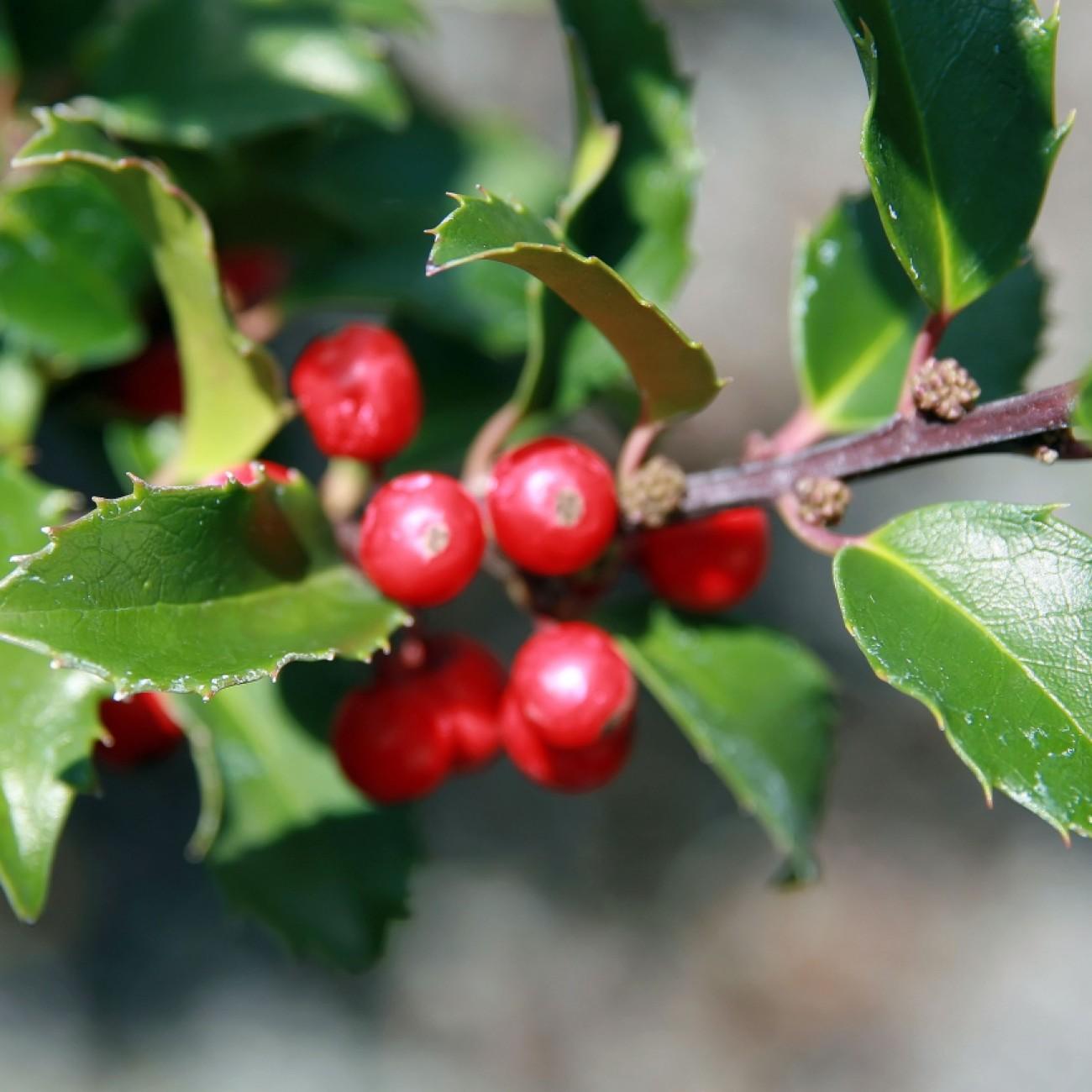
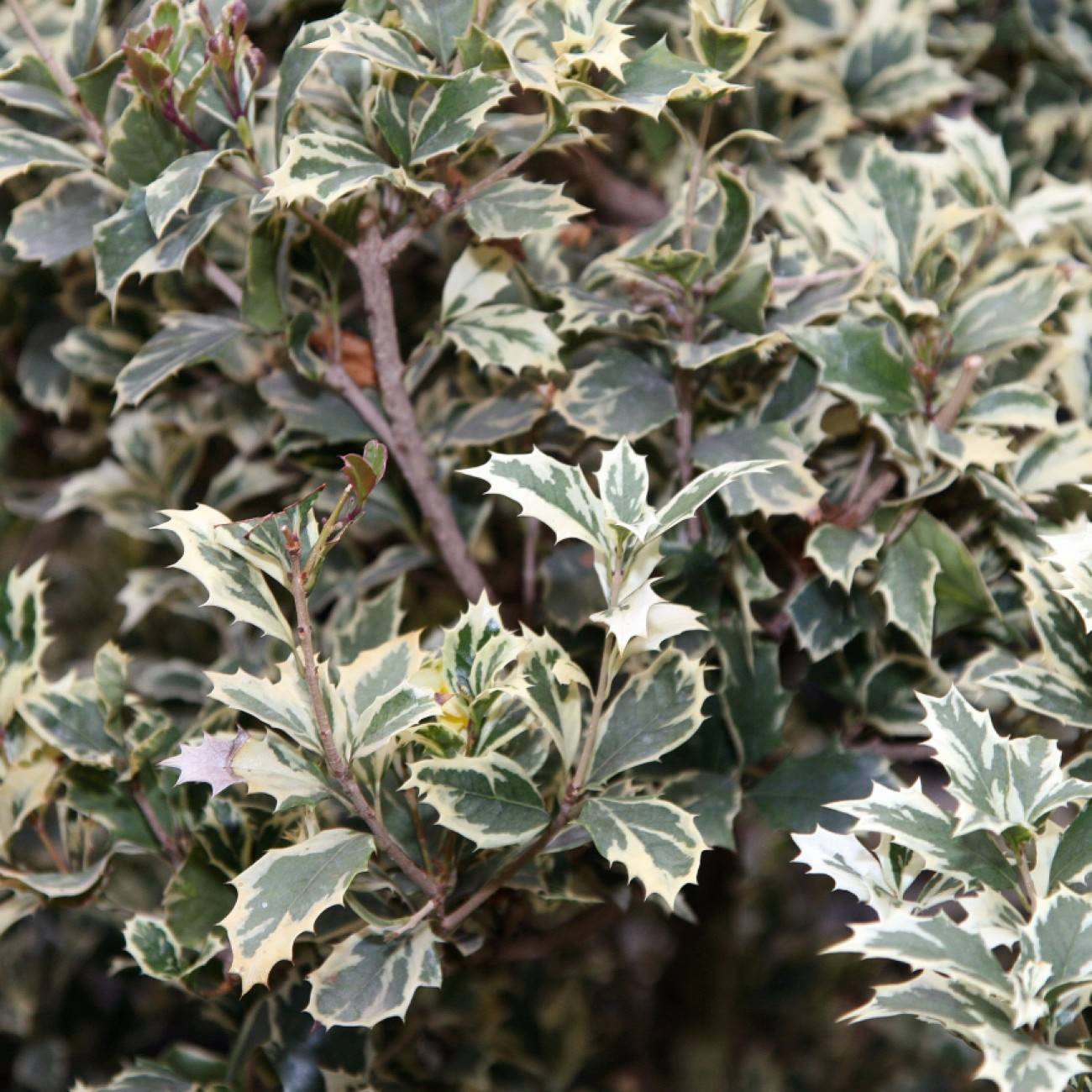
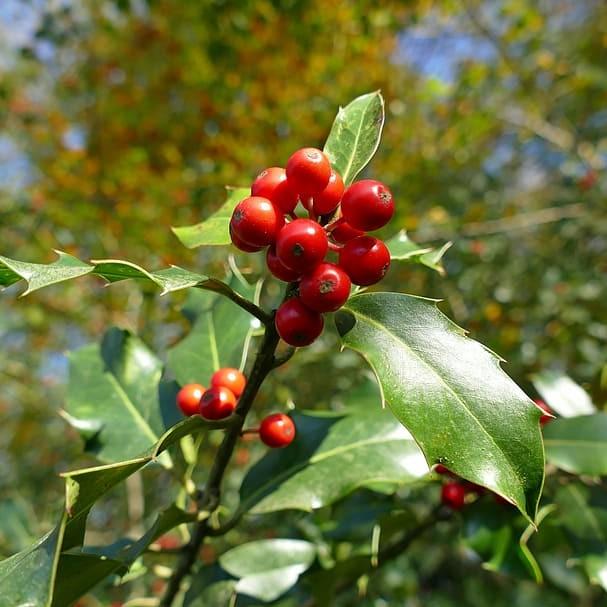
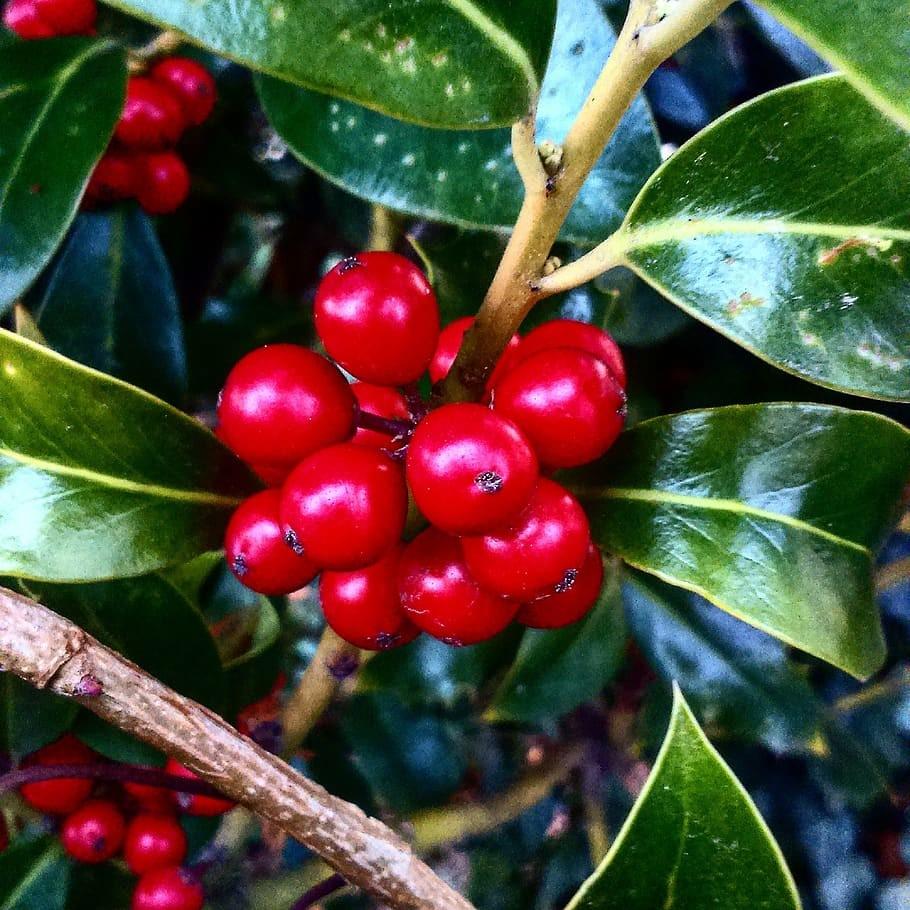
Chinese holly is a rugged, slow-growing evergreen shrub recognizable for its glossy, quadrangular leaves with 3-5 sharp spines, including a distinct spine on the leaf tip that curves downward. Female plants produce abundant clusters of small, bright red berries in fall that persist through winter, providing critical food for wild bird populations. It is highly adaptable to urban conditions, making it a popular choice for foundation plantings, hedges, and barrier screens in temperate and subtropical regions.
Care Guide
Watering
Water newly planted Chinese holly deeply once or twice weekly for the first growing season to establish a robust root system, keeping soil consistently moist but not waterlogged. Once established, it is highly drought-tolerant, requiring only occasional watering during extended periods of heat or dry weather, and overwatering is the most common cause of root rot. Avoid overhead watering to reduce the risk of foliar fungal diseases.
Light
Thrives in full sun to partial shade, with full sun exposure encouraging denser foliage growth and heavier berry production on female plants. It can tolerate deep shade, though growth will become sparser and berry yields will be significantly reduced. In extremely hot, arid climates, provide light afternoon shade to prevent leaf scorch.
Soil
Grows best in well-drained, loamy soil with a slightly acidic to neutral pH between 5.0 and 7.0, though it adapts readily to a wide range of soil types including clay, sand, and alkaline soils, as long as drainage is adequate. It does not tolerate persistently waterlogged or poorly drained soils, which quickly lead to fatal root rot. Amend heavy clay soils with compost or peat moss at planting time to improve drainage and structure.
Fertilizer
Apply a balanced, slow-release evergreen fertilizer in early spring before new growth emerges, following package dosage instructions to avoid over-fertilization, which can cause leaf burn and excessive weak growth. A second light application in early summer can support healthy foliage development, but avoid fertilizing after mid-summer, as this can stimulate tender new growth that is vulnerable to frost damage. Organic options such as compost or well-rotted manure can be spread as a top dressing around the root zone annually to improve soil health.
Temperature
Hardy in USDA zones 7 through 9, tolerating winter temperatures as low as 0°F (-18°C) once fully established. Young plants may require winter protection such as burlap wrapping in areas with harsh, cold winds to prevent desiccation and leaf burn. It tolerates high summer temperatures and humidity well, as long as adequate soil moisture is available.
Pruning
Prune in late winter or early spring before new growth begins to shape the plant, maintain desired size, or remove dead, damaged, or crossing branches. It tolerates heavy pruning exceptionally well, making it ideal for formal hedges or topiary, though avoid cutting back into old, bare wood, as it may not resprout reliably from overly mature growth. Wear thick gloves when pruning to avoid injury from the plant’s sharp spines.
Propagation
The most reliable method for home gardeners is semi-hardwood stem cuttings taken in late summer or early fall, treated with rooting hormone, and placed in a well-drained rooting medium under consistent moisture and indirect light. Growing from seed requires cold stratification for 3-6 months to break dormancy, and seedlings may take 5-10 years to reach maturity and produce berries, with variable traits not identical to the parent plant. Most commercial cultivars are grafted onto hardy rootstock to ensure consistent growth habit and berry production.
Humidity
Adaptable to a wide range of humidity levels, thriving in the moderate to high humidity of its native range as well as the drier conditions found in many temperate landscapes. It does not require any supplemental humidity when grown outdoors, though indoor potted specimens benefit from occasional misting during very dry winter heating periods. Ensure good air circulation around the plant to prevent fungal leaf spots in consistently high humidity.
Repotting
Dwarf Chinese holly cultivars grown in containers should be repotted every 2-3 years in early spring, moving up one pot size each time to accommodate root growth. Use a well-drained potting mix formulated for evergreen shrubs, and ensure the pot has ample drainage holes to prevent waterlogging. For mature potted specimens that cannot be repotted, refresh the top 2-3 inches of soil annually and prune back overgrown roots as needed to keep the plant contained.
Uses & Symbolism
Chinese holly is most widely planted as an ornamental landscaping shrub, used for privacy hedges, foundation plantings, barrier screens, and topiary due to its dense evergreen foliage and tolerance of heavy pruning. Its persistent red berries and glossy leaves make it a popular choice for holiday wreaths, garlands, and cut floral arrangements. In traditional Chinese medicine, extracts from its leaves and roots have been used to treat minor ailments such as colds, coughs, and joint pain, though consumption is not recommended due to its toxic properties.
Diseases & Pests
Common pests include scale insects, spider mites, and holly leaf miners, which feed on foliage and can cause discoloration, leaf drop, and stunted growth if left untreated, and can be controlled with horticultural oil or insecticidal soap. Fungal diseases such as leaf spot, powdery mildew, and root rot are most prevalent in poorly drained soils or conditions with high humidity and poor air circulation, and can be prevented by avoiding overhead watering and ensuring proper site selection. Chlorosis, or yellowing of leaves, may occur in overly alkaline soils, and can be corrected by applying soil sulfur to lower pH or using iron supplements.
Related plants
Other plants you might like if you grow Chinese Holly.