Knautia
Knautia arvensis
Overview
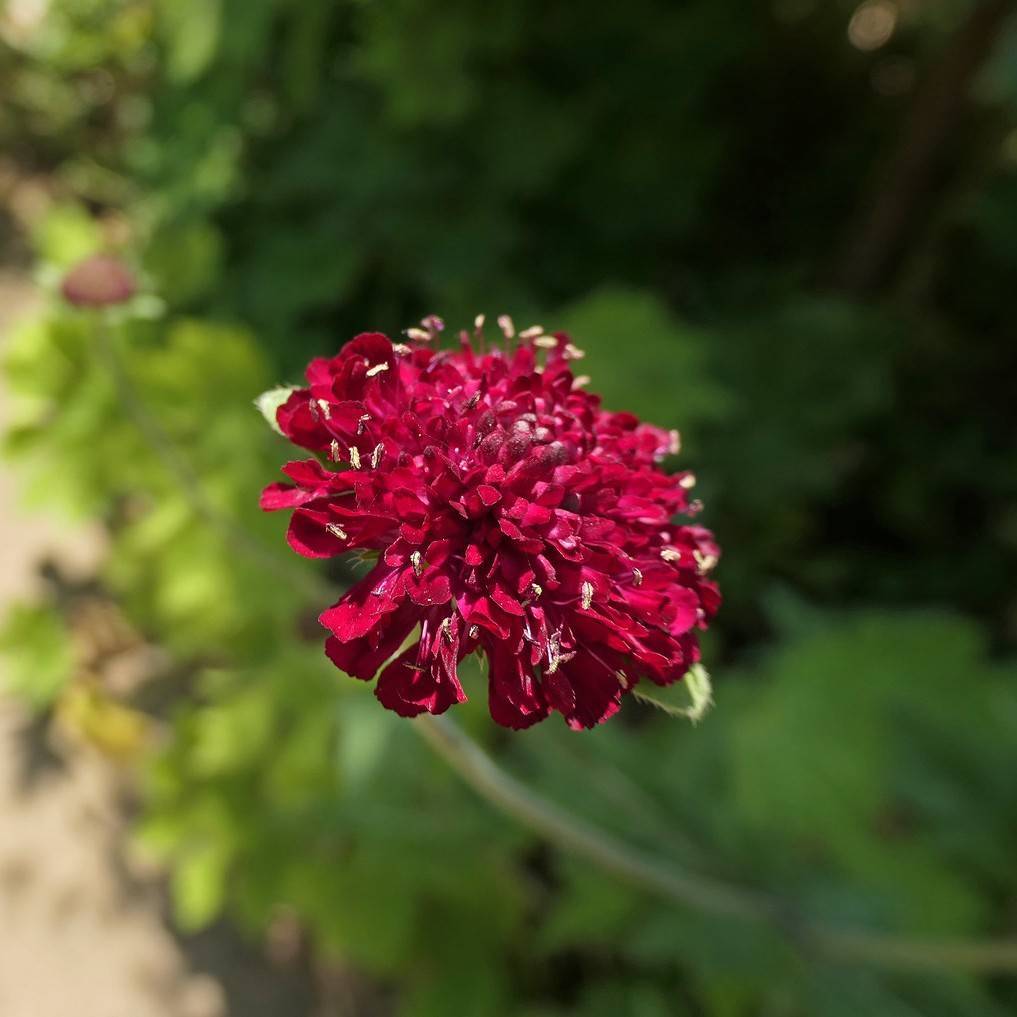
Knautia, commonly called field scabious, is a herbaceous perennial valued for its long-lasting, nectar-rich blooms that attract bees, butterflies, and hummingbirds. It features lobed, slightly hairy basal foliage and wiry, branching stems that hold its distinctive rounded flower heads aloft throughout the growing season. Adaptable to a range of conditions, it naturalizes readily in meadows, cottage gardens, and mixed border plantings, providing continuous color from mid-summer into early autumn.
Care Guide
Watering
Knautia prefers evenly moist, well-drained soil and is moderately drought tolerant once established. Water deeply during extended dry spells, allowing the top 1-2 inches of soil to dry out between waterings to prevent root rot. Avoid overwatering or allowing plants to sit in saturated soil, especially during the winter months.
Light
This plant thrives in full sun, requiring at least 6 hours of direct sunlight daily to produce abundant blooms and maintain a compact, upright growth habit. It can tolerate partial shade, but flowering will be reduced, and stems may become leggy and require staking to stay upright.
Soil
Knautia adapts to a wide range of soil types, including sandy, loamy, and clay soils, as long as they are well-drained. It prefers a neutral to slightly alkaline pH, but will tolerate slightly acidic conditions as well. Avoid heavy, waterlogged soils, as these can cause root rot and kill the plant.
Fertilizer
Knautia is a light feeder and generally does not require regular fertilization, especially if grown in average garden soil. A light application of balanced, slow-release fertilizer in early spring can support healthy growth, but over-fertilizing will lead to excessive foliage growth and fewer flowers. For poor soils, amend with compost once a year in spring to improve nutrient content naturally.
Temperature
This plant is hardy in USDA zones 5-9, tolerating winter temperatures as low as -20°F (-29°C) when established. It prefers moderate summer temperatures between 60-80°F (15-27°C), and can tolerate short periods of heat above 90°F (32°C) if provided with adequate moisture. Mulch around the base in late fall to insulate roots in regions with harsh winter conditions.
Pruning
Deadhead spent flower heads regularly throughout the blooming season to encourage continuous flowering and prevent unwanted self-seeding. Cut back stems to the basal foliage after the first flush of blooms to promote a second, smaller flush of flowers in late fall. In late winter or early spring, cut back all old foliage to the ground to make way for new, healthy growth.
Propagation
Knautia can be propagated by seed, division, or basal cuttings. Sow seeds directly outdoors in fall or early spring, as they require a period of cold stratification to germinate. Divide mature clumps every 3-4 years in early spring or fall to maintain plant vigor, replanting divisions at the same depth they were growing previously.
Humidity
Knautia adapts well to average outdoor humidity levels, thriving in conditions ranging from 40-70% relative humidity. It does not require extra humidity, and good air circulation around the foliage helps prevent fungal diseases in more humid climates. Avoid overhead watering to keep leaves dry and reduce disease risk in humid environments.
Repotting
Knautia is rarely grown in containers, but if potted, repot every 2-3 years in early spring using a well-drained, loamy potting mix. Choose a container with drainage holes at least 2 inches larger than the root ball to accommodate growth. After repotting, water thoroughly and place in a sunny location to help the plant establish.
Uses & Symbolism
Knautia is a popular addition to cottage gardens, pollinator gardens, meadow plantings, and mixed borders, where its airy stems and colorful blooms add soft texture and long-lasting color. Its long, sturdy stems make it an excellent cut flower for fresh arrangements, with blooms lasting up to a week in a vase. It is also used in wildflower restoration projects to support native pollinator populations and improve biodiversity in disturbed areas.
Diseases & Pests
Knautia is relatively pest and disease resistant, but can be susceptible to aphids and spider mites during hot, dry weather, which can be controlled with insecticidal soap or a strong spray of water. Fungal diseases such as powdery mildew and root rot can occur in poorly drained soils or humid conditions with poor air circulation. Prevent fungal issues by planting in well-drained soil, spacing plants to allow air flow, and avoiding overhead watering.
Related plants
Other plants you might like if you grow Knautia.