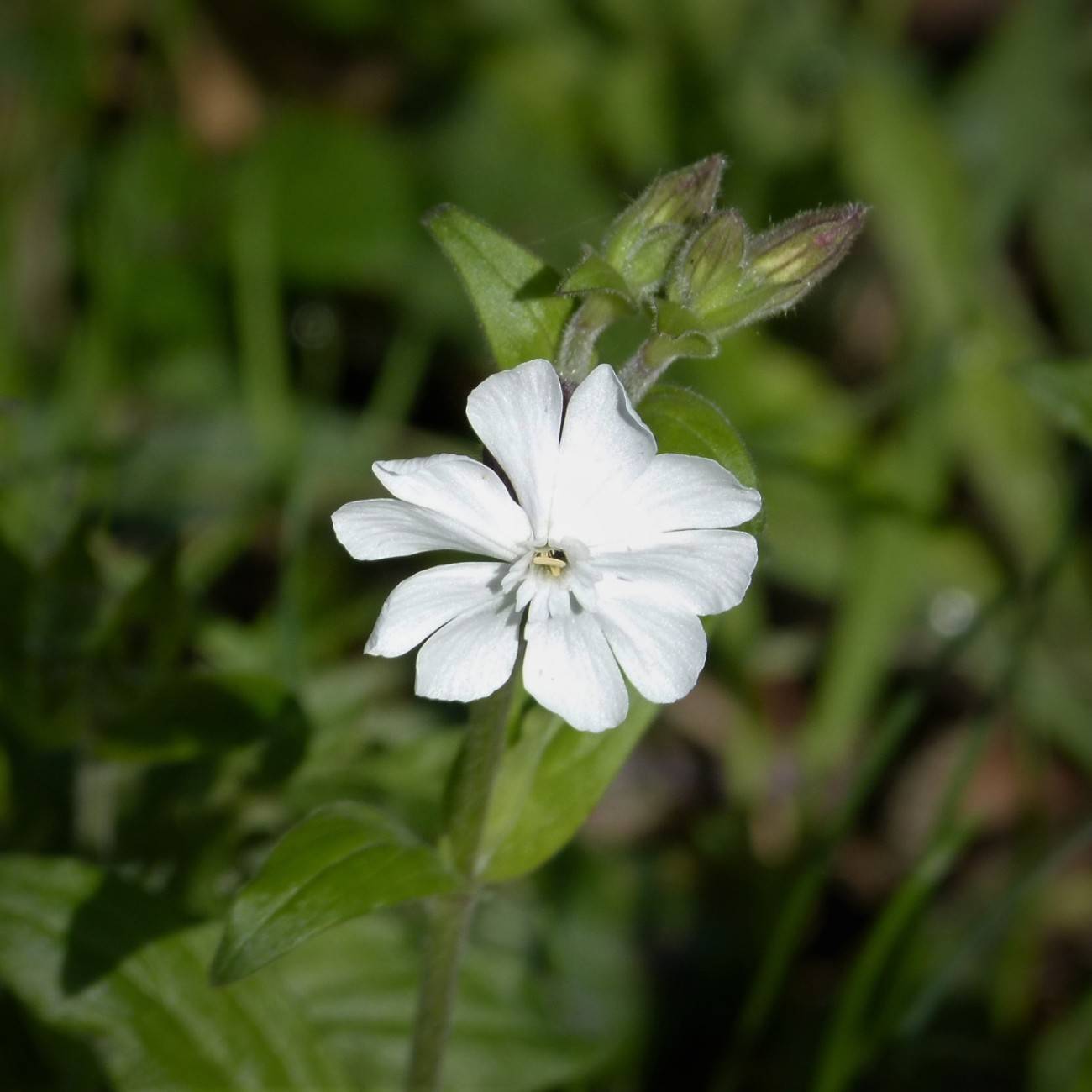
Campion
Silene vulgaris
Overview
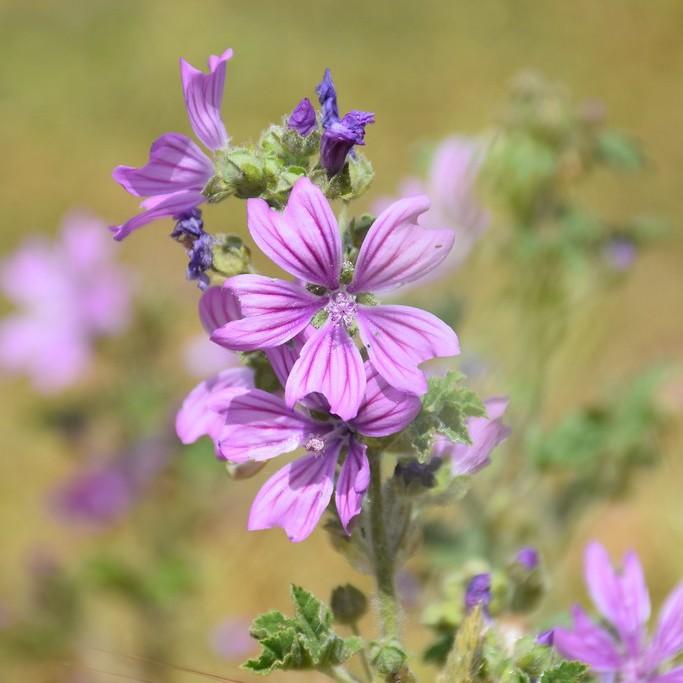
Campion, also called bladder campion for its distinctive puffy, green-veined calyxes that enclose its five-petaled, notched flowers, thrives in meadows, rocky slopes, and disturbed soils across its native range. It has a clumping growth habit with soft, lance-shaped gray-green foliage that forms a low basal rosette before upright flower stalks emerge in warm months. Widely naturalized in North America, it is a popular choice for low-effort wildlife gardens and naturalized landscaping.
Care Guide
Watering
Campion is drought-tolerant once established, requiring only occasional deep watering during prolonged dry spells. Overwatering or soggy soil will quickly cause root rot, so allow the top 2-3 inches of soil to dry out completely between waterings. Avoid wetting the foliage when watering to reduce fungal disease risk.
Light
This species grows best in full sun, which encourages maximum flower production and sturdy, upright stem growth. It can tolerate partial shade, though plants in shadier spots may become leggy and produce fewer blooms. In extremely hot, arid climates, it benefits from light afternoon shade to prevent leaf scorch.
Soil
Campion adapts to a wide range of soil types, including poor, rocky, or sandy soils, as long as drainage is excellent. It prefers neutral to slightly alkaline soil pH, but will tolerate mildly acidic conditions as well. Heavy clay soils should be amended with sand or grit to improve drainage before planting.
Fertilizer
Campion requires very little supplemental feeding, as it thrives in low-nutrient soils. A light application of balanced, slow-release fertilizer in early spring is sufficient for the entire growing season. Over-fertilization will lead to excessive leaf growth at the expense of flowers and weak, floppy stems.
Temperature
It is hardy in USDA zones 3 through 9, tolerating winter temperatures as low as -40°F (-40°C) without extra protection. It prefers moderate summer temperatures between 60-80°F (15-27°C), but will tolerate short periods of heat above 90°F (32°C) if provided with adequate moisture. Extreme heat combined with high humidity may stress plants and increase disease risk.
Pruning
Deadhead spent flowers regularly throughout the blooming season to encourage continuous flower production and prevent unwanted self-seeding if spread is a concern. Cut back the entire plant to 2-3 inches above the soil line after flowering finishes in late summer to encourage fresh basal foliage growth for the rest of the season. Remove any damaged or yellowed leaves as they appear to keep the plant healthy and tidy.
Propagation
Campion is most easily propagated by seed, sown directly outdoors in fall or early spring, as seeds require a period of cold stratification to germinate. Mature clumps can also be divided in early spring or fall, separating the root ball into smaller sections and replanting immediately at the same depth they were growing. Stem cuttings taken from non-flowering shoots in early summer will root readily in moist, well-draining potting mix.
Humidity
Campion prefers moderate to low humidity levels, making it well-suited to dry and temperate climates. It does not tolerate high, consistent humidity well, as prolonged moist conditions can promote fungal leaf spots and crown rot. Ensure plants have good air circulation around their foliage to reduce humidity-related issues in more humid regions.
Repotting
Campion is rarely grown in containers, but if potted, it only needs repotting every 2-3 years when it outgrows its current container. Repot in early spring before new growth emerges, using a fast-draining potting mix amended with sand or perlite to improve drainage. Choose a container with multiple drainage holes to prevent water buildup at the root zone.
Uses & Symbolism
Campion is a popular addition to cottage gardens, wildflower meadows, and rock gardens, where its delicate blooms attract bees, butterflies, and other beneficial pollinators. Its young leaves and shoots are edible, with a mild, pea-like flavor, and can be eaten raw in salads or cooked as a leafy green in many European culinary traditions. It is also used in ecological restoration projects to stabilize disturbed soils and provide habitat for native insect species.
Diseases & Pests
Campion is relatively pest and disease resistant, though overwatered or crowded plants may develop fungal issues such as powdery mildew, rust, or root rot. Aphids and spider mites may occasionally infest new growth, especially on plants grown in overly warm, dry conditions, and can be controlled with insecticidal soap or a strong spray of water. Slugs and snails may feed on young foliage in damp, shaded areas, and can be deterred with copper tape or organic bait.
Related plants
Other plants you might like if you grow Campion.