Dwarf False Indigo
Baptisia australis var. minor
Overview
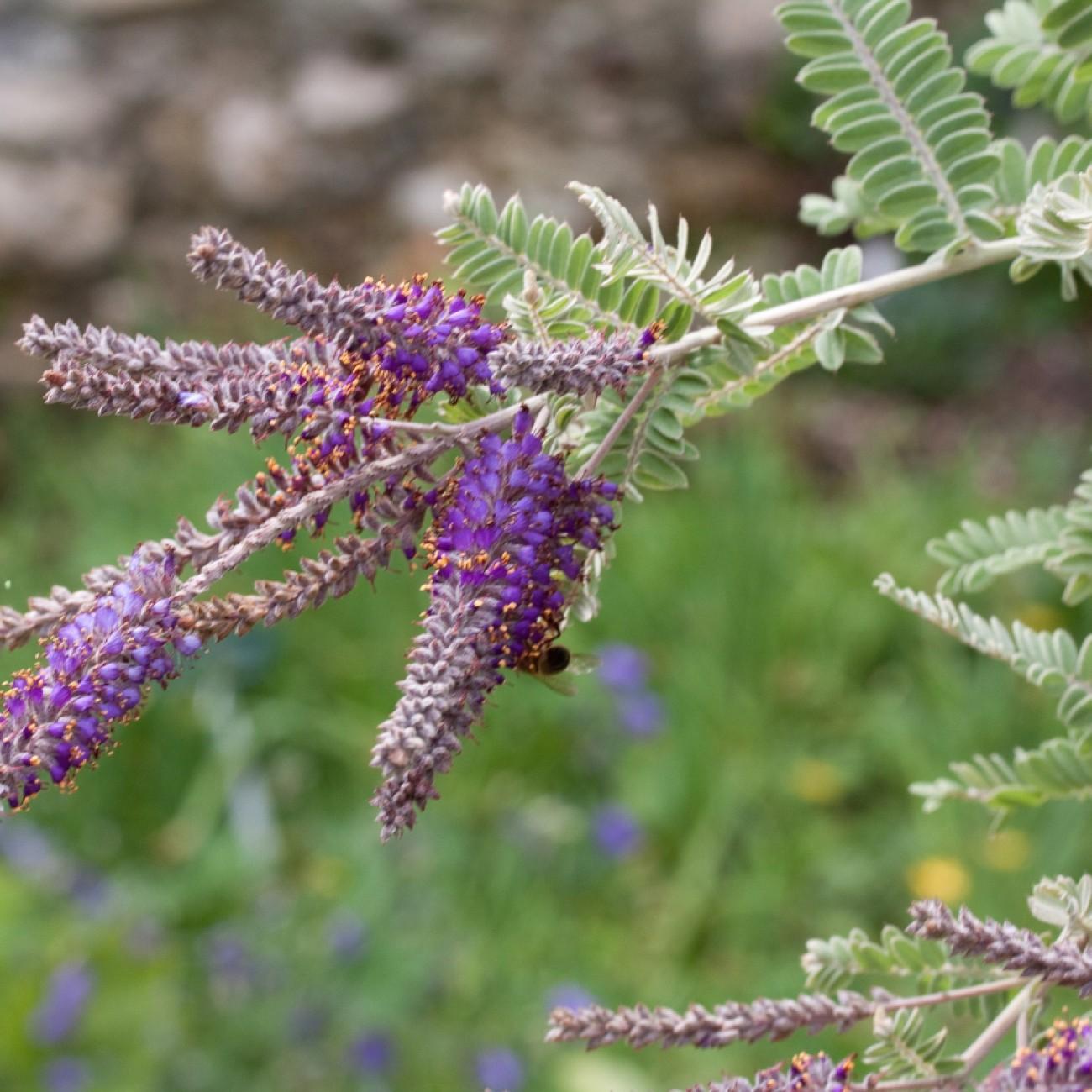
Dwarf false indigo is a compact cultivar of the larger Baptisia australis, prized for its smaller stature that fits well in smaller garden beds and container plantings. In late spring to early summer, it produces erect spikes of vivid indigo-blue pea-shaped flowers that attract bumblebees, butterflies, and other native pollinators. After flowering, it develops ornamental charcoal-gray seed pods that persist through fall, adding textural interest to landscapes. Its deep taproot makes it highly drought-tolerant once established, and it is a low-maintenance choice for native plant and pollinator gardens.
Care Guide
Watering
Water newly planted dwarf false indigo regularly for the first growing season to help it establish a deep root system, keeping soil evenly moist but not waterlogged. Once established, it is extremely drought-tolerant, only needing supplemental water during extended periods of extreme heat or drought, as overwatering can cause root rot. Avoid frequent shallow watering, as it encourages weak, shallow root growth that reduces the plant's hardiness.
Light
Grow dwarf false indigo in full sun for the most vigorous growth, abundant flowering, and sturdiest stems that do not require staking. It can tolerate light partial shade, but plants grown in shadier conditions will produce fewer flowers, have leggier growth, and may need support to prevent flopping. Ensure it receives at least 6 hours of direct sunlight daily for optimal performance.
Soil
This adaptable plant thrives in well-drained, sandy, loamy, or even clay soils, and tolerates poor, rocky, and low-nutrient soils with ease. It prefers a neutral to slightly acidic pH range of 6.0 to 7.5, but can adapt to slightly alkaline conditions as well. It cannot tolerate waterlogged or consistently soggy soil, which will quickly cause its deep taproot to rot, so ensure planting sites have excellent drainage.
Fertilizer
Dwarf false indigo is a nitrogen-fixing legume, so it rarely requires additional fertilizer, as it produces its own nitrogen to support growth. Overfertilizing, especially with high-nitrogen blends, will encourage excessive leafy growth at the expense of flowers and can lead to weak, floppy stems. If planted in extremely poor, nutrient-depleted soil, you can apply a thin layer of compost around the base of the plant in early spring once every 2 to 3 years for a mild nutrient boost.
Temperature
It is extremely cold-hardy, thriving in USDA zones 3 through 9, tolerating winter temperatures as low as -40°F (-40°C) without winter protection in most regions. It adapts well to summer heat and humidity across its growing range, though it may go dormant earlier in extended periods of extreme, unrelenting drought and heat. Young plants may benefit from a light layer of mulch around their base in their first 2 winters to insulate the developing root system from temperature fluctuations.
Pruning
Prune spent flower spikes immediately after blooming if you do not wish to retain the ornamental seed pods, which will encourage a tidier, bushier growth habit. If you want to keep the decorative seed pods for fall and winter interest, leave the spikes intact, and cut back the entire plant to 2 to 3 inches above ground level in late winter or early spring before new growth emerges. Avoid heavy pruning after mid-summer, as this can stimulate new, tender growth that will be damaged by early fall frosts.
Propagation
The most reliable method of propagation is by seed, which requires cold stratification for 4 to 6 weeks to break dormancy, and can be sown directly outdoors in fall or started indoors in late winter before the last frost. It can also be propagated by root cuttings taken in late winter while the plant is dormant, though its deep taproot makes division difficult and often stressful for established plants. Seed-grown plants typically take 2 to 3 years to reach flowering maturity, so be patient with young specimens.
Humidity
Dwarf false indigo adapts well to a wide range of humidity levels, thriving in both the dry climates of the Great Plains and the humid conditions of the southeastern United States. It has no special humidity requirements, and high humidity rarely causes issues as long as the plant is grown in well-drained soil and has adequate air circulation around its foliage. Excessively high humidity combined with poor air flow and soggy soil can increase the risk of fungal leaf spots, so space plants 1 to 2 feet apart to encourage ventilation.
Repotting
If grown in containers, repot dwarf false indigo only when it has completely outgrown its current pot, as its deep taproot is easily damaged during disturbance. Use a deep container at least 12 inches deep to accommodate the taproot, and use a well-drained, loamy potting mix with added perlite or sand to improve drainage. When repotting, handle the root ball carefully to avoid breaking the taproot, and do not fertilize for at least 6 weeks after repotting to allow the roots to recover from disturbance.
Uses & Symbolism
Dwarf false indigo is widely used in native pollinator gardens, rock gardens, and small landscape beds, where its compact size and bright blue flowers add seasonal color without overwhelming smaller spaces. Its long-lasting cut flowers are popular for fresh floral arrangements, and its dried seed pods are frequently used in dried wreaths and everlasting floral displays. As a nitrogen-fixing legume, it also improves soil health in garden beds, making it a valuable companion plant for nutrient-demanding flowering species.
Diseases & Pests
Dwarf false indigo is largely pest and disease resistant, with very few common issues when grown in suitable conditions. It can occasionally develop fungal leaf spots or powdery mildew in areas with poor air circulation, extended periods of wet foliage, or overly shaded planting sites. Rare pest visitors include weevils, aphids, and spider mites, which can be treated with insecticidal soap or neem oil if infestations become severe, though they rarely cause significant damage to healthy, established plants.
Related plants
Other plants you might like if you grow Dwarf False Indigo.