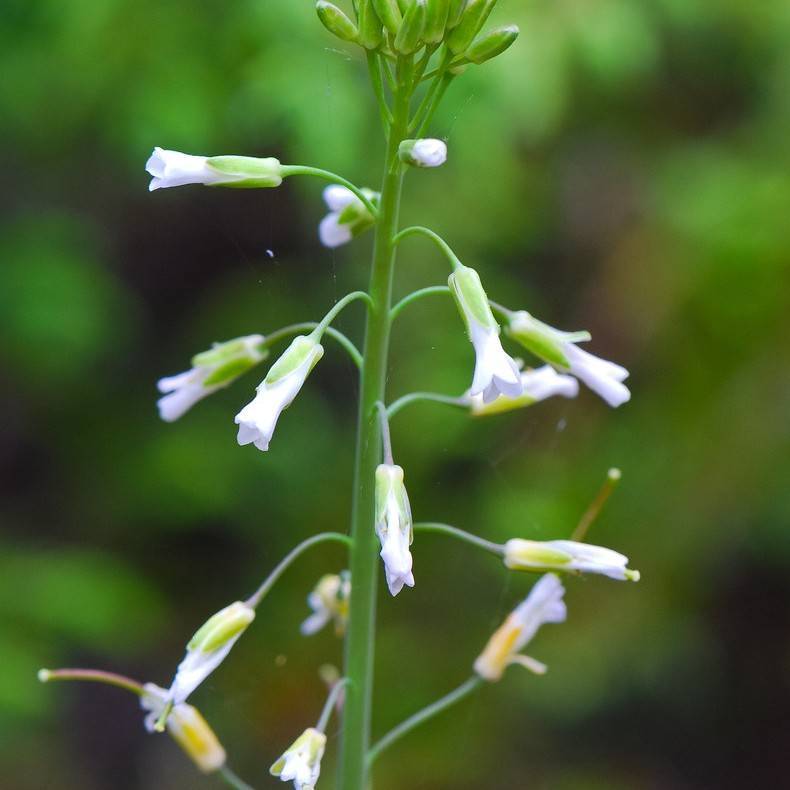
Graham's Rockcress
Boechera grahamii
Overview
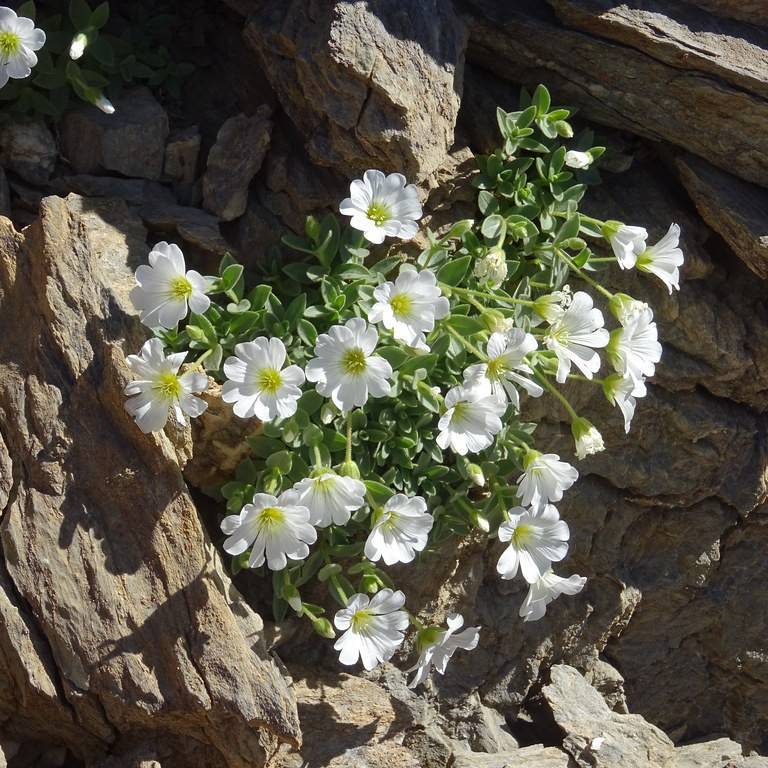
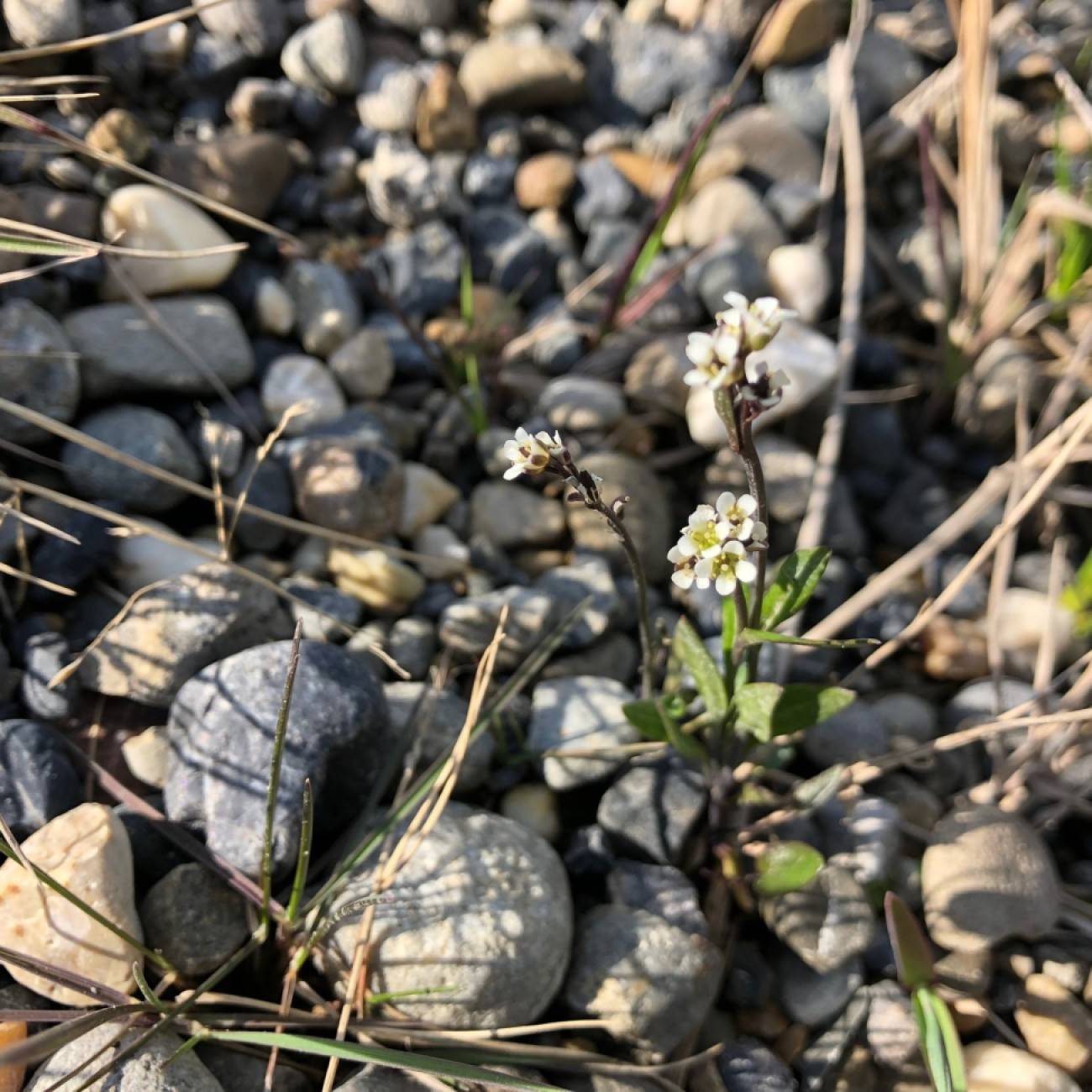
Graham's Rockcress is a low-growing, mat-forming alpine perennial adapted to rocky, well-drained mountain slopes and dry meadows in its native range. It produces loose clusters of four-petaled, sweetly fragrant pale pink to lavender-purple flowers in early spring, which attract native bees, butterflies, and other pollinators. After flowering, it develops slender, upright seed pods that add subtle textural interest to garden beds through late summer. It is highly valued for its extreme drought tolerance and ability to thrive in poor, shallow soils that many other garden plants cannot tolerate.
Care Guide
Watering
Water newly planted Graham's Rockcress regularly for the first 2 to 3 months to help establish a deep root system, keeping soil evenly moist but never waterlogged. Once established, it is extremely drought-tolerant, requiring only occasional supplemental watering during extended periods of extreme heat or prolonged drought; overwatering is the most common cause of plant failure. Reduce watering almost entirely in the winter months, allowing the soil to dry out completely between rare, light waterings to prevent root rot in cool, damp conditions.
Light
Graham's Rockcress thrives in full sun, requiring a minimum of 6 hours of direct, unfiltered sunlight per day to produce abundant blooms and maintain a compact, healthy growth habit. It can tolerate very light, dappled shade in particularly hot, arid climates, but too much shade will cause it to become leggy, reduce flowering, and make it more susceptible to fungal diseases. When grown indoors, place it in a south-facing window that receives all-day direct sun, or supplement with full-spectrum grow lights to meet its high light requirements.
Soil
This species requires sharply drained, low-fertility soil with a neutral to slightly alkaline pH to thrive; it is well-adapted to shallow, rocky, or sandy soils that are low in organic matter. Avoid heavy, clay-rich soils that retain moisture, as these will quickly lead to root rot even with infrequent watering. For container cultivation, use a well-draining cactus or succulent potting mix amended with coarse sand, perlite, or crushed limestone to improve drainage and adjust pH to its preferred range.
Fertilizer
Graham's Rockcress is adapted to low-nutrient soils and requires very little fertilization to thrive; overfertilization will cause excessive, leggy leaf growth at the expense of flowering. A single, light application of balanced, slow-release granular fertilizer with a low nitrogen content applied in early spring, just as new growth emerges, is sufficient for the entire growing season. Avoid liquid fertilizers and high-nitrogen formulas entirely, as these can damage its delicate root system and reduce its drought tolerance.
Temperature
This hardy alpine perennial is adapted to cool mountain climates, tolerating winter temperatures as low as -20°F (-29°C) when planted in USDA hardiness zones 4 through 9. It prefers cool spring and fall growing conditions, and can tolerate high summer temperatures up to 100°F (38°C) as long as it is planted in well-drained soil and not overwatered during heatwaves. In regions with extremely hot, humid summers, it benefits from light afternoon shade to reduce heat stress and prevent foliage scorch.
Pruning
Prune Graham's Rockcress lightly immediately after flowering to remove spent bloom stalks, encourage a more compact growth habit, and prevent unwanted self-seeding if you do not want volunteer seedlings to spread in your garden. Trim back any damaged, yellowed, or leggy foliage in early spring before new growth begins to keep the plant looking tidy and improve air circulation around the base of the foliage. Avoid heavy pruning, as this can damage the woody base of the plant and reduce flowering in the following season.
Propagation
Graham's Rockcress is most easily propagated from seed, which can be sown directly outdoors in late fall or early spring, or started indoors 6 to 8 weeks before the last expected frost date; seeds require no stratification and germinate readily in 10 to 20 days in cool, bright conditions. It can also be propagated from softwood stem cuttings taken in early summer, before flowering has finished; dip cuttings in rooting hormone, plant in a sandy, well-drained medium, and keep lightly moist until roots form in 3 to 4 weeks. Mature clumps can be divided in very early spring, just as new growth emerges, though the plant has a deep taproot that makes division more difficult than propagation from seed or cuttings.
Humidity
Graham's Rockcress prefers low to moderate humidity levels between 30% and 50%, matching the dry, breezy conditions of its native mountain habitat. It does not tolerate high humidity well, especially when combined with warm temperatures and wet soil, as this increases the risk of fungal leaf spots and root rot. Ensure good air circulation around the plant at all times, whether grown in the ground or in containers, to reduce moisture buildup on foliage and prevent disease.
Repotting
When grown in containers, Graham's Rockcress only needs repotting every 3 to 4 years, as it prefers to be slightly root-bound and has a deep taproot that does not respond well to frequent disturbance. Repot in early spring, just as new growth emerges, using a pot that is only 1 to 2 inches larger in diameter than the current container to avoid excess soil that holds unnecessary moisture. Take great care not to damage the taproot during repotting, as injury to this central root can cause the plant to decline or die.
Uses & Symbolism
Graham's Rockcress is a popular choice for rock gardens, alpine gardens, xeriscapes, and crevice gardens, where its low-growing habit and tolerance for poor, shallow soil make it an ideal ground cover for difficult, dry sites. Its fragrant spring flowers provide an important early nectar source for native bees, butterflies, and other pollinators, making it a valuable addition to pollinator gardens and native plant landscapes. It is also suitable for container cultivation on sunny patios and windowsills, as long as it is planted in a well-draining mix and not overwatered.
Diseases & Pests
Aphids and flea beetles are the most common insect pests, feeding on new growth and foliage respectively, and can be controlled with insecticidal soap or neem oil. Fungal issues including leaf spot and powdery mildew may occur in high-humidity conditions or with poor air circulation, and can be prevented by avoiding overhead watering and spacing plants to improve airflow. Root rot, caused by overwatering or poorly drained soil, is the most serious threat to this plant and is often fatal if not addressed quickly by reducing watering and improving soil drainage.
Related plants
Other plants you might like if you grow Graham's Rockcress.