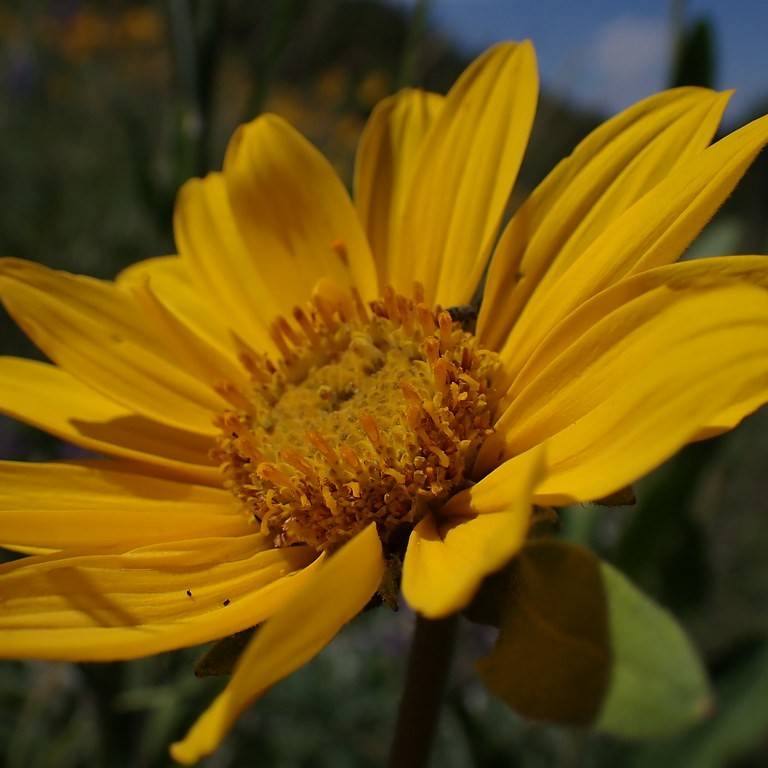
Arrowleaf Balsamroot
Balsamorhiza sagittata
Overview
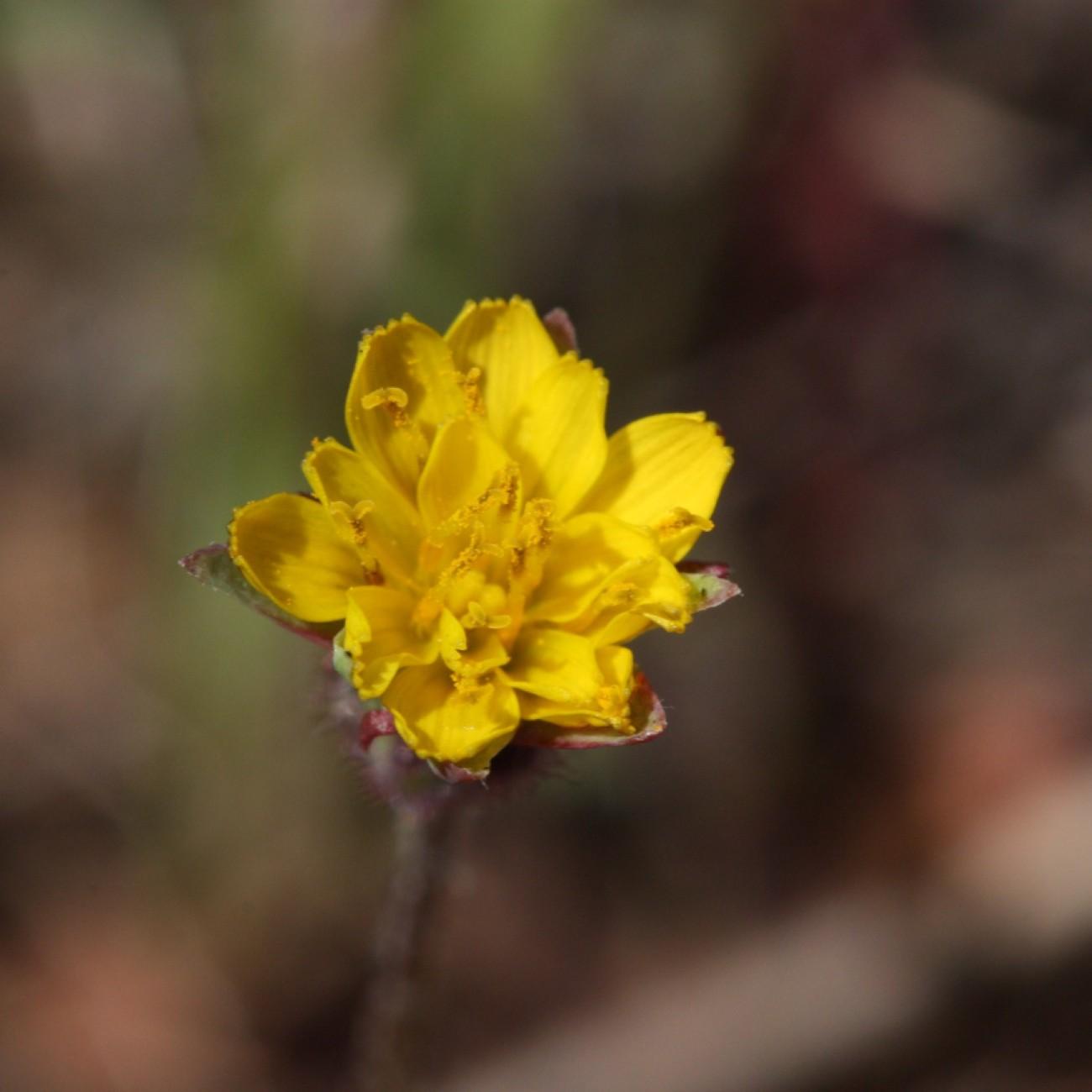
Arrowleaf balsamroot is a drought-tolerant herbaceous perennial native to dry, open slopes, prairies, and coniferous forest edges across western North America. It produces large, fuzzy, arrowhead-shaped basal leaves that grow up to 12 inches long, and bright yellow composite flowers on tall, leafless stalks in late spring to early summer. The plant has a deep, thick taproot that allows it to survive harsh, dry conditions, and it is a key food source for native pollinators, deer, and elk in its native range.
Care Guide
Watering
Arrowleaf balsamroot is extremely drought-tolerant once established, requiring only occasional supplemental water during extended, severe dry spells in its native range. Overwatering, especially in heavy or poorly drained soils, will quickly lead to root rot and plant death. Newly planted specimens need regular, light watering for the first 1 to 2 growing seasons to help their taproots establish.
Light
This species requires full, direct sunlight for at least 6 to 8 hours per day to thrive and produce abundant blooms. It will not grow well in partial or full shade, where it will become leggy, produce few flowers, and be more susceptible to fungal diseases. Plant it in an open, unobstructed location with no overhead shade from trees or structures.
Soil
Arrowleaf balsamroot prefers well-drained, sandy or gravelly loam soils with a neutral to slightly alkaline pH, but it can adapt to poor, rocky, low-fertility soils common in its native habitat. It cannot tolerate heavy clay soils or locations with standing water, as these will cause its deep taproot to rot. Amending heavy planting sites with sand or gravel to improve drainage is critical for long-term survival.
Fertilizer
This wildflower is adapted to low-fertility soils and rarely requires fertilizer, which can encourage excessive leaf growth at the expense of flowers and reduce its drought tolerance. If grown in extremely poor, nutrient-depleted soil, a single application of a low-nitrogen, slow-release fertilizer in early spring is sufficient. Avoid high-nitrogen fertilizers entirely, as they will harm the plant’s natural growth habit.
Temperature
Arrowleaf balsamroot is extremely cold-hardy, tolerating winter temperatures as low as -40°F (-40°C) in USDA hardiness zones 3 through 8. It thrives in hot, dry summer conditions common in its native range, and is highly resistant to heat stress and drought once established. It does not perform well in high-humidity, tropical climates, where fungal diseases and root rot are common.
Pruning
Pruning needs are minimal for arrowleaf balsamroot: spent flower stalks can be cut back to the basal foliage after blooming to keep the plant looking tidy, if desired. Leave the foliage intact through the end of the growing season to allow the plant to store energy in its taproot for the next year. Cut back dead foliage to the ground in late fall or early spring before new growth emerges.
Propagation
Arrowleaf balsamroot is most commonly propagated from seed, which requires a 30 to 90 day period of cold stratification to break dormancy before sowing. Sow seeds directly outdoors in fall to allow natural winter stratification, or stratify seeds in a refrigerator before sowing in spring. The plant has a deep taproot and does not transplant well once established, so division of mature plants is not recommended.
Humidity
This species prefers low to moderate humidity levels between 30% and 50%, typical of the dry, open western North American habitats it is native to. High humidity above 60% for extended periods increases the risk of powdery mildew and other fungal leaf diseases. Ensure good air circulation around plants to reduce humidity buildup on foliage in more humid growing areas.
Repotting
Arrowleaf balsamroot is almost exclusively grown in outdoor garden or landscape settings, as its deep taproot makes it unsuitable for long-term container growth. If started in small containers for transplanting, move seedlings to their permanent outdoor location as soon as they develop their first true leaves, to avoid damaging the developing taproot. Mature plants should never be repotted or transplanted, as they rarely survive disturbance to their long taproot.
Uses & Symbolism
Arrowleaf balsamroot is widely used in native plant landscaping, xeriscaping, and wildflower meadows for its bright spring blooms, drought tolerance, and value to pollinators. Indigenous peoples of western North America traditionally used nearly all parts of the plant: the starchy taproot was roasted and eaten, leaves were eaten raw or cooked, and resin from the root was used for medicinal purposes to treat wounds, coughs, and sore throats. It is also an important forage plant for native wildlife, including deer, elk, and a variety of native bee species.
Diseases & Pests
Arrowleaf balsamroot has very few pest or disease issues when grown in its preferred dry, sunny conditions with well-drained soil. Overwatering or high humidity can lead to powdery mildew on foliage, as well as root rot, which is usually fatal. Aphids and spider mites may occasionally infest stressed plants, but these can be controlled with a strong spray of water or insecticidal soap, and rarely cause severe damage to healthy specimens.
Related plants
Other plants you might like if you grow Arrowleaf Balsamroot.