Kerosene Bush
Ozothamnus cupressoides
Overview
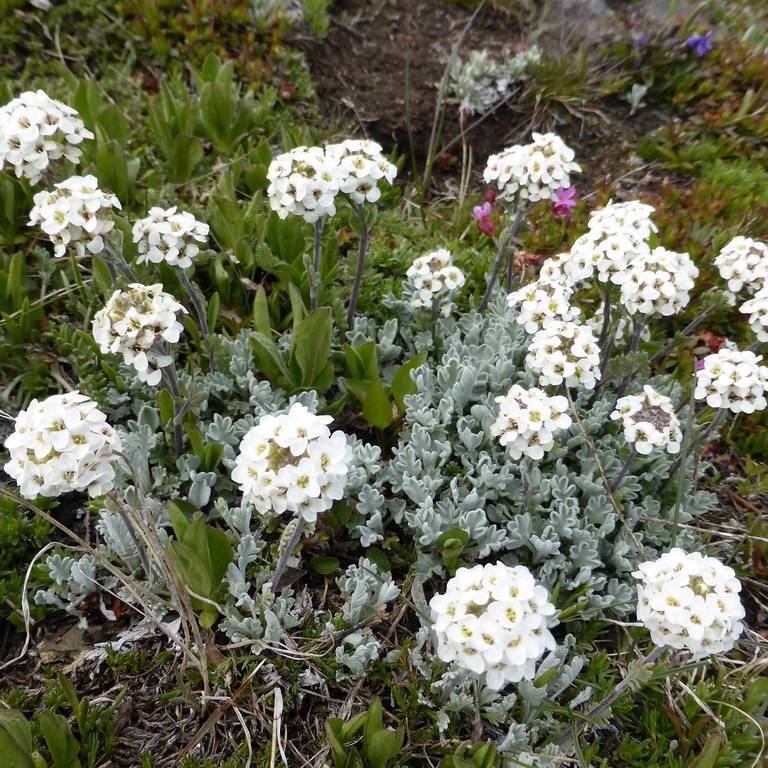
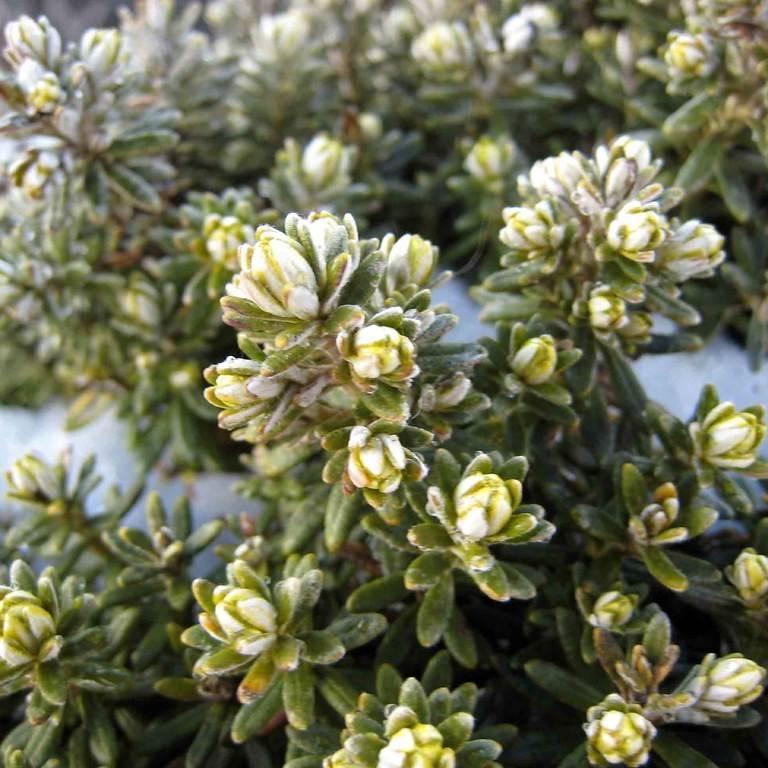
Kerosene bush is a dense, evergreen shrub with fine, scale-like silver-green foliage that emits a strong kerosene or turpentine aroma, particularly when crushed or on warm days. It produces small, clustered white or pale cream flower heads in late spring to early summer, attracting native pollinators such as bees and butterflies. Adapted to harsh alpine conditions, it is highly wind and frost tolerant, making it a hardy choice for cool climate gardens. Its compact, upright growth habit lends itself well to hedging, rock gardens, or native landscape plantings.
Care Guide
Watering
Kerosene bush is highly drought tolerant once established, requiring only occasional deep watering during extended dry periods; avoid overwatering, as soggy soil can cause root rot. Newly planted specimens need regular, light watering to support root development for the first 6 to 12 months after planting. Reduce watering almost entirely during the cooler winter months to prevent waterlogged growing conditions.
Light
This shrub thrives in full sun, requiring at least 6 hours of direct sunlight daily to maintain its dense, compact growth habit and strong aromatic foliage. It can tolerate very light, dappled shade, but excessive shade will cause leggy, sparse growth and reduce flowering. For indoor cultivation (rare), place it in a south-facing window with unobstructed direct light.
Soil
Kerosene bush prefers well-drained, sandy or loamy soil with a neutral to slightly acidic pH range of 6.0 to 7.5. It will tolerate poor, low-nutrient soils and rocky substrates, as is typical of its native alpine habitat. Heavy, clay soils that retain moisture are unsuitable; amend heavy soils with coarse sand or gravel to improve drainage before planting.
Fertilizer
This low-maintenance shrub requires very little fertilization, as it is adapted to low-nutrient alpine soils. An annual light application of slow-release native plant fertilizer in early spring is sufficient to support healthy growth and flowering. Avoid high-nitrogen fertilizers, as these can promote excessive, soft foliage growth that is prone to frost damage.
Temperature
Kerosene bush is extremely cold hardy, tolerating temperatures as low as 14°F (-10°C) and heavy, prolonged frosts common in its native alpine range. It prefers cool to temperate climates, with ideal growing temperatures ranging from 50°F to 75°F (10°C to 24°C). It does not perform well in high humidity, subtropical, or tropical climates, as excessive heat and moisture can cause foliage damage and root rot.
Pruning
Prune kerosene bush lightly after flowering to maintain its compact shape and encourage dense new foliage growth. Avoid heavy pruning into old, woody growth, as the shrub has limited ability to resprout from bare, mature wood. Remove any dead, damaged, or diseased branches as needed throughout the year to improve air circulation within the foliage canopy.
Propagation
Kerosene bush is most commonly propagated from semi-hardwood cuttings taken in late summer or early autumn, using a rooting hormone to encourage root development and placing cuttings in a well-drained, sterile propagating mix under high humidity. It can also be grown from fresh seed collected after flowering, though germination rates are often low and inconsistent. Propagated cuttings should be kept in a cool, shaded position until well rooted, then gradually acclimated to full sun before planting out.
Humidity
This shrub prefers low to moderate humidity levels, typical of its native cool alpine and subalpine environments. High humidity levels above 60% for extended periods can increase the risk of fungal leaf spot and root rot. In areas with high summer humidity, ensure plants have ample spacing for air circulation and avoid overhead watering to reduce moisture on foliage.
Repotting
Kerosene bush is rarely grown in containers, but if potted, repot every 2 to 3 years in early spring before new growth begins. Use a coarse, well-drained native plant potting mix, and select a pot only one size larger than the current container to avoid excess soil that retains moisture. After repotting, water lightly and place in a shaded position for 1 to 2 weeks to allow roots to establish before returning to full sun.
Uses & Symbolism
Kerosene bush is widely planted in cool climate native Australian gardens as an ornamental shrub, hedging plant, or addition to rock gardens and alpine landscapes. Its highly aromatic foliage is sometimes used in dried flower arrangements, as the scent and silver-green color persist well after cutting. In its native range, it provides important habitat and food for native alpine pollinators and small wildlife.
Diseases & Pests
Kerosene bush is relatively pest and disease resistant when grown in suitable conditions, but may be susceptible to root rot if planted in poorly drained, waterlogged soil. Fungal leaf spot can occur in high humidity or with frequent overhead watering, which can be managed by improving air circulation and avoiding wetting foliage. Aphids and scale insects may occasionally infest new growth, which can be controlled with horticultural oil or insecticidal soap sprays.
Related plants
Other plants you might like if you grow Kerosene Bush.