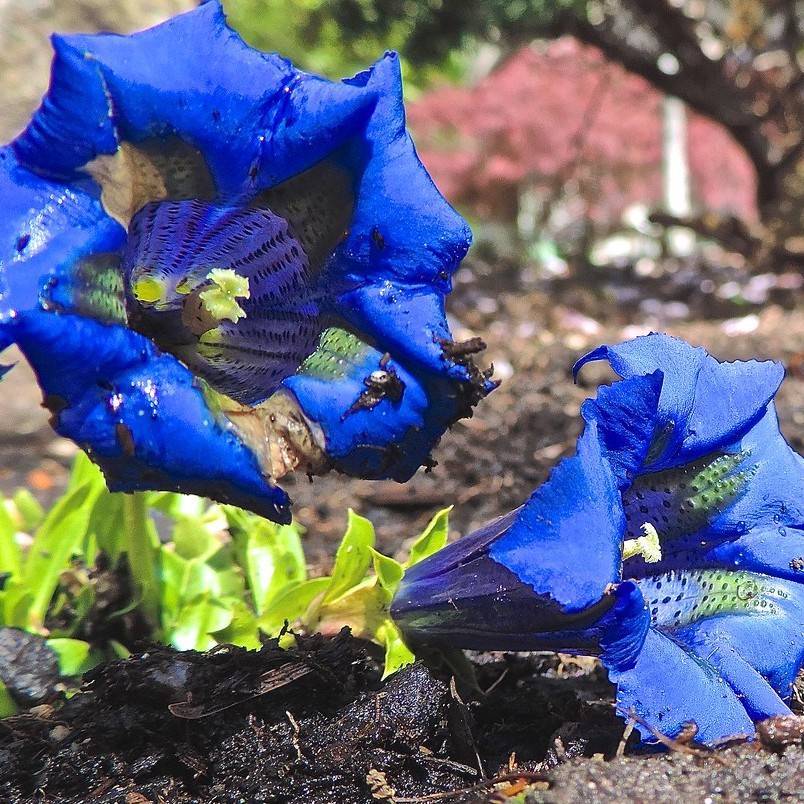
Gentian
Gentiana acaulis
Overview
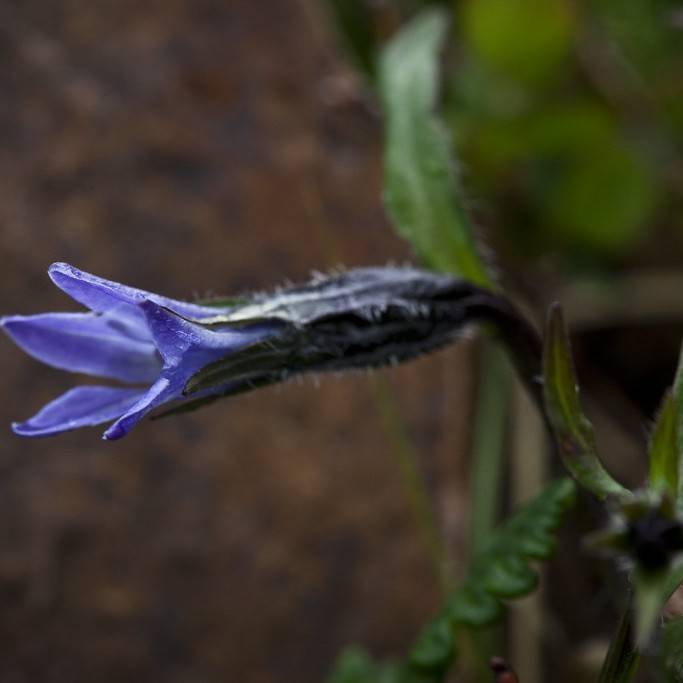
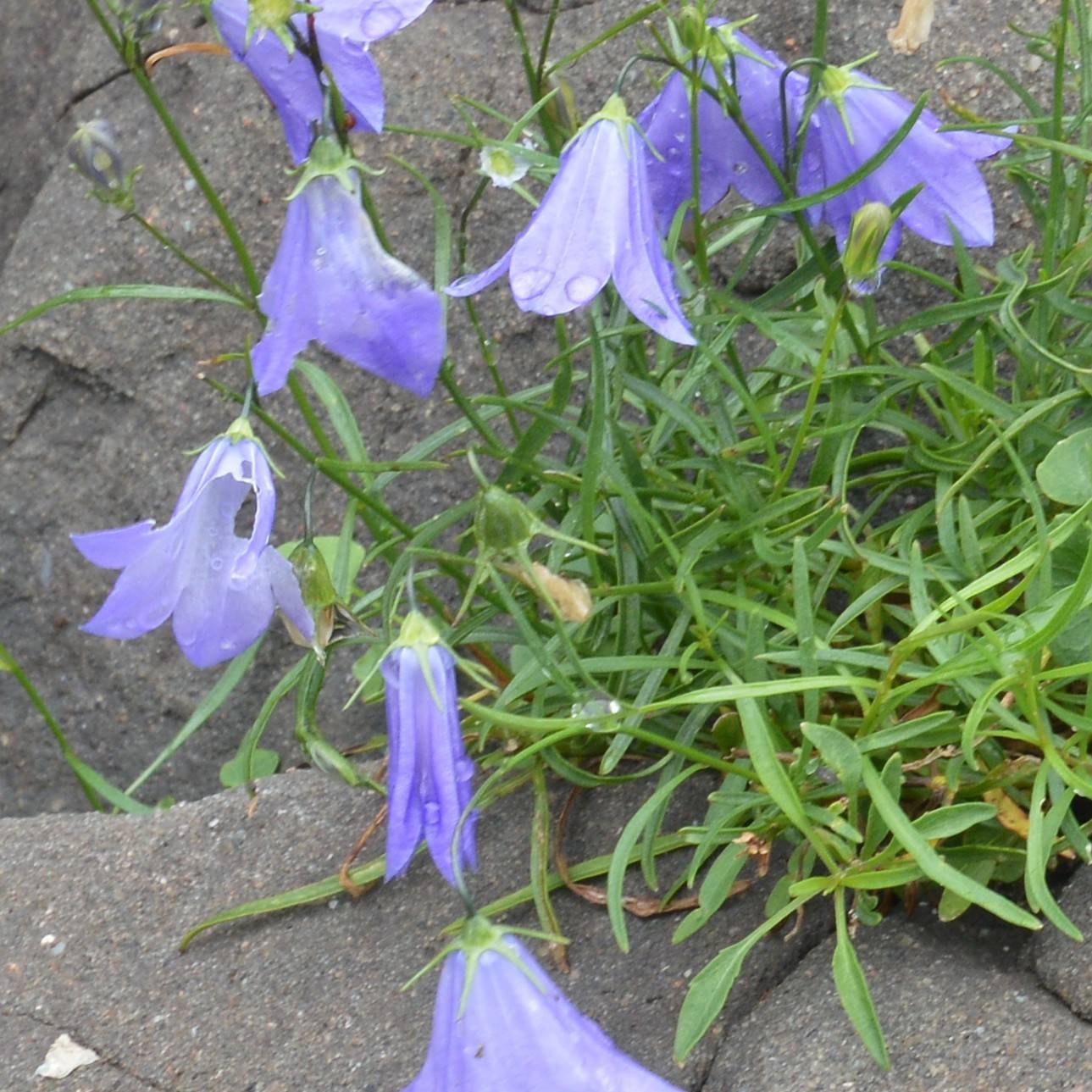
Gentian is a compact alpine perennial native to high-elevation European mountain habitats, best known for its striking, intense blue trumpet blooms that appear in late spring to early summer. The plant forms dense, low mats of glossy, dark green evergreen foliage that stays attractive even when not in flower. It thrives in cool, temperate climates and is a popular choice for rock gardens, alpine troughs, and border edges where its vibrant blooms can be displayed prominently.
Care Guide
Watering
Gentian requires consistently moist but never waterlogged soil, as soggy conditions quickly cause root rot. Water regularly during dry periods, taking care to avoid overwatering, and reduce watering frequency in winter when the plant is semi-dormant. Use rainwater or soft water if possible, as the plant is sensitive to high levels of lime in hard water.
Light
Gentian grows best in full sun to partial shade, with partial shade preferred in regions with hot summer afternoons to prevent foliage scorch. In cooler alpine or northern climates, full sun exposure encourages abundant flowering and compact, healthy growth. Avoid heavily shaded positions, as these will reduce flower production and cause the foliage to become sparse and leggy.
Soil
Gentian needs sharply drained, humus-rich, acidic to neutral soil with a pH between 5.0 and 7.0, typical of its native mountain habitats. A mix of loam, peat moss, and coarse grit or perlite works well to improve drainage while retaining adequate moisture and nutrients. Avoid heavy, clay soils that hold standing water, as these will quickly kill the plant's delicate root system.
Fertilizer
Gentian is a light feeder that requires minimal fertilization, as excess nutrients can cause leggy growth and reduce flowering. Apply a dilute, balanced liquid fertilizer once per month during the active growing season from spring to early summer, or top-dress with a thin layer of well-rotted compost in early spring. Avoid fertilizing in late summer and winter, as this can encourage soft new growth that is vulnerable to cold damage.
Temperature
Gentian prefers cool temperatures between 50-70°F (10-21°C) during the active growing season, and is hardy to USDA zones 3 to 7, tolerating winter temperatures as low as -40°F (-40°C). It does not tolerate high heat and humidity well, and may struggle or die back in regions with prolonged summer temperatures above 80°F (27°C). In areas with warm summers, provide afternoon shade and extra moisture to help the plant cope with heat stress.
Pruning
Gentian requires very little pruning, as its compact, low-growing habit naturally maintains a neat shape. Deadhead spent flower blooms after flowering to encourage a tidy appearance and prevent the plant from expending energy on seed production, though self-seeding may be desired in naturalized rock garden settings. Cut back any damaged or brown foliage in early spring before new growth emerges to keep the plant looking healthy.
Propagation
Gentian is most commonly propagated by seed sown in late fall or early winter, as the seeds require a period of cold stratification to germinate successfully. Sow seeds on the surface of a moist, gritty seed starting mix and leave outdoors in a cold frame or sheltered position over winter, with germination typically occurring the following spring. It can also be propagated by careful division of established clumps in early spring, though the plant has a delicate root system that resents disturbance, so division should be done infrequently.
Humidity
Gentian prefers moderate to high humidity levels, similar to its native mountain environments where moisture levels are consistently high. In dry indoor or low-humidity outdoor settings, mist the foliage occasionally or place the plant near a source of humidity such as a pebble tray to prevent leaf tips from drying out. Avoid placing gentian near heating vents or other sources of dry, hot air that can quickly desiccate the foliage.
Repotting
Gentian grown in containers or alpine troughs should be repotted every 2-3 years in early spring before new growth begins, to refresh the soil and prevent root binding. Use a shallow container with ample drainage holes, as the plant has a shallow root system that does not need deep soil, and fill it with a well-drained, acidic growing mix. Handle the root ball carefully during repotting to avoid damaging the delicate roots, and water lightly after repotting to settle the soil around the roots.
Uses & Symbolism
Gentian has a long history of use in traditional herbal medicine, where the root is used to make bitter tonics that stimulate digestion and improve appetite. The intensely bitter compounds from gentian root are also used as a flavoring agent in aperitifs, liqueurs, and bitters, including the popular French apéritif Suze. Ornamentally, gentian is highly valued for its vivid blue flowers, which are a standout feature in rock gardens, alpine plant collections, and border edges.
Diseases & Pests
Gentian is relatively pest and disease resistant when grown in its preferred well-drained, cool conditions, but root rot is a common problem caused by overwatering or heavy, poorly draining soil. Aphids and slugs may occasionally feed on the tender new growth and flower buds, especially in damp, shaded conditions, and can be controlled with insecticidal soap or organic slug baits. In hot, humid weather, powdery mildew may appear on the foliage, which can be prevented by providing good air circulation around the plant and avoiding overhead watering.
Related plants
Other plants you might like if you grow Gentian.