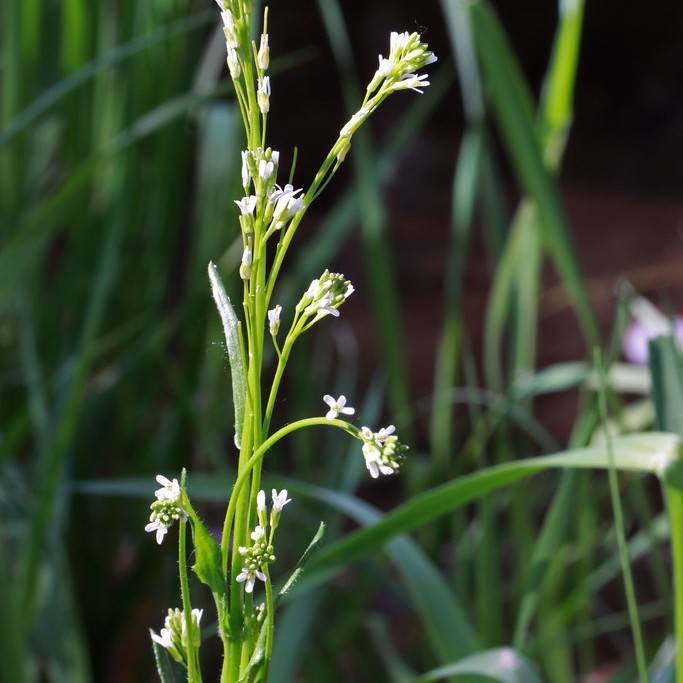
Cream Flowered Rockcress
Arabis caucasica 'Plena'
Overview
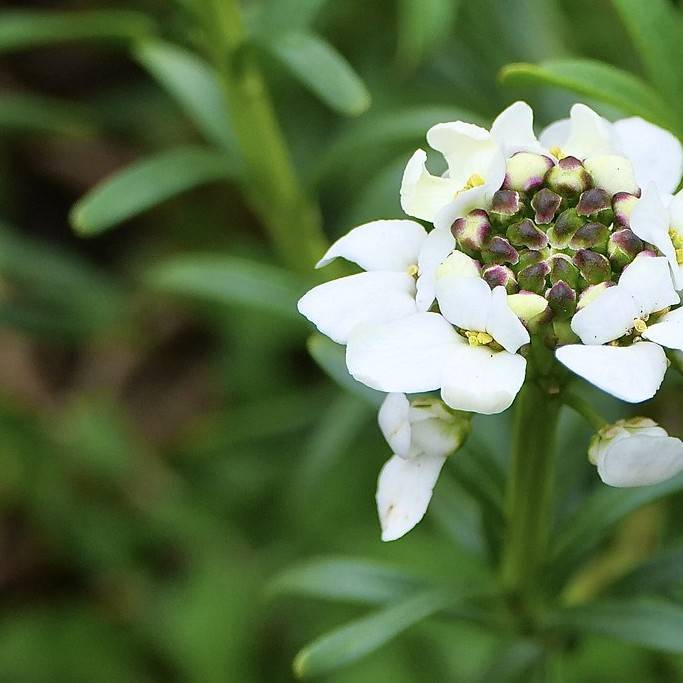
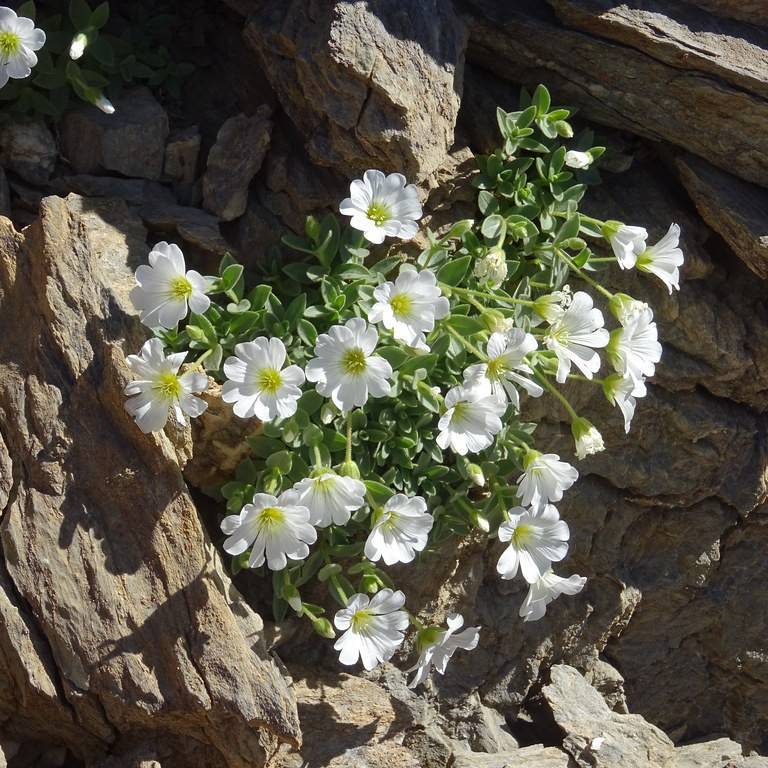
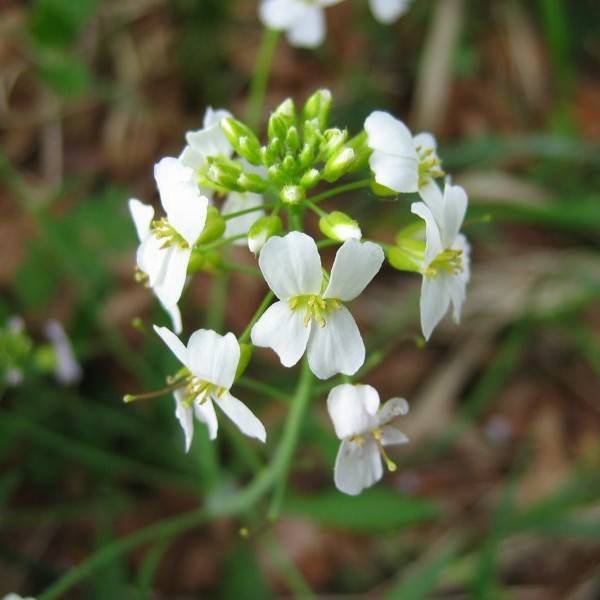
Cream Flowered Rockcress is a popular alpine cultivar of Arabis caucasica valued for its profusion of soft, fully double creamy-white flowers that blanket its dense, evergreen foliage in early spring. A hardy, low-spreading plant, it forms tight mats of small, gray-green, slightly hairy leaves that stay attractive year-round in mild climates. It is a staple of rock gardens, wall crevices, and border edges, where its cascading growth habit and fragrant blooms draw early pollinators including bees and butterflies.
Care Guide
Watering
Water newly planted Cream Flowered Rockcress regularly to keep the soil evenly moist for the first growing season, helping it establish a strong root system. Once established, it is highly drought-tolerant, requiring only occasional watering during extended dry periods; overwatering or saturated soil will quickly cause root rot. Avoid overhead watering to reduce the risk of foliar diseases, directing water at the base of the plant when needed.
Light
This alpine perennial thrives in full sun, requiring at least 6 hours of direct sunlight daily to produce the densest foliage and heaviest bloom set. It can tolerate light partial shade, particularly in regions with very hot summer afternoons, but too much shade will cause leggy growth and reduced flowering. In cooler northern climates, full sun exposure is ideal for optimal performance.
Soil
Cream Flowered Rockcress requires sharply drained, low-fertility soil with a neutral to slightly alkaline pH to thrive. It is well-adapted to rocky, sandy, or gravelly soils, and will struggle in heavy clay or compacted substrates that hold excess moisture. When planting in rock gardens or wall crevices, mix in a small amount of horticultural grit to improve drainage if necessary.
Fertilizer
This low-maintenance plant requires very little fertilization, as excessive nutrients will cause leggy, floppy growth that reduces its attractive mat-forming habit. In poor soils, apply a thin layer of compost or a balanced, slow-release granular fertilizer at half strength in early spring just as new growth emerges. Avoid fertilizing after mid-spring, as this can encourage soft growth that is vulnerable to summer heat and winter damage.
Temperature
Cream Flowered Rockcress is cold-hardy in USDA zones 3 to 7, tolerating winter temperatures as low as -40°F (-40°C) when planted in well-drained soil. It prefers cool summer temperatures, and will struggle in regions with high heat and humidity above 85°F (29°C), where it may go dormant or die back in mid-summer. Winter wet is a far greater threat than cold, so ensure plants are sited in a well-drained location to prevent root rot during freeze-thaw cycles.
Pruning
After flowering finishes in late spring, shear back the entire plant by one-third to one-half to remove spent blooms and encourage dense, compact new foliage growth. This trimming also prevents the plant from becoming woody and sparse in the center, which can happen with older, unpruned specimens. Remove any dead or damaged foliage in early spring before new growth emerges to keep the plant looking tidy.
Propagation
Cream Flowered Rockcress is most easily propagated by division in early spring or right after flowering, carefully separating mature mats into smaller clumps and replanting them in well-drained soil. It can also be grown from stem cuttings taken from non-flowering shoots in early summer, rooted in a gritty, moist potting mix under bright indirect light. While the parent species can be grown from seed, the 'Plena' cultivar will not come true from seed, so vegetative propagation is required to retain its double creamy flowers.
Humidity
This alpine plant prefers low to moderate humidity levels, and is well-adapted to dry, mountain air conditions. High humidity, particularly combined with warm temperatures, can increase the risk of fungal leaf spots and crown rot, so ensure plants have good air circulation around their foliage and base. In humid regions, site plants in a sunny, open location with plenty of airflow to reduce moisture buildup on leaves.
Repotting
When grown in containers, Cream Flowered Rockcress should be repotted every 2 to 3 years in early spring, using a gritty, fast-draining potting mix formulated for alpine or succulent plants. Choose a shallow pot with ample drainage holes, as the plant has a shallow root system and will suffer if planted in a deep container that holds excess moisture. Gently loosen any bound roots during repotting, and avoid overpotting to prevent soggy soil conditions.
Uses & Symbolism
Cream Flowered Rockcress is most widely used as a ground cover or edging plant in rock gardens, alpine gardens, and stone wall crevices, where its cascading growth habit and early spring blooms soften hard rocky surfaces. It is also well-suited to container gardens, particularly shallow troughs paired with other low-growing alpine plants, and makes an attractive, fragrant addition to pollinator gardens that support early spring bees and butterflies. Historically, related Arabis species have been used in traditional medicine for their anti-inflammatory properties, though this cultivar is primarily grown for ornamental purposes.
Diseases & Pests
Cream Flowered Rockcress is relatively pest and disease resistant when grown in optimal conditions, but overwatering or poorly drained soil can lead to root rot, the most common and fatal issue for this plant. Fungal leaf spot and downy mildew may occur in humid conditions or if plants are overcrowded with poor air circulation, causing brown or yellow spots on foliage; these can be managed by removing affected leaves and improving airflow around plants. Aphids and flea beetles may occasionally feed on new foliage, but infestations are usually minor and can be controlled with a strong spray of water or insecticidal soap.
Related plants
Other plants you might like if you grow Cream Flowered Rockcress.