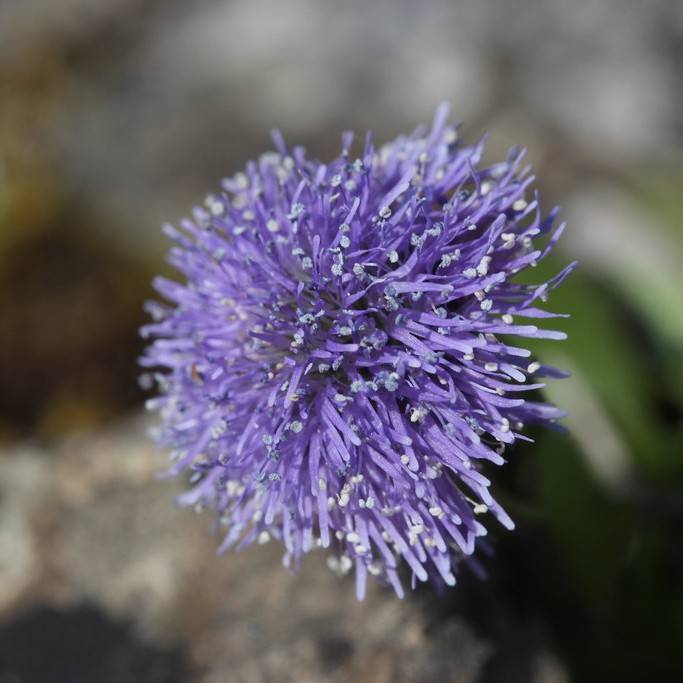
Globularia
Globularia spp.
Overview
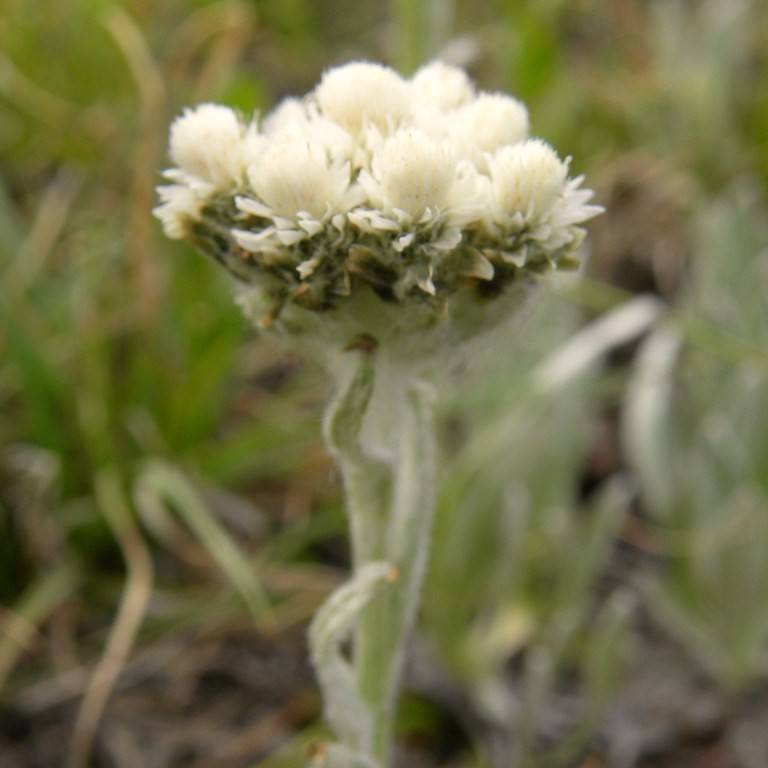
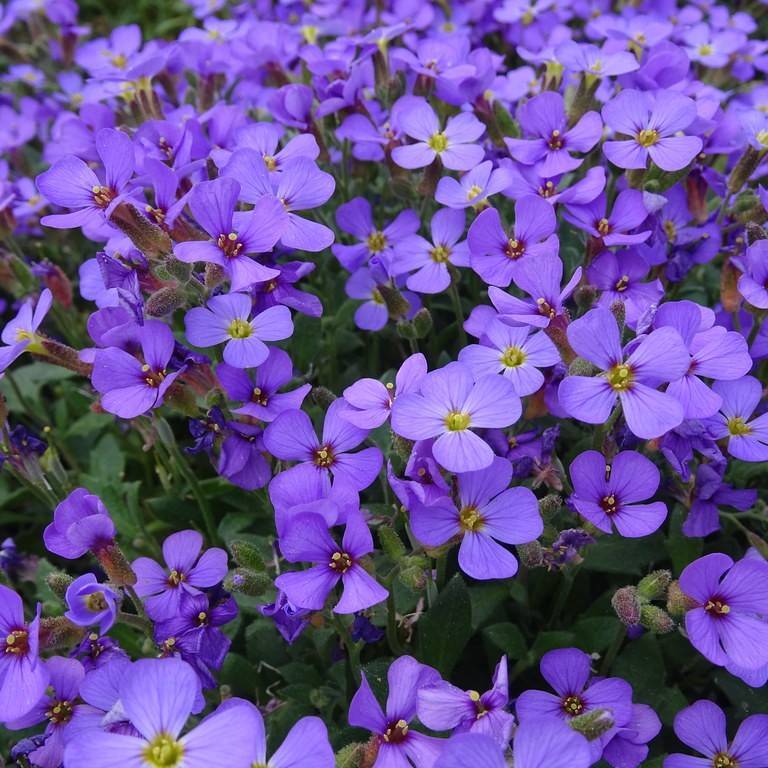
Globularia, commonly called globe daisy, is a genus of compact, evergreen perennials valued for their neat, low-growing habit and cheerful spherical blooms. Most species thrive in sunny, well-drained sites, making them ideal for rock gardens, alpine troughs, and dry border edges. Their flowers attract small pollinators including bees and butterflies, while their drought tolerance makes them suitable for xeriscaping in arid or Mediterranean climates.
Care Guide
Watering
Water newly planted globularia regularly to establish roots, then reduce frequency; mature plants are highly drought tolerant and only need supplemental water during extended dry spells. Avoid overwatering, as soggy soil will quickly cause root rot, especially in cool winter months. Allow the top several inches of soil to dry out completely between waterings.
Light
Grow globularia in full sun, meaning at least 6 hours of direct sunlight per day, to encourage dense foliage and abundant flowering. It can tolerate very light partial shade, especially in extremely hot, arid climates, but too much shade will lead to leggy growth and reduced blooming. In indoor or container settings, place it in a south-facing window for maximum light exposure.
Soil
Globularia requires sharply drained, low-fertility soil with a neutral to alkaline pH to thrive. It adapts well to rocky, sandy, or gravelly soils, and will not perform well in heavy, clay-rich substrates that hold moisture. For container planting, use a cactus or alpine potting mix amended with perlite or coarse sand to improve drainage.
Fertilizer
Fertilize sparingly, as globularia is adapted to low-nutrient soils and excess nutrients will cause floppy, weak growth. A single light application of balanced, slow-release fertilizer in early spring is sufficient for the entire growing season. Avoid high-nitrogen fertilizers, as these will promote foliage growth at the expense of flowers.
Temperature
Most globularia species are cold hardy in USDA zones 4 to 8, tolerating winter temperatures as low as -30°F (-34°C) when planted in well-drained soil. It prefers cool to moderate summer temperatures between 60-75°F (15-24°C), and may struggle in prolonged, extreme heat above 90°F (32°C) without partial afternoon shade. Winter wetness is a greater threat to survival than cold, so ensure soil is free draining in frosty regions.
Pruning
Prune back spent flower heads after blooming to encourage a second flush of flowers and maintain a neat, compact habit. In early spring, trim back any dead or damaged foliage to make way for new growth. Avoid cutting into the woody base of the plant, as this may cause permanent damage and reduce regrowth.
Propagation
Globularia is most easily propagated by division in early spring, when clumps are lifted and separated into smaller sections with intact roots before replanting. It can also be grown from seed sown in cold frames in autumn, though germination may be slow and irregular. Softwood cuttings taken from new growth in late spring or early summer root readily in moist, well-drained propagating medium under bright, indirect light.
Humidity
Globularia prefers low to moderate humidity levels between 30-50%, typical of its native Mediterranean and alpine habitats. It does not tolerate high humidity well, especially when combined with warm temperatures and wet soil, which increases the risk of fungal diseases. Good air circulation around the plant is essential to prevent moisture-related issues in more humid climates.
Repotting
Container-grown globularia only needs repotting every 2-3 years, when roots begin to grow through the drainage holes or the plant outgrows its current pot. Repot in early spring, using a slightly larger container with ample drainage holes and a sharply draining alpine or cactus potting mix. Avoid overpotting, as excess soil will hold unnecessary moisture and increase the risk of root rot.
Uses & Symbolism
Globularia is widely used in rock gardens, alpine troughs, crevice gardens, and as a low-growing edging plant for dry, sunny borders. Its drought tolerance makes it a popular choice for xeriscaping and low-water landscape designs, while its compact habit works well in small container displays. Some species have a history of use in traditional herbal medicine for treating digestive and respiratory ailments, though medicinal use is not common today.
Diseases & Pests
Globularia is largely pest and disease resistant when grown in suitable conditions, but root rot is the most common issue caused by overwatering or poorly drained soil. In high humidity or overly crowded conditions, it may develop powdery mildew or leaf spot fungal diseases, which can be treated with neem oil or fungicidal sprays. Aphids and spider mites may occasionally infest stressed plants, and can be controlled with insecticidal soap or horticultural oil.
Related plants
Other plants you might like if you grow Globularia.