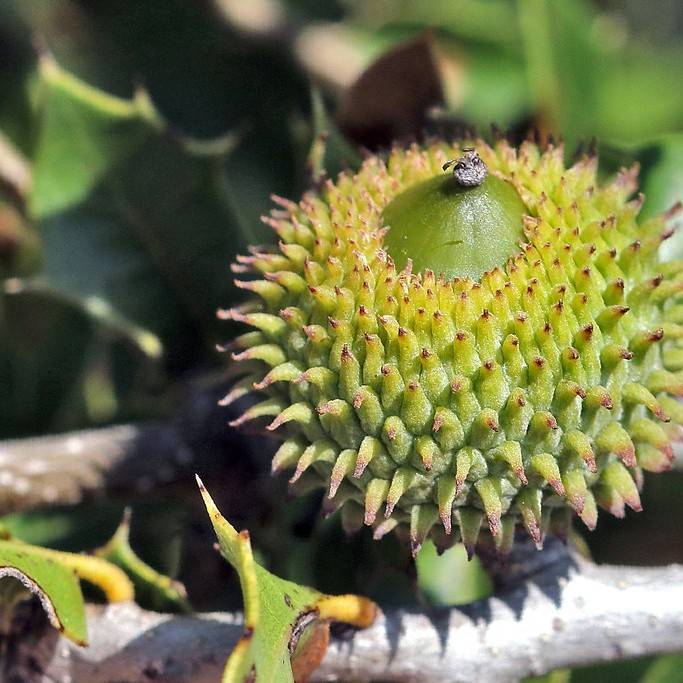
Kermes Oak
Quercus coccifera
Overview
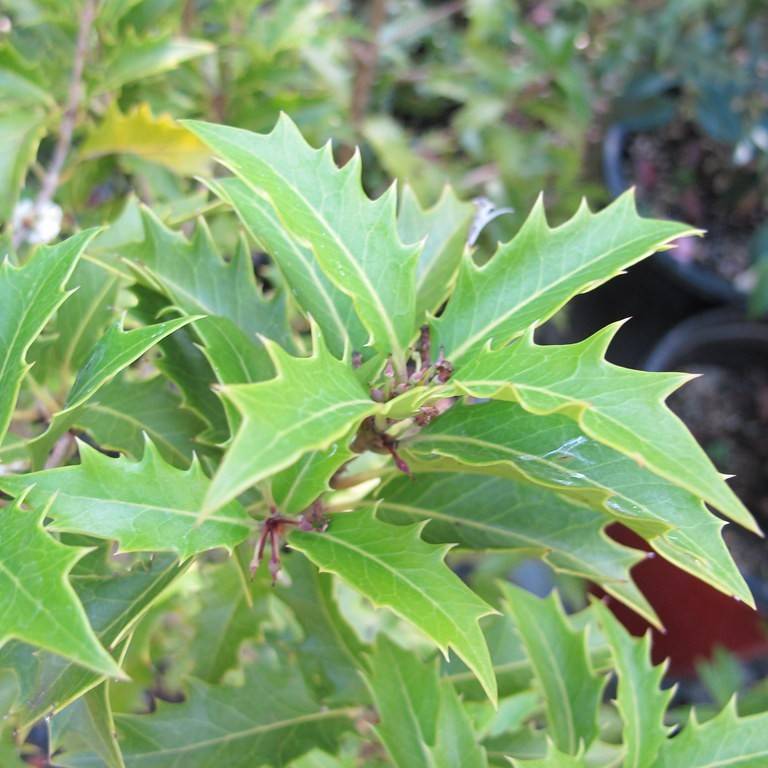
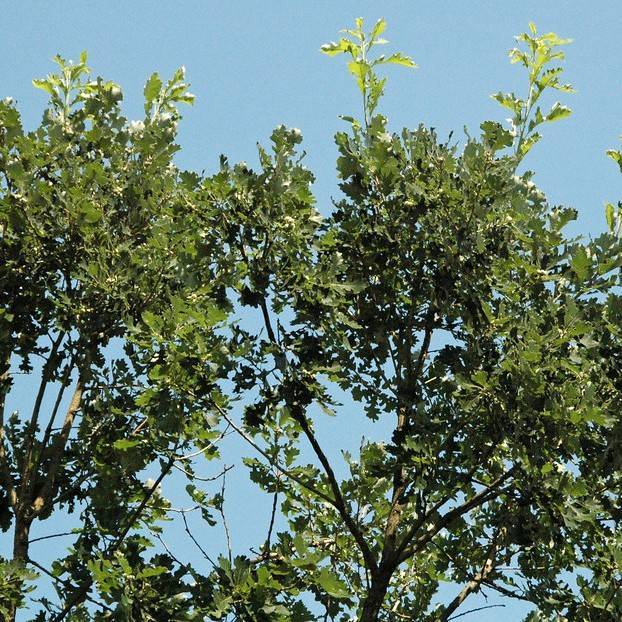
Kermes oak is a hardy evergreen woody plant that ranges from a thick, spiny-leaved shrub to a small, rounded tree, adapted to the dry, sunny climates of the Mediterranean region. It takes its common name from the kermes scale insect that feeds on its sap, which was historically harvested to produce vibrant red crimson dye. This species is ecologically vital in its native range, providing food and shelter for a wide array of pollinators, birds, and small mammals.
Care Guide
Watering
Established kermes oaks are extremely drought-tolerant, requiring only occasional deep watering during prolonged, severe dry spells; overwatering can lead to root rot in heavier soils. Young newly planted specimens need regular, moderate watering for the first 2-3 years to encourage deep root development, allowing the top several inches of soil to dry out completely between waterings. Avoid frequent shallow watering, as this promotes weak, shallow root growth that makes the plant less resilient to drought.
Light
Kermes oak thrives in full, direct sun exposure, requiring a minimum of 6 hours of unobstructed sunlight daily to maintain its dense, compact form and healthy foliage. It can tolerate very light, dappled shade, but prolonged shade will lead to sparse growth, reduced flowering, and increased susceptibility to pest infestations. Plant in an open, unshaded location for best performance, as it is well-adapted to intense Mediterranean summer sun and heat.
Soil
This species tolerates a wide range of well-drained soil types, including poor, rocky, sandy, and limestone-derived alkaline soils common in its native Mediterranean habitat. It will not thrive in heavy, waterlogged clay soils that retain moisture for extended periods, as this causes fatal root rot. A neutral to alkaline soil pH between 6.0 and 8.5 is ideal, though it can adapt to slightly acidic conditions if drainage is excellent.
Fertilizer
Mature kermes oaks rarely require fertilization, as they are adapted to low-nutrient native soils and can obtain all necessary nutrients from their growing medium. Young, actively growing specimens can benefit from a single application of a balanced, slow-release granular fertilizer in early spring, applied around the base of the plant and watered in thoroughly. Avoid high-nitrogen fertilizers, as these can promote excessive soft foliage growth that is more vulnerable to cold damage and pest infestations.
Temperature
Kermes oak is highly heat tolerant, thriving in summer temperatures up to 104°F (40°C) and adapted to long, hot, dry Mediterranean summers. It is cold hardy to approximately 10°F (-12°C), making it suitable for USDA hardiness zones 7 through 10. Young plants may need light frost protection during their first 2-3 winters in cooler parts of its growing range, as tender new growth is susceptible to cold damage.
Pruning
Prune kermes oak during its dormant winter period to remove dead, damaged, or diseased branches, and to shape it if desired as a formal hedge or specimen shrub. Avoid heavy pruning of more than one-third of the plant’s total growth in a single year, as this can stress the slow-growing plant and leave it vulnerable to disease. Wear protective gloves when pruning, as the small, sharp spiny leaves can cause skin irritation.
Propagation
Kermes oak is most reliably propagated from fresh acorns, which should be sown immediately after ripening in autumn, as they lose viability quickly if allowed to dry out. Plant acorns 1-2 inches deep in well-drained potting mix, keep lightly moist, and expect germination within 4-6 weeks, though young seedlings grow very slowly in their first few years. Vegetative propagation from semi-hardwood cuttings taken in late summer is possible but has a low success rate, requiring rooting hormone and consistent misting to encourage root development.
Humidity
This species is adapted to the low to moderate humidity levels typical of the Mediterranean region, tolerating dry air extremely well without any supplemental misting or humidity adjustments. It does not thrive in high-humidity tropical climates, where prolonged moisture on foliage can lead to fungal leaf spot diseases. Ensure good air circulation around the plant if grown in more humid regions to reduce disease risk.
Repotting
Kermes oaks grown in containers should be repotted every 2-3 years in early spring, before new foliage begins to emerge, using a fast-draining, sandy or rocky potting mix. Choose a container only 2-3 inches larger than the current root ball to avoid excess soil that retains unnecessary moisture, and ensure the pot has ample drainage holes to prevent root rot. Mature specimens that have reached their desired size can be root-pruned and repotted into the same container with fresh growing medium to restrict further growth.
Uses & Symbolism
Historically, the kermes scale insect that feeds on kermes oak sap was harvested to produce a highly prized crimson red dye used for textiles and artwork for thousands of years, until synthetic alternatives became widespread in the 19th century. Ecologically, it is a critical species for Mediterranean habitat restoration, as it stabilizes erodible rocky soils, provides acorns as food for wildlife, and offers dense shelter for birds and small mammals. It is also cultivated as a low-maintenance ornamental hedge, windbreak, or drought-tolerant landscape specimen in arid and Mediterranean climate regions.
Diseases & Pests
Kermes oak is relatively pest and disease resistant, but can be susceptible to oak wilt, a fatal fungal disease spread by sap-feeding beetles, in regions where the pathogen is present. Common pests include the kermes scale insect, aphids, and oak leafrollers, which can cause foliage discoloration and defoliation in heavy infestations, though they rarely kill established healthy plants. Overwatering or poor drainage frequently leads to root rot, the most common cause of death for cultivated specimens, especially in non-native regions with heavier rainfall.
Related plants
Other plants you might like if you grow Kermes Oak.