Bur Oak
Quercus macrocarpa
Overview
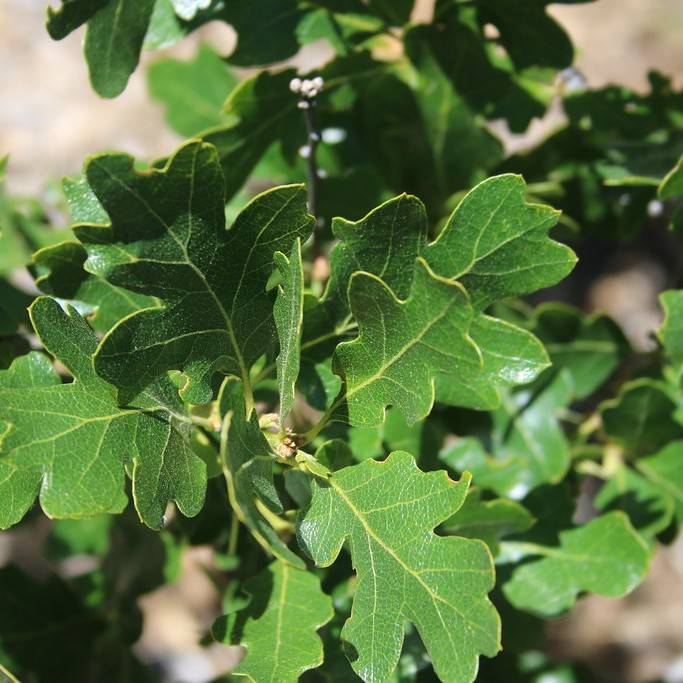
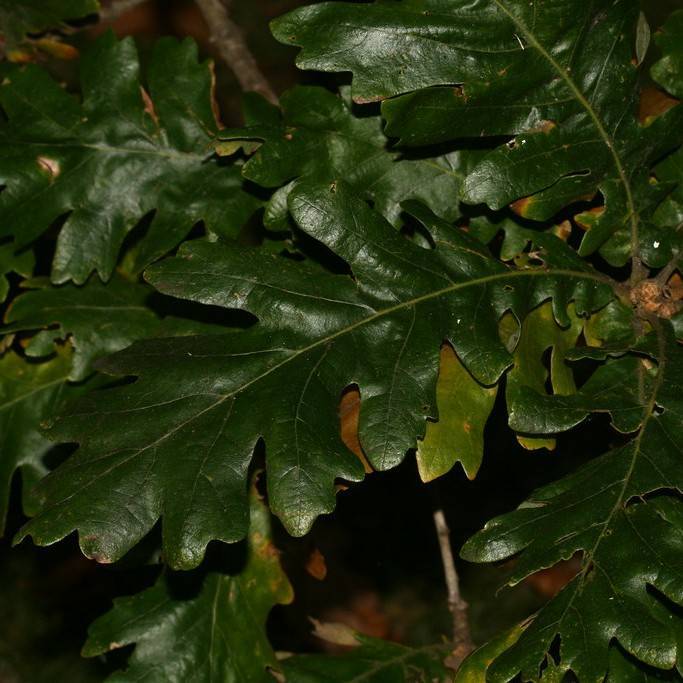
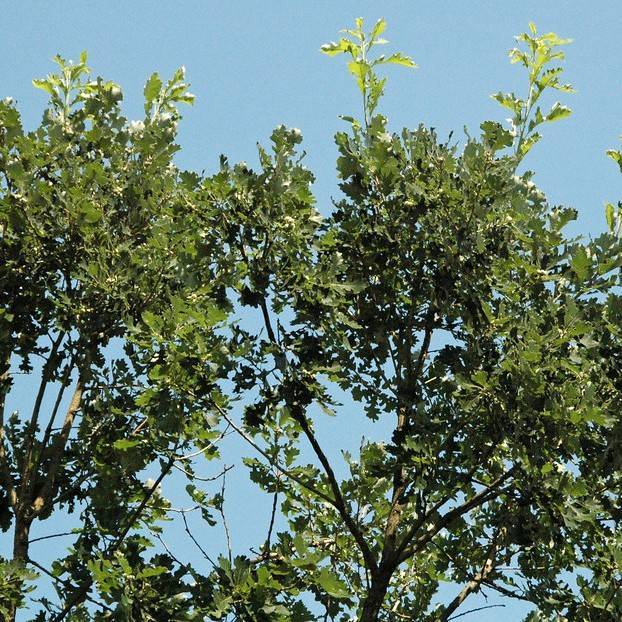
Bur oak is a stately deciduous tree in the white oak group, recognizable by its broad, rounded crown, deeply furrowed gray-brown bark, and large, lobed leaves with fuzzy undersides. Its signature acorns feature a fuzzy, fringed cap that covers up to two-thirds of the nut, giving the tree its common name. Adaptable to harsh conditions including drought, flooding, and poor soils, it is a popular choice for large landscapes, windbreaks, and reforestation projects.
Care Guide
Watering
Bur oak is highly drought tolerant once established, requiring only occasional deep watering during prolonged dry spells for the first 2-3 years after planting. Mature trees rarely need supplemental irrigation, though young saplings should be watered regularly to help their root systems develop. Avoid overwatering in poorly drained soils, as this can lead to root rot.
Light
This tree thrives in full sun, requiring at least 6 hours of direct, unfiltered sunlight daily to support its vigorous growth and dense crown development. It will not tolerate heavy shade, so avoid planting it near large structures or taller trees that will block light long-term.
Soil
Bur oak adapts to a wide range of soil types, including clay, loam, sand, and even alkaline or compacted soils that many other oak species cannot tolerate. It prefers well-drained, moist loam with a neutral to slightly acidic pH, but can survive periodic flooding and dry, nutrient-poor substrates with minimal stress.
Fertilizer
Young bur oaks benefit from a balanced, slow-release granular fertilizer applied in early spring for the first 3-5 years to support root and canopy growth. Mature trees rarely need fertilization, as they efficiently access nutrients from surrounding soil and leaf litter. Avoid high-nitrogen fertilizers, which can encourage excessive foliage growth at the expense of root and acorn development.
Temperature
Bur oak is exceptionally cold hardy, tolerating winter temperatures as low as -40°F (-40°C) in its native northern range, and also adapts well to hot summer conditions up to 100°F (38°C). It grows best in USDA hardiness zones 3 through 8, thriving in regions with distinct seasonal temperature fluctuations. Young saplings may benefit from a layer of mulch around their base to insulate roots during extreme temperature swings in their first few years.
Pruning
Prune bur oak only during the dormant season (late winter to early spring) to avoid attracting oak wilt beetles, which transmit a deadly fungal disease. Remove only dead, damaged, or crossing branches to maintain the tree’s natural, broad structure, and avoid heavy pruning, as mature oaks heal slowly from large cuts. Disinfect pruning tools between cuts if working with multiple oak trees to prevent the spread of disease.
Propagation
Bur oak is most commonly propagated from fresh, stratified acorns collected in fall as soon as they drop from the tree. Acorns need 30-60 days of cold, moist stratification before sowing 1-2 inches deep in well-drained potting mix or directly in a permanent outdoor location, as young trees have long taproots that do not transplant well. Grafting is rarely used for bur oak, as seed-grown trees typically retain the desirable hardiness and growth traits of the parent plant.
Humidity
Bur oak adapts to a wide range of humidity levels, thriving in both the humid eastern North American climate and the drier, semi-arid conditions of the central Great Plains. It tolerates low humidity and wind exposure exceptionally well, making it suitable for open, exposed landscapes. No supplemental humidity is required for this tree, even in arid growing regions.
Repotting
Bur oak is rarely grown in containers long-term, as its deep taproot requires extensive space to develop, and saplings quickly outgrow even large pots. If growing a young sapling temporarily, repot only when roots begin to emerge from the drainage holes, using a deep, wide container to accommodate vertical root growth. Transplant saplings to their permanent outdoor location as soon as possible, ideally within 1-2 years of germination, to avoid stunting root development.
Uses & Symbolism
Bur oak is widely planted as a shade tree in parks, large residential properties, and public spaces, valued for its long lifespan, broad canopy, and low maintenance requirements. Its large, nutrient-dense acorns are a critical food source for wildlife including deer, squirrels, turkeys, and songbirds, supporting diverse local ecosystems. The dense, durable wood is used for flooring, cabinetry, barrels, and construction, similar to other white oak species.
Diseases & Pests
Bur oak is less susceptible to oak wilt than red oak species, but the fungal disease remains a serious threat in some regions, transmitted by sap-feeding beetles or root grafts between adjacent trees. Common pests include bur oak blight, a fungal disease that causes leaf browning and defoliation in late summer, and gypsy moths, which can defoliate entire crowns during heavy infestations. Root rot may occur in consistently waterlogged soils, so proper site selection with good drainage is critical to prevent this issue.
Related plants
Other plants you might like if you grow Bur Oak.