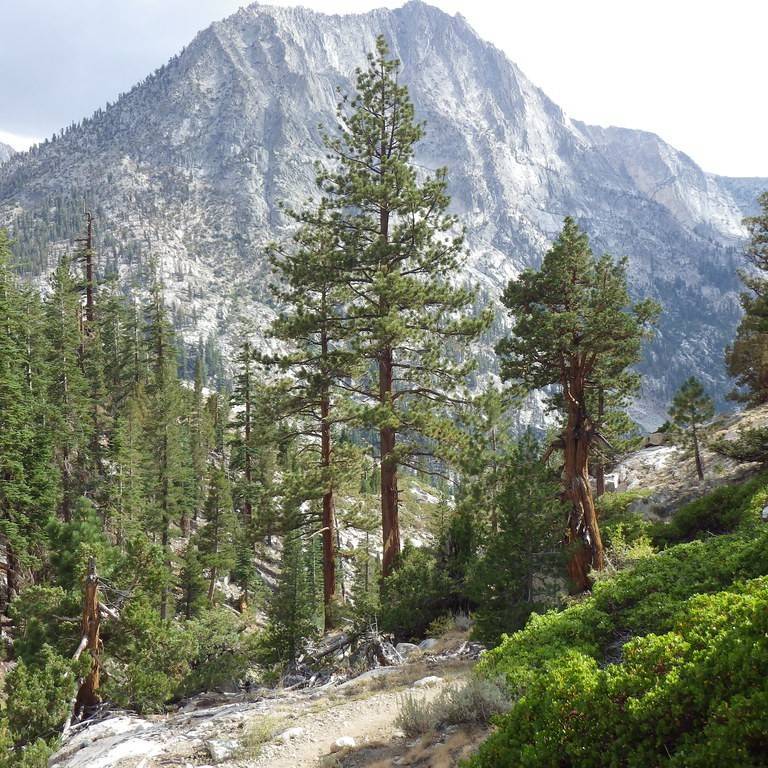
Jeffrey's Pine
Pinus jeffreyi
Overview
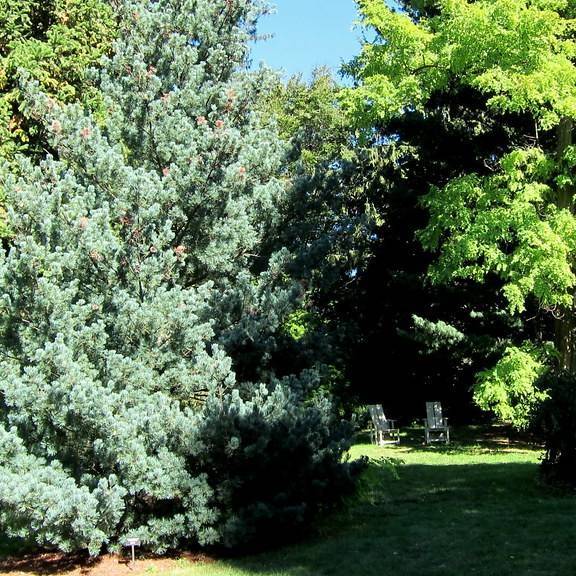
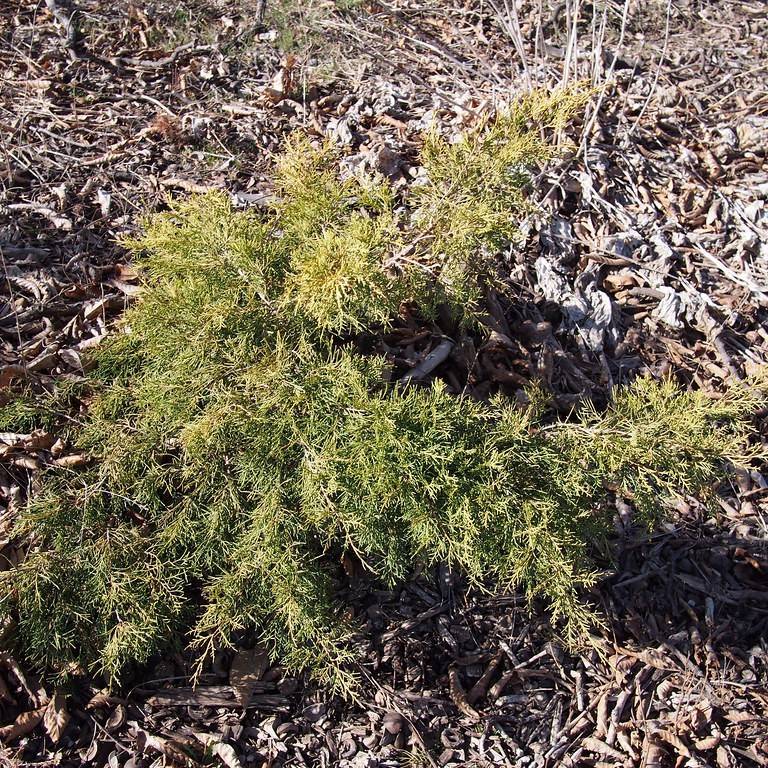
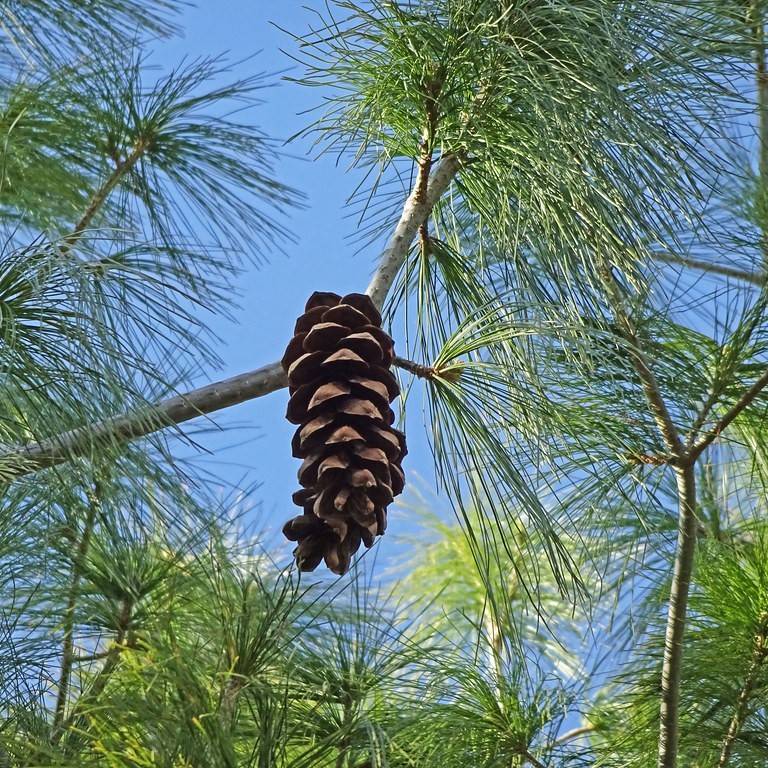
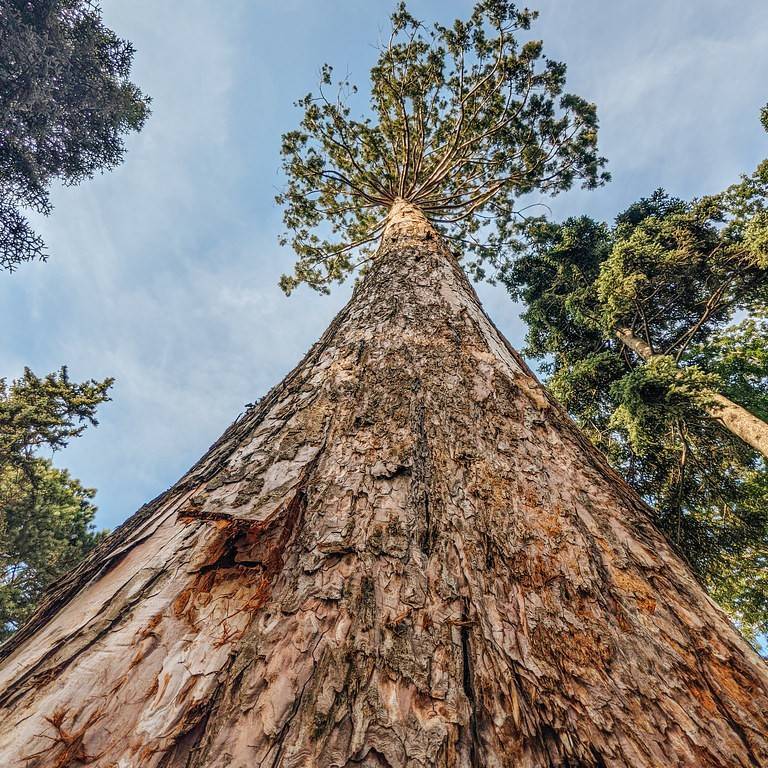
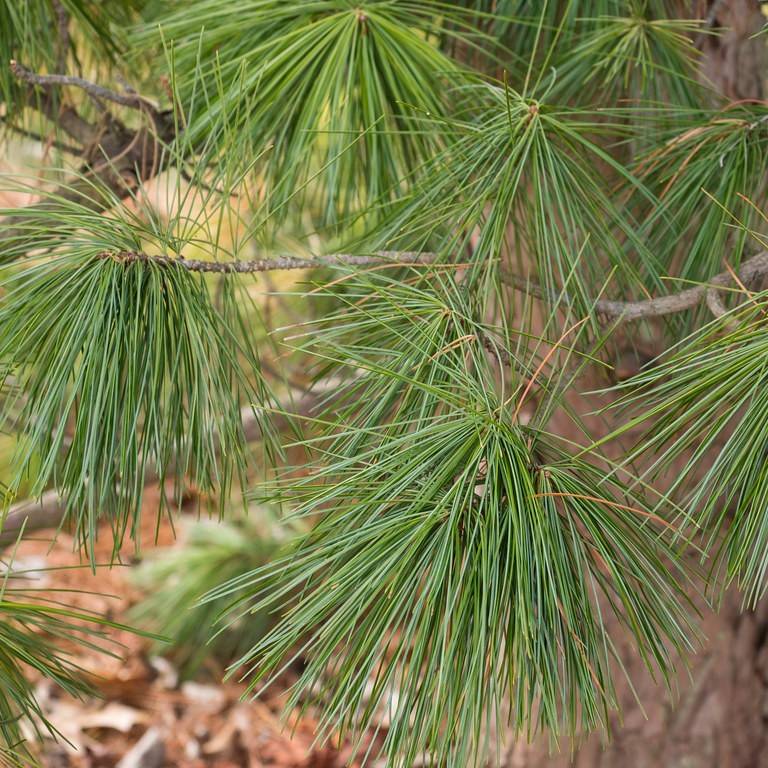
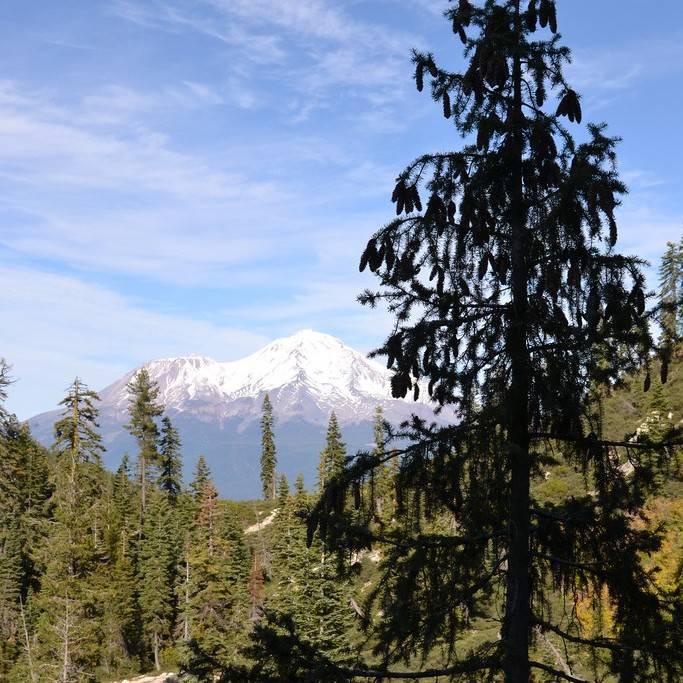
Jeffrey's pine is a hardy conifer often found in dry, high-elevation forests where it coexists with ponderosa pine and lodgepole pine. It is distinguished from closely related ponderosa pine by its longer, bluer needles, larger cones with inward-curving prickles, and vanilla-scented bark. Many specimens live for 400 to 500 years, with some exceeding 600 years of age in undisturbed habitats.
Care Guide
Watering
Jeffrey's pine is extremely drought tolerant once established, requiring only occasional deep watering during prolonged dry periods in its first 2 to 3 years of growth. Mature trees rely entirely on natural precipitation, and overwatering can lead to root rot, especially in poorly draining soils. Avoid frequent shallow watering, as it encourages weak, shallow root development that makes the tree vulnerable to wind throw.
Light
This species requires full, direct sunlight for optimal growth, and does not tolerate shade even at young seedling stages. Plant in an open location with no overhead canopy to ensure it receives at least 6 hours of unobstructed sunlight daily. Shaded seedlings will grow slowly, develop sparse foliage, and often die within a few years.
Soil
Jeffrey's pine adapts to a wide range of soil types, including rocky, sandy, and low-nutrient serpentine soils that are inhospitable to many other tree species. It requires well-draining soil with a slightly acidic to neutral pH between 5.5 and 7.5, and will not survive in heavy clay or consistently waterlogged substrates. It is tolerant of poor, infertile soils and does not need amended planting media when installed in appropriate locations.
Fertilizer
Young Jeffrey's pines benefit from a light application of slow-release, balanced conifer fertilizer once per year in early spring for the first 3 to 4 years after planting to support root and foliage development. Mature trees do not require supplemental fertilization, as they are adapted to thrive in low-nutrient mountain soils. Over-fertilization can cause excessive, weak growth that is more susceptible to pest infestations and winter damage.
Temperature
This hardy conifer thrives in cool to temperate montane climates, with an optimal growing temperature range of 40-75°F (4-24°C). It is extremely cold tolerant, surviving winter lows down to -20°F (-29°C), and is also heat tolerant once established, enduring summer highs above 100°F (38°C) in its native range. Young seedlings may require light frost protection in their first winter if planted in areas with extreme, unseasonable cold snaps.
Pruning
Jeffrey's pine requires minimal pruning, with only dead, damaged, or diseased branches needing removal to maintain tree health. Prune in late winter or early spring before new growth emerges, avoiding cutting into older, bare wood as this species does not readily resprout from mature, leafless branches. Avoid heavy pruning, as it can disfigure the tree's natural conical form and create entry points for fungal pathogens.
Propagation
Jeffrey's pine is most commonly propagated from seed, which requires cold stratification for 30 to 90 days to break dormancy before sowing in well-draining, sandy seed starting mix. Seeds germinate best in full sunlight and consistent, light moisture, with seedlings ready for transplanting to their permanent location after 1 to 2 years of growth in a nursery setting. Vegetative propagation is rarely successful and not commonly used for this species.
Humidity
This species adapts well to a wide range of humidity levels, thriving in the dry air of high-elevation mountain regions as well as moderately humid lower foothill environments. It does not require supplemental humidity, and excessive high humidity combined with poor air circulation can increase the risk of fungal needle blight. Good air flow around the tree's canopy is more important for health than specific humidity levels.
Repotting
Jeffrey's pine is rarely grown in containers long-term, as its large size and deep root system make it unsuitable for potted culture. Young saplings intended for landscape planting can be kept in deep nursery containers for 1 to 2 years, repotting only when roots begin to exit the drainage holes, using a well-draining, sandy conifer potting mix. Container-grown specimens will require frequent root pruning and repotting every 1 to 2 years, but will not reach their mature size in pots.
Uses & Symbolism
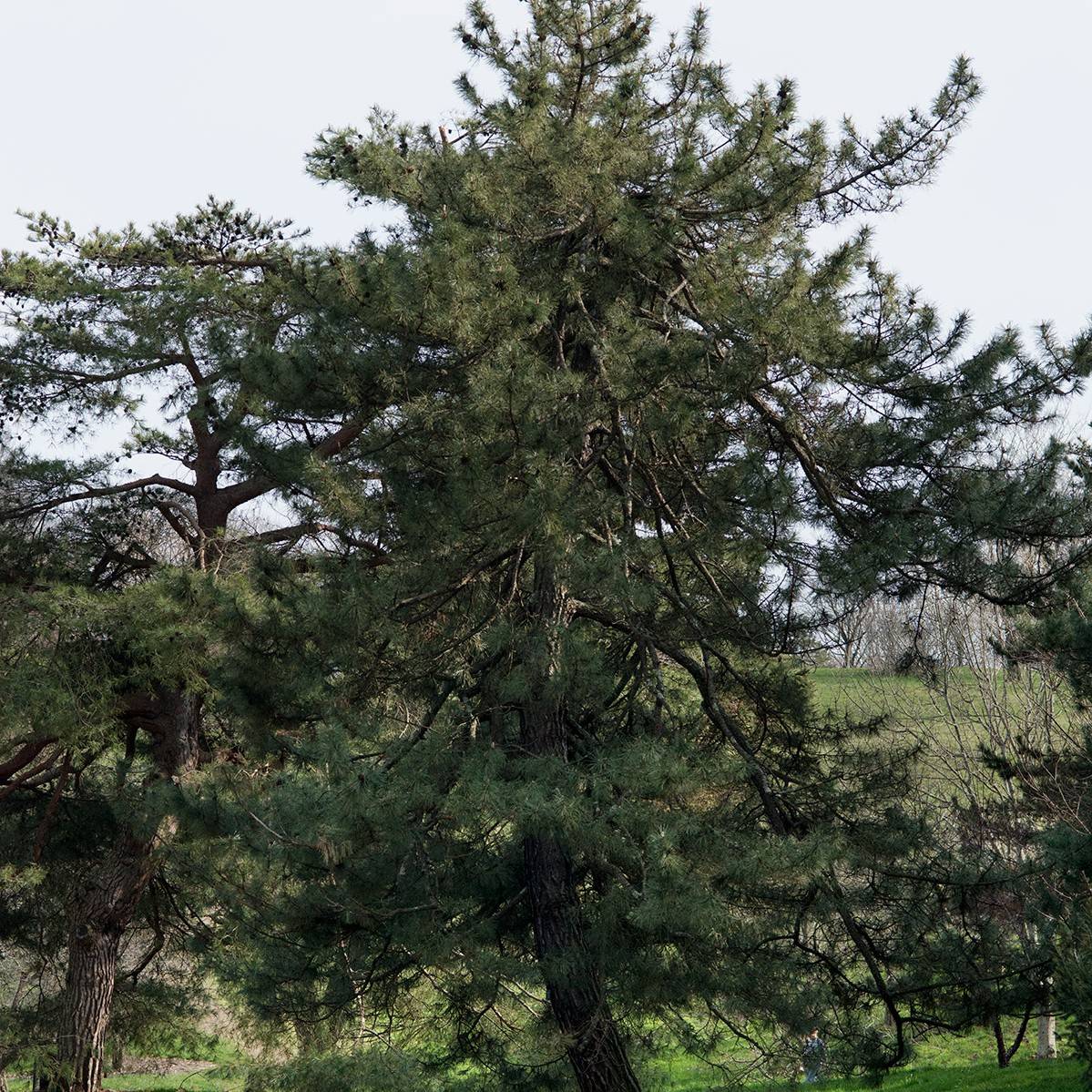
Jeffrey's pine is widely planted as an ornamental landscape tree in dry, temperate regions for its attractive blue-green foliage, symmetrical conical form, and fragrant vanilla-scented bark. Its durable, straight-grained wood is harvested for construction, lumber, and pulp, and its resin was historically used by Indigenous communities for medicinal and adhesive purposes. It is also planted for reforestation and erosion control on dry, rocky mountain slopes where other tree species struggle to establish.
Diseases & Pests
Jeffrey's pine is susceptible to mountain pine beetle infestations, which bore into the bark and introduce blue stain fungus that disrupts water and nutrient flow, often killing mature trees within a single growing season. Fungal diseases including needle blight, root rot, and pitch canker can affect trees grown in poorly draining soil or high-humidity conditions with poor air circulation. Young seedlings may be targeted by aphids, spider mites, and browsing deer, though mature trees have few significant pest issues aside from bark beetles.
Related plants
Other plants you might like if you grow Jeffrey's Pine.