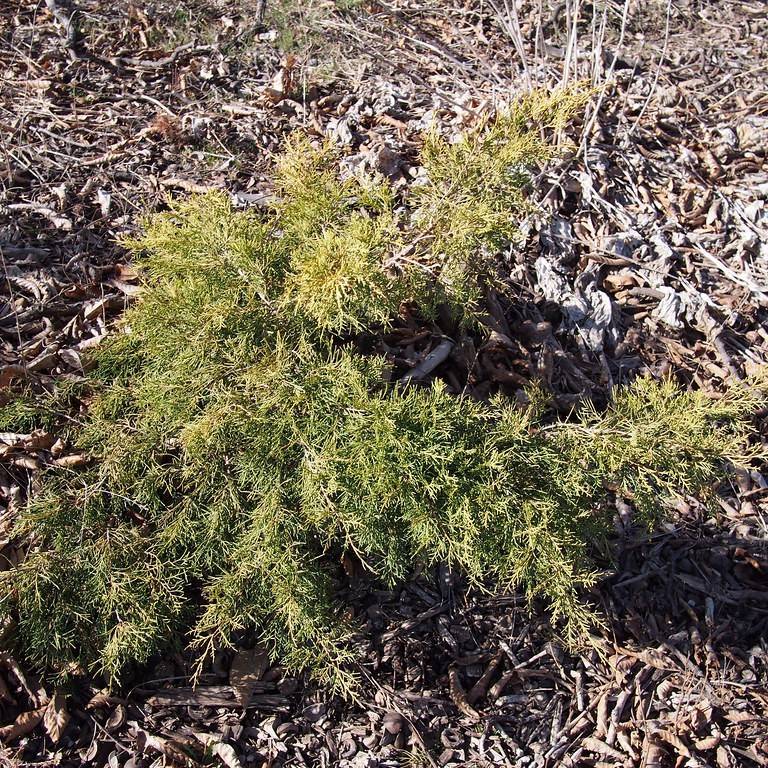
Juniper
Juniperus communis
Overview
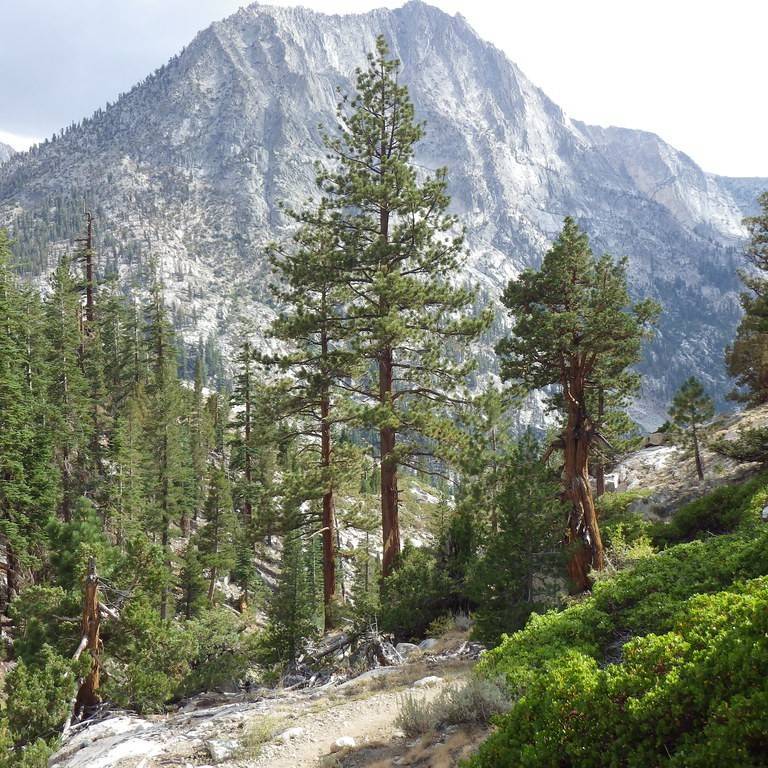
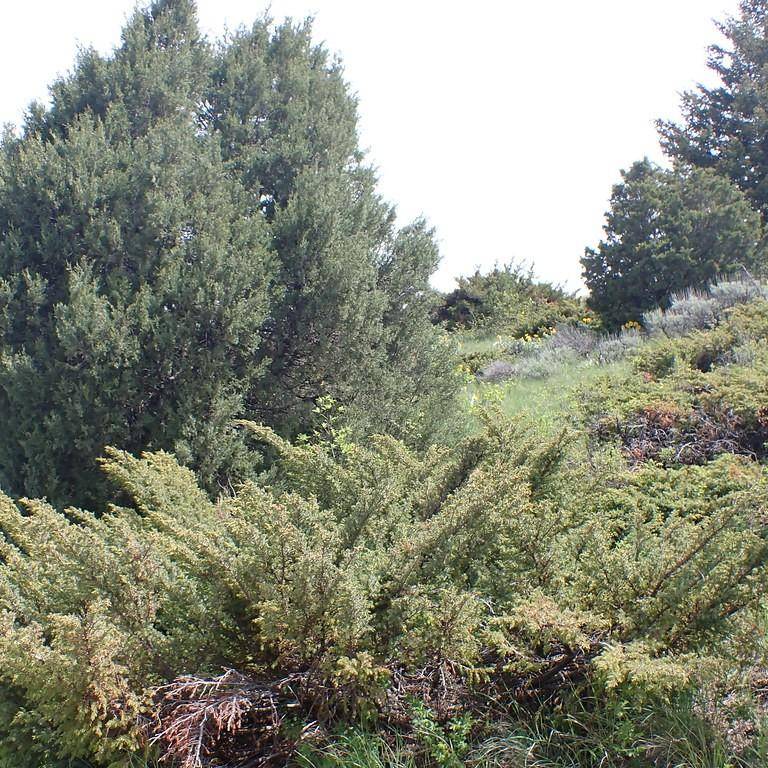
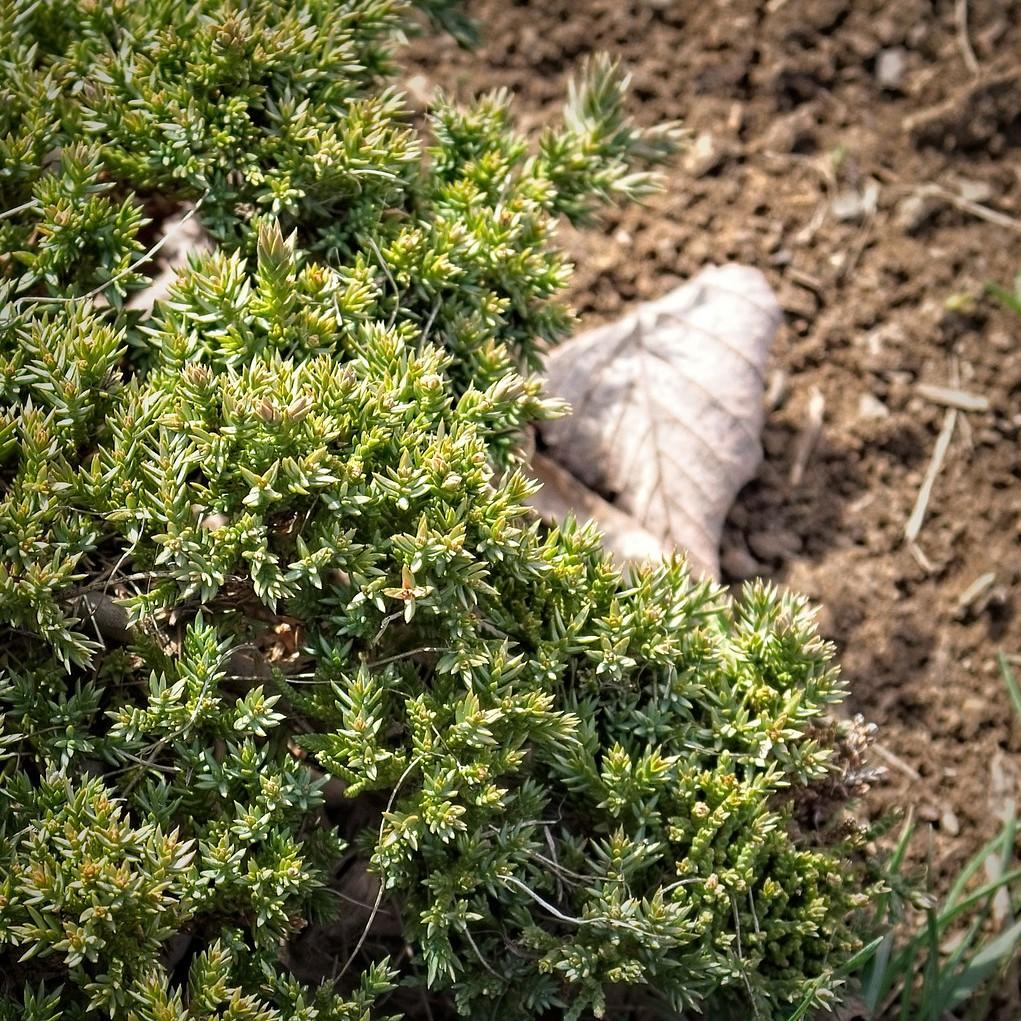
Juniper is a versatile, drought-tolerant conifer widely cultivated as an ornamental plant for landscape hedges, ground covers, and container specimens. It produces small, round, bluish-purple seed cones commonly referred to as juniper berries, which ripen over 2-3 years. The plant’s dense, fragrant foliage and adaptability to harsh conditions make it a popular choice for low-maintenance gardens and xeriscaping projects.
Care Guide
Watering
Juniper is highly drought-tolerant once established, requiring only occasional deep watering during prolonged dry spells. Overwatering is the most common cause of health issues, so allow the soil to dry out completely between waterings, and avoid soggy conditions that lead to root rot. Container-grown junipers need more frequent watering than in-ground specimens, but still require well-drained soil to prevent excess moisture retention.
Light
Juniper thrives in full sun, requiring a minimum of 6 hours of direct, unfiltered sunlight daily to maintain dense, healthy foliage and robust growth. It can tolerate partial shade, but prolonged low light conditions will cause sparse, leggy growth and increase susceptibility to fungal diseases. Indoor potted junipers should be placed in the brightest available window, such as a south-facing exposure, or supplemented with grow lights during dark winter months.
Soil
Juniper adapts to a wide range of soil types, including sandy, rocky, and poor nutrient soils, as long as drainage is excellent. It prefers slightly acidic to neutral soil pH between 5.0 and 7.0, and will not perform well in heavy, compacted clay soils that hold standing water. For container planting, use a well-aerated, fast-draining mix such as a cactus or succulent blend amended with perlite or coarse sand to improve drainage.
Fertilizer
Juniper has low nutrient requirements and rarely needs regular fertilization, especially when grown in in-ground landscape settings. If growth is slow or foliage appears pale, apply a balanced, slow-release granular fertilizer with an NPK ratio of 10-10-10 once annually in early spring, before new growth emerges. Avoid over-fertilizing, as excess nitrogen can cause excessive, weak growth and increase vulnerability to pest infestations and winter damage.
Temperature
Juniper is extremely cold-hardy, tolerating temperatures as low as -40°F (-40°C) in USDA hardiness zones 2 through 9, depending on the cultivar. It can withstand high summer temperatures up to 100°F (38°C) as long as it receives adequate water and is not exposed to prolonged, extreme heat stress. Indoor junipers require a period of cool dormancy in winter, with temperatures between 35-50°F (2-10°C), to prevent foliage dieback and maintain long-term health.
Pruning
Juniper responds well to light pruning to shape the plant, remove dead or damaged branches, and maintain desired size, best performed in late winter or early spring before new growth begins. Avoid cutting back into old, bare wood, as juniper cannot produce new growth from dormant buds on leafless branches, which will leave permanent bare spots. For formal hedges or topiary specimens, light trimming can be done 2-3 times during the growing season to maintain a neat shape.
Propagation
Juniper is most commonly propagated from semi-hardwood cuttings taken in late summer or early fall, from healthy, current-year growth that has begun to harden off. Dip cut ends in rooting hormone, plant in a well-draining propagation mix, and keep consistently moist and warm under indirect light until roots form, which typically takes 3-6 months. Propagation from seed is possible but very slow, as seeds require a lengthy cold stratification period of 3-4 months and may take up to 3 years to germinate and grow into transplantable seedlings.
Humidity
Juniper adapts well to a wide range of humidity levels, thriving in the moderate to low humidity typical of its native temperate and arid habitats. It does not require supplemental humidity, and high, prolonged humidity levels can increase the risk of fungal blights and other foliage diseases. Indoor junipers should be placed in a well-ventilated area to prevent excessive moisture buildup around the foliage, especially during winter heating months when air circulation may be limited.
Repotting
Container-grown junipers should be repotted every 2-3 years in early spring, before new growth emerges, to refresh the soil and prevent root binding. Choose a pot only 1-2 inches larger in diameter than the current container, with multiple drainage holes to prevent excess moisture retention, and use a fast-draining soil mix. Trim up to 1/3 of the outer root mass when repotting to encourage new, healthy root growth, and water thoroughly after repotting to settle the soil around the roots.
Uses & Symbolism
Dried juniper berries are a key culinary ingredient used to flavor gin, game meats, sauerkraut, and herbal liqueurs, valued for their sharp, piney, slightly citrusy flavor. In landscaping, junipers are widely planted as erosion control on slopes, privacy hedges, ground covers, and ornamental topiaries, due to their hardiness and low maintenance requirements. Extracts from juniper foliage and berries have been used in traditional herbal medicine to treat urinary tract issues, as a diuretic, and as an aromatic ingredient in candles, soaps, and essential oils.
Diseases & Pests
Juniper is susceptible to fungal diseases including cedar-apple rust, which forms orange gelatinous galls on branches and requires proximity to apple or crabapple trees to complete its life cycle, and twig blight, which causes browning and dieback of young shoots in high humidity conditions. Common pests include spider mites, scale insects, and juniper bagworms, which feed on foliage and can cause significant defoliation if left untreated. Root rot is the most common preventable issue, caused by overwatering or poorly drained soil, leading to yellowing foliage, branch dieback, and eventual plant death if the excess moisture is not corrected.
Related plants
Other plants you might like if you grow Juniper.