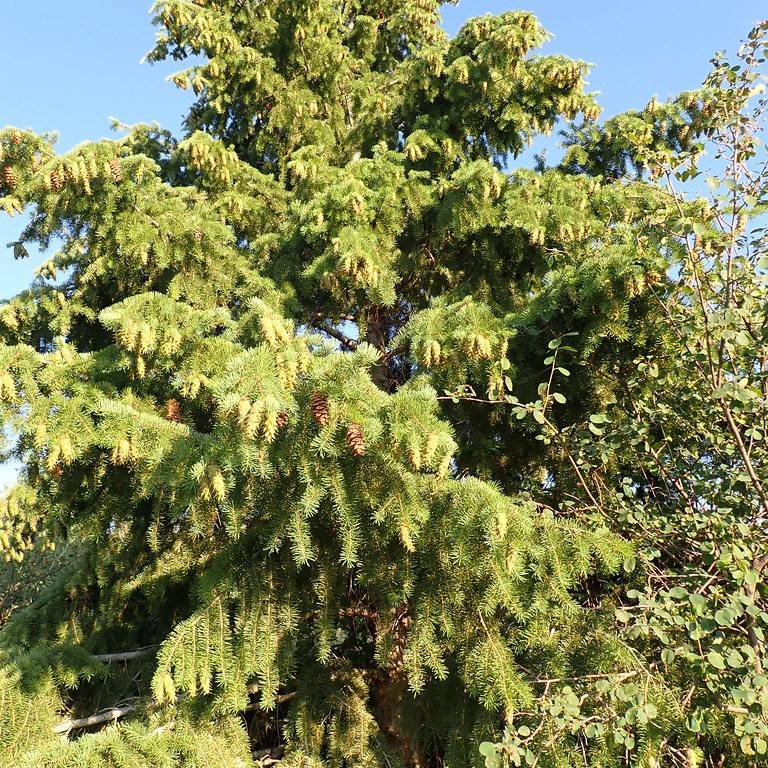
Common Juniper
Juniperus communis
Overview
Common juniper is one of the most widely distributed woody plant species on Earth, adapted to thrive in rocky, poor-quality soils across cold northern climates. It features short, sharp, silvery-green needles arranged in whorls of three, and produces small, round, fleshy seed cones commonly referred to as juniper berries, which take 2-3 years to ripen to a deep blue-purple hue. Many cultivated varieties range from low, spreading groundcovers to compact upright shrubs, making them versatile for ornamental landscaping.
Care Guide
Watering
Common juniper is highly drought-tolerant once established, requiring only occasional deep watering during prolonged dry spells; overwatering is the most common cause of health decline. Newly planted specimens need regular, light watering for the first 1-2 years to help roots establish, but the soil should be allowed to dry out completely between waterings. Avoid wetting the foliage when watering to reduce the risk of fungal infections.
Light
This conifer thrives in full sun, requiring a minimum of 6 hours of direct, unfiltered sunlight daily to maintain dense, healthy foliage and consistent berry production. It can tolerate very light partial shade, but growth will become sparse and leggy if exposed to too much shade for extended periods. Indoor specimens, when grown as houseplants, should be placed in a south-facing window or supplemented with grow lights to meet their light needs.
Soil
Common juniper prefers well-drained, sandy or rocky, slightly acidic to neutral soil with a pH between 5.0 and 7.0, and will not tolerate heavy, clay soils that retain standing water. It is exceptionally adaptable to poor, low-nutrient soils, including those with low fertility or high rock content, making it ideal for rock gardens and sloped sites. Amending heavy garden soil with coarse sand or grit at planting time will improve drainage and prevent root rot.
Fertilizer
This low-maintenance shrub rarely requires fertilization, as it thrives in low-nutrient soils; excess fertilizer can damage its delicate root system and cause overly soft, leggy growth. If growth is stunted or foliage appears pale, apply a slow-release, balanced evergreen fertilizer at half the recommended rate once per year in early spring, before new growth emerges. Avoid fertilizing in late summer or fall, as new growth produced then may be damaged by cold winter temperatures.
Temperature
Common juniper is extremely cold-hardy, tolerating winter temperatures as low as -50°F (-45°C) in USDA hardiness zones 2 through 7, and can withstand short periods of high heat up to 90°F (32°C) if provided with adequate airflow. Extended periods of high heat and humidity can stress the plant, increasing its susceptibility to fungal diseases, so it is not well-suited to tropical or subtropical climates. Winter damage from drying winds is possible in exposed sites, so young specimens may benefit from a burlap wrap in cold, windy regions.
Pruning
Pruning is rarely required for health, but can be done in late winter or early spring to shape the plant, remove dead or damaged branches, or control its size. Avoid cutting into old, woody growth that has no green needles, as common juniper will not resprout from bare wood; only trim back new, soft growth to maintain the desired form. Lightly shearing the outer edges of spreading varieties can encourage denser, more compact growth if a neat appearance is desired.
Propagation
The most reliable method for propagating common juniper is from semi-hardwood cuttings taken in late summer or early fall, dipped in rooting hormone, and placed in a well-drained rooting medium under high humidity. Growing from seed is possible but very slow, as seeds require 1-2 years of cold stratification to germinate, and seedlings can take up to 10 years to produce berries. Named cultivars do not grow true from seed, so cuttings are the only way to preserve their unique growth habits and characteristics.
Humidity
Common juniper prefers low to moderate humidity levels between 30% and 50%, and is well-adapted to the dry air found in most temperate regions and indoor home environments. High humidity above 60% for extended periods can encourage fungal growth on foliage and roots, so ensure the plant has good air circulation in more humid climates. Avoid placing indoor specimens near humidifiers or in steamy rooms like bathrooms, as excess moisture can cause health issues.
Repotting
Potted common juniper specimens only need repotting every 3-4 years, or when roots begin to grow out of the drainage holes at the bottom of the container. Repot in early spring before new growth emerges, using a coarse, well-drained cactus or succulent potting mix amended with extra perlite or pumice to improve drainage. Choose a pot only 1-2 inches larger than the previous one, as excess soil can hold too much moisture and lead to root rot.
Uses & Symbolism
Ripe, dried juniper berries are a key culinary ingredient used to flavor gin, game meats, sauerkraut, and traditional Scandinavian and Northern European dishes, lending a bright, piney, slightly citrusy note. Dense, low-growing varieties are widely used as ornamental groundcovers, erosion control plants for sloped sites, and evergreen specimens in rock gardens and xeriscapes, as they require very little maintenance once established. Historically, juniper foliage and berries have been used in traditional herbal medicine for their diuretic and antiseptic properties, though medicinal use is not recommended without consulting a healthcare provider due to toxicity risks.
Diseases & Pests
Common juniper is relatively pest-resistant, but can be affected by spider mites, scale insects, and juniper aphids, which suck sap from foliage and cause yellowing, stunted growth, and leaf drop. Fungal diseases including cedar-apple rust, twig blight, and root rot are the most common health issues, usually caused by overwatering, poor drainage, or prolonged wet foliage. To prevent disease, ensure the plant has adequate air circulation, avoid overhead watering, and plant in well-drained soil to prevent soggy root conditions.
Related plants
Other plants you might like if you grow Common Juniper.
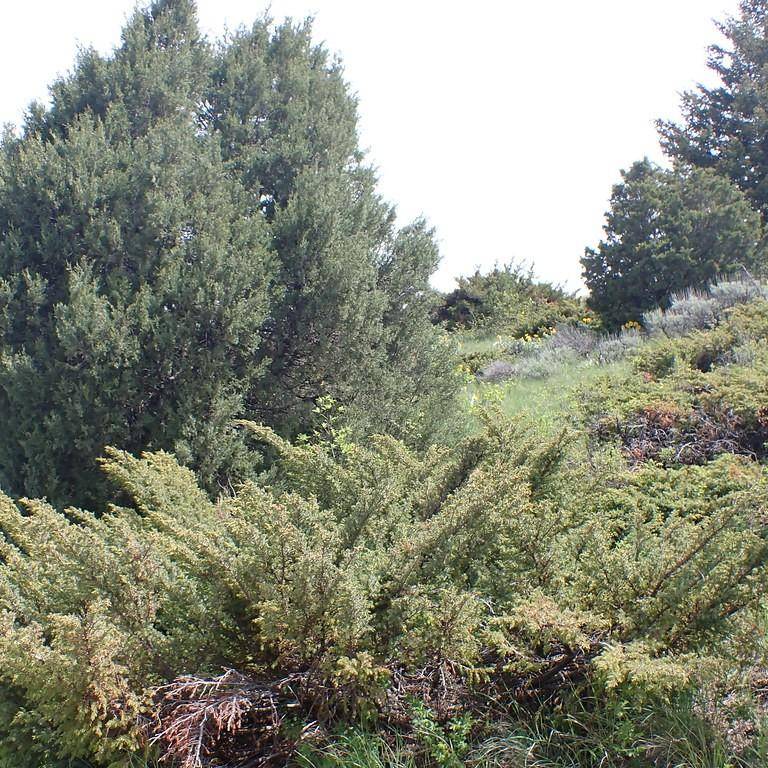
Creeping Juniper
Juniperus horizontalis
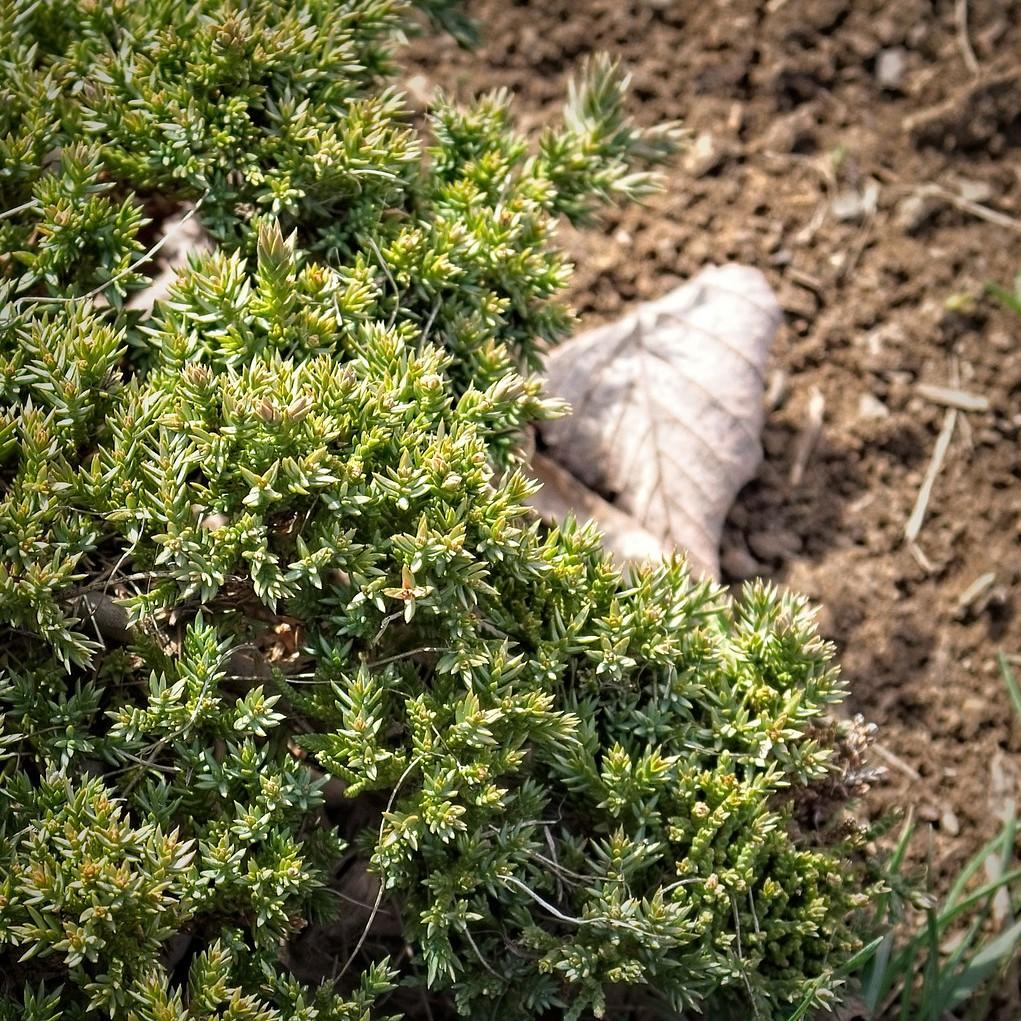
Japanese Garden Juniper
Juniperus procumbens
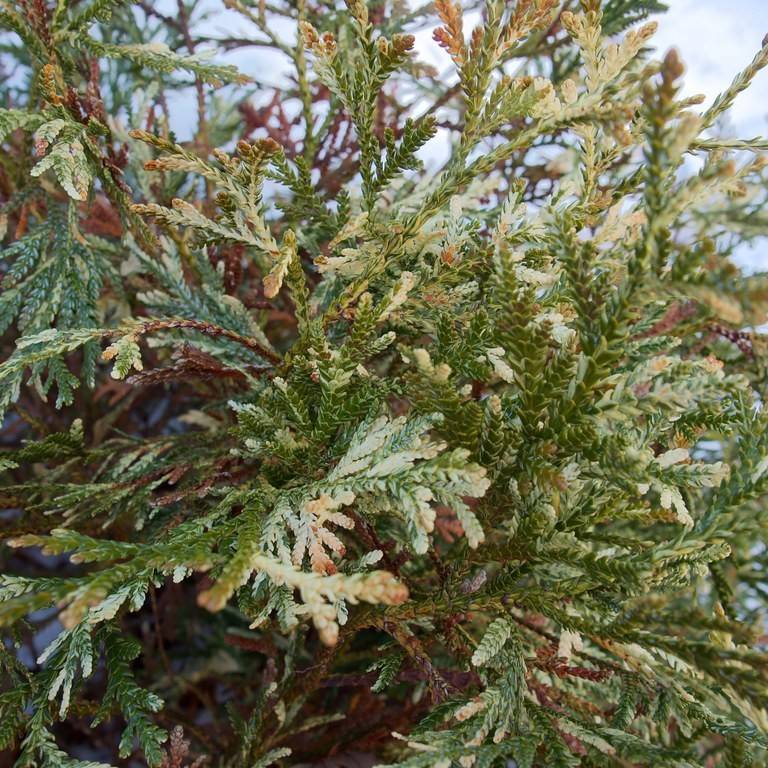
Boulevard False Cypress
Chamaecyparis pisifera 'Boulevard'
Chinese Pine
Pinus tabuliformis
Beach Pine
Pinus contorta var. contorta
Dwarf Eastern White Pine
Pinus strobus 'Nana'
Dwarf Norway Spruce
Picea abies 'Nana'
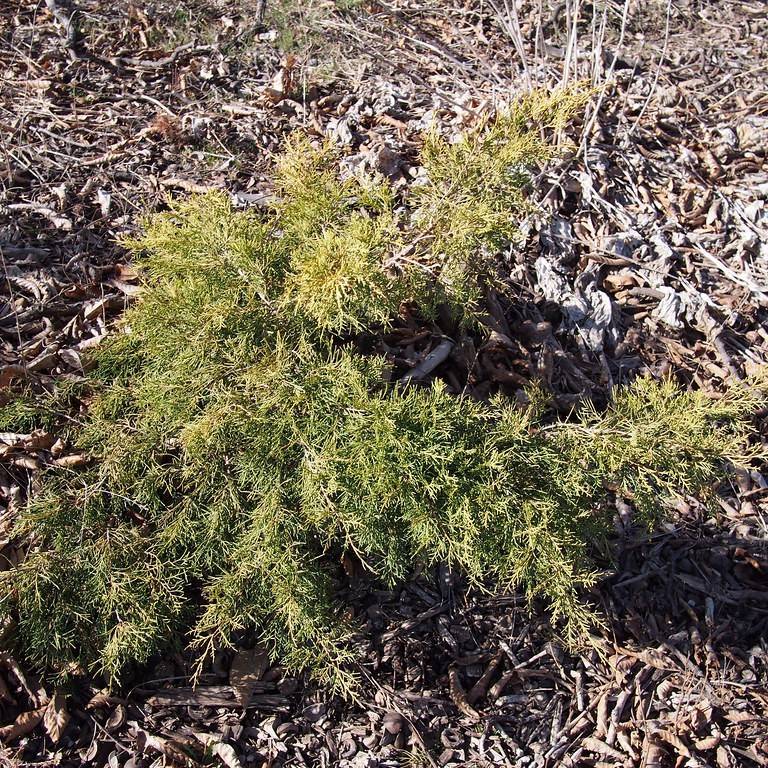
Juniper
Juniperus communis