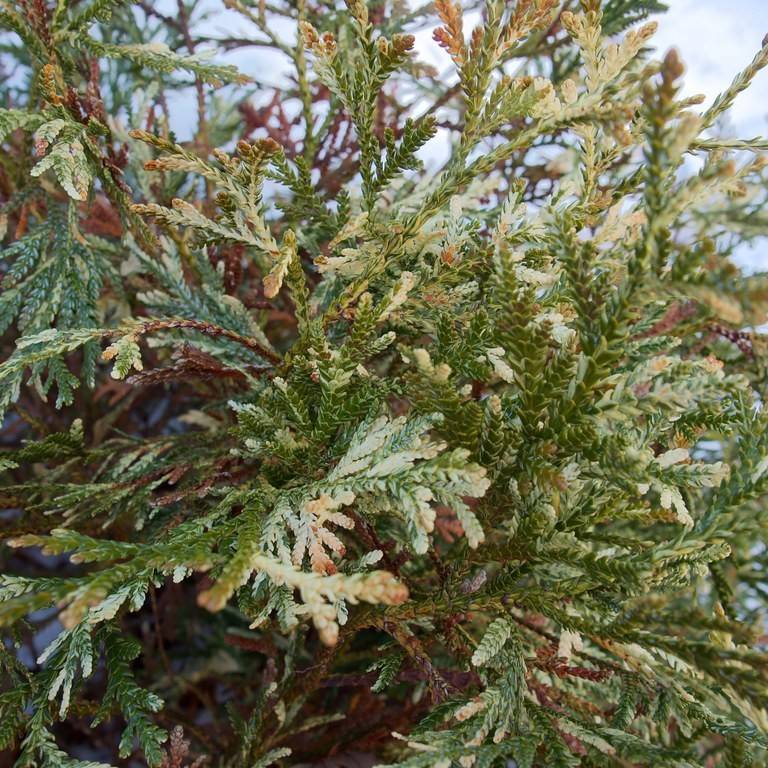
Boulevard False Cypress
Chamaecyparis pisifera 'Boulevard'
Overview
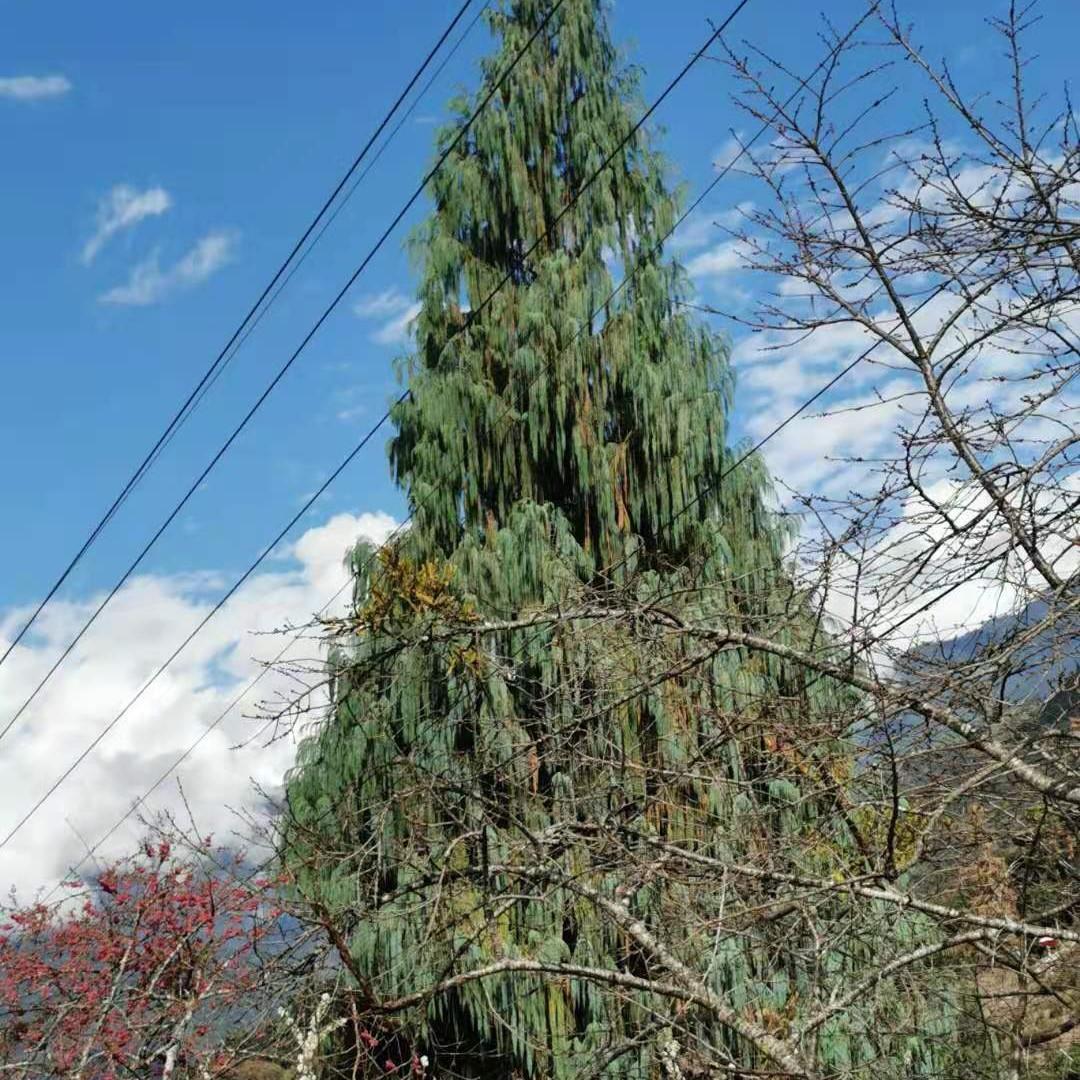
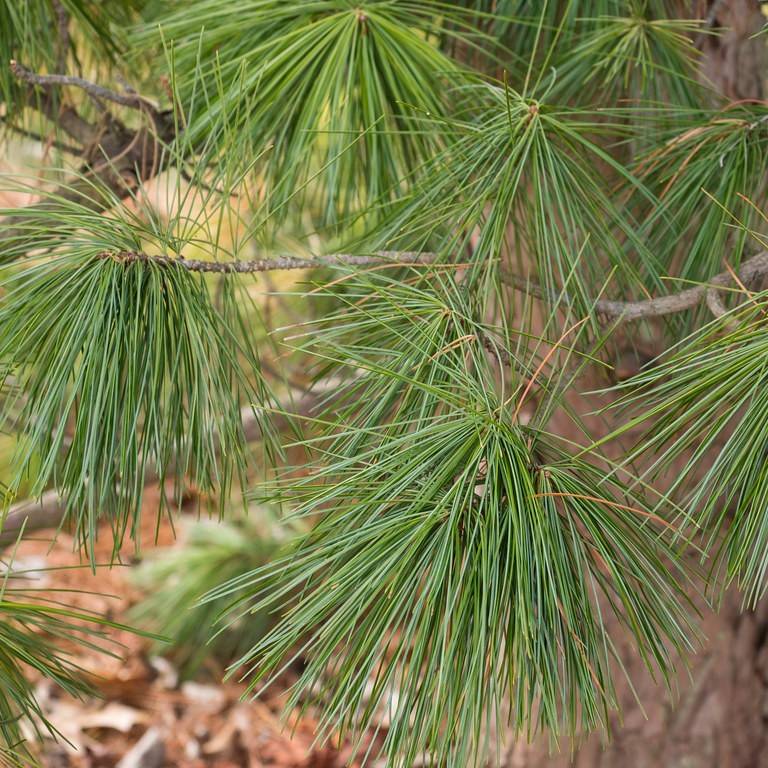
Boulevard False Cypress is a slow-growing, mounded to pyramidal evergreen cultivar of the Japanese sawara cypress, prized for its striking, feathery silvery-blue foliage that retains its color year-round. It has a naturally neat, dense growth habit that rarely requires heavy shaping, making it a low-maintenance choice for gardeners of all skill levels. Hardy in USDA zones 4 through 8, it adapts well to both full landscape plantings and large container culture, even thriving as a specimen houseplant in bright, cool indoor spaces.
Care Guide
Watering
Water deeply once per week during the first growing season to establish a robust root system, allowing the top 2 to 3 inches of soil to dry out between waterings to prevent root rot. Once established, it is moderately drought tolerant, only requiring supplemental water during extended periods of heat or low rainfall. Avoid overwatering, especially in poorly draining soil, as this can quickly lead to fungal root damage.
Light
Grow in full sun to partial shade, with at least 6 hours of direct sunlight per day to encourage the brightest silvery-blue foliage color and densest growth habit. In regions with intense, scorching afternoon sun, provide light afternoon shade to prevent foliage burn and discoloration. When grown indoors, place in a south or west-facing window with bright, indirect light supplemented by direct morning sun.
Soil
Thrives in moist, well-drained, loamy soil with a slightly acidic to neutral pH range of 5.5 to 7.0, though it will adapt to most average garden soils as long as they do not stay waterlogged. Amend heavy clay soils with compost, peat moss, or perlite at planting time to improve drainage and prevent standing water around the root zone. For container growing, use a high-quality, well-aerated potting mix formulated for evergreens or conifers.
Fertilizer
Fertilize sparingly in early spring before new growth emerges, using a slow-release, balanced granular fertilizer formulated for acid-loving evergreens, applied at half the recommended package rate to avoid overfeeding. Do not fertilize in late summer or fall, as this can stimulate tender new growth that will be damaged by cold winter temperatures. Container-grown specimens can be given a diluted liquid fertilizer once every 4 to 6 weeks during the active growing season from spring to mid-summer.
Temperature
Prefers cool to moderate temperatures, with an ideal range of 40 to 75°F (4 to 24°C), and is hardy down to -30°F (-34°C) when planted outdoors in suitable zones. It tolerates winter cold well, but young specimens may benefit from a light burlap wrap in areas with harsh, drying winter winds to prevent foliage desiccation. Indoor-grown plants should be kept away from hot, dry heating vents and placed in a cool room during winter to support healthy dormancy.
Pruning
Prune lightly in late winter or early spring before new growth appears to shape the plant, remove any dead, damaged, or diseased branches, and maintain its desired size. Avoid cutting back into old, bare wood, as this cultivar rarely produces new growth from leafless woody stems, leaving permanent bare spots. No regular heavy pruning is required, as it naturally maintains a compact, neat growth habit with minimal intervention.
Propagation
Most commonly propagated from semi-hardwood cuttings taken in mid to late summer, selecting 4 to 6 inch long stem tips from healthy, current-season growth that has just started to harden. Remove lower foliage from the cut end, dip in rooting hormone powder, and plant in a well-drained rooting medium of perlite and peat moss, keeping the medium consistently moist and warm under indirect light until roots form in 8 to 12 weeks. As a cultivated cultivar, it does not grow true from seed, so seed propagation is not recommended for retaining its characteristic foliage and growth habit.
Humidity
Adaptable to average outdoor humidity levels between 40 and 60%, though it benefits from occasional misting during periods of extremely low, dry humidity to prevent foliage browning at the tips. Indoor-grown specimens require moderate humidity, so place the pot on a pebble tray filled with water or use a small room humidifier if indoor air is especially dry during winter heating months. Avoid placing it near drafts or heating sources that can dry out the foliage rapidly.
Repotting
Container-grown Boulevard False Cypress only requires repotting every 3 to 4 years, or when roots begin to grow out of the drainage holes at the bottom of the pot, indicating it has become root bound. Repot in early spring before new growth starts, choosing a pot only 1 to 2 inches larger in diameter than the current one to avoid excess soil that holds too much moisture around the roots. Gently loosen tight root balls at repotting time and refresh the potting mix with fresh, well-drained conifer potting medium to support new root growth.
Uses & Symbolism
Widely used as a specimen ornamental shrub in residential landscapes, foundation plantings, rock gardens, and mixed evergreen borders, where its silvery-blue foliage provides year-round color contrast against green and dark-leaved plants. Its compact size makes it well suited for large container growing on patios, balconies, or entryways, and it can be trained as a small bonsai specimen for enthusiast growers. It also works well as a low, informal hedge or screen when planted in a row, providing privacy and visual interest without the high maintenance of formal hedging varieties.
Diseases & Pests
The most common disease issues are root rot and fungal blights caused by overwatering or poor soil drainage, which can be prevented by ensuring proper soil drainage and avoiding overwatering, especially in cool, wet conditions. Common pests include spider mites, scale insects, and bagworms, which can be controlled with horticultural oil sprays or insecticidal soap applied at the first sign of infestation, and regular inspection of foliage to catch issues early. Foliage browning can also occur from winter desiccation in harsh, windy locations, which can be mitigated by providing a windbreak or wrapping young plants in burlap during the coldest months.
Related plants
Other plants you might like if you grow Boulevard False Cypress.