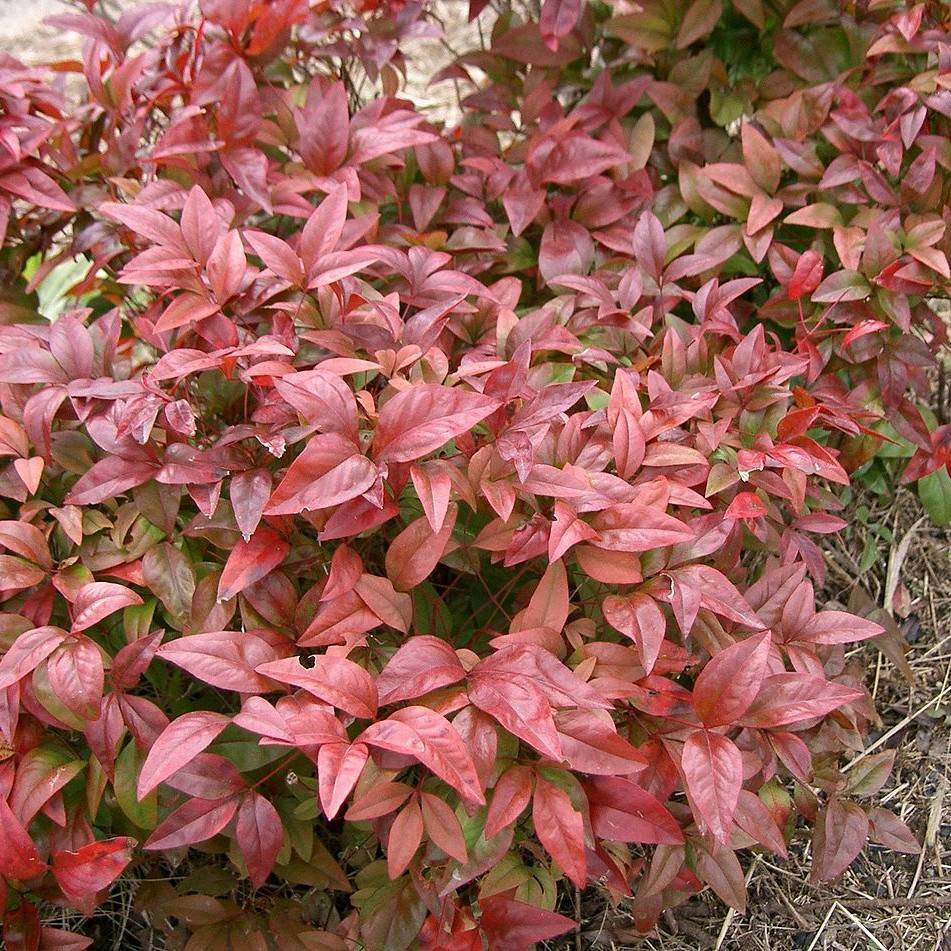
Heavenly Bamboo
Nandina domestica
Overview
Despite its common name, Heavenly Bamboo is not a true bamboo, but a member of the barberry family grown for its year-round visual interest. Its delicate, compound foliage emerges pinkish-red in spring, matures to soft green in summer, and shifts to vibrant red or bronze tones in cool winter weather. Clusters of small white spring flowers give way to glossy, bright red berries that persist through winter, providing food for wild birds while adding seasonal pop to landscapes. It is widely planted in temperate gardens as a hedge, accent plant, or container specimen for its low-maintenance nature and year-round color.
Care Guide
Watering
Water newly planted Heavenly Bamboo regularly to keep the soil consistently moist but not waterlogged for the first 1-2 years as it establishes a deep root system. Once established, it is highly drought-tolerant, requiring only occasional supplemental watering during prolonged dry spells, avoiding overwatering that can lead to root rot. Reduce watering frequency in winter when growth slows, only watering if the top 2-3 inches of soil feel completely dry.
Light
Heavenly Bamboo thrives in full sun to partial shade, with the most vibrant foliage color and heaviest berry production occurring in locations that receive at least 6 hours of direct sunlight daily. In extremely hot, arid climates, it benefits from light afternoon shade to prevent leaf scorch and reduce moisture loss. Too much deep shade will cause the plant to become leggy, produce fewer berries, and have duller, less intense foliage color.
Soil
This adaptable shrub grows well in most well-drained soil types, including sandy, loam, and clay soils, preferring a slightly acidic to neutral pH between 6.0 and 7.5. It does not tolerate waterlogged, poorly drained soils, so amend heavy clay soils with compost or peat moss to improve drainage before planting. It tolerates moderate soil salinity, making it suitable for planting in coastal landscapes or areas with de-icing salt exposure.
Fertilizer
Feed Heavenly Bamboo once per year in early spring, just before new growth emerges, using a balanced, slow-release shrub fertilizer with an NPK ratio of 10-10-10 or similar, following package dosage instructions to avoid over-fertilization. Avoid fertilizing after mid-summer, as this can stimulate tender new growth that is vulnerable to damage from late fall or winter frost. Container-grown plants benefit from a diluted, balanced liquid fertilizer applied every 4-6 weeks during the active growing season from spring to early fall.
Temperature
Heavenly Bamboo grows best in USDA hardiness zones 6 through 9, tolerating minimum winter temperatures as low as -10°F (-23°C) once established, though young plants may require winter mulch to protect roots from extreme cold. It tolerates high summer temperatures up to 100°F (38°C) if provided with adequate moisture and occasional shade during the hottest parts of the day. Severe, prolonged frost may cause top growth to die back, but the plant will typically regrow from the root system in spring once temperatures warm.
Pruning
Prune Heavenly Bamboo in late winter or early spring before new growth appears to maintain its desired shape and size, removing up to one-third of the oldest, woodiest stems at ground level to encourage fresh, vibrant new growth. Trim away any dead, damaged, or diseased branches as they appear throughout the year to improve air circulation and overall plant health. Avoid heavy shearing of the entire plant, as this can ruin its natural graceful form and reduce flower and berry production for the upcoming season.
Propagation
Heavenly Bamboo is most commonly propagated via semi-hardwood cuttings taken in mid to late summer, rooting cuttings in a well-drained potting mix with bottom heat to speed root development over 4-6 weeks. It can also be propagated from seed collected from ripe berries in fall, though seeds require 2-3 months of cold stratification to germinate, and seedlings may not retain the exact foliage color or growth habit of the parent plant. Established clumps can be divided in early spring before new growth emerges, separating root sections with at least 2-3 healthy stems each and replanting immediately in prepared soil.
Humidity
This adaptable shrub tolerates a wide range of humidity levels, thriving in the moderate humidity of its native temperate Asian habitat as well as drier conditions found in arid landscapes. It does not require additional humidity when grown outdoors, though very low humidity combined with extreme heat may cause minor leaf browning at the tips, which can be mitigated with occasional deep watering. When grown as a houseplant, it tolerates average indoor humidity levels, but benefits from occasional misting during the driest winter months to keep foliage looking fresh.
Repotting
Container-grown Heavenly Bamboo should be repotted every 2-3 years in early spring before new growth begins, moving it to a pot 1-2 inches larger in diameter than its current container with adequate drainage holes. Use a high-quality, well-drained potting mix with added perlite or coarse sand to improve drainage, and gently loosen tangled roots before planting to encourage healthy root spread. Once the plant reaches its desired mature size, repot every 3-4 years to refresh the potting mix and trim back overgrown roots to keep it contained in its existing container.
Uses & Symbolism
Heavenly Bamboo is widely used in residential and commercial landscapes as a low-maintenance hedge, foundation planting, accent specimen, or mass planting for erosion control on slopes, valued for its year-round color and adaptability. Dwarf cultivars are popular for container planting on patios or as low border edging in formal and informal garden designs. Its long-lasting foliage and berry clusters are also used in cut floral arrangements, adding texture and vibrant red color to both fresh and dried displays.
Diseases & Pests
Heavenly Bamboo is relatively pest and disease resistant, though it may occasionally be affected by aphids, scale insects, and spider mites, which can be controlled with insecticidal soap or horticultural oil sprays applied at the first sign of infestation. Fungal diseases including leaf spot and powdery mildew may occur in conditions of poor air circulation or prolonged excess moisture, which can be prevented by planting in well-spaced locations and avoiding overhead watering. Root rot can occur in waterlogged, poorly drained soils, so proper soil preparation and avoiding overwatering are critical to preventing this often fatal condition.
Related plants
Other plants you might like if you grow Heavenly Bamboo.
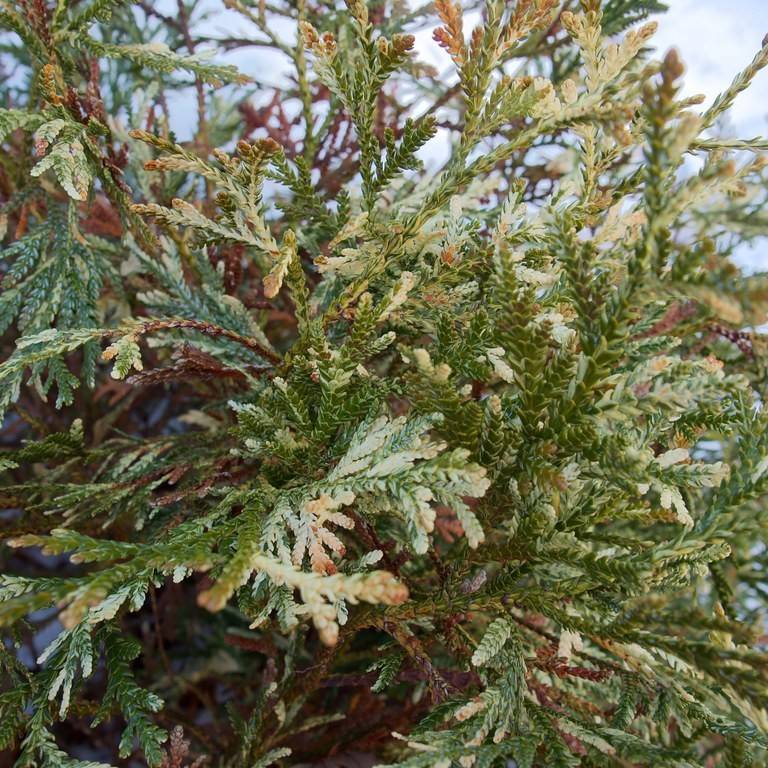
Boulevard False Cypress
Chamaecyparis pisifera 'Boulevard'
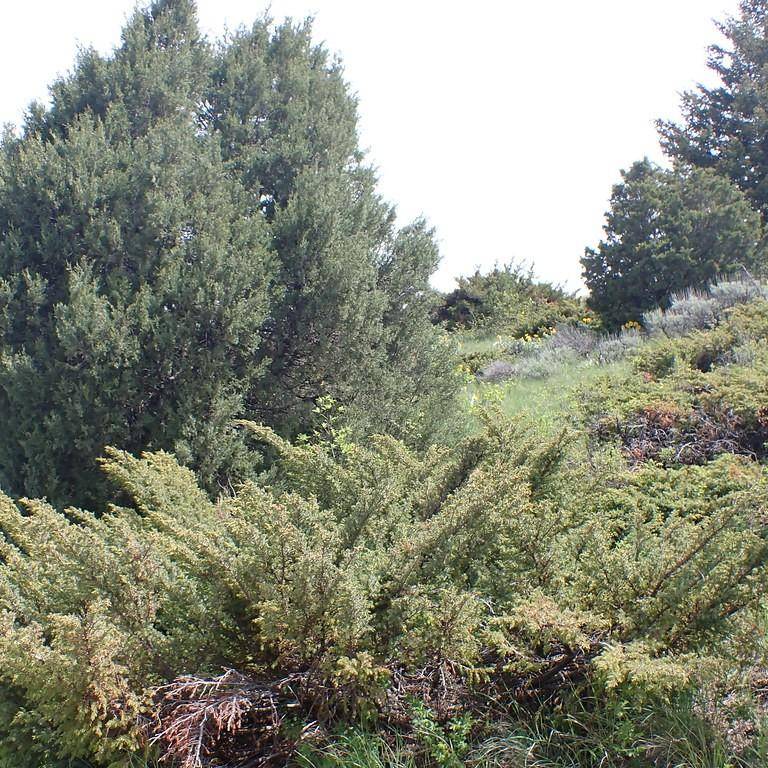
Creeping Juniper
Juniperus horizontalis
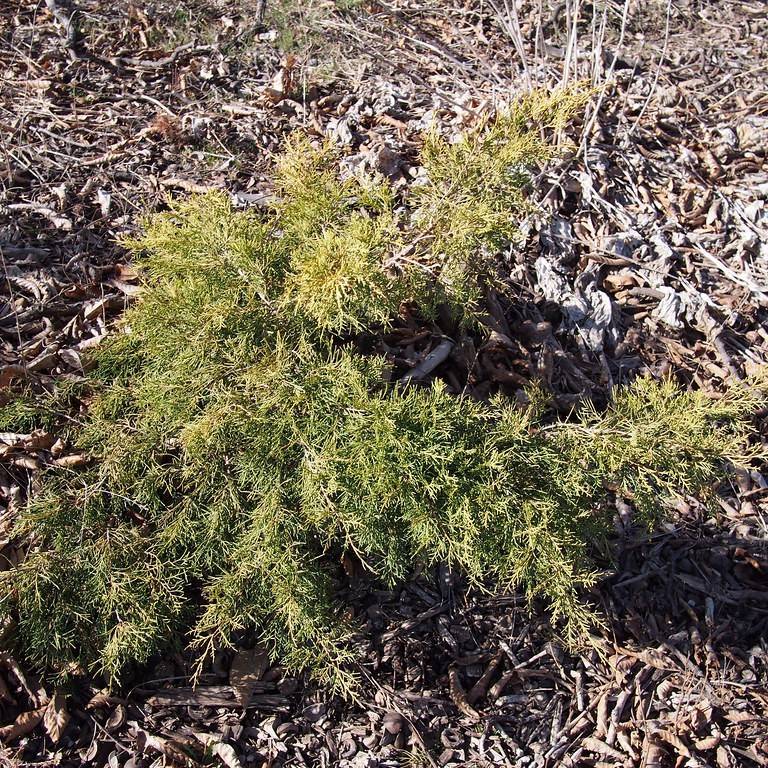
Juniper
Juniperus communis
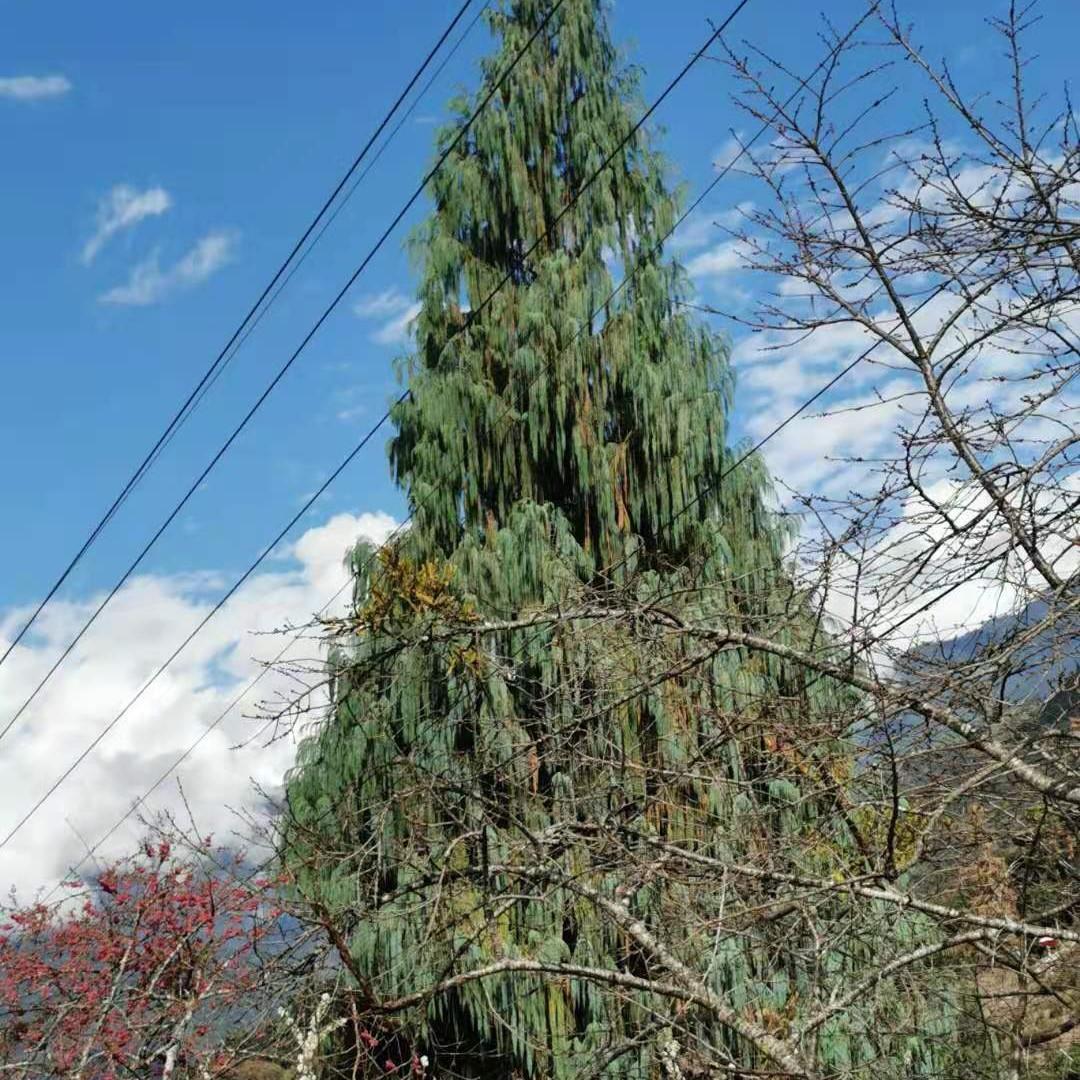
Coffin Juniper
Juniperus horizontalis 'Wiltonii'
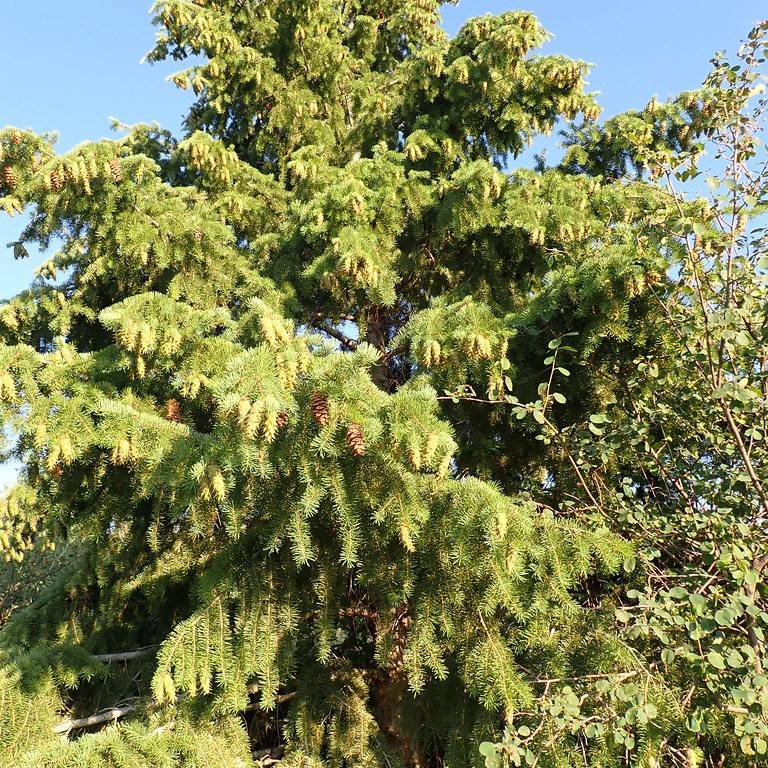
Common Juniper
Juniperus communis
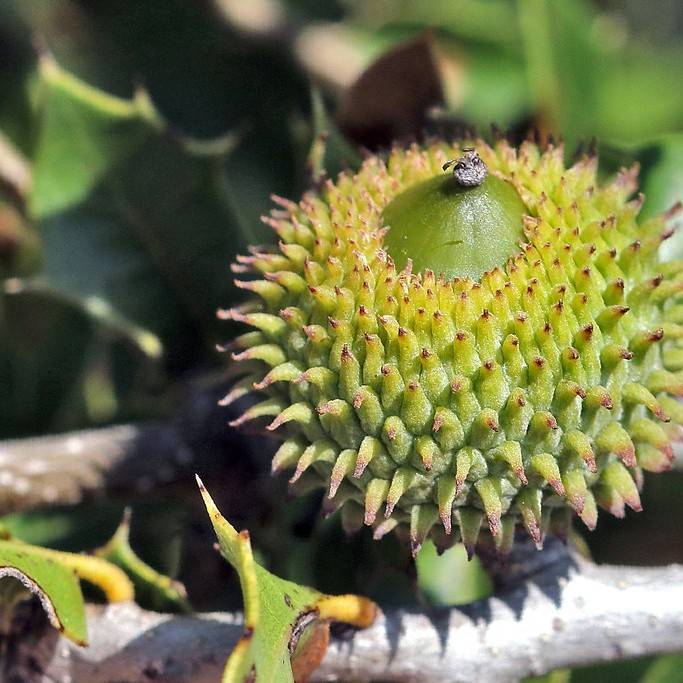
Kermes Oak
Quercus coccifera
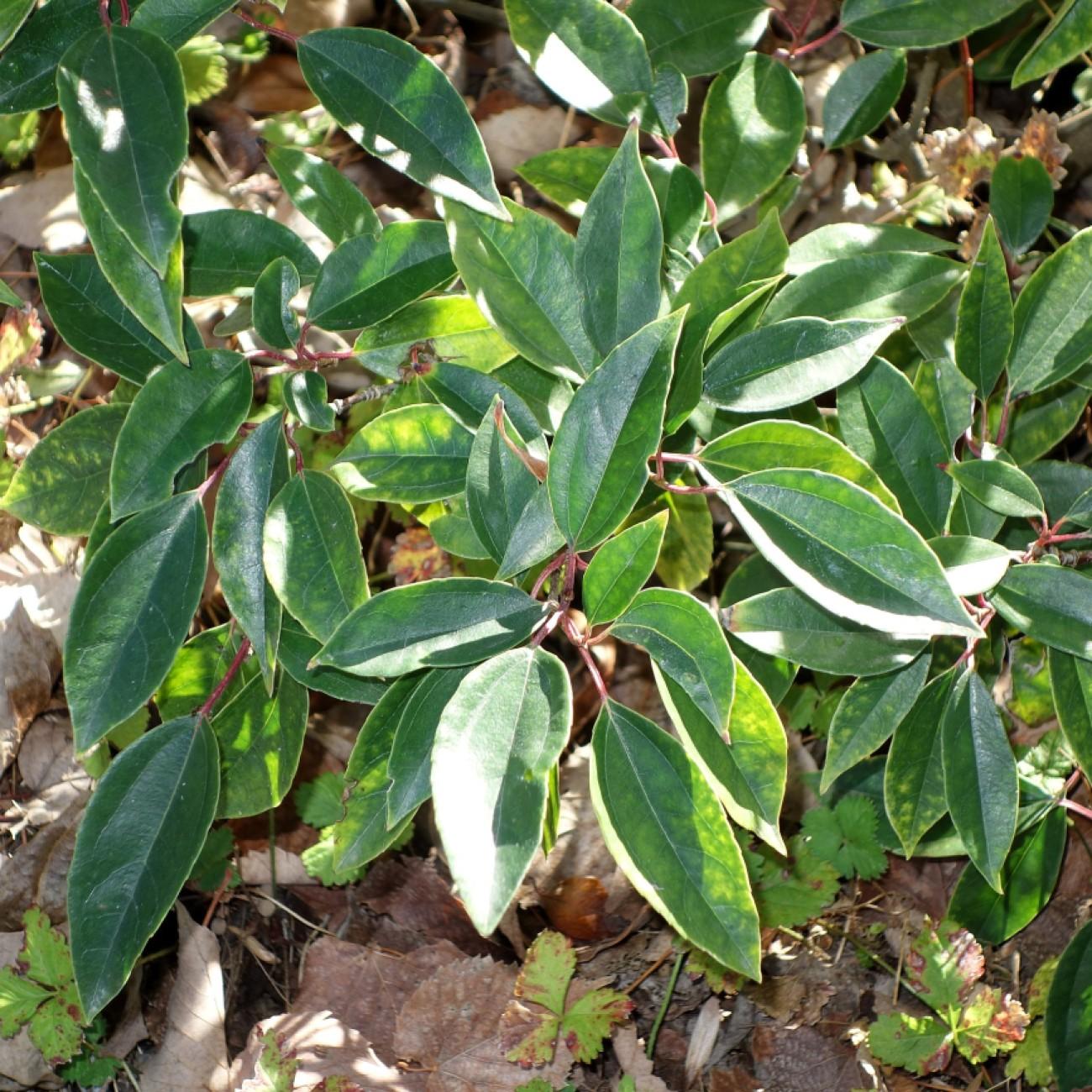
Chinese Viburnum
Viburnum macrocephalum
Dwarf Mat Rush
Lomandra confertifolia subsp. pallida 'Little Con'