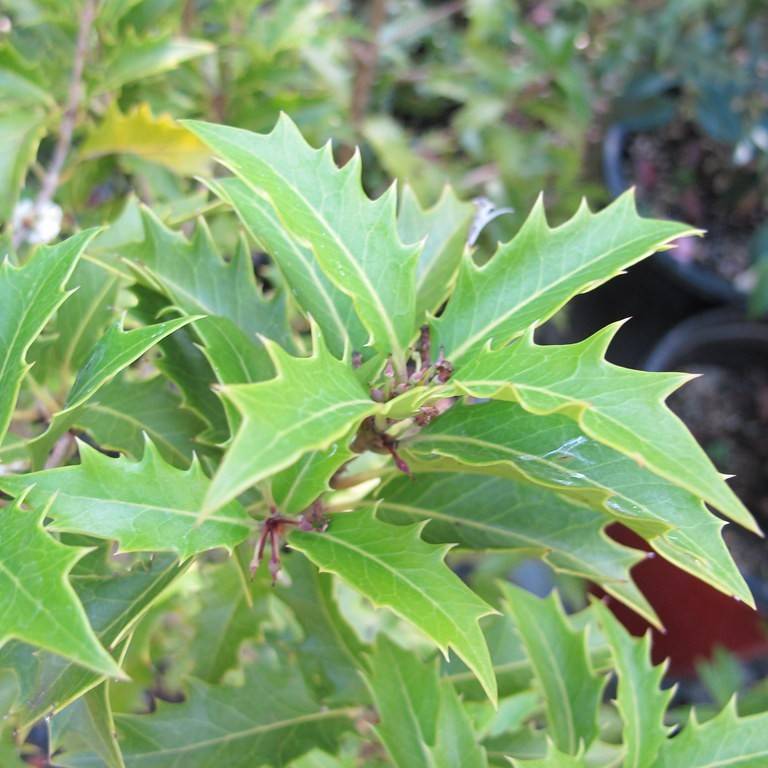
Devilwood
Osmanthus americanus
Overview
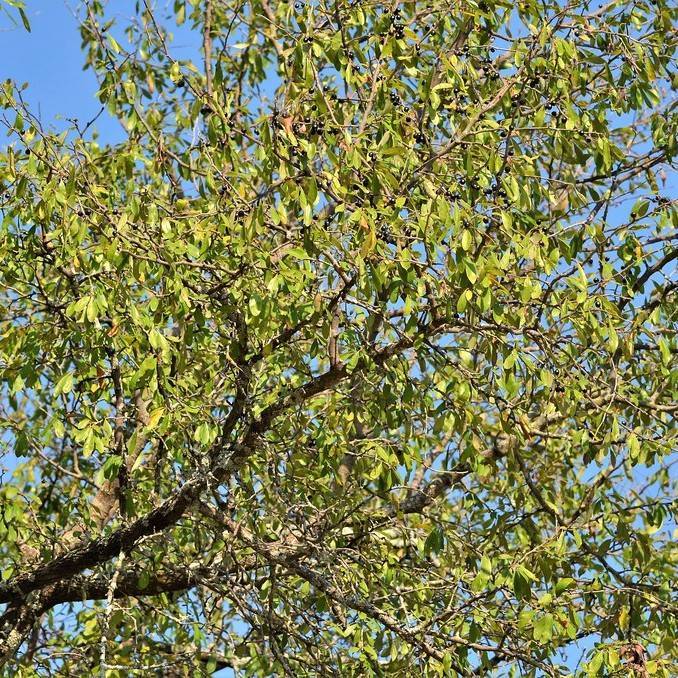
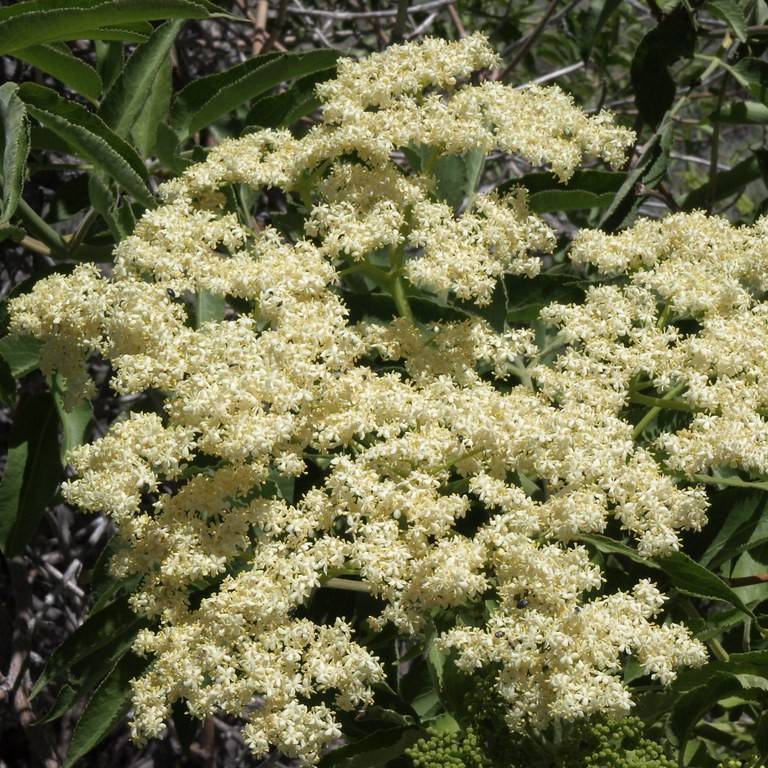
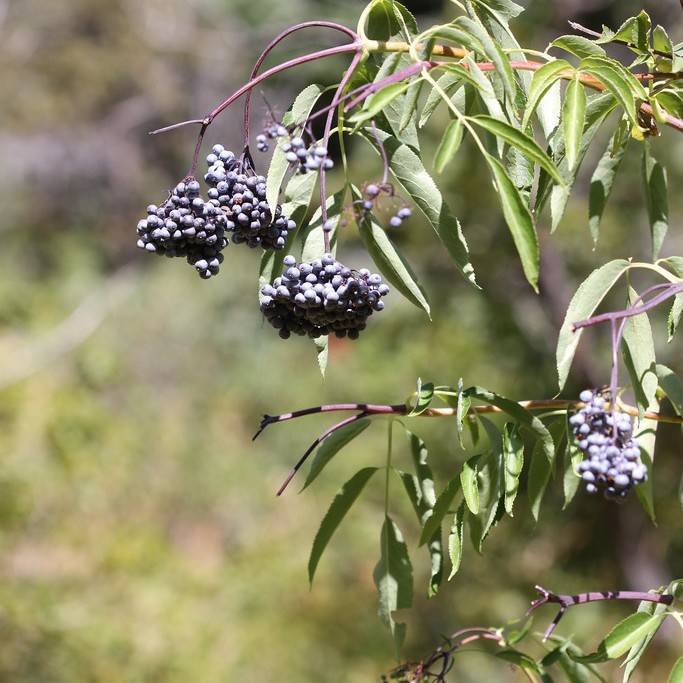
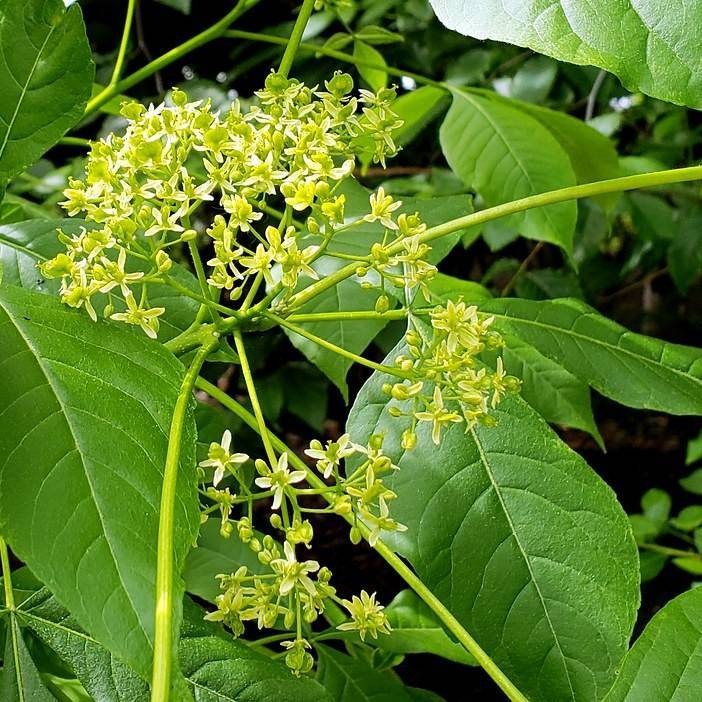
Devilwood, also called wild olive or American osmanthus, is a drought-tolerant evergreen that thrives in warm, coastal and woodland habitats of the US Southeast. Its common name refers to its extremely hard, dense wood that is difficult to cut and work with for carpentry. In early spring, it produces clusters of tiny, creamy white, four-petaled flowers that emit a strong, sweet, jasmine-like fragrance detectable from several feet away. Female trees produce small, dark blue olive-like drupes in fall that persist through winter, supporting a range of native bird species.
Care Guide
Watering
Devilwood has moderate drought tolerance once established, requiring regular watering only during extended dry periods for the first 2-3 years after planting. Avoid overwatering or allowing roots to sit in saturated soil, as this can cause root rot; allow the top 2-3 inches of soil to dry out between waterings for container-grown specimens. Mature landscape plants rarely need supplemental irrigation except in periods of extreme heat or drought.
Light
This adaptable plant grows well in full sun to partial shade, with the most abundant flowering occurring when it receives at least 6 hours of direct sunlight daily. In hotter regions of its range, it benefits from light afternoon shade to prevent foliage scorch during the peak of summer. It can tolerate deep shade, though flowering will be sparse and growth may be more open and leggy.
Soil
Devilwood prefers well-drained, acidic to neutral sandy or loamy soil, but it is highly adaptable to a range of soil types including clay, poor quality upland soils, and moderately alkaline conditions. It tolerates occasional seasonal flooding and salty coastal soils, making it a good choice for landscape plantings near shorelines. It does not thrive in permanently waterlogged, heavy clay soils with poor drainage.
Fertilizer
Mature devilwood plants require very little fertilization, only needing a light application of balanced, slow-release shrub fertilizer in early spring before new growth emerges if growth is stunted or foliage appears pale. Avoid high-nitrogen fertilizers, as these can promote excessive foliage growth at the expense of flower production. Container-grown specimens can be fed once per month during the growing season with a diluted balanced liquid fertilizer.
Temperature
This plant is hardy in USDA zones 6 to 9, tolerating winter temperatures as low as -10°F (-23°C) once fully established. It thrives in warm, humid summer conditions typical of its native southeastern range, with optimal growth occurring between 60°F and 90°F (15°C to 32°C). Young plants may require winter protection, such as a layer of mulch around the root zone, in the colder edge of its hardiness range to prevent frost damage.
Pruning
Devilwood requires minimal pruning, only needing removal of dead, damaged, or crossing branches in late winter before new growth begins to maintain a healthy, open structure. It can be pruned to a single-trunked small tree form or kept as a dense multi-stemmed shrub, with shaping cuts best done immediately after flowering finishes in spring to avoid removing next year’s flower buds. Avoid heavy pruning, as this can reduce flowering for 1-2 growing seasons.
Propagation
Devilwood is most commonly propagated from semi-hardwood cuttings taken in late summer, which root readily when treated with rooting hormone and kept in a humid, warm environment for 2-3 months. It can also be grown from seed, though seeds require 3-6 months of cold stratification to break dormancy and may take 18-24 months to germinate, with plants grown from seed taking up to 5 years to reach flowering maturity. Suckers that form around the base of mature plants can be dug up and transplanted in early spring for easy clonal propagation.
Humidity
Devilwood is adapted to the moderate to high humidity of its native southeastern US range, thriving in humidity levels between 50% and 80%. It tolerates average indoor humidity levels well if grown as a large container houseplant, though it may benefit from occasional misting during very dry winter months. Low humidity below 40% for extended periods can cause leaf tip browning, particularly for young or container-grown specimens.
Repotting
Container-grown devilwood should be repotted every 2-3 years in early spring before new growth emerges, moving to a pot one size larger with fresh, well-drained acidic potting mix. Mature specimens that have reached their desired size can be root-pruned and repotted into the same container to restrict growth, removing up to one-third of the root ball and replacing old soil with fresh mix. Ensure the pot has adequate drainage holes to prevent waterlogging, which is the most common issue for potted devilwood.
Uses & Symbolism
Devilwood is widely used in native landscaping as a hedge, screen, or specimen plant, valued for its evergreen foliage, fragrant spring blooms, and tolerance of coastal and urban conditions. Its extremely hard, dense wood is occasionally used for small specialty woodworking projects such as tool handles, walking sticks, and carving. The flowers attract pollinators including bees and butterflies, while the fall fruit provides a food source for native birds such as cedar waxwings, robins, and bluebirds.
Diseases & Pests
Devilwood is relatively pest and disease resistant, with only occasional issues with scale insects, spider mites, and aphids that can be treated with horticultural oil or insecticidal soap. Fungal leaf spot and root rot can occur in poorly drained, overly saturated soils, so proper soil drainage and avoiding overwatering are key preventive measures. It has no serious disease threats, though deer may browse young foliage in areas with high deer populations.
Related plants
Other plants you might like if you grow Devilwood.