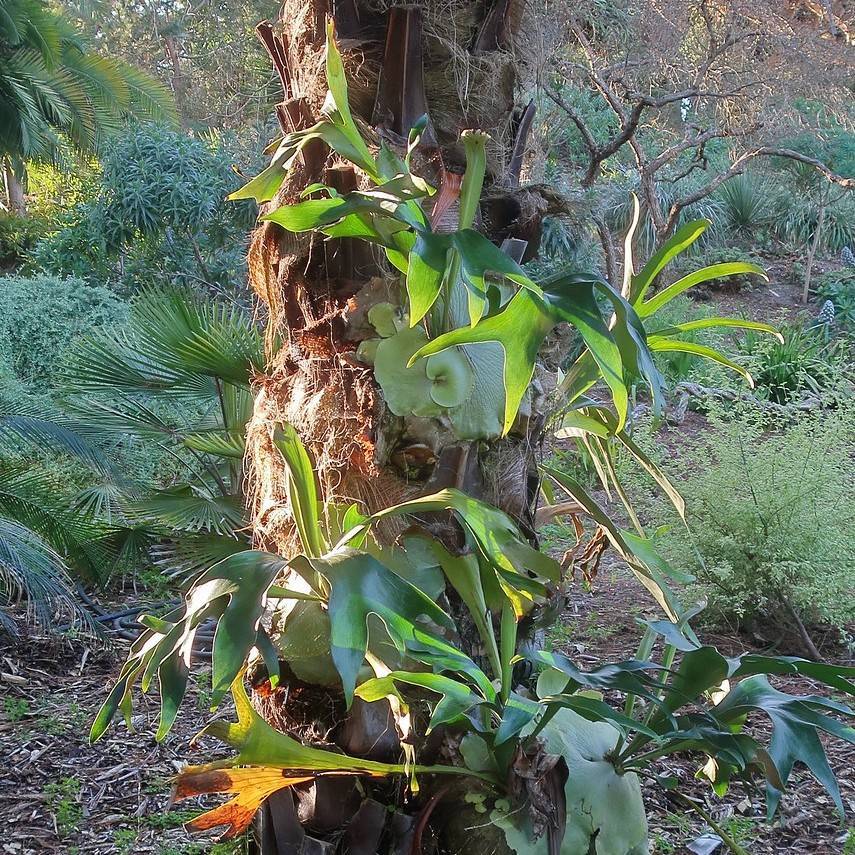
Elkhorn Fern
Platycerium bifurcatum
Overview
Elkhorn ferns are epiphytic, meaning they grow naturally on tree trunks and branches rather than in soil, using their thick, shield-like basal fronds to anchor to surfaces and collect moisture and decaying organic matter. Their iconic, fuzzy, antler-shaped fertile fronds emerge from the basal rosette, branching into forked tips that produce spores for reproduction. In their native tropical habitats, they grow in shaded, humid forest canopies, and they adapt well to indoor cultivation when mounted on wood plaques or grown in slatted baskets.
Care Guide
Watering
Water elkhorn ferns by soaking their mounting substrate or root ball for 10-15 minutes every 1-2 weeks, allowing excess moisture to drain fully before rehanging to prevent rot. Reduce watering frequency in winter when growth slows, waiting until the basal fronds feel slightly dry to the touch before rehydrating. Avoid spraying water directly into the center of the rosette, as trapped moisture can lead to fungal decay.
Light
Elkhorn ferns thrive in bright, indirect light, such as near a north or east-facing window, avoiding prolonged direct midday sun that can scorch their delicate fronds. They can tolerate low light conditions for short periods, but insufficient light will reduce frond production and prevent the development of the characteristic forked fertile fronds. Outdoors, they should be placed in full to partial shade, protected from intense afternoon sunlight.
Soil
As epiphytes, elkhorn ferns do not grow in standard potting soil, and instead require a loose, well-draining organic medium such as sphagnum moss, shredded bark, or coconut coir when mounted or potted. The medium should be porous enough to allow air circulation around the roots, while still retaining enough moisture to support consistent growth. If grown in a pot, use a orchid mix or fern-specific medium rather than regular potting soil to avoid compaction and root rot.
Fertilizer
Feed elkhorn ferns once a month during the spring and summer growing season with a diluted, balanced liquid fertilizer (10-10-10) applied to the growing medium, avoiding direct contact with the fronds to prevent burn. Do not fertilize in fall and winter when the plant is dormant, as excess nutrients will build up in the medium and damage the delicate root system. For mature mounted specimens, you can tuck small amounts of slow-release fertilizer pellets into the sphagnum moss around the basal fronds for gradual nutrient delivery.
Temperature
Elkhorn ferns prefer consistent temperatures between 60-75°F (15-24°C), and can tolerate brief dips down to 50°F (10°C) but will suffer damage if exposed to freezing temperatures. Avoid placing the plant near cold drafts, heating vents, or air conditioning units, as sudden temperature fluctuations can cause frond browning and drop. In USDA zones 9-12, elkhorn ferns can be grown outdoors year-round, while in cooler climates they are best kept as indoor plants or moved indoors during cold months.
Pruning
Prune elkhorn ferns only to remove dead, brown, or damaged fronds, cutting them off at the base near the basal rosette using clean, sharp scissors. Do not remove the brown, papery basal shield fronds, as they provide essential nutrients and protection for the plant’s root system as they decompose. Pruning is best done in early spring before new growth emerges to minimize stress on the plant.
Propagation
The most common method of propagating elkhorn ferns is by dividing mature clumps, carefully separating small offshoots (pups) that form around the base of the parent plant, ensuring each pup has a portion of the basal frond and root system attached. Each pup can be mounted to a new wooden plaque with sphagnum moss and secured with wire or fishing line until it anchors itself to the new surface, typically within 2-3 months. Elkhorn ferns can also be grown from spores, but this process is slow and requires sterile conditions, making it impractical for most home gardeners.
Humidity
Elkhorn ferns thrive in moderate to high humidity levels between 50-80%, which mimics their native tropical forest habitat. Increase humidity around indoor plants by placing a tray of water and pebbles beneath the mount, using a room humidifier, or grouping the fern with other humidity-loving plants. Low humidity will cause the tips of the fertile fronds to turn brown and crispy, so regular misting of the surrounding air (not the fronds directly) can help maintain adequate moisture levels in dry indoor environments.
Repotting
Mounted elkhorn ferns rarely need repotting, as they prefer to be root-bound and their basal fronds will gradually grow over the mounting medium and plaque over time. If growing in a pot, repot only when the plant has completely outgrown its container, typically every 2-3 years in early spring, using a slightly larger pot with fresh orchid or fern medium. Avoid disturbing the root system as much as possible during repotting to prevent transplant shock, and do not water the plant for 2-3 days after repotting to allow any damaged roots to heal.
Uses & Symbolism
Elkhorn ferns are primarily grown as ornamental plants, valued for their unique, sculptural fronds and low-maintenance epiphytic growth habit, making them popular for wall-mounted displays in homes, offices, and shaded garden spaces. In their native regions, they have traditional uses in folk medicine for treating minor skin irritations and wounds, and their fibrous fronds have been used for weaving small baskets and matting. They are also effective at improving indoor air quality, filtering out common volatile organic compounds from the air.
Diseases & Pests
Elkhorn ferns are relatively pest-resistant, but can be affected by common houseplant pests such as scale insects, mealybugs, and spider mites, which can be controlled by wiping fronds with a damp cloth or using a diluted neem oil spray. Overwatering or poor air circulation is the most common cause of issues, leading to root rot and fungal infections that cause black, mushy spots on fronds and basal rosettes. Leaf blight, caused by bacterial or fungal pathogens, can also occur if moisture is trapped in the center of the rosette, so it is important to water only the growing medium and ensure adequate air flow around the plant.
Related plants
Other plants you might like if you grow Elkhorn Fern.
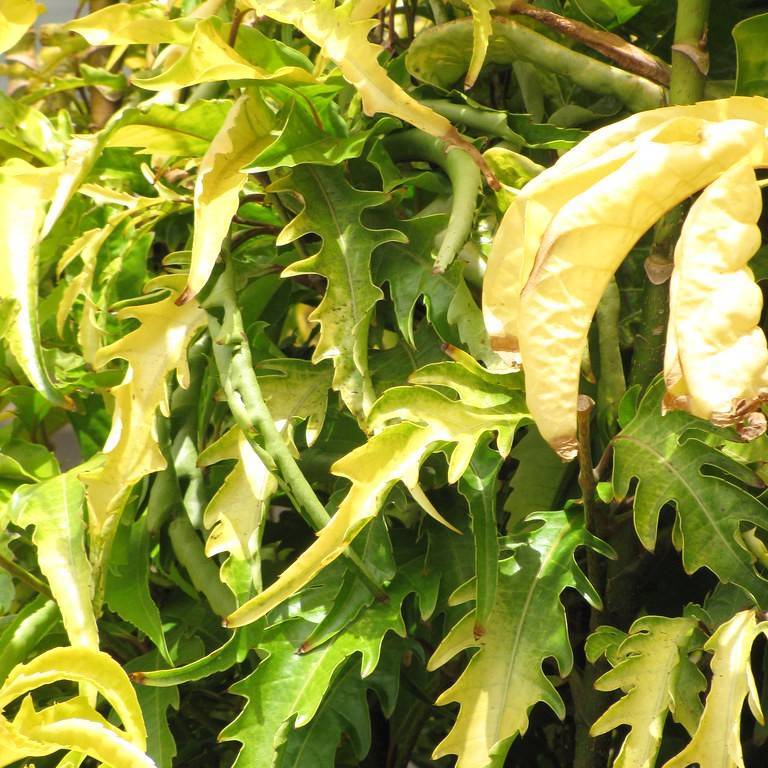
Fern Leaf Aralia
Polyscias filicifolia
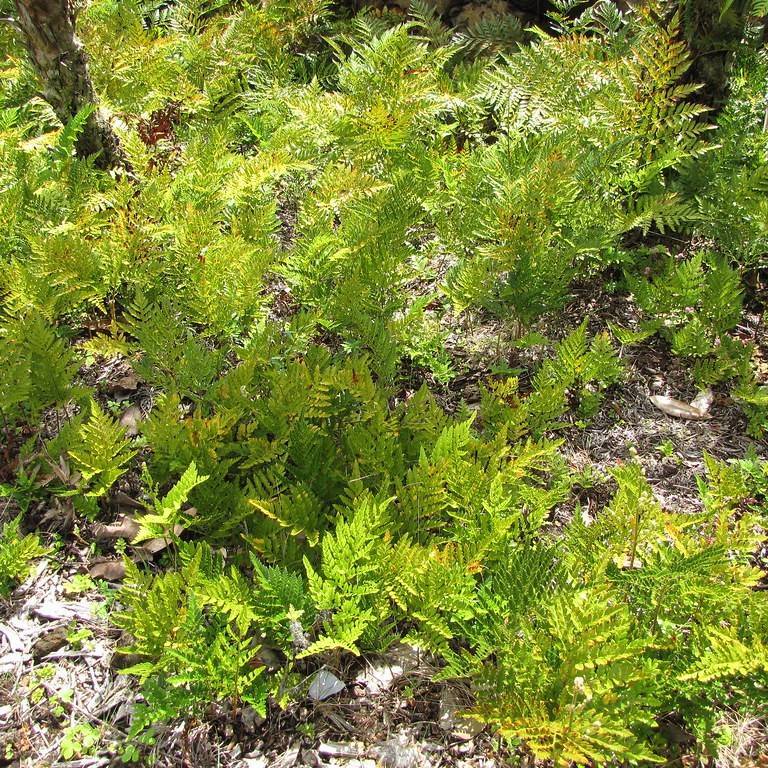
Leather Fern
Rumohra adiantiformis
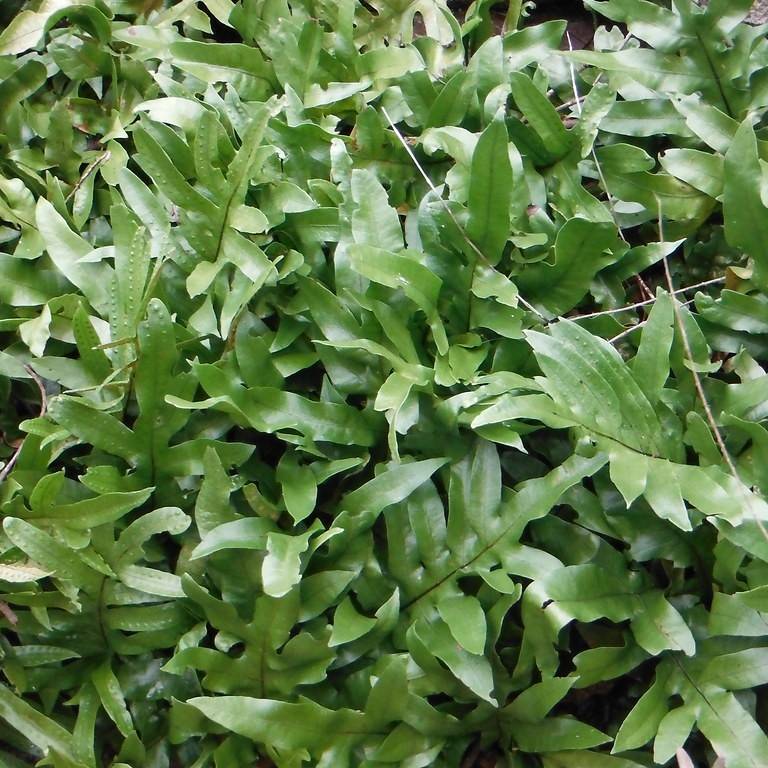
Kangaroo Fern
Microsorum pustulatum
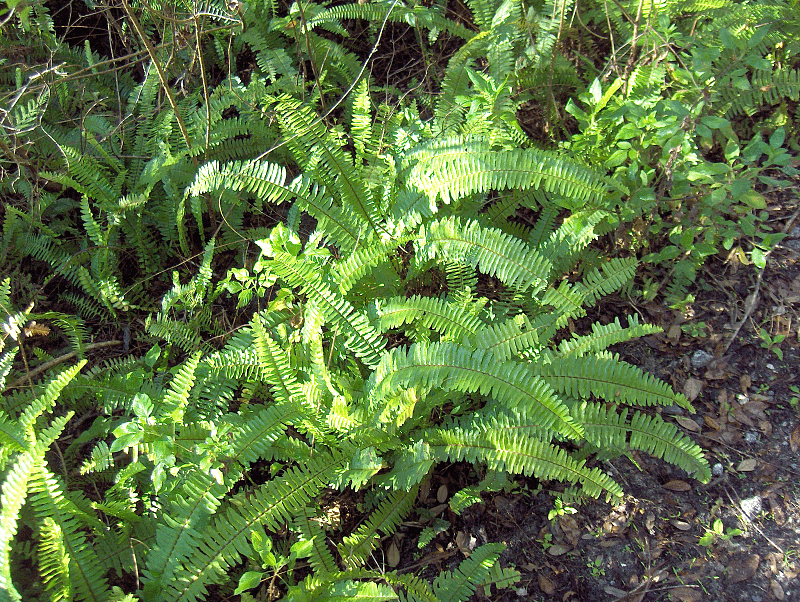
Boston Fern
Nephrolepis exaltata 'Bostoniensis'
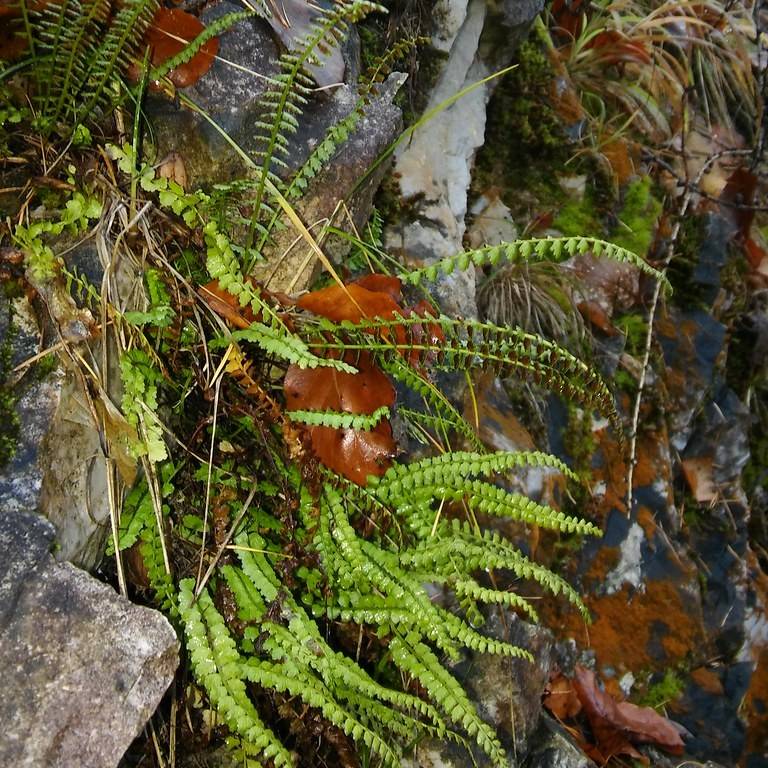
Green Spleenwort
Asplenium viride
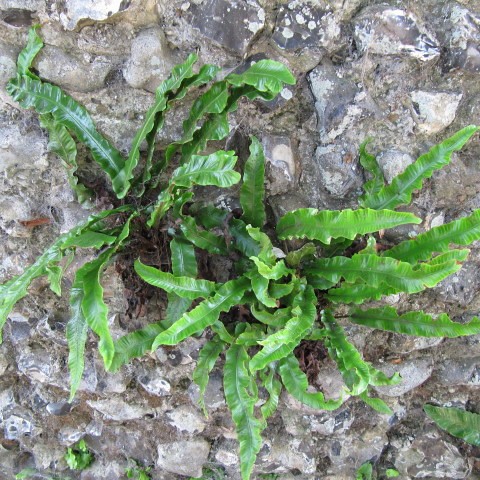
European Hart's Tongue Fern
Asplenium scolopendrium
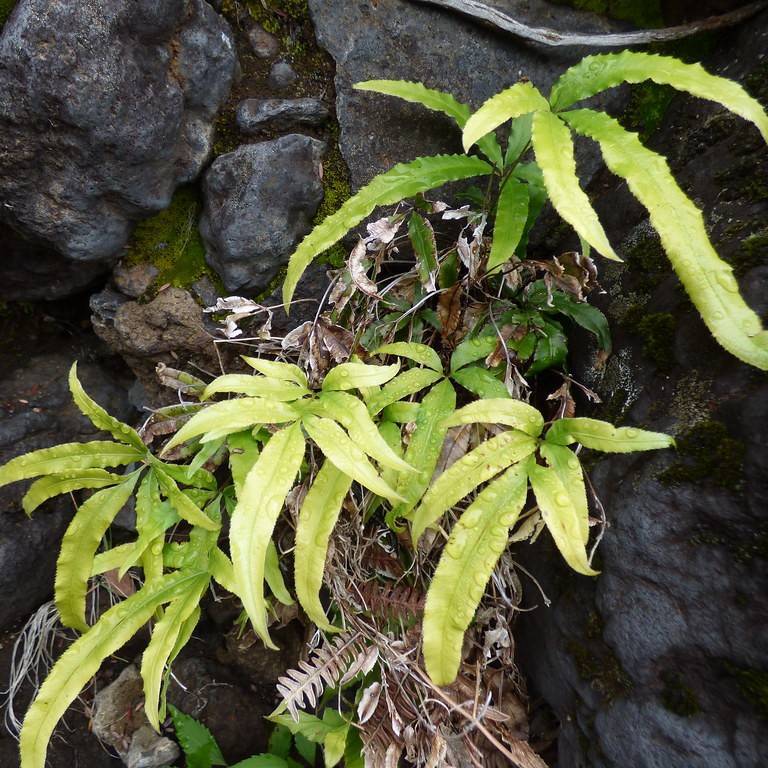
Cretan Brake
Pteris cretica
Dwarf Holly Fern
Cyrtomium falcatum 'Rochfordianum'