Kamchatka Rockcress
Arabis kamchatica
Overview
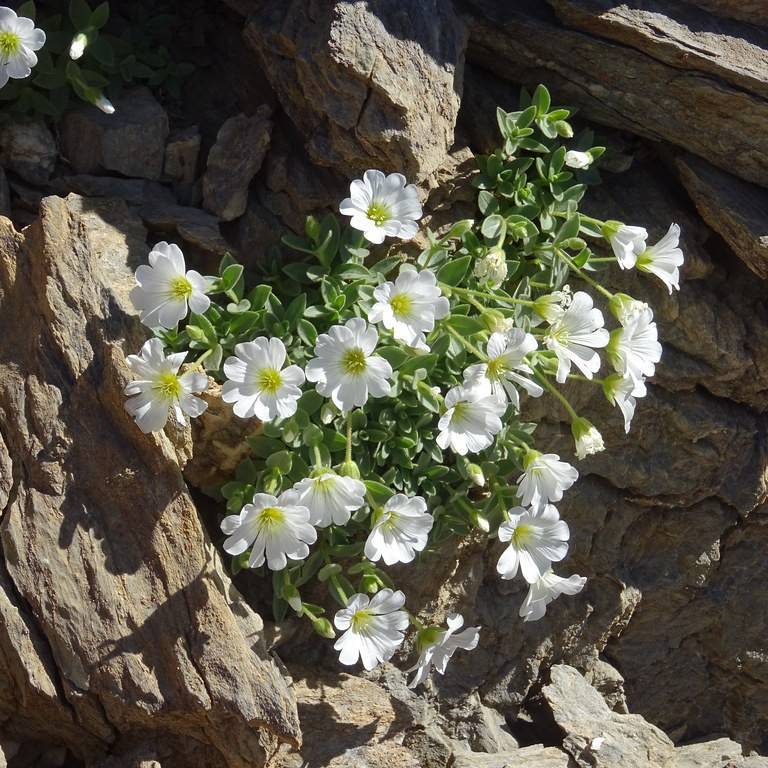
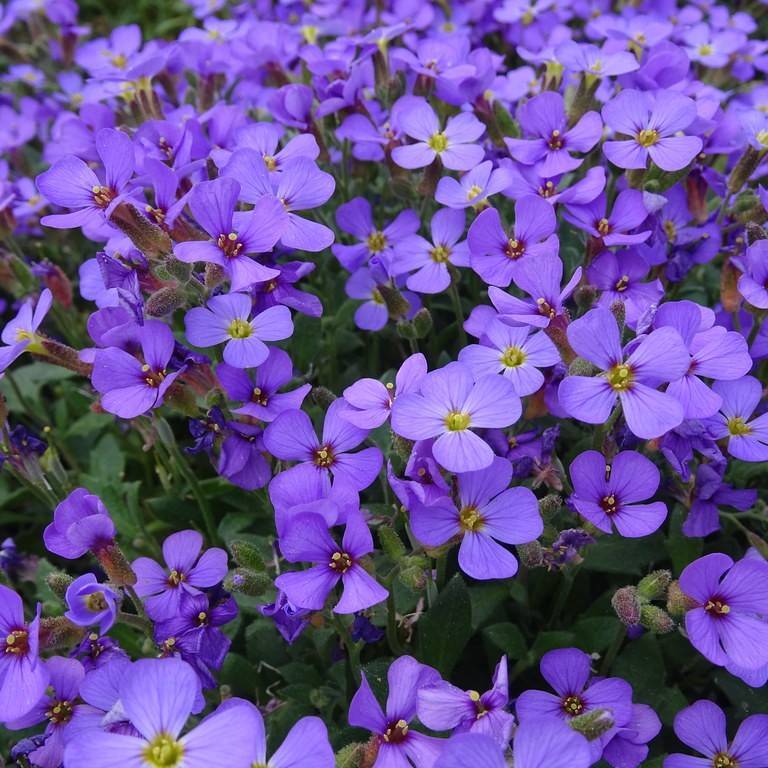
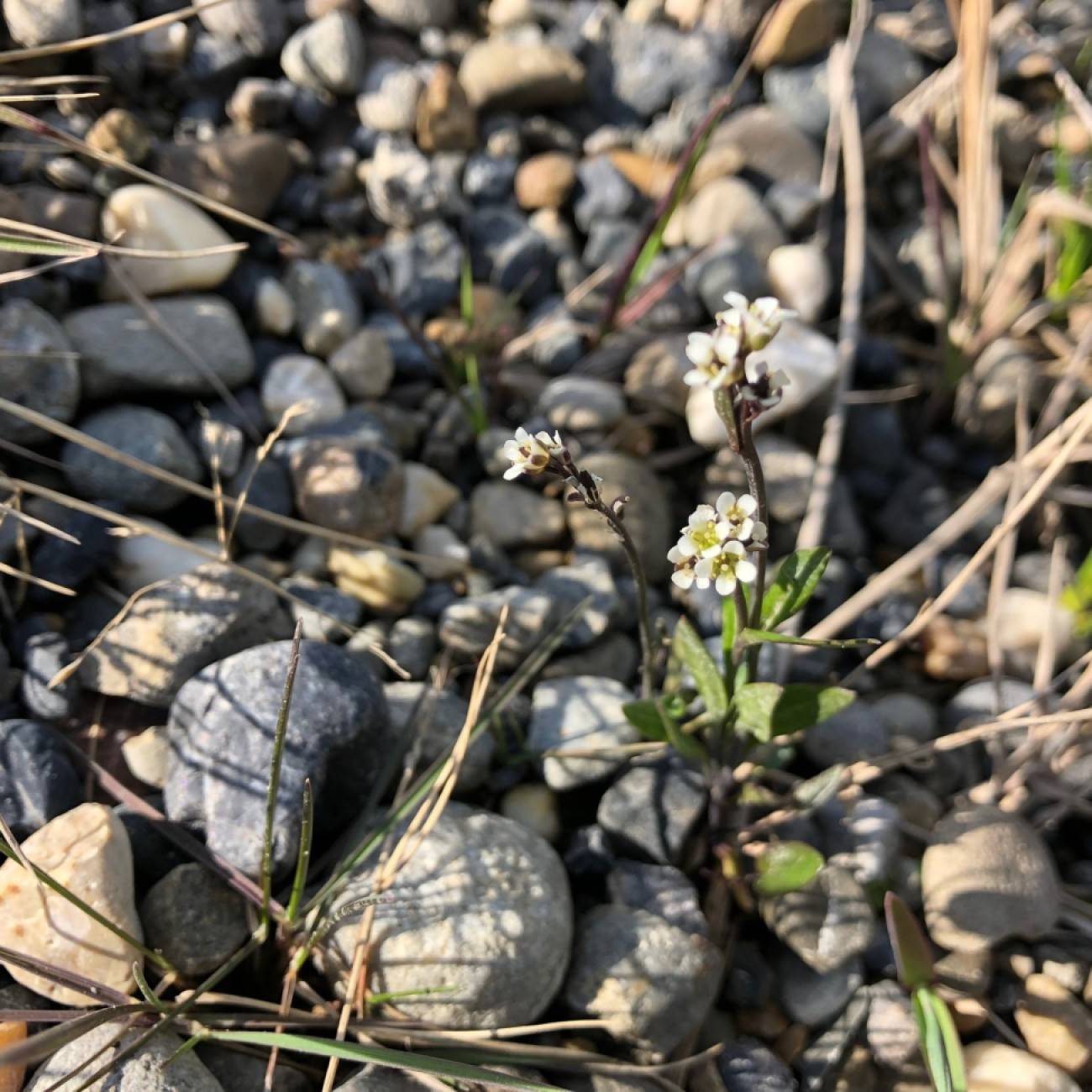
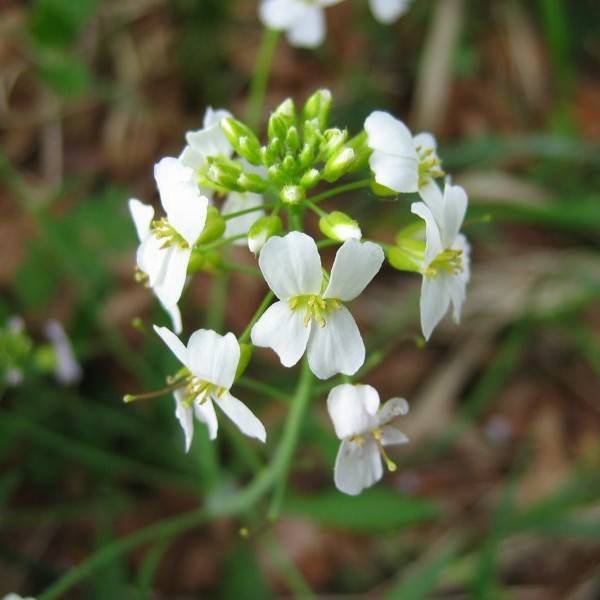
Kamchatka Rockcress is a hardy alpine perennial adapted to rocky, high-elevation and northern coastal habitats, forming dense evergreen mats of fuzzy, oval-shaped gray-green foliage. In spring, it produces abundant loose clusters of tiny four-petaled white flowers that attract early-season pollinators including native bees and butterflies. It is naturally adapted to harsh, cold conditions, tolerating frost, wind, and poor rocky soils that challenge many other ornamental plants.
Care Guide
Watering
Water newly planted Kamchatka Rockcress regularly to keep soil evenly moist for the first growing season until roots are fully established. Once established, it is highly drought tolerant, requiring only occasional watering during prolonged dry spells; avoid overwatering or soggy soil to prevent root rot. Reduce watering significantly in winter when the plant is semi-dormant.
Light
Grow Kamchatka Rockcress in full sun for the most abundant flowering and compact, dense growth habit. It can tolerate light partial shade, particularly in warmer southern portions of its growing range, but too much shade will cause leggy growth and reduced blooming. In alpine and northern regions, unobstructed full sun supports the healthiest, most vigorous plants.
Soil
This species thrives in well-drained, rocky or sandy, low-fertility soil with a neutral to slightly alkaline pH, mimicking its native mountain and rocky coastal habitats. It tolerates poor, gravelly soils that are low in organic matter, but will not survive in heavy, clay-rich soils that hold excess moisture. Amending heavy garden soil with coarse sand or grit before planting will improve drainage to meet its needs.
Fertilizer
Kamchatka Rockcress requires very little fertilizer, as it is adapted to low-nutrient rocky habitats; excessive fertilization will cause leggy, floppy growth. A light application of balanced, slow-release granular fertilizer in early spring, applied at half the recommended rate for general ornamentals, is sufficient to support healthy growth and blooming. Avoid high-nitrogen fertilizers, which prioritize foliage growth over flower production.
Temperature
It is extremely cold hardy, surviving winter temperatures as low as -40°F (-40°C) in USDA hardiness zones 3 through 8, making it ideal for northern and high-elevation landscapes. It prefers cool summer temperatures between 50-75°F (10-24°C), and may struggle in prolonged heat above 85°F (29°C), particularly if paired with high humidity. In regions with hot summers, partial afternoon shade can help mitigate heat stress.
Pruning
Trim back spent flower stalks by one-third to one-half after blooming finishes in late spring to encourage dense, compact foliage growth and prevent self-seeding if desired. Every 2-3 years, shear back older, woody portions of the mat in early spring to promote fresh, vigorous new growth from the base. Remove any yellowed or damaged foliage as needed throughout the growing season to maintain plant health and appearance.
Propagation
Kamchatka Rockcress is most easily propagated by division in early spring or late fall, carefully separating sections of the established mat with roots attached and replanting them in prepared soil. It can also be grown from seed sown directly outdoors in fall or early spring, with no stratification required for germination, as seeds are adapted to cold winter conditions. Stem cuttings taken from non-flowering shoots in early summer can also root successfully in well-drained, sandy propagation medium.
Humidity
It prefers low to moderate humidity levels between 30-60%, typical of its native mountain and northern coastal habitats. High humidity, particularly combined with warm temperatures and poor air circulation, can increase risk of fungal leaf spot and root rot. In humid regions, ensure plants are sited in full sun with ample space between specimens to promote good air flow.
Repotting
When grown in containers or rock garden troughs, repot every 2-3 years in early spring, using a fast-draining cactus or alpine potting mix amended with extra grit or perlite. Choose a shallow container with ample drainage holes, as the plant has a shallow, spreading root system and does not require deep soil. Gently loosen bound roots before repotting, and avoid burying the crown of the plant to prevent rot.
Uses & Symbolism
Kamchatka Rockcress is widely used as a ground cover in rock gardens, alpine troughs, stone wall crevices, and sloped landscapes, where its spreading mat suppresses weeds and stabilizes rocky soil. Its early spring blooms provide an important nectar source for native pollinators emerging after cold winters, and it is a popular choice for cold-climate xeriscaping due to its low water needs. It is also sometimes used as an edging plant for cold-hardy perennial borders, where its low growth does not obscure taller companion plants.
Diseases & Pests
Kamchatka Rockcress is relatively pest and disease resistant when grown in suitable conditions, but may develop fungal diseases including downy mildew, powdery mildew, and root rot if sited in poorly drained soil or areas with excessive moisture and poor air circulation. Aphids and whiteflies may occasionally infest new growth, particularly on plants grown in partial shade or overly fertile soil; these can be controlled with insecticidal soap or a strong stream of water. Slugs and snails may feed on young foliage in damp, shaded locations, so use physical barriers or organic bait to protect plants in high-risk areas.
Related plants
Other plants you might like if you grow Kamchatka Rockcress.