Alpine Aster
Aster alpinus
Overview
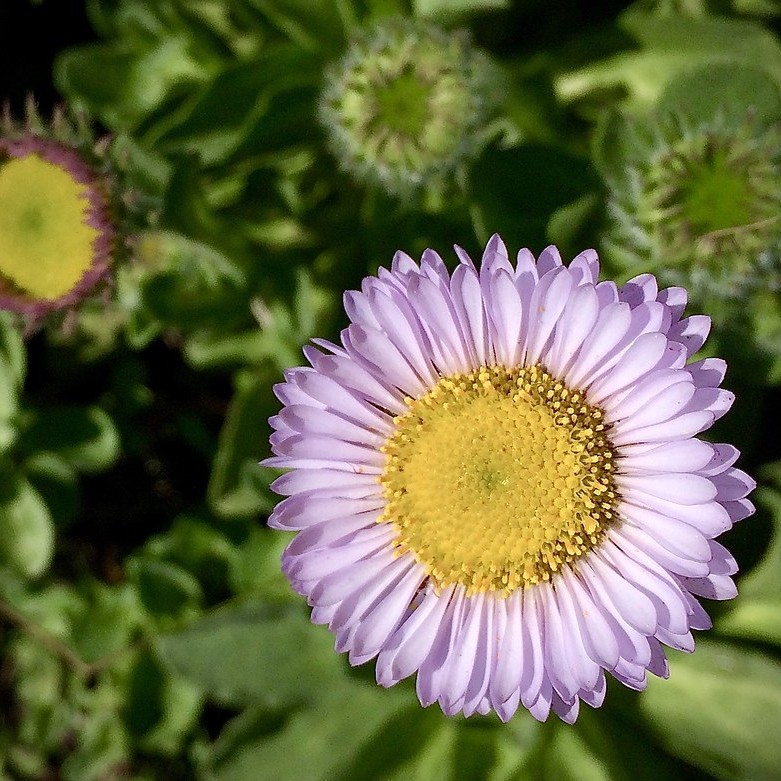
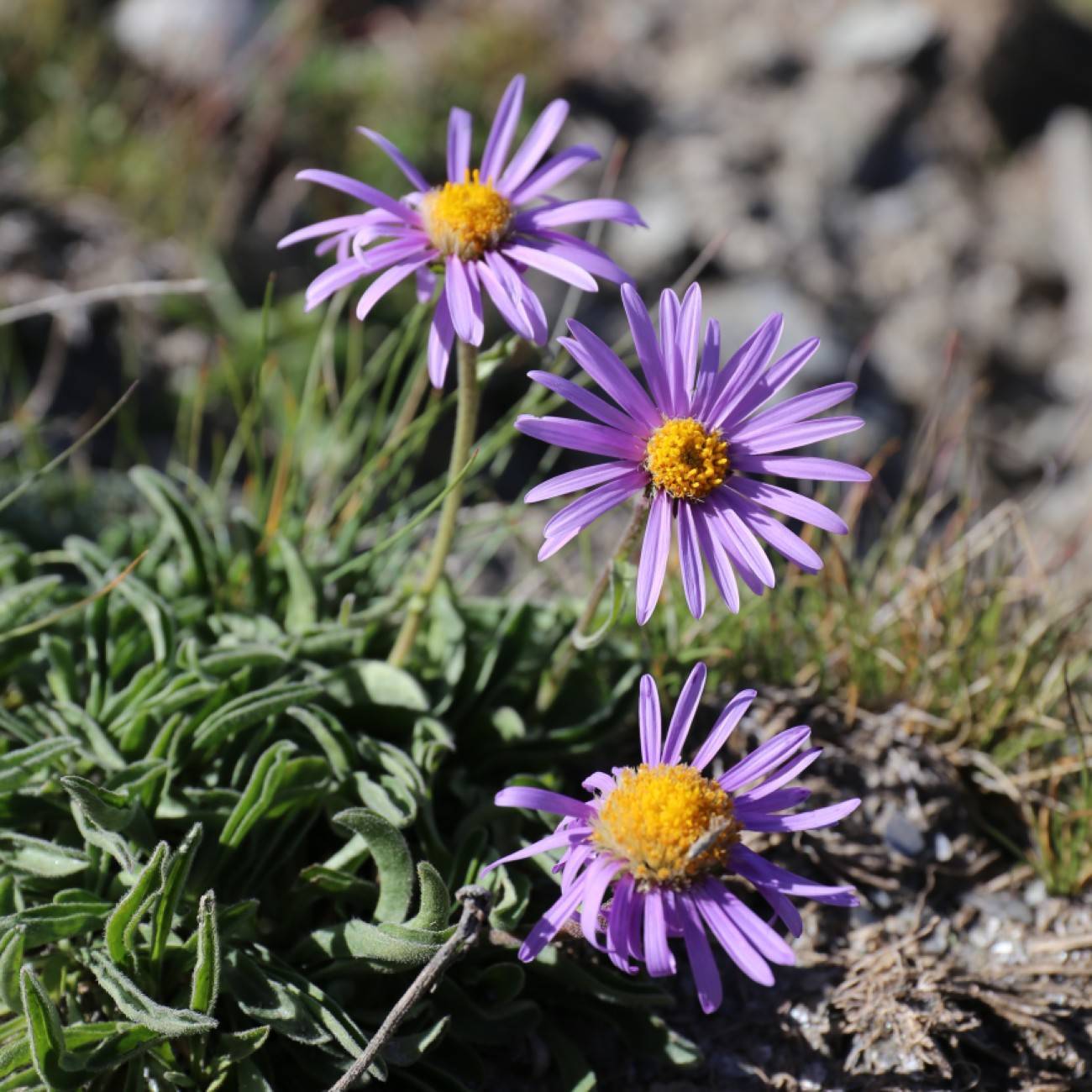
Alpine aster is a compact, mat-forming perennial adapted to high-altitude rocky habitats, making it ideal for rock gardens, border edges, and alpine troughs. Its cheerful, daisy-shaped flowers typically feature yellow central discs surrounded by ray petals in shades of violet, pink, or white, attracting bees, butterflies, and other pollinators. Cold hardy down to USDA zone 3, this tough plant thrives in cool climates and tolerates poor, well-drained soils that mimic its native mountain environment.
Care Guide
Watering
Water alpine aster regularly during its first growing season to establish a deep root system, allowing the top 1-2 inches of soil to dry out between waterings to prevent root rot. Once established, it is highly drought tolerant, requiring only occasional watering during prolonged dry spells, as overly moist conditions will damage its shallow roots. Avoid overhead watering to reduce the risk of foliar diseases, and do not water during winter dormant periods if grown in cold, wet climates.
Light
Plant alpine aster in full sun, meaning at least 6 hours of direct unfiltered sunlight per day, to encourage the most abundant blooming and a compact, sturdy growth habit. It can tolerate very light dappled shade in particularly hot, arid growing regions, but too much shade will cause leggy growth and reduce flower production. When grown indoors as a container plant, place it in a south-facing window or under grow lights that provide full-spectrum illumination for 6-8 hours daily.
Soil
Alpine aster requires sharply draining, low-fertility soil with a neutral to slightly alkaline pH, ideally a sandy or gravelly loam that mimics its native rocky mountain habitat. Heavy, clay-rich soils that hold moisture are unsuitable, as they will quickly cause root rot; amend heavy soils with coarse sand, perlite, or crushed gravel to improve drainage before planting. It thrives in poor, nutrient-sparse soils, so avoid adding large amounts of organic matter that will retain excess moisture and raise nutrient levels too high.
Fertilizer
Alpine aster has very low fertilizer requirements, as it is adapted to nutrient-poor mountain soils, and over-fertilization will cause leggy, floppy growth and reduce flowering. A single light application of a balanced, slow-release granular fertilizer in early spring, applied at half the manufacturer’s recommended rate, is sufficient for the entire growing season. Avoid liquid fertilizers high in nitrogen, as these will promote foliage growth at the expense of blooms, and do not fertilize after mid-summer to prevent tender new growth that can be damaged by early fall frosts.
Temperature
Alpine aster is extremely cold hardy, surviving winter temperatures as low as -40°F (-40°C) in USDA zones 3 through 8, and requires a period of cold winter dormancy to thrive. It prefers cool summer temperatures between 60-75°F (15-24°C), and may struggle in regions with prolonged hot, humid summer weather above 85°F (29°C), where it benefits from light afternoon shade to reduce heat stress. Container-grown plants should be protected from extreme temperature swings in winter by placing them in a sheltered location or insulating the pot if left outdoors.
Pruning
Deadhead spent flower blooms regularly throughout the flowering season to encourage a second, lighter flush of blooms later in the summer and keep the plant looking neat and compact. After the first hard frost in fall, cut back the entire plant to 1-2 inches above the soil line to remove dead foliage and reduce overwintering sites for pests and diseases. No regular pruning is needed during the growing season beyond deadheading, though you can trim back any leggy or straggly stems in early spring to encourage dense, bushy new growth.
Propagation
Alpine aster is most easily propagated by division in early spring just as new growth emerges, or in fall after flowering has finished, by digging up the mature clump and separating it into smaller sections with healthy roots and shoots. It can also be grown from seed sown directly outdoors in fall, where natural cold stratification over winter will encourage germination the following spring, or sown indoors 6-8 weeks before the last frost date after a 4-week period of cold stratification in the refrigerator. Take softwood cuttings from new growth in late spring or early summer, rooting them in a well-draining, sterile medium under high humidity for 2-3 weeks until roots develop.
Humidity
Alpine aster prefers low to moderate humidity levels between 30-50%, matching the dry air of its native high-altitude mountain habitats, and struggles in areas with high summer humidity above 60%. In humid climates, ensure the plant has excellent air circulation around its foliage and roots to prevent fungal diseases such as powdery mildew and root rot, and avoid crowding it with other plants that will restrict air flow. Indoor-grown plants do not require misting or supplemental humidity, and should be kept away from humidifiers or steamy areas such as bathrooms to prevent moisture-related issues.
Repotting
Container-grown alpine aster should be repotted every 2-3 years in early spring, just as new growth begins, to refresh the soil and prevent the plant from becoming root-bound. Use a shallow, wide pot with plenty of drainage holes, and fill it with a sharply draining mix of equal parts potting soil, coarse sand, and perlite or crushed gravel to replicate its preferred growing medium. When repotting, gently loosen any tangled roots and trim off any rotten or damaged root sections, and avoid planting it deeper than it was growing in its previous pot to prevent stem rot.
Uses & Symbolism
Alpine aster is a popular choice for rock gardens, alpine troughs, border edges, and ground cover in cool, mountainous regions, where its low-growing habit and bright blooms add cheerful color to small, well-drained spaces. Its nectar-rich flowers attract native pollinators including bees, butterflies, and hoverflies, making it a valuable addition to pollinator gardens in temperate and cold climates. It is also suitable for container growing on patios and balconies, and cut blooms can be used in small, fresh floral arrangements.
Diseases & Pests
Alpine aster is susceptible to fungal foliar diseases including powdery mildew, which appears as a white powdery coating on leaves, and rust, which causes orange or brown spots on foliage, both triggered by high humidity, poor air circulation, and overhead watering. Root rot is the most serious common issue, occurring when the plant is grown in heavy, poorly draining soil or overwatered, leading to yellowing foliage, wilting, and eventual plant death if not corrected. Pests such as aphids, spider mites, and slugs may also target the plant, though they rarely cause significant damage if caught and treated early.
Related plants
Other plants you might like if you grow Alpine Aster.