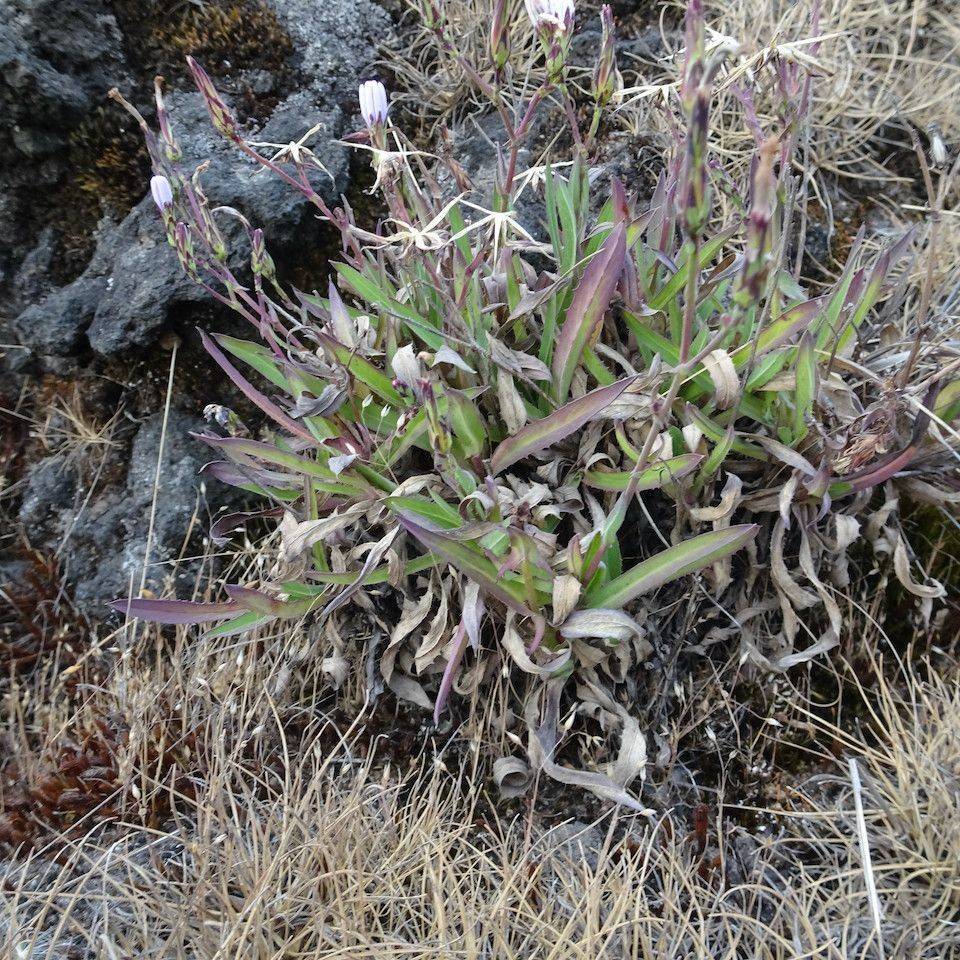
Dropseed Rockcress
Arabis pycnocarpa
Overview
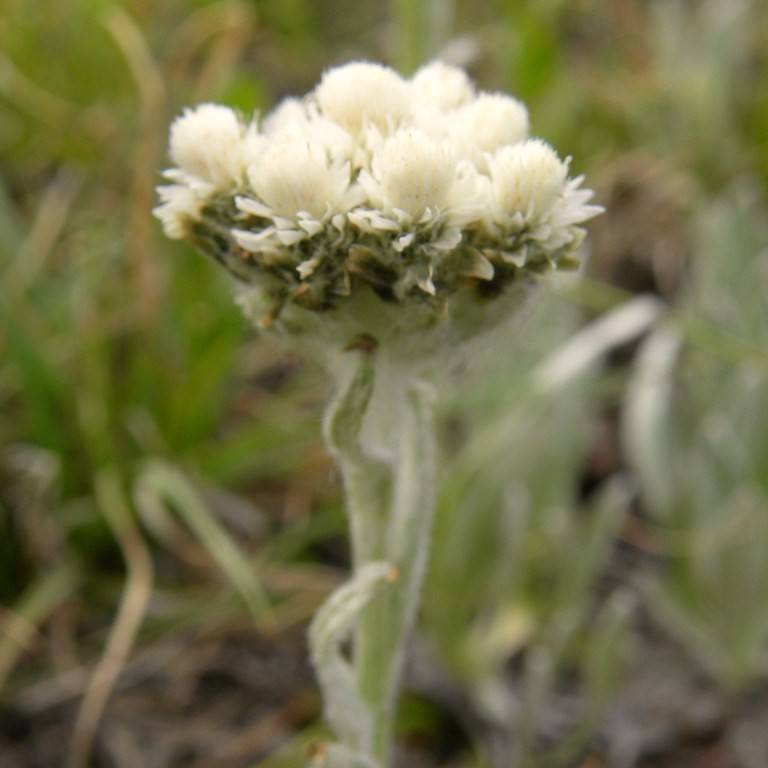
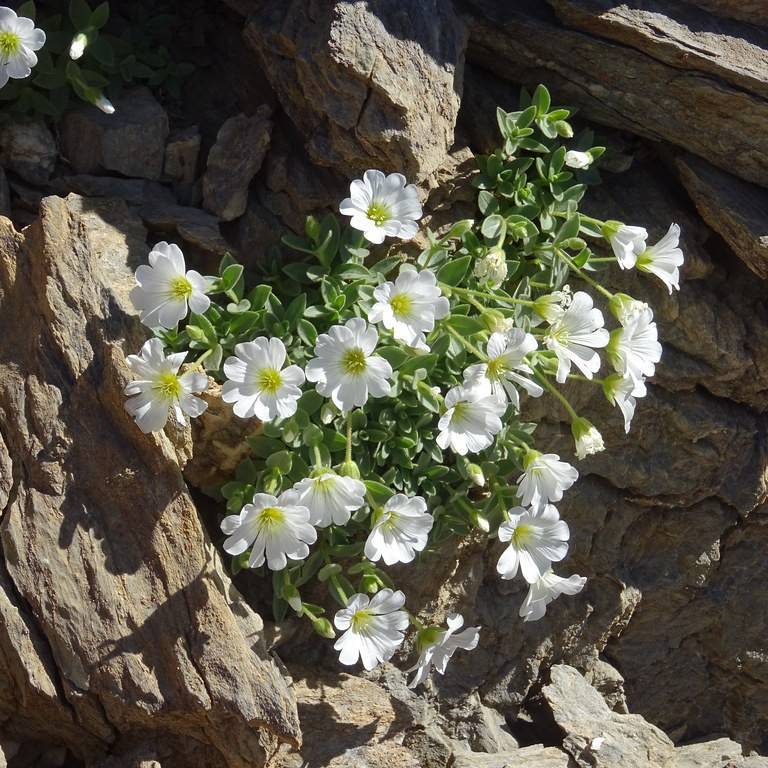
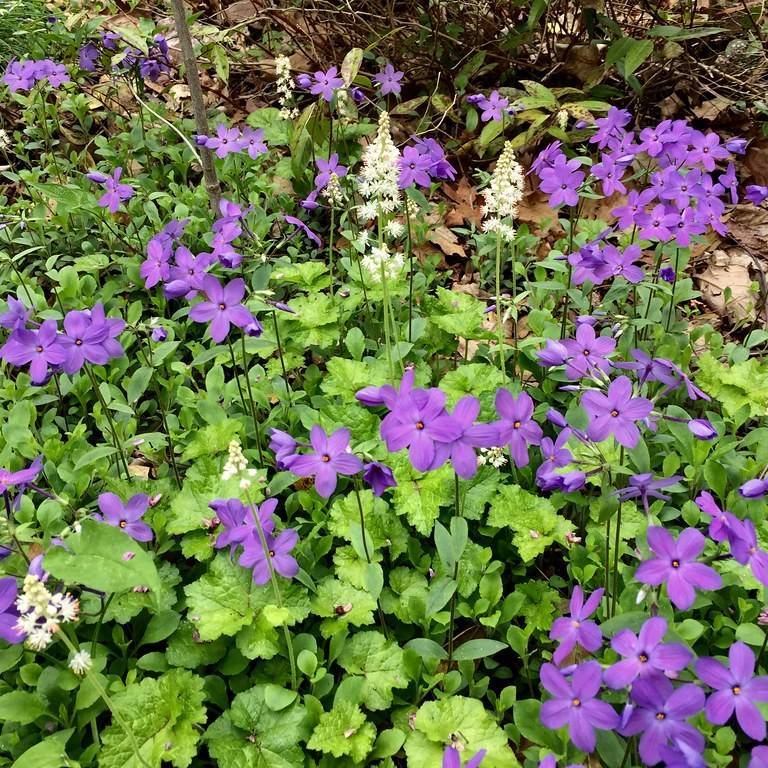
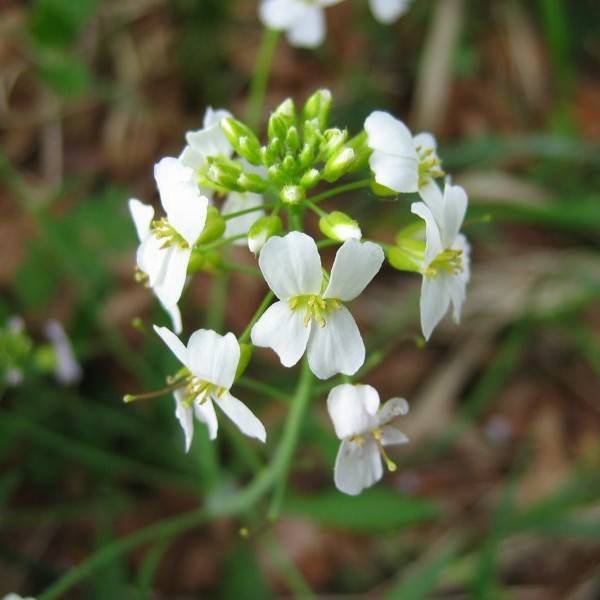
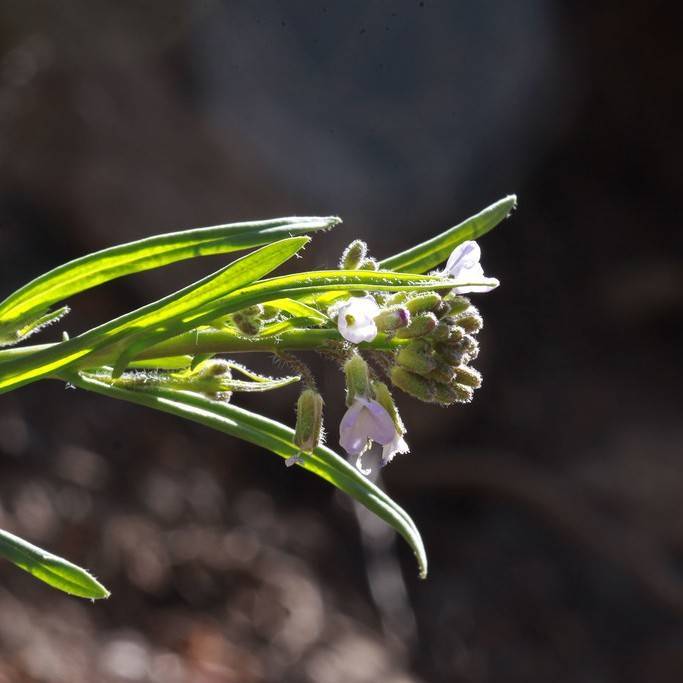
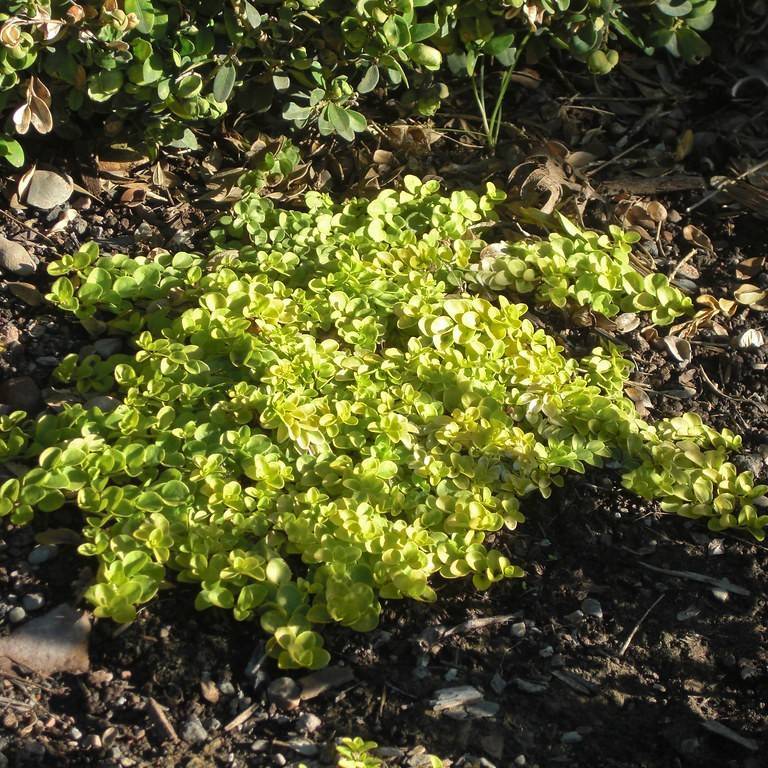
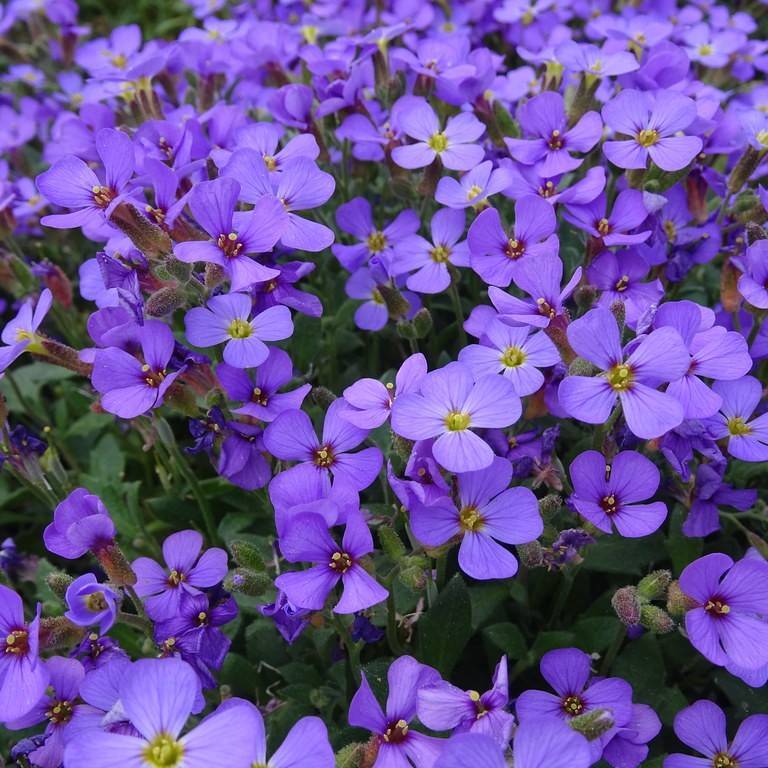
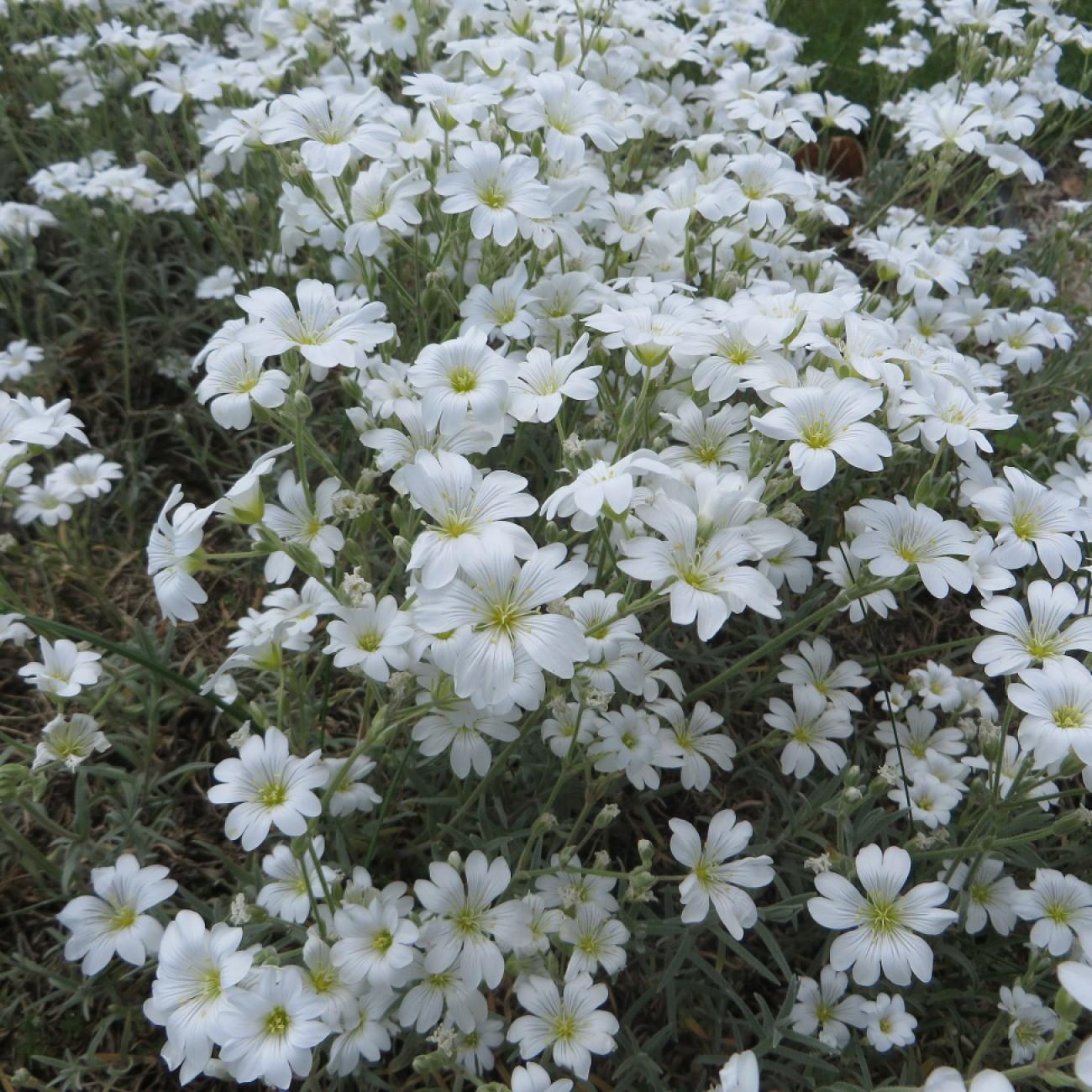
Dropseed rockcress is a tough alpine perennial native to rocky slopes, meadows, and open woodland edges across western North America. It forms dense, low mats of small, fuzzy gray-green foliage that spreads slowly to form attractive ground cover in dry, sunny locations. In early to mid-spring, it produces clusters of tiny, fragrant four-petaled white flowers that attract early pollinators including native bees and butterflies. It is well-adapted to harsh, rocky conditions and cold winter climates, making it a popular choice for xeriscape and alpine garden designs.
Care Guide
Watering
Dropseed rockcress is highly drought-tolerant once established, requiring only occasional deep watering during extended periods of hot, dry weather. Overwatering, especially in heavy or poorly drained soils, is the most common cause of plant decline, so allow the top several inches of soil to dry out completely between waterings. Reduce watering to almost zero during the winter dormant period to prevent root rot.
Light
This species thrives in full, direct sun for at least 6 hours per day, which supports dense foliage growth and abundant spring flowering. It can tolerate very light partial shade, but too much shade will cause leggy growth, reduced flowering, and increased susceptibility to fungal diseases. In extremely hot, low-elevation climates, light afternoon shade can help prevent foliage scorch during the hottest summer months.
Soil
Dropseed rockcress requires sharply drained, low-fertility soil with a neutral to slightly alkaline pH, mimicking its native rocky alpine habitat. It grows well in sandy, gravelly, or loamy soils, and will not survive in heavy clay or consistently waterlogged substrates. Amending planting sites with crushed limestone or grit can improve drainage and adjust pH to match its preferred growing conditions.
Fertilizer
This plant is adapted to low-nutrient rocky soils and rarely requires fertilizer, as excess nutrients will cause soft, leggy growth and reduce flowering. If grown in very poor, depleted soil, a single light application of balanced, slow-release granular fertilizer in early spring before new growth emerges is sufficient. Avoid high-nitrogen fertilizers, which promote excessive foliage growth at the expense of flowers.
Temperature
Dropseed rockcress is exceptionally cold-hardy, tolerating winter temperatures as low as -30°F (-34°C) and thriving in USDA hardiness zones 3 through 8. It tolerates moderate summer heat up to 90°F (32°C) if provided with well-drained soil and occasional water, but will suffer in extended periods of high humidity and temperatures above 95°F (35°C). Winter cold exposure is required for proper spring flowering, making it unsuitable for tropical or frost-free climates.
Pruning
Minimal pruning is required for dropseed rockcress; after flowering finishes in late spring, you can shear back spent flower stems lightly to maintain a neat, compact mat shape. Avoid cutting back into old, woody stem tissue, which may not resprout reliably. Remove any yellowed or damaged foliage in early spring before new growth begins to improve air circulation and reduce fungal disease risk.
Propagation
Dropseed rockcress is most easily propagated by seed sown directly outdoors in late fall or early spring, as seeds require a period of cold stratification to germinate successfully. Mature clumps can also be divided in early spring just as new growth emerges, carefully separating small sections of the mat with attached roots and replanting them in well-drained soil. Stem cuttings taken from non-flowering shoots in early summer can also root readily in gritty, moist potting mix under bright indirect light.
Humidity
This species prefers low to moderate humidity levels between 30% and 50%, consistent with its native dry alpine and mountain habitats. High humidity above 60%, especially combined with poor air circulation, increases the risk of foliar fungal diseases and root rot. In humid climates, plant in a raised, exposed site with full sun to maximize air flow around the foliage and reduce moisture retention.
Repotting
Dropseed rockcress is rarely grown in containers, but if potted for alpine trough displays, repot every 2 to 3 years in early spring using a gritty, fast-draining potting mix formulated for cacti and succulents. Choose a shallow pot with ample drainage holes to prevent waterlogging, as the plant has a shallow, fibrous root system that does not require deep soil. Avoid overpotting, as excess unused potting mix will retain moisture and increase the risk of root rot.
Uses & Symbolism
Dropseed rockcress is a popular choice for rock gardens, alpine troughs, xeriscape landscapes, and as a low-growing ground cover for dry, sunny slopes. Its shallow root system allows it to grow in crevices between stone walls, pavers, and rock outcroppings, adding delicate spring color to hard-to-landscape sites. The fragrant early-spring flowers provide an important nectar source for native bees and other early-emerging pollinators.
Diseases & Pests
Dropseed rockcress is largely pest and disease resistant when grown in its preferred well-drained, sunny conditions, but can develop root rot and crown rot if overwatered or planted in heavy soil. Fungal foliar diseases including powdery mildew and downy mildew may occur in areas with high humidity or poor air circulation, especially if foliage stays wet for extended periods. Aphids and flea beetles may occasionally feed on young foliage, but infestations are rarely severe and can be controlled with insecticidal soap or neem oil if needed.
Related plants
Other plants you might like if you grow Dropseed Rockcress.