Creeping Phlox
Phlox subulata
Overview
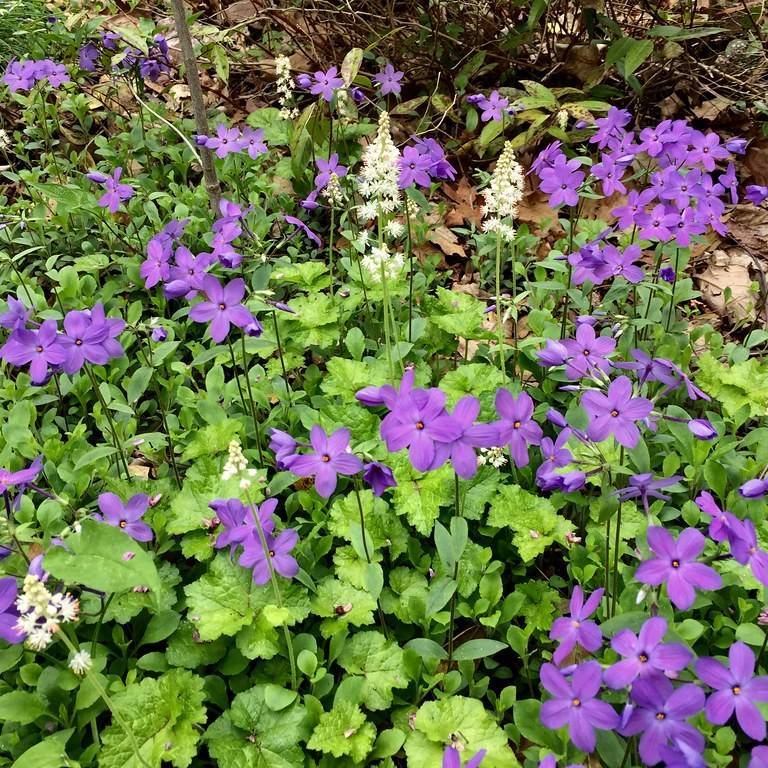
Creeping phlox is a hardy, evergreen ground cover that forms thick, moss-like mats of needle-shaped, dark green foliage. In early to mid-spring, it bursts into a profusion of small, five-petaled flowers that nearly cover the entire plant, creating a vivid carpet of color. It is highly adapted to poor, rocky soils and sloped landscapes, making it a popular choice for erosion control and low-maintenance garden design.
Care Guide
Watering
Water newly planted creeping phlox regularly to keep the soil evenly moist for the first growing season, helping it establish a robust root system. Once established, it is highly drought-tolerant, requiring only occasional watering during extended dry periods, as overwatering or soggy soil will cause root rot. Avoid overhead watering to reduce the risk of foliar diseases, opting for drip irrigation or watering at the base of the plant instead.
Light
Creeping phlox thrives in full sun, requiring at least 6 hours of direct sunlight daily to produce the most abundant and vibrant blooms. It can tolerate light partial shade, especially in regions with very hot summer afternoons, but too much shade will result in sparse flowering and leggy, loose growth that is more prone to pest issues. Plant in an open, unobstructed location to ensure even light distribution across the entire mat of foliage.
Soil
This plant prefers well-drained, sandy or gravelly soil with a neutral to slightly alkaline pH, though it can adapt to a wide range of soil types as long as drainage is excellent. It tolerates poor, low-nutrient soils far better than rich, heavy clay soils that hold excess moisture, which is the most common cause of plant failure. Amending heavy garden soil with sand, perlite, or crushed rock before planting will improve drainage and create ideal growing conditions.
Fertilizer
Creeping phlox has low nutrient needs and rarely requires regular fertilization, as too much nitrogen will encourage soft, leggy foliage growth at the expense of blooms. If growth is slow or foliage appears pale, apply a thin layer of compost or a balanced, slow-release granular fertilizer with an NPK ratio of 10-10-10 in early spring just before new growth emerges. Avoid applying fertilizer after mid-summer, as this can stimulate tender new growth that will be damaged by early fall frosts.
Temperature
It is extremely cold-hardy, thriving in USDA zones 3 through 9, and can tolerate winter temperatures as low as -40°F (-40°C) without significant damage. It adapts well to warm summer temperatures, though in regions with consistent heat above 90°F (32°C), it benefits from light afternoon shade and occasional deep watering to prevent foliage scorch. A light layer of mulch applied in late fall will help insulate the roots in very cold climates and prevent frost heaving of newly planted specimens.
Pruning
After flowering finishes in late spring, shear back the entire plant by one-third to one-half using sharp garden shears to remove spent blooms and encourage dense, compact new foliage growth. This trimming also prevents the center of the mat from becoming woody and bare over time, which is a common issue with older creeping phlox plants. Every 3 to 4 years, thin out overcrowded sections of the mat to improve air circulation and reduce the risk of powdery mildew and other foliar diseases.
Propagation
Creeping phlox is most easily propagated by division in early spring or immediately after flowering, when you can lift mature clumps, split them into smaller sections with intact roots and foliage, and replant them in prepared soil. It can also be propagated from stem cuttings taken in early summer: cut 3-4 inch (7-10 cm) lengths of non-flowering new growth, remove the lower leaves, dip the cut end in rooting hormone, and plant in moist, well-drained potting mix until roots form in 3 to 4 weeks. Self-seeding may occur in optimal growing conditions, though seedlings will not always retain the exact flower color of the parent plant.
Humidity
Creeping phlox tolerates a wide range of humidity levels, from dry continental climates to moderately humid coastal regions, as long as there is good air circulation around the foliage. High humidity combined with poor air flow and overly dense growth increases the risk of powdery mildew and other fungal diseases, so proper spacing between plants and regular thinning are important in humid areas. It does not require any extra humidity, and overly moist, stagnant air is far more harmful than dry conditions for this plant.
Repotting
Creeping phlox is rarely grown in containers long-term, but if planted in pots or window boxes, repot every 2 to 3 years in early spring before new growth begins, using a fast-draining succulent or cactus potting mix amended with sand to improve drainage. When repotting, gently loosen the root ball and trim away any mushy, rotten roots before placing the plant in a slightly larger pot with drainage holes to prevent waterlogging. Potted specimens require more frequent watering than in-ground plants, so check the soil moisture regularly to avoid letting it dry out completely for extended periods.
Uses & Symbolism
Creeping phlox is most widely used as a low-growing ground cover for rock gardens, slope stabilization, border edges, and gaps between stepping stones, where its spreading habit and spring blooms create a vibrant, low-maintenance carpet. It is also a popular plant for pollinator gardens, as its early spring flowers provide an important nectar source for bees, butterflies, and other beneficial insects when few other plants are in bloom. Its trailing growth habit makes it suitable for hanging baskets, window boxes, and retaining wall plantings, where its blooms can spill over edges for a cascading effect.
Diseases & Pests
The most common disease affecting creeping phlox is powdery mildew, a fungal infection that appears as a white, powdery coating on foliage, usually caused by poor air circulation, high humidity, or overhead watering. Root rot is another frequent issue, occurring when plants are grown in heavy, poorly drained soil or overwatered, leading to yellowing, wilting foliage and eventual plant death. Common pests include spider mites, which suck sap from foliage and cause yellow stippling during hot, dry weather, and aphids, which cluster on new growth and can be controlled with insecticidal soap or a strong spray of water.
Related plants
Other plants you might like if you grow Creeping Phlox.