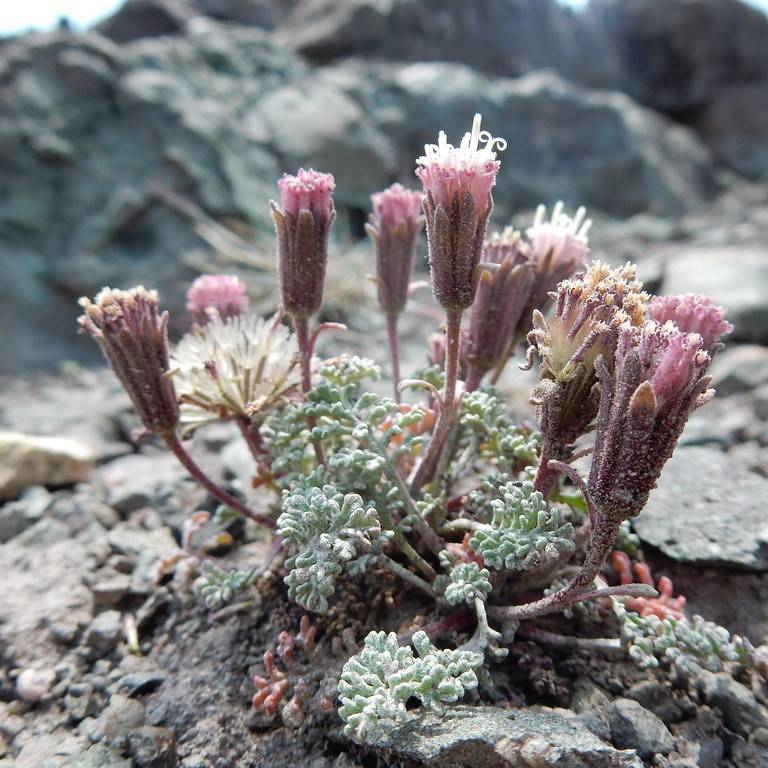
Alpine Dustymaiden
Chaenactis douglasii
Overview
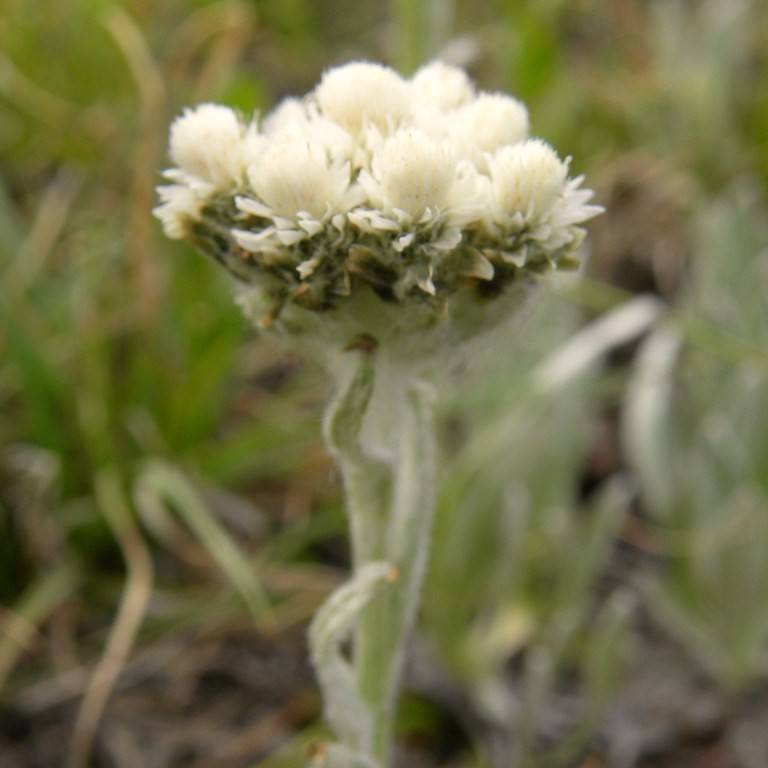
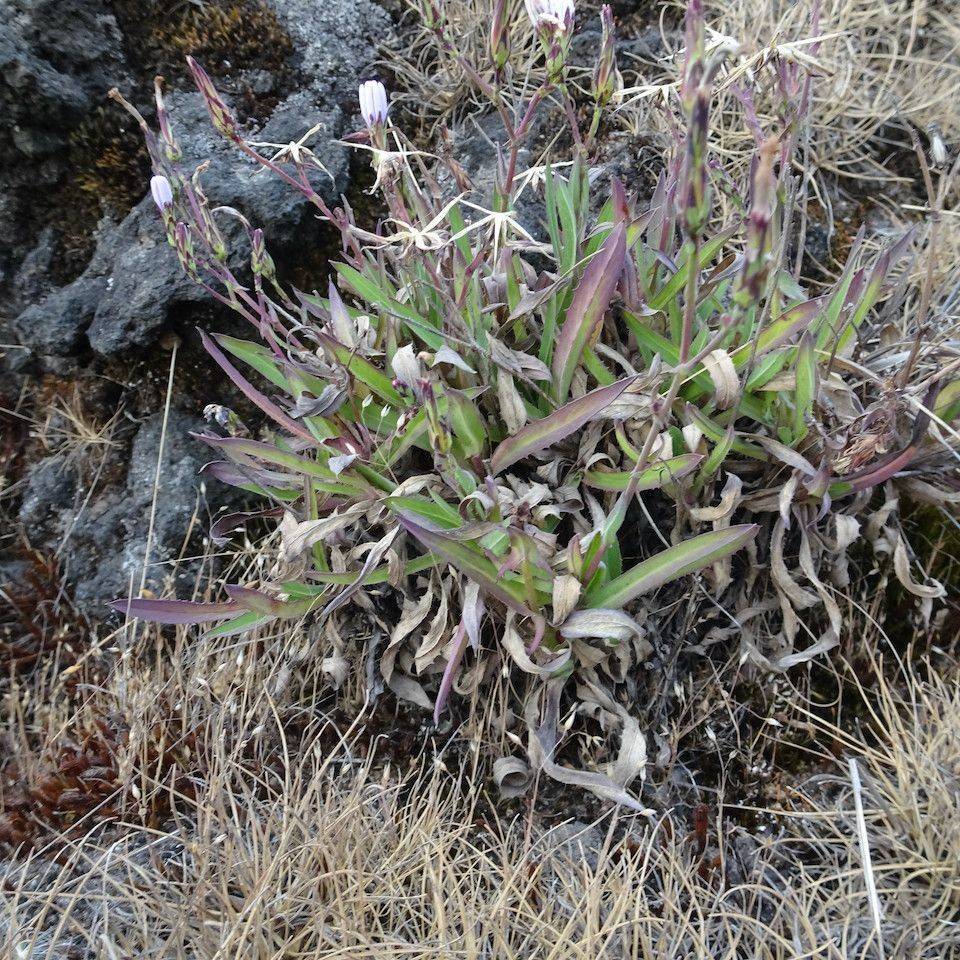
Alpine Dustymaiden is a hardy herbaceous perennial adapted to harsh high-elevation environments, including rocky slopes, dry meadows, and open coniferous forests. Its silvery, woolly foliage forms low, spreading mats that help conserve moisture and protect against cold winds, making it well-suited to xeriscape and rock garden designs. From late spring to mid-summer, it produces clusters of small, daisy-like composite flowers in white, pale pink, or cream shades, which attract native pollinators including bees and butterflies. It is tolerant of poor, shallow soils and extreme temperature fluctuations common in its native alpine range.
Care Guide
Watering
Alpine Dustymaiden is highly drought-tolerant once established, requiring only occasional deep watering during extended dry periods; overwatering, especially in heavy soils, will quickly cause root rot. During its first growing season, water lightly once a week to help it develop a strong root system, then reduce frequency significantly once it is acclimated. In winter, avoid supplemental water entirely, as dormant plants are very susceptible to moisture-related damage in cold conditions.
Light
This species thrives in full, direct sunlight, requiring a minimum of 6 hours of unobstructed sun per day to produce dense foliage and abundant blooms. It can tolerate very light, dappled shade, but too much shade will cause leggy growth, reduced flowering, and increased susceptibility to fungal diseases. In extremely hot, low-elevation growing regions, it may benefit from light afternoon shade to prevent foliage scorch.
Soil
Alpine Dustymaiden requires sharply drained, low-fertility soil with a neutral to slightly alkaline pH, mimicking its native rocky alpine habitat. It will not survive in heavy clay or waterlogged soils; amend garden beds with coarse sand, gravel, or crushed granite to improve drainage before planting. It grows well in shallow, rocky soils with low organic matter content, and does not require rich, compost-amended substrates.
Fertilizer
This plant is adapted to low-nutrient environments and rarely requires supplemental fertilization; excess nitrogen will cause soft, leggy growth and reduce flowering. If grown in a container, apply a very dilute, balanced slow-release fertilizer once at the start of the growing season, at half the recommended strength for general garden plants. Avoid fertilizing after mid-summer, as this can stimulate new growth that will be damaged by early fall frosts.
Temperature
Alpine Dustymaiden is exceptionally cold-hardy, tolerating winter temperatures as low as -30°F (-34°C) and thriving in USDA hardiness zones 4 through 8. It can handle wide daily temperature fluctuations common in alpine regions, including warm summer days and cool nights, but struggles in hot, humid summer climates above 90°F (32°C) for extended periods. Dormant plants are unaffected by frost and snow cover, and require no winter protection in their suitable growing zones.
Pruning
Pruning needs are minimal for Alpine Dustymaiden; simply snip off spent flower heads after blooming to encourage a tidier growth habit and prevent unwanted self-seeding if desired. In late winter or early spring, trim back any dead or damaged foliage to make room for new spring growth, taking care not to cut into the healthy, woody base of the plant. If it becomes leggy or spreads beyond its desired space, you can shear back the entire plant by up to one-third after flowering to encourage denser, more compact growth.
Propagation
Alpine Dustymaiden is most easily propagated from seed, which can be sown directly outdoors in late fall to allow natural cold stratification over winter, or started indoors after 4-6 weeks of cold stratification in the refrigerator. Cuttings can also be taken from soft, new growth in early summer, rooted in a well-drained, sandy medium with bottom heat for best results. Division of mature clumps is possible but not recommended, as the plant has a deep taproot that is easily damaged during division, leading to poor survival rates.
Humidity
This species prefers low to moderate humidity levels, typical of its native dry alpine and mountain habitats. It does not tolerate high humidity well, especially when combined with warm temperatures, as this increases the risk of foliar fungal diseases. Ensure good air circulation around plants in areas with higher humidity to reduce moisture buildup on foliage and prevent rot.
Repotting
If grown in containers, Alpine Dustymaiden only needs repotting every 3-4 years, when it has completely outgrown its current pot and roots are emerging from the drainage holes. Use a fast-draining cactus or succulent potting mix amended with extra gravel or perlite to ensure excellent drainage, and select a pot only 1-2 inches larger than the current root ball to avoid excess soil moisture retention. Repot in early spring just before new growth begins, taking care not to damage the deep taproot during the process.
Uses & Symbolism
Alpine Dustymaiden is a popular choice for rock gardens, alpine troughs, xeriscapes, and dry slope plantings, where its low-growing mat of silvery foliage and delicate blooms add texture and color to low-water landscapes. It is an excellent native pollinator plant, supporting a range of native bees, butterflies, and other beneficial insects in high-elevation and dry-region gardens. Historically, some Indigenous groups in its native range used parts of the plant topically to treat minor skin irritations and wounds.
Diseases & Pests
Alpine Dustymaiden is largely pest and disease free when grown in its preferred well-drained soil and full sun conditions, with no major pest species targeting it specifically. The most common issues are root rot and fungal foliar diseases, which occur almost exclusively in poorly drained soils or high-humidity conditions with poor air circulation. Aphids and spider mites may occasionally infest stressed plants, but can be easily controlled with a strong spray of water or insecticidal soap if detected early.
Related plants
Other plants you might like if you grow Alpine Dustymaiden.