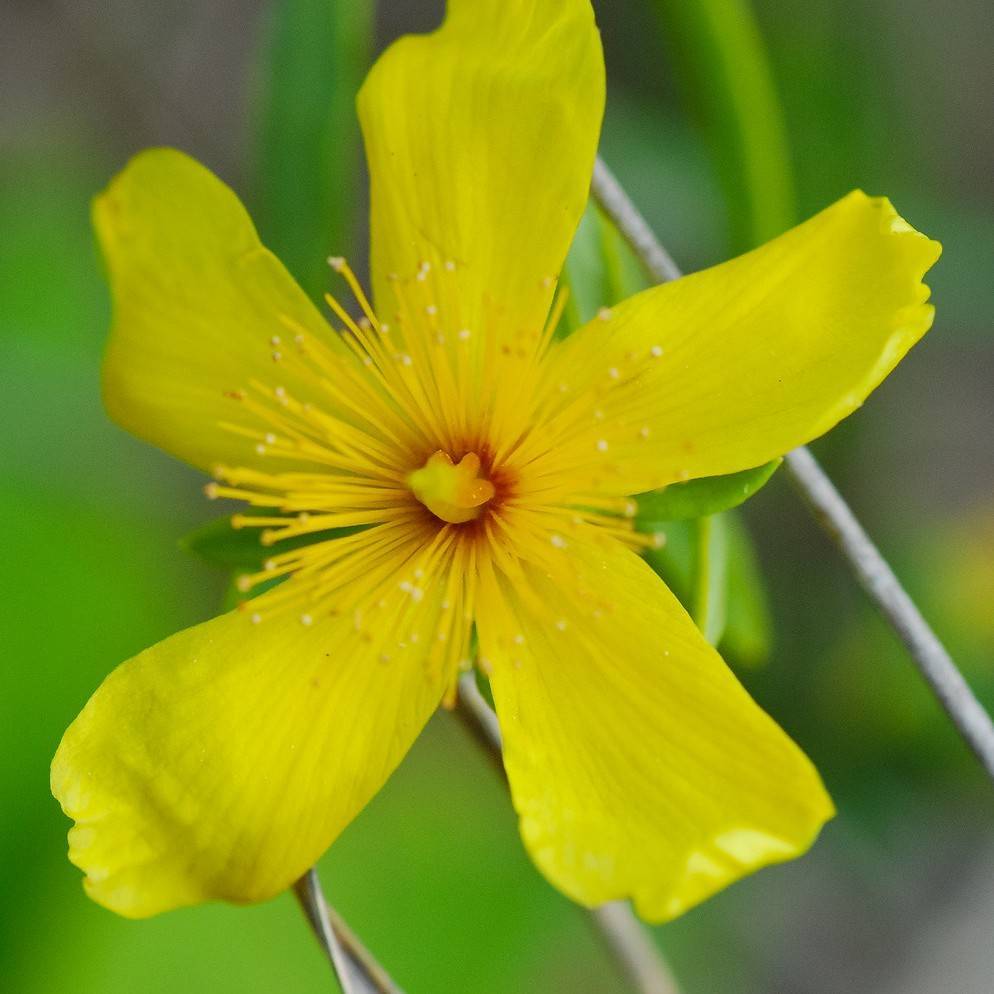
Kalm's St. John's Wort
Hypericum kalmianum
Overview
Kalm's St. John's Wort is a dense, rounded deciduous shrub named for 18th-century botanist Pehr Kalm, who documented the species during his North American expeditions. It produces clusters of five-petaled, bright yellow flowers with prominent stamens from mid to late summer, followed by small, persistent brown seed capsules that add winter interest. Adapted to harsh Great Lakes shoreline habitats, it tolerates poor soils, salt exposure, and cold temperatures down to USDA zone 4, making it a rugged choice for challenging landscape sites.
Care Guide
Watering
Water newly planted Kalm's St. John's Wort regularly to keep the soil evenly moist for the first growing season, until its root system is fully established. Once mature, it is highly drought tolerant, requiring only occasional supplemental watering during extended periods of extreme heat or dryness, and is prone to root rot if kept in consistently waterlogged conditions.
Light
Thrives in full sun, which encourages the most abundant flowering and maintains the shrub's dense, compact growth habit. It can tolerate partial shade, though plants grown in shadier conditions will produce fewer blooms, develop a looser, more open shape, and may be more prone to foliar diseases.
Soil
Adaptable to a wide range of soil types, including sandy, loamy, clay, and rocky soils, as long as the site provides good drainage. It tolerates slightly acidic to slightly alkaline pH levels, and can even handle poor, nutrient-deficient soils and moderate salt exposure, making it suitable for roadside or coastal plantings.
Fertilizer
Kalm's St. John's Wort has very low nutrient requirements, and typically does not need regular fertilization when grown in average garden soil. If growth is stunted or foliage appears pale, apply a balanced, slow-release granular fertilizer in early spring before new growth emerges, taking care not to overfertilize, which can lead to excessive, leggy growth and reduced flowering.
Temperature
Cold hardy to USDA zones 4 through 7, thriving in average summer temperatures between 65-85°F (18-29°C) and tolerating winter lows down to -30°F (-34°C). It can survive occasional late spring frosts, as new growth that is damaged by cold will typically regrow quickly from the root system, and it may die back to the ground in the coldest parts of its range, resprouting the following spring.
Pruning
Prune in early spring before new growth begins to remove any dead, damaged, or diseased stems, and to shape the shrub to your desired size and form. It can be cut back hard to within 6-12 inches (15-30 cm) of the ground every 2-3 years to rejuvenate older, overgrown plants, as it responds well to heavy pruning and will quickly produce new, dense growth and abundant blooms on new wood.
Propagation
Easiest to propagate from softwood cuttings taken in early summer, before the plant begins to flower; cut 4-6 inch (10-15 cm) stem tips, remove the lower leaves, dip the cut end in rooting hormone, and plant in a moist, well-drained rooting medium until roots develop in 3-4 weeks. It can also be propagated by seed, though seeds require a 3-month cold stratification period to germinate, and named cultivars will not come true from seed, making cuttings the preferred method for preserving specific plant traits.
Humidity
Tolerates a wide range of humidity levels, thriving in the moderate humidity typical of its native Great Lakes range, as well as drier conditions once established. High humidity combined with poor air circulation can increase the risk of foliar fungal diseases, so space plants adequately to allow for good air flow around the foliage.
Repotting
Kalm's St. John's Wort is rarely grown in containers long-term, as it performs best when planted directly in the landscape. If grown in a pot, repot every 2-3 years in early spring before new growth begins, using a well-drained potting mix and selecting a container that is 2-3 inches larger in diameter than the current pot to accommodate root growth, and ensure the pot has drainage holes to prevent waterlogging.
Uses & Symbolism
Commonly planted in native landscapes, pollinator gardens, and roadside plantings, as its bright yellow flowers attract bees, butterflies, and other beneficial pollinators throughout the summer. It is also used for erosion control on slopes and shorelines, thanks to its dense root system and tolerance of poor, unstable soils, and its persistent seed capsules and dense branching provide cover and food for small birds and wildlife in winter. While it is related to the medicinal common St. John's Wort, it is not typically used for herbal preparations, as its concentration of active compounds is lower and less consistent.
Diseases & Pests
Generally resistant to most pests and diseases, though it can occasionally be affected by foliar fungal diseases such as anthracnose, powdery mildew, and rust, particularly in humid conditions with poor air circulation or when grown in heavy shade. Aphids, scale insects, and spider mites may infest stressed plants, though these pests are rarely severe and can be controlled with insecticidal soap or horticultural oil, or by encouraging natural predators such as ladybugs to the garden. Root rot can occur if the plant is grown in poorly drained, waterlogged soil, so ensuring proper drainage is the most effective way to prevent this fatal condition.
Related plants
Other plants you might like if you grow Kalm's St. John's Wort.
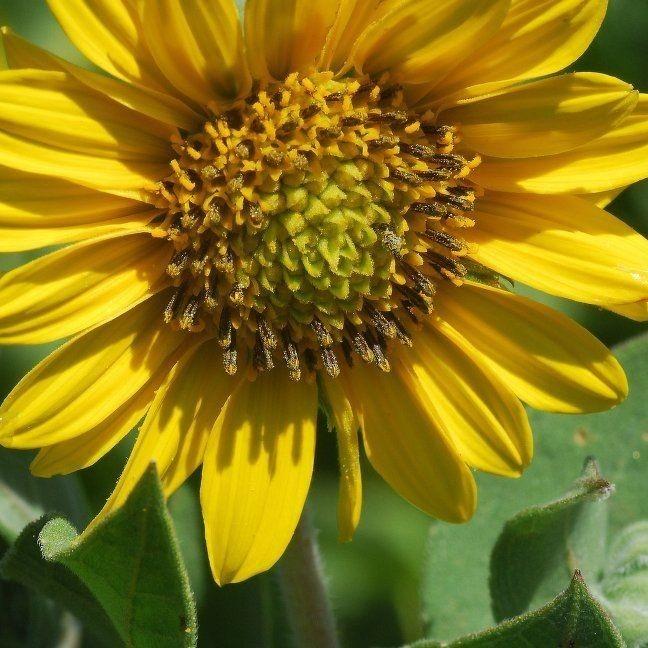
Ashy Sunflower
Helianthus mollis
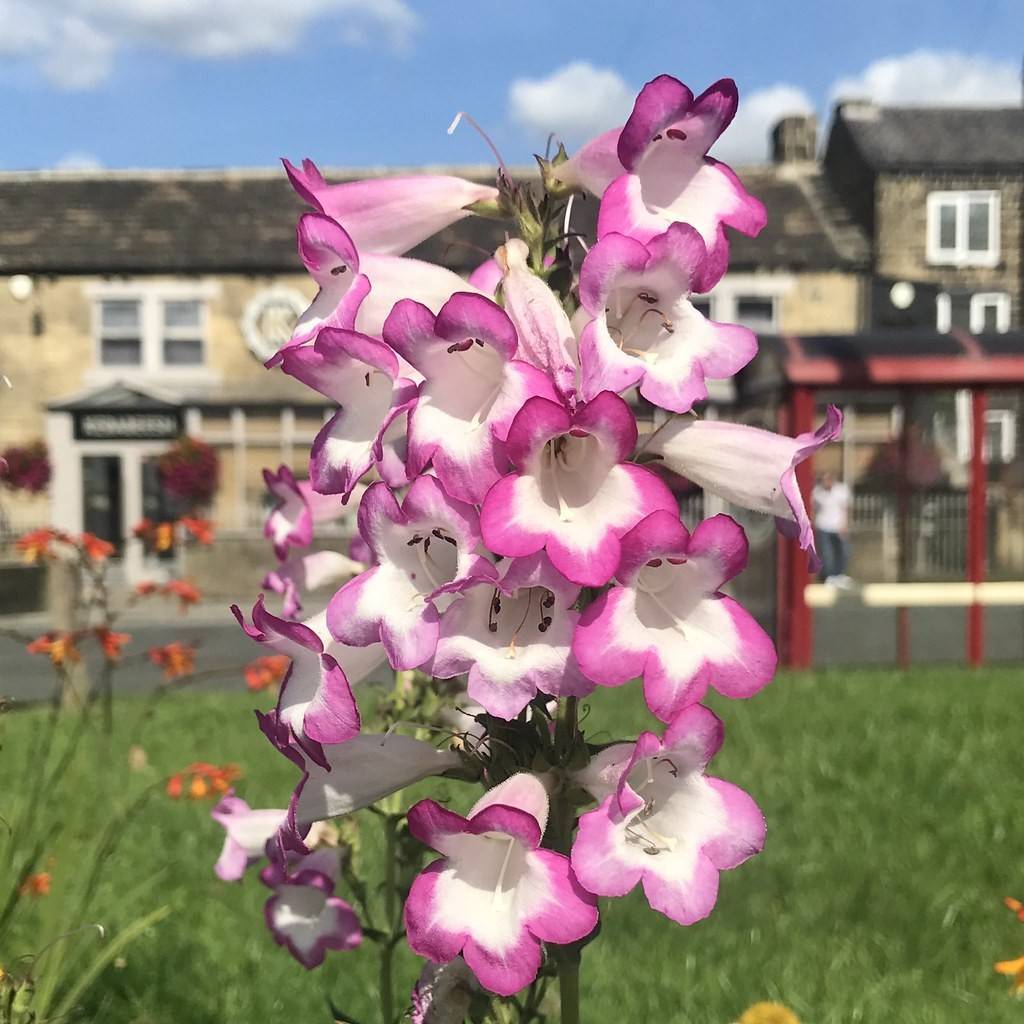
Bellflower Beardtongue
Penstemon campanulatus
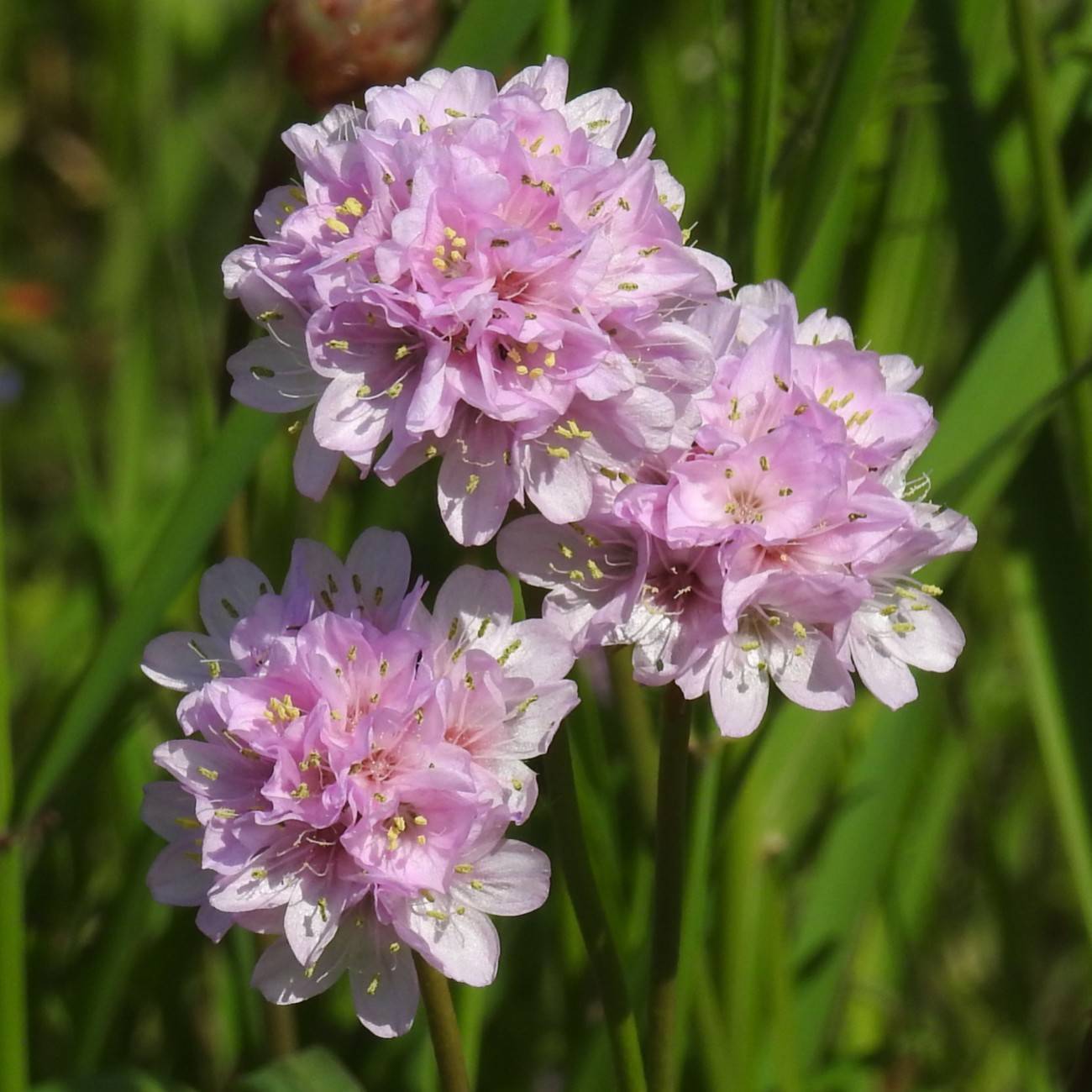
Athabasca Thrift
Armeria maritima subsp. interior
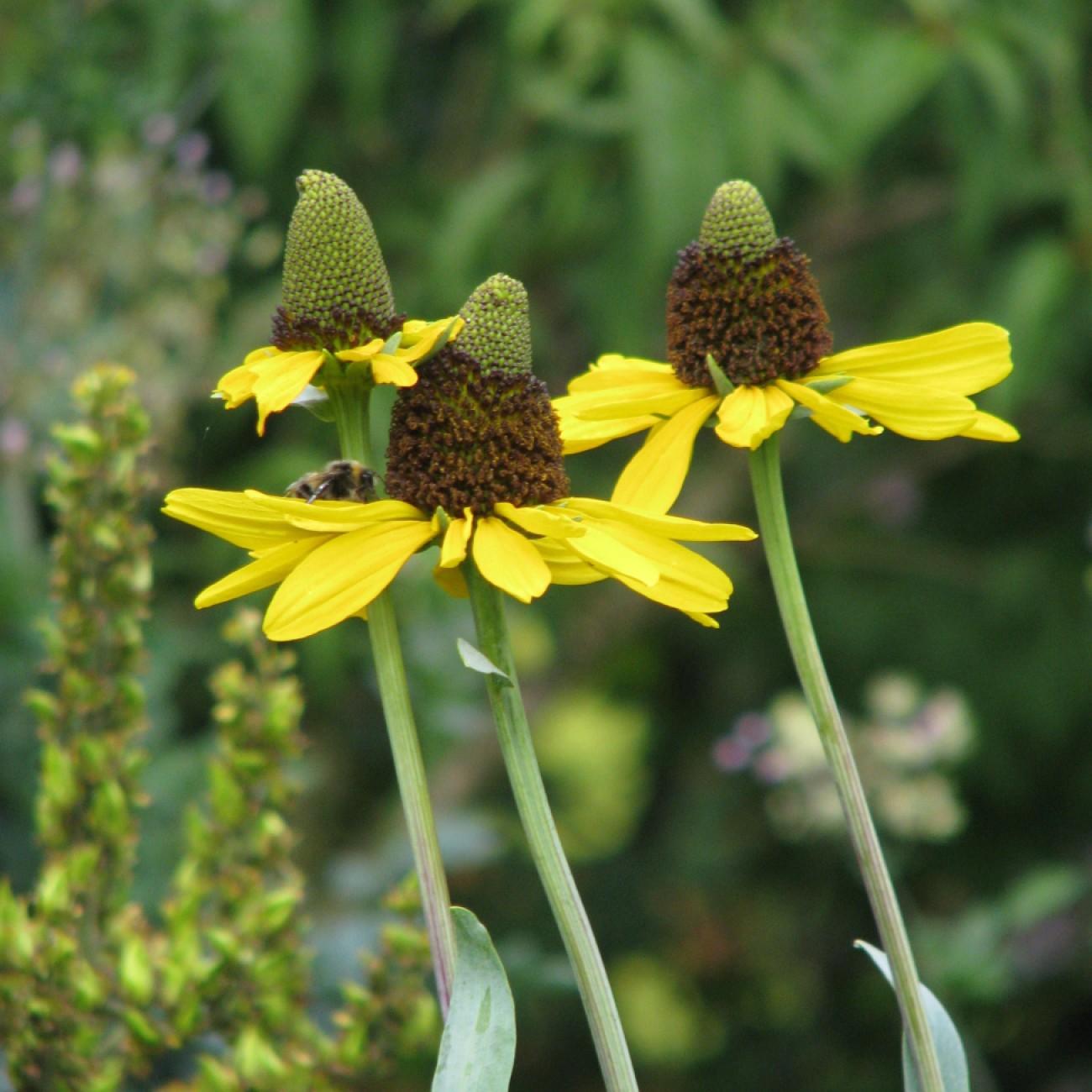
Large Coneflower
Rudbeckia maxima
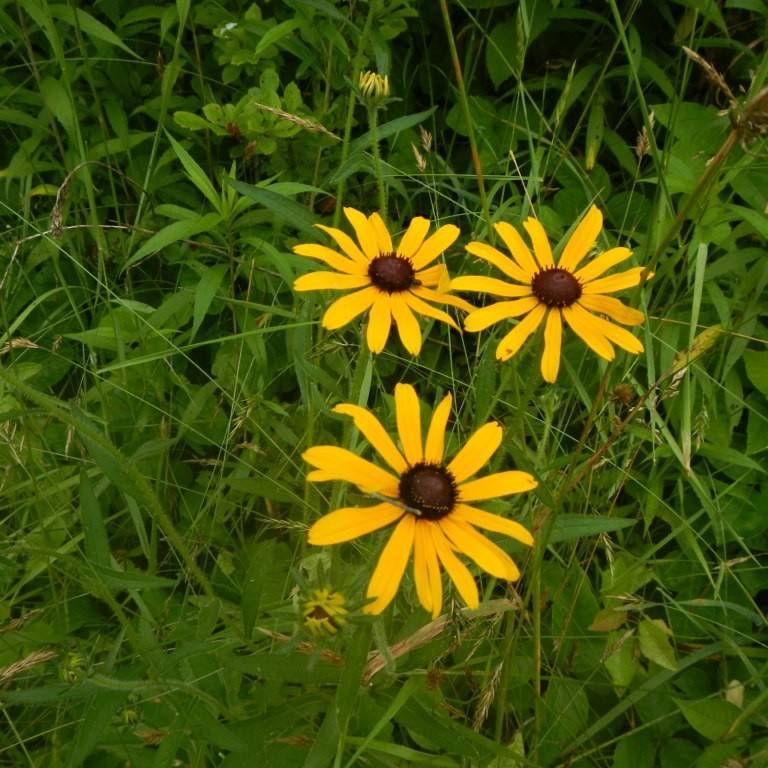
Appalachian Black Eyed Susan
Rudbeckia hirta var. pulcherrima
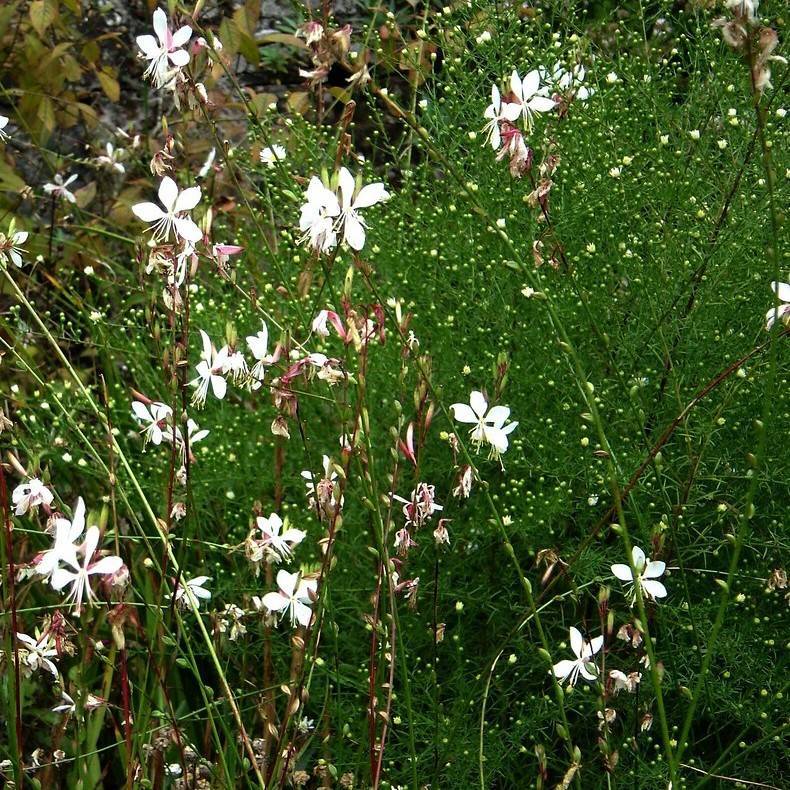
Gaura
Oenothera lindheimeri
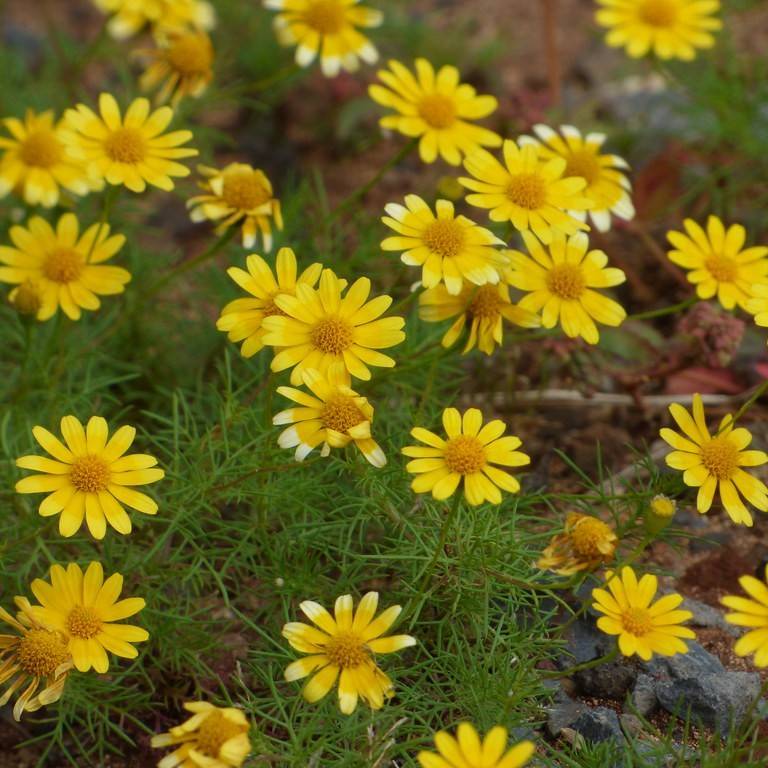
Dahlberg Daisy
Thymophylla tenuiloba
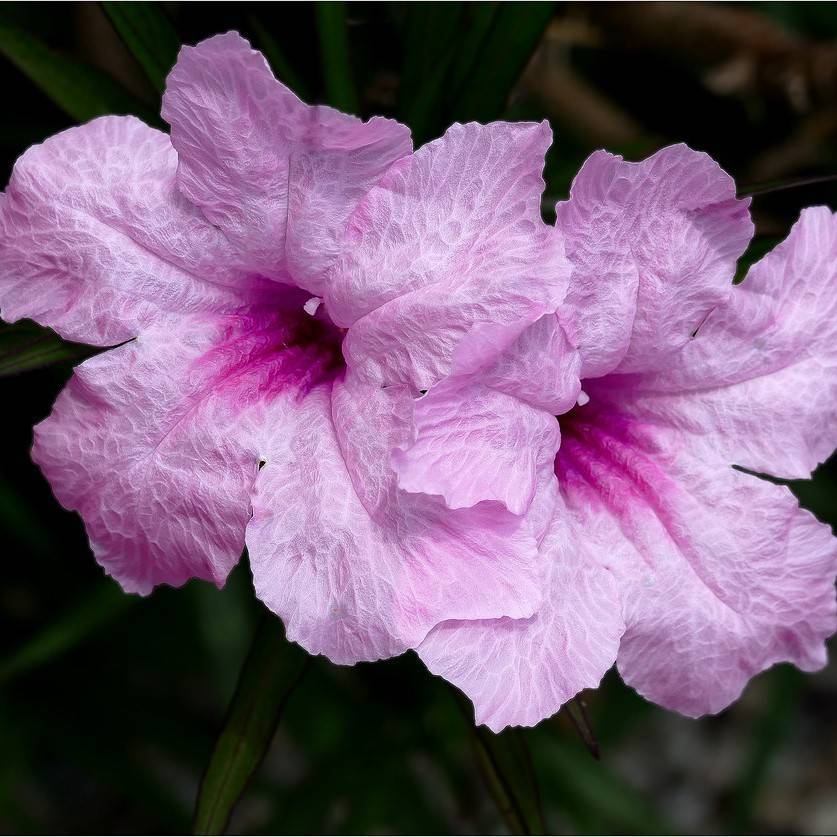
Dwarf Ruellia
Ruellia simplex 'Katie'