Athabasca Thrift
Armeria maritima subsp. interior
Overview
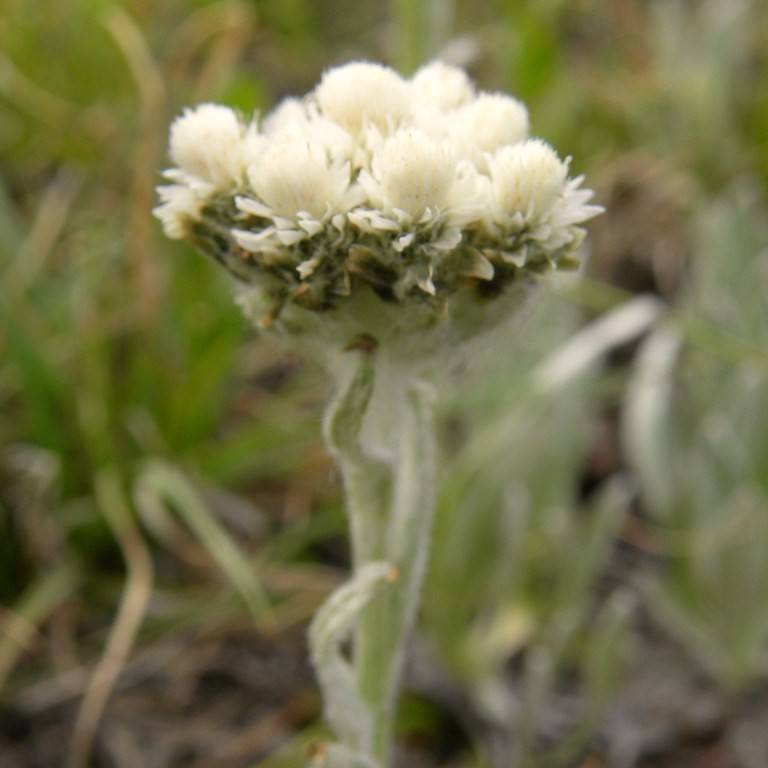
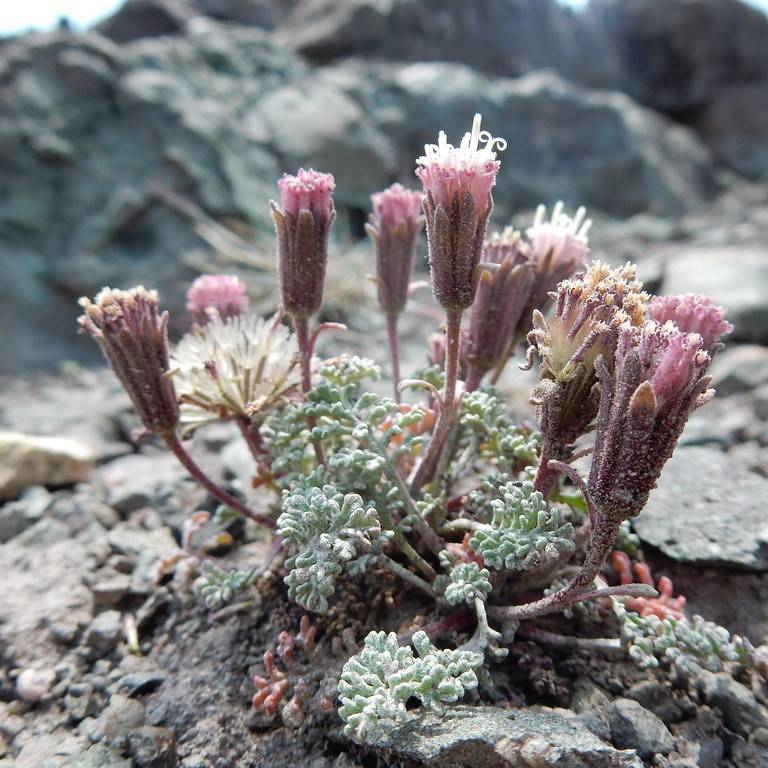
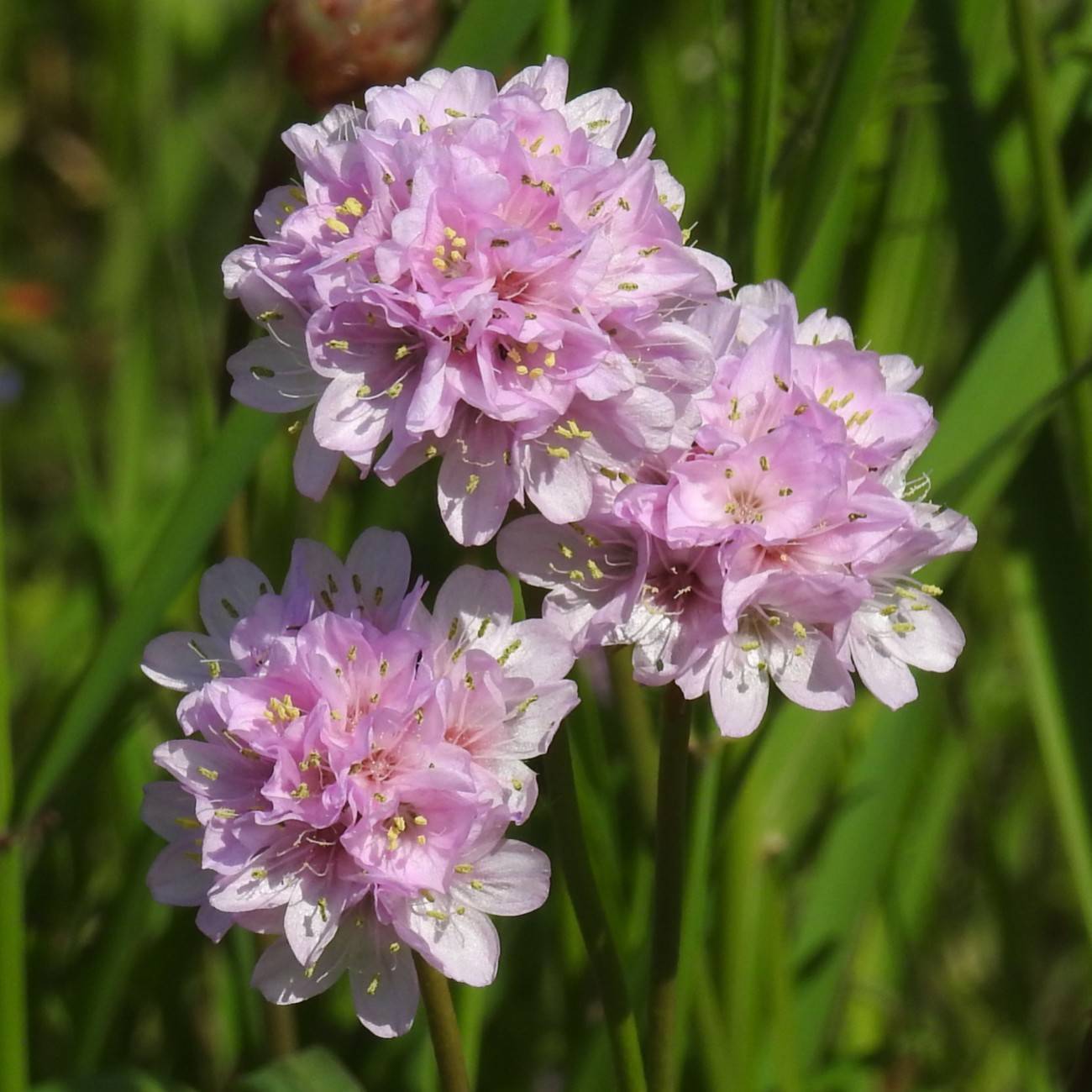
Athabasca Thrift is a low-growing subspecies of sea thrift adapted to harsh northern climates and well-drained, alkaline soils, making it ideal for rock gardens, alpine plantings, and xeriscapes. It forms tight, evergreen clumps of narrow, dark green foliage that persist year-round in moderate climates, sending up stiff, leafless stalks topped with globe-shaped clusters of soft pink to rose-purple blooms. Native to nutrient-poor, rocky habitats, it is highly drought-tolerant and salt-resistant, suited for coastal and cold-region landscapes where many other ornamentals struggle to survive.
Care Guide
Watering
Water newly planted Athabasca Thrift regularly to establish roots, keeping soil consistently moist but not waterlogged for the first growing season. Once established, it is extremely drought-tolerant, requiring only occasional watering during prolonged dry spells, as overwatering is the most common cause of plant decline. Avoid overhead watering to prevent crown rot, directing water at the base of the plant when irrigation is needed.
Light
Plant Athabasca Thrift in full sun, receiving a minimum of 6 hours of direct sunlight daily for the most abundant flowering and tightest, healthiest foliage clumps. It can tolerate very light shade, but too much shade will cause leggy growth, reduced bloom production, and increased susceptibility to fungal diseases. In extremely hot, southern climates, a small amount of afternoon dappled shade can prevent foliage scorch, though it generally prefers unfiltered sunlight in its native northern range.
Soil
Athabasca Thrift thrives in well-drained, sandy or gravelly soil with a neutral to alkaline pH, mimicking its native rocky shoreline and calcareous meadow habitats. It tolerates poor, low-nutrient soils very well, and will suffer in heavy, clay-rich soils that hold excess moisture. Amending planting sites with coarse sand or crushed limestone can improve drainage and adjust pH to optimal levels for this species if native soil is overly acidic or compacted.
Fertilizer
This plant is adapted to low-nutrient environments, so it requires very little fertilization, and over-fertilizing will cause soft, leggy growth and reduced flowering. A single light application of a balanced, slow-release granular fertilizer in early spring, at half the recommended rate for general ornamentals, is sufficient for the entire growing season. Avoid high-nitrogen fertilizers entirely, as they will promote excessive foliage growth at the expense of blooms and reduce the plant’s cold hardiness.
Temperature
Athabasca Thrift is exceptionally cold-hardy, surviving winter temperatures as low as -40°F (-40°C) in USDA hardiness zones 2 through 8, making it suitable for even the coldest North American growing regions. It tolerates summer heat well in areas with good drainage, but will struggle in regions with high humidity combined with consistently warm nighttime temperatures, which increase the risk of crown and root rot. It is tolerant of salt spray and cold winds, making it an excellent choice for exposed coastal gardens and northern roadside plantings.
Pruning
Deadhead spent flower stalks immediately after blooming to encourage a possible second flush of flowers later in the summer and keep the plant looking tidy. In late winter or early spring, trim back any brown or damaged foliage from the previous year to make room for new, fresh growth, taking care not to cut into the woody base of the clump. Every 3 to 4 years, divide overgrown clumps in early spring to maintain vigor, as crowded plants will produce fewer blooms and have higher disease risk.
Propagation
Athabasca Thrift is most easily propagated by division in early spring, just as new growth begins to emerge, by gently separating clumps into smaller sections with intact roots and replanting immediately at the same depth they were originally growing. It can also be grown from seed sown directly outdoors in late fall, as the seeds require a period of cold stratification to germinate, or started indoors 8 to 10 weeks before the last frost after 4 weeks of refrigeration in moist soil. Cuttings of basal rosettes can be taken in early summer, rooted in sandy potting mix under mist, and transplanted outdoors the following spring, though division is far more reliable for preserving the characteristics of this subspecies.
Humidity
Athabasca Thrift prefers low to moderate humidity levels, and is well-adapted to the dry air of northern prairies and alpine regions. High humidity combined with warm temperatures and poor air circulation significantly increases the risk of fungal crown rot and foliar diseases, so ensure plants are spaced adequately to allow good airflow around foliage. Avoid planting in low-lying, damp areas where humidity levels stay consistently high, as this will almost always lead to premature plant death.
Repotting
When grown in containers, Athabasca Thrift only needs repotting every 2 to 3 years, or when roots begin to grow out of the drainage holes and the plant becomes root-bound. Use a well-drained, gritty potting mix formulated for alpine or succulent plants, and select a container with multiple drainage holes to prevent standing water at the root zone. Repot in early spring before new growth starts, taking care not to damage the delicate root system, and avoid fertilizing for 6 weeks after repotting to prevent root burn.
Uses & Symbolism
Athabasca Thrift is primarily used as an ornamental plant in rock gardens, alpine troughs, border edges, and xeriscapes, where its compact growth habit and bright pink blooms add long-lasting color with minimal maintenance. It is an excellent choice for erosion control on dry, rocky slopes and for coastal gardens, as its salt tolerance and deep, fibrous root system stabilize soil while tolerating harsh wind and spray conditions. It also provides a valuable early-season nectar source for native bees, butterflies, and other pollinators in cold northern regions where few flowering plants bloom in late spring.
Diseases & Pests
Athabasca Thrift is largely pest and disease resistant when grown in proper conditions, with the most common issue being crown and root rot caused by overwatering or poorly drained soil. Fungal leaf spot and powdery mildew can occur in high-humidity environments with poor air circulation, though these are rarely fatal if addressed promptly by improving airflow and reducing moisture on foliage. Aphids and spider mites may occasionally infest stressed plants, but can be easily controlled with a strong spray of water or insecticidal soap, with severe infestations being very rare in outdoor plantings.
Related plants
Other plants you might like if you grow Athabasca Thrift.