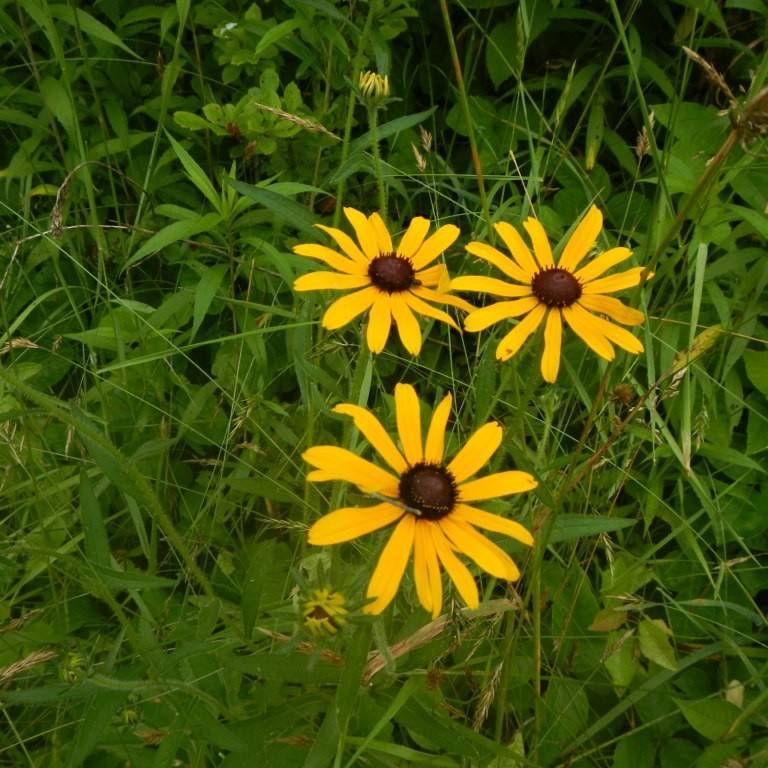
Appalachian Black Eyed Susan
Rudbeckia hirta var. pulcherrima
Overview
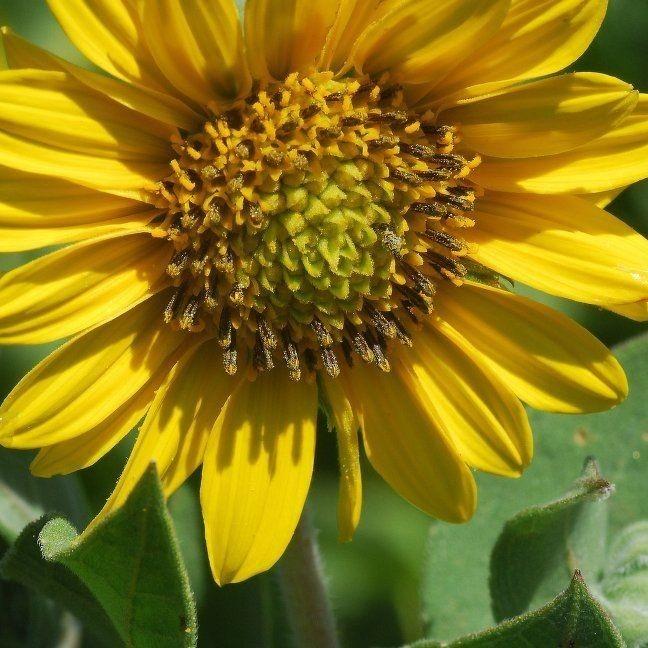
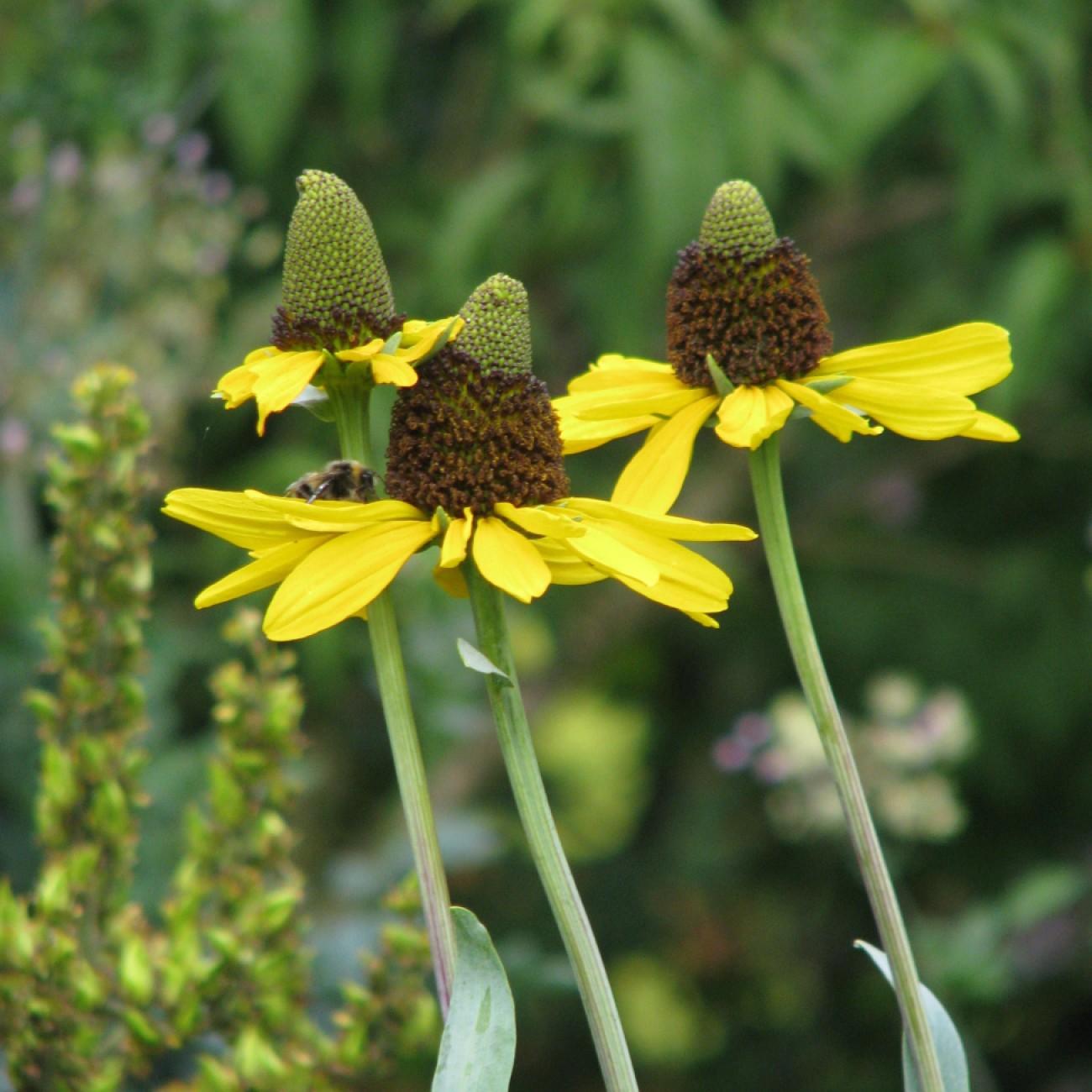
Appalachian Black Eyed Susan is a regional variety of the common black-eyed Susan, adapted to the rocky, well-drained soils and variable climate of its native mountain habitat. It produces upright, hairy stems and coarse, lance-shaped foliage, with blooms that are slightly larger and more intensely colored than standard Rudbeckia hirta. This variety supports a wide range of native pollinators, including bees, butterflies, and beetles, and provides seed for songbirds in late fall and winter.
Care Guide
Watering
Water newly planted specimens regularly to establish deep root systems, allowing the top 1 to 2 inches of soil to dry out between waterings once mature. This wildflower is highly drought-tolerant, so avoid overwatering, which can lead to root rot and floppy growth. Reduce watering frequency in fall as the plant prepares to go dormant for winter.
Light
Grow Appalachian Black Eyed Susan in full sun, defined as 6 or more hours of direct unfiltered sunlight per day, for the most abundant and sturdy blooms. It can tolerate partial shade, but plants grown in shadier conditions may become leggy, produce fewer flowers, and be more prone to foliar diseases. Plant in an open, unobstructed location to maximize sun exposure throughout the growing season.
Soil
This plant thrives in poor to moderately fertile, well-drained soil, and is adapted to the rocky, loamy, or sandy soils common in its native Appalachian range. It tolerates a wide pH range, from slightly acidic to slightly alkaline, and will not survive in heavy, waterlogged clay soils. Amend dense garden soils with coarse sand or compost to improve drainage before planting.
Fertilizer
Appalachian Black Eyed Susan has low nutrient needs and generally does not require regular fertilization, especially when grown in native soils. Over-fertilizing will lead to excessive leaf growth, weak stems, and reduced flowering. If grown in extremely poor soil, apply a thin layer of compost in early spring to provide mild, slow-release nutrients for the growing season.
Temperature
This variety is well-adapted to the variable temperatures of the Appalachian Mountains, thriving in summer highs between 70–90°F (21–32°C) and tolerating winter lows down to -30°F (-34°C) in USDA hardiness zones 3 through 9. It is tolerant of light spring frosts and cool fall temperatures, often continuing to bloom until the first hard frost of winter. Extreme, prolonged heat above 95°F (35°C) may cause temporary wilting, but plants will recover once temperatures cool if soil moisture is adequate.
Pruning
Deadhead spent blooms regularly throughout the flowering season to encourage continued bud production and extend the bloom period well into fall. Leave the last set of spent flower heads in place in late fall to provide seed for migrating and overwintering songbirds, and to allow the plant to self-seed for new growth the following year. Cut back dead, dried stems to 2 to 3 inches above the soil line in late winter or early spring before new foliage emerges.
Propagation
Appalachian Black Eyed Susan is most easily propagated from seed, which can be directly sown outdoors in fall or stratified for 30 days and sown in early spring after the last frost. Allow plants to self-seed in the garden for natural colonization, thinning seedlings as needed to prevent overcrowding and ensure good air circulation. Division is not commonly recommended for this biennial variety, as individual plants only live for two growing seasons.
Humidity
This plant tolerates a wide range of humidity levels, from the moderately humid summer conditions of the Appalachian region to drier inland climates. Good air circulation around the foliage is important to prevent powdery mildew and other foliar fungal diseases in areas with high summer humidity. Avoid overhead watering to keep foliage dry and reduce disease risk in humid environments.
Repotting
As a garden biennial, Appalachian Black Eyed Susan is rarely grown in containers long-term and does not require regular repotting. If grown in a pot, use a well-drained potting mix and choose a container with drainage holes to prevent waterlogging. Repot only if the plant outgrows its current container, ideally in early spring before active growth begins, and discard plants after their second growing season when they complete their lifecycle.
Uses & Symbolism
Appalachian Black Eyed Susan is a popular choice for native wildflower gardens, pollinator habitats, meadow plantings, and roadside restoration projects, where its bright blooms provide long-lasting summer and fall color. Its dried flower heads are often used in cut flower arrangements and dried floral crafts, and the plant is valued for its ability to attract beneficial pollinators and songbirds to residential and conservation landscapes. Historically, Indigenous peoples of the Appalachian region used various parts of the plant for traditional medicinal purposes, including treating colds, sores, and snake bites.
Diseases & Pests
This plant is relatively pest and disease resistant, but can be susceptible to powdery mildew, leaf spot, and rust in conditions of high humidity, poor air circulation, or overwatering. Common pests include aphids, Japanese beetles, and leafhoppers, which typically cause minor foliar damage that does not threaten the overall health of established plants. Root rot can occur in poorly drained, waterlogged soils, so proper site selection and soil amendment are critical to prevent this fatal condition.
Related plants
Other plants you might like if you grow Appalachian Black Eyed Susan.