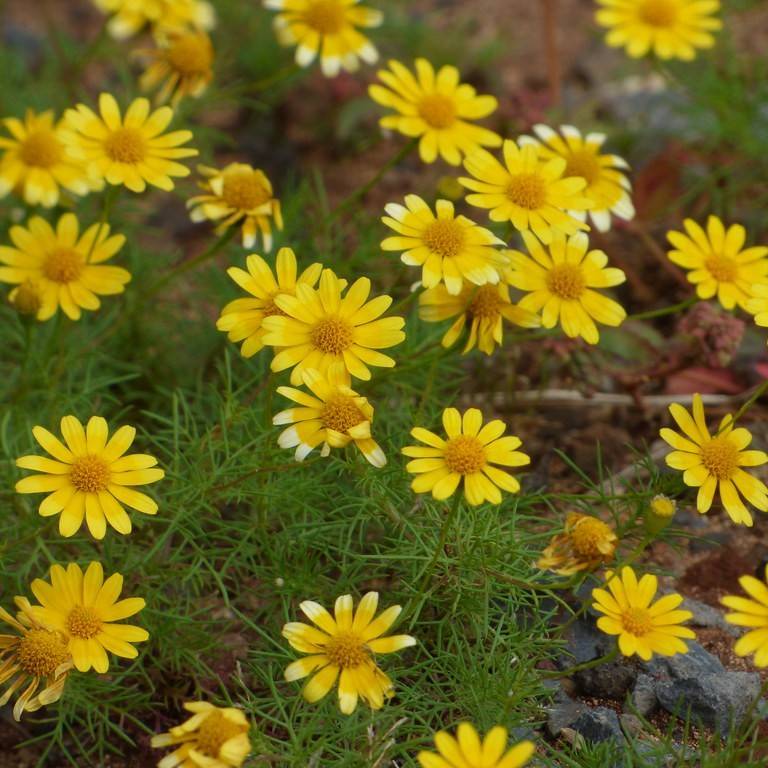
Dahlberg Daisy
Thymophylla tenuiloba
Overview
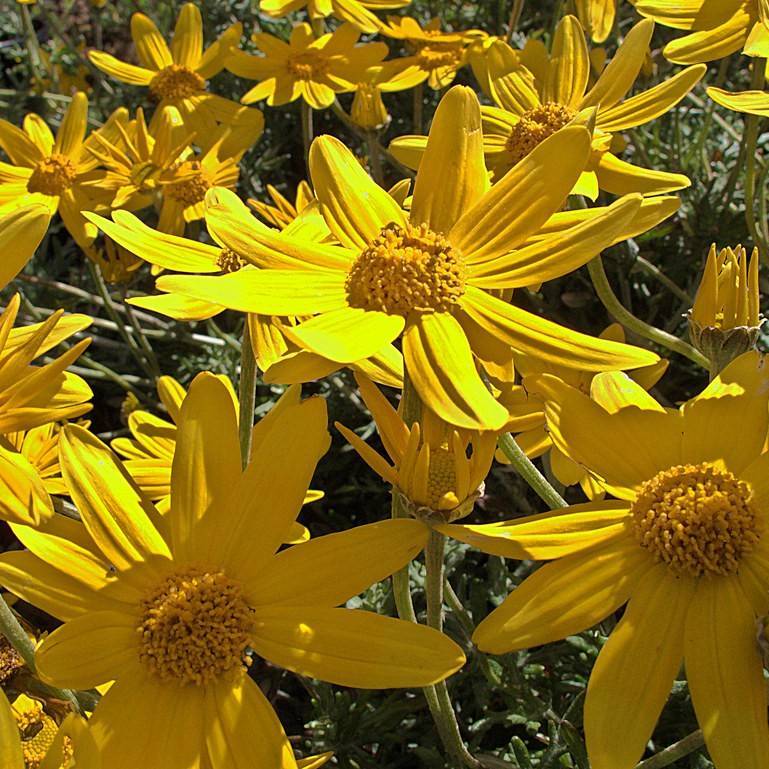
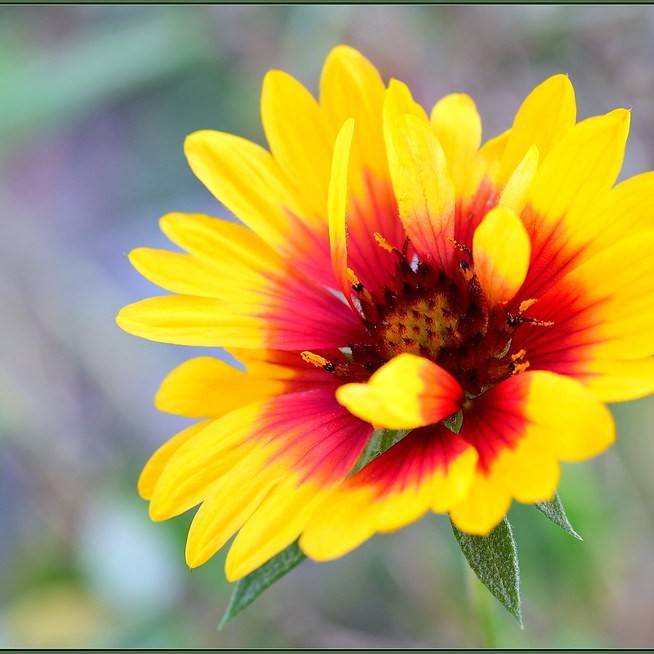
Dahlberg daisy, also known as bristleleaf pricklyleaf, is a warm-season annual prized for its lacy, aromatic bright green foliage and profusion of small, golden-yellow daisy flowers that bloom continuously from late spring through frost. Its mounded, trailing growth habit makes it a versatile filler for garden beds, rock gardens, hanging baskets, and window boxes, where it spills over edges to create soft, colorful drifts. Native to arid regions of the southern US and Central America, it is exceptionally heat and drought tolerant, making it a top choice for xeriscaping and low-water garden designs.
Care Guide
Watering
Water newly planted Dahlberg daisies regularly for the first 2-3 weeks to establish a strong root system, then reduce frequency to only when the top 1-2 inches of soil are completely dry. This plant is highly drought tolerant, and overwatering is the most common cause of poor performance, leading to root rot and leggy growth. Avoid overhead watering to reduce foliar disease risk, opting instead for drip or base watering when possible.
Light
Dahlberg daisy requires full sun, meaning at least 6-8 hours of direct, unfiltered sunlight per day to produce the densest foliage and maximum flower production. It can tolerate very light partial shade, but plants grown in lower light will become leggy, produce fewer blooms, and be more prone to pest infestations. Position it in the sunniest spot in your garden or on a south-facing windowsill if grown indoors.
Soil
This adaptable plant thrives in well-draining, sandy or loamy soil with a neutral to slightly alkaline pH range of 6.0 to 7.5. It tolerates poor, rocky, and low-nutrient soils extremely well, as long as excess water can drain freely; heavy clay soils that hold moisture will quickly cause root rot. If planting in containers, use a light, fast-draining potting mix amended with perlite or coarse sand to improve drainage.
Fertilizer
Dahlberg daisy has very low nutrient needs, and excessive fertilization will lead to lush foliage growth at the expense of blooms, as well as a floppy, unkempt habit. For in-ground plants, a single light application of balanced, slow-release 10-10-10 fertilizer in early spring is sufficient for the entire growing season. Container-grown plants can be fed once every 6-8 weeks with a diluted, balanced liquid fertilizer, applied at half the recommended strength.
Temperature
This warm-season annual prefers temperatures between 65-85°F (18-29°C) and tolerates extreme summer heat well, even when temperatures exceed 100°F (38°C) for extended periods. It is not frost tolerant, and exposure to temperatures below 32°F (0°C) will kill the plant; plant outdoors only after all danger of frost has passed in spring. It can survive light, short-duration cool snaps down to 40°F (4°C) if acclimated, but growth will slow significantly.
Pruning
Pruning is rarely required for Dahlberg daisy, but you can pinch back the tips of young plants in early spring to encourage bushier, more compact growth and a greater number of flowering stems. Deadheading spent blooms is not necessary, as the plant is self-cleaning and will continue to flower profusely without intervention, but you can shear back overgrown or leggy plants by up to one-third in mid-summer to refresh their appearance and stimulate new growth. At the end of the growing season, pull and discard dead plants to prepare the bed for the next planting.
Propagation
Dahlberg daisy is most commonly propagated from seed, which can be sown directly outdoors after the last frost date, or started indoors 6-8 weeks before the last expected frost for earlier blooms. Sow seeds on the surface of moist, well-draining seed starting mix, as they require light to germinate; do not cover them with soil, and keep the medium consistently moist until germination occurs in 7-14 days at 70-75°F (21-24°C). Plants will often self-seed readily in favorable garden conditions, producing new seedlings the following spring without intervention.
Humidity
Dahlberg daisy is well-adapted to low to moderate humidity levels, and thrives in the dry air of arid and semi-arid regions. High humidity, especially combined with poor air circulation and wet foliage, can increase the risk of powdery mildew and other foliar fungal diseases. If growing in a humid climate, space plants 12-18 inches apart to promote good air flow around the foliage and avoid overwatering to minimize disease risk.
Repotting
As an annual plant, Dahlberg daisy rarely needs repotting during its single growing season if planted in an appropriately sized container at the start of the season. If you notice roots growing through the drainage holes or the plant becomes root-bound and dries out extremely quickly, you can repot it into a container one size larger in mid-season, taking care not to disturb the root ball excessively. At the end of the growing season, discard the plant and empty the container to prepare for new plantings the following year.
Uses & Symbolism
Dahlberg daisy is widely used as an ornamental plant in xeriscape gardens, rock gardens, border edges, and container plantings, where its trailing habit and bright yellow blooms provide long-lasting color with minimal maintenance. Its aromatic foliage is deer and rabbit resistant, making it a popular choice for gardens in areas with high wildlife pressure. It also attracts pollinators including bees, butterflies, and beneficial predatory insects, supporting healthy garden ecosystems.
Diseases & Pests
Dahlberg daisy is relatively pest and disease resistant, but overwatering and poor drainage can lead to root rot, the most common issue affecting this plant. In high humidity or crowded growing conditions, it may occasionally develop powdery mildew or leaf spot, which can be prevented by providing adequate air circulation and avoiding overhead watering. Aphids and spider mites may infest stressed plants, especially those grown in partial shade, and can be controlled with insecticidal soap or neem oil applications.
Related plants
Other plants you might like if you grow Dahlberg Daisy.