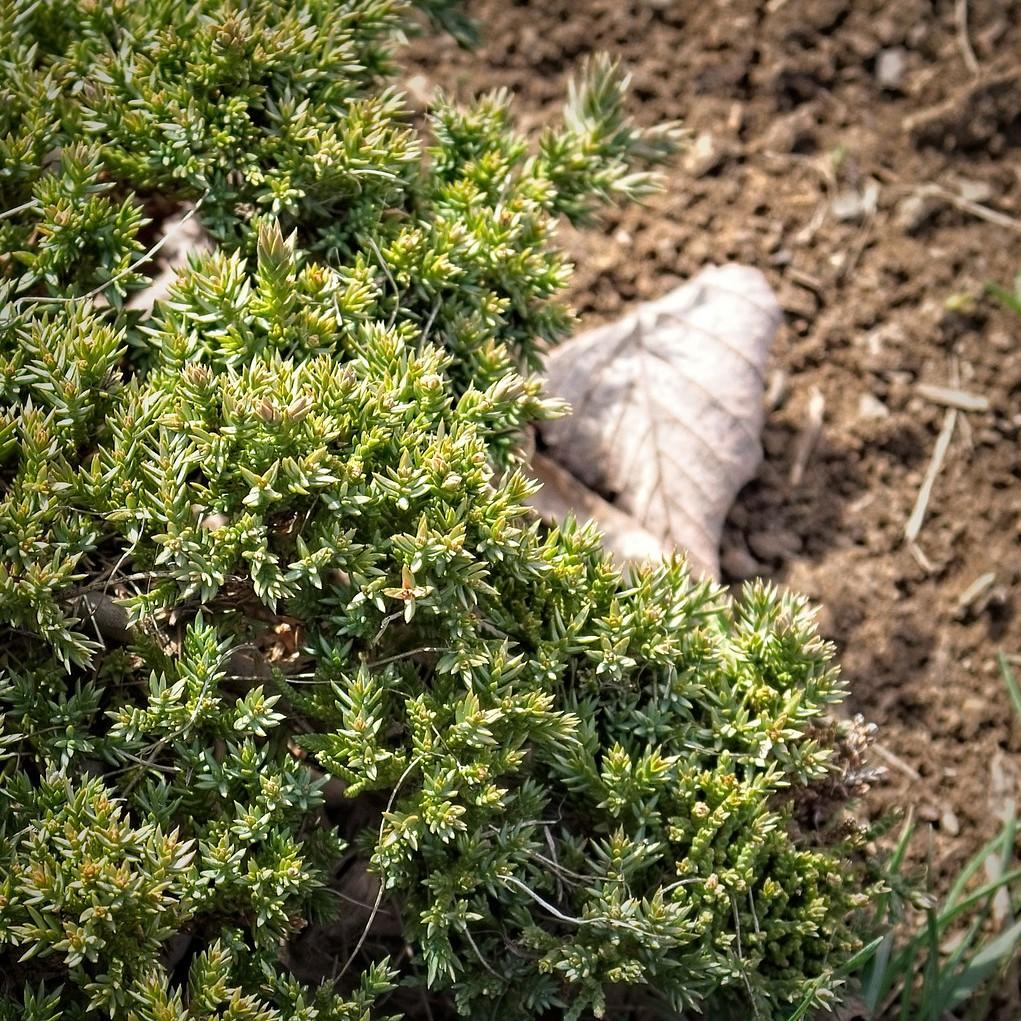
Japanese Garden Juniper
Juniperus procumbens
Overview
Japanese Garden Juniper is a low-spreading evergreen conifer with stiff, needle-like blue-green foliage that maintains its color year-round. It forms a dense, mat-like habit as it spreads horizontally, making it a popular choice for erosion control on slopes, rock gardens, and border edging. Its hardy, adaptable nature and distinctive trailing growth also make it one of the most widely cultivated species for bonsai.
Care Guide
Watering
Water newly planted junipers regularly to keep soil evenly moist for the first growing season until roots establish. Mature plants are highly drought tolerant, requiring water only during extended periods of dry, hot weather to prevent foliage browning. Avoid overwatering or allowing the plant to sit in standing water, as this can quickly trigger root rot.
Light
Japanese Garden Juniper thrives in full sun, requiring at least 6 hours of direct, unfiltered sunlight daily to maintain its dense, compact growth habit and vibrant foliage color. It can tolerate very light partial shade, but prolonged low light will lead to sparse, leggy growth and increased susceptibility to pests and fungal diseases.
Soil
This conifer prefers well-drained, sandy or loamy soils with a slightly acidic to neutral pH range of 5.0 to 7.0. It adapts well to poor, rocky, or low-nutrient soils where many other plants struggle, as long as drainage is excellent. Heavy clay soils that hold moisture should be amended with coarse sand or gravel to improve drainage before planting.
Fertilizer
Feed Japanese Garden Juniper once annually in early spring with a balanced, slow-release granular fertilizer formulated for evergreen shrubs, applied at half the recommended strength to avoid overfertilization. Excess nitrogen can cause overly soft, rapid growth that disrupts the plant’s natural compact habit and makes it more vulnerable to cold damage and pest infestations. Potted or bonsai specimens can be given a diluted liquid fertilizer every 4-6 weeks during the active growing season for steady, controlled growth.
Temperature
It is extremely cold hardy, surviving winter temperatures as low as -20°F (-29°C) in USDA hardiness zones 4 through 9. It tolerates high summer heat and humidity well, as long as soil drainage is adequate and it receives sufficient airflow around its foliage. Young or newly planted specimens may benefit from a light layer of mulch around their base in fall to insulate roots from extreme winter temperature fluctuations.
Pruning
Prune Japanese Garden Juniper in late winter or early spring before new growth emerges to shape the plant, remove dead or damaged branches, and thin out overly dense areas to improve airflow. Avoid cutting back into old, bare wood, as junipers rarely produce new growth from leafless, woody stems, which can leave permanent bare patches. For bonsai specimens, regular pinching of new growth tips throughout the growing season will help maintain the desired compact form.
Propagation
The most reliable method of propagation is semi-hardwood cuttings taken in late summer or early fall, when new growth has partially hardened off. Dip cut end in rooting hormone, place in a well-drained perlite and peat moss mix, and keep under consistent humidity and indirect light until roots develop in 3-6 months. It can also be grown from seed, but seeds require cold stratification for 3-4 months to germinate, and growth is extremely slow, making this method far less common for cultivated specimens.
Humidity
Japanese Garden Juniper adapts well to a wide range of humidity levels, thriving in the moderate to high humidity of its native coastal habitats as well as the drier air of inland regions. Good airflow around the foliage is far more critical than high humidity, as stagnant, moist air around dense growth can lead to fungal blight and needle cast diseases. Indoor bonsai specimens benefit from occasional misting during very dry winter months to prevent foliage desiccation from heated indoor air.
Repotting
Outdoor landscape specimens rarely require repotting, but potted or bonsai Japanese Garden Junipers should be repotted every 2-3 years in early spring before new growth begins. Use a fast-draining, gritty bonsai soil mix composed of akadama, pumice, and lava rock to ensure optimal drainage and prevent root rot. When repotting, prune no more than 1/3 of the root mass to avoid shocking the plant, and water thoroughly after transplanting to help roots settle into the new medium.
Uses & Symbolism
Japanese Garden Juniper is most widely used as a low-growing ground cover for slopes, rock gardens, and landscape borders, where its spreading habit effectively suppresses weeds and prevents soil erosion. It is one of the most popular conifer species for bonsai cultivation, valued for its rugged texture, flexible branches that respond well to wiring, and year-round evergreen foliage. It is also planted in coastal landscapes, as it tolerates salt spray and windy conditions far better than many other ornamental shrubs.
Diseases & Pests
The most common disease affecting Japanese Garden Juniper is tip blight, a fungal infection that causes browning and dieback of new growth, triggered by prolonged moisture on foliage and poor airflow. Root rot is another common issue, occurring when plants are grown in poorly drained, waterlogged soils. Common pests include spider mites, which cause stippling and yellowing of foliage during hot, dry weather, juniper scale, which feeds on sap and weakens the plant, and juniper webworms, which spin webs around branch tips and consume foliage.
Related plants
Other plants you might like if you grow Japanese Garden Juniper.
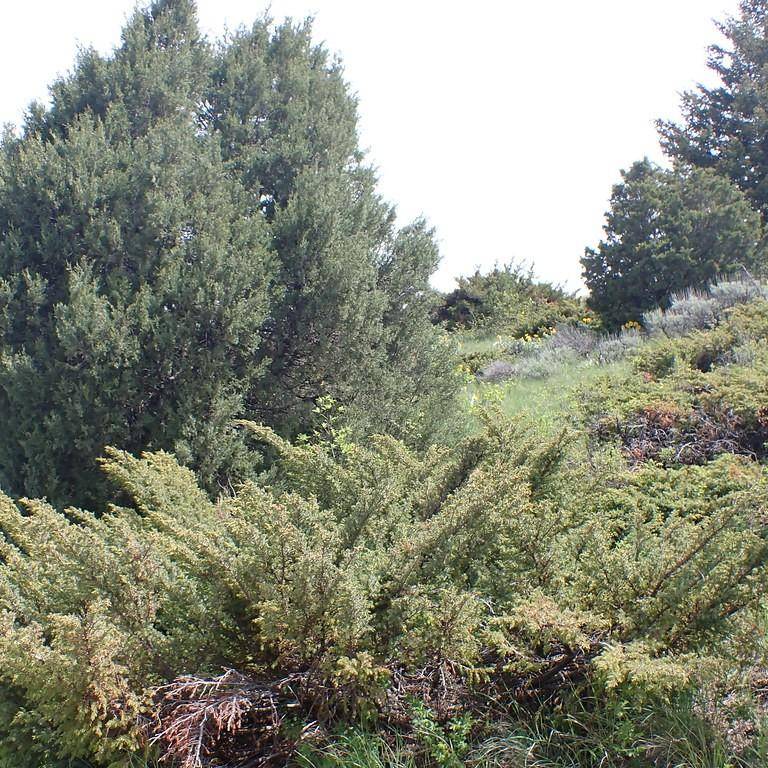
Creeping Juniper
Juniperus horizontalis
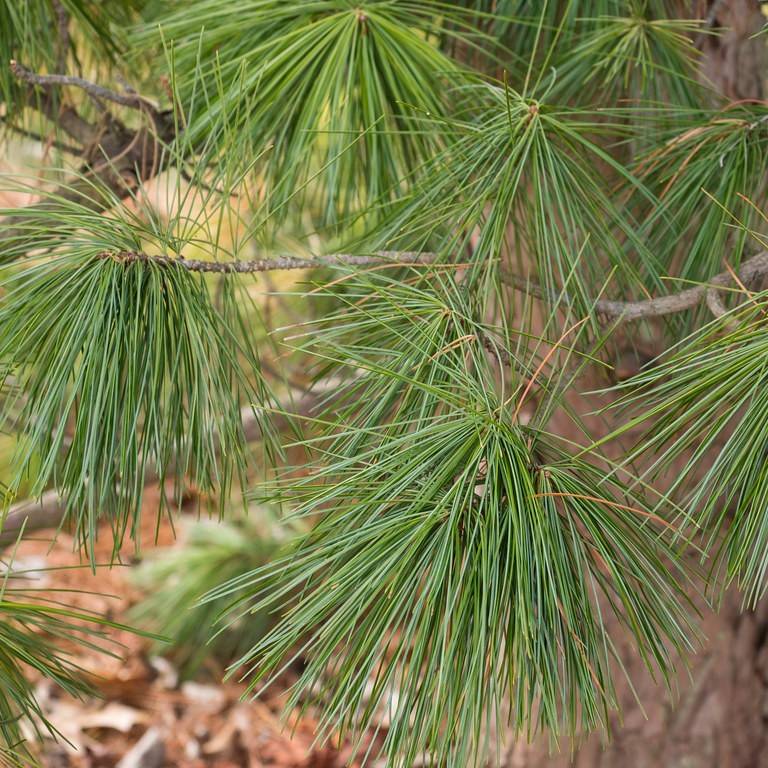
Chinese Pine
Pinus tabuliformis
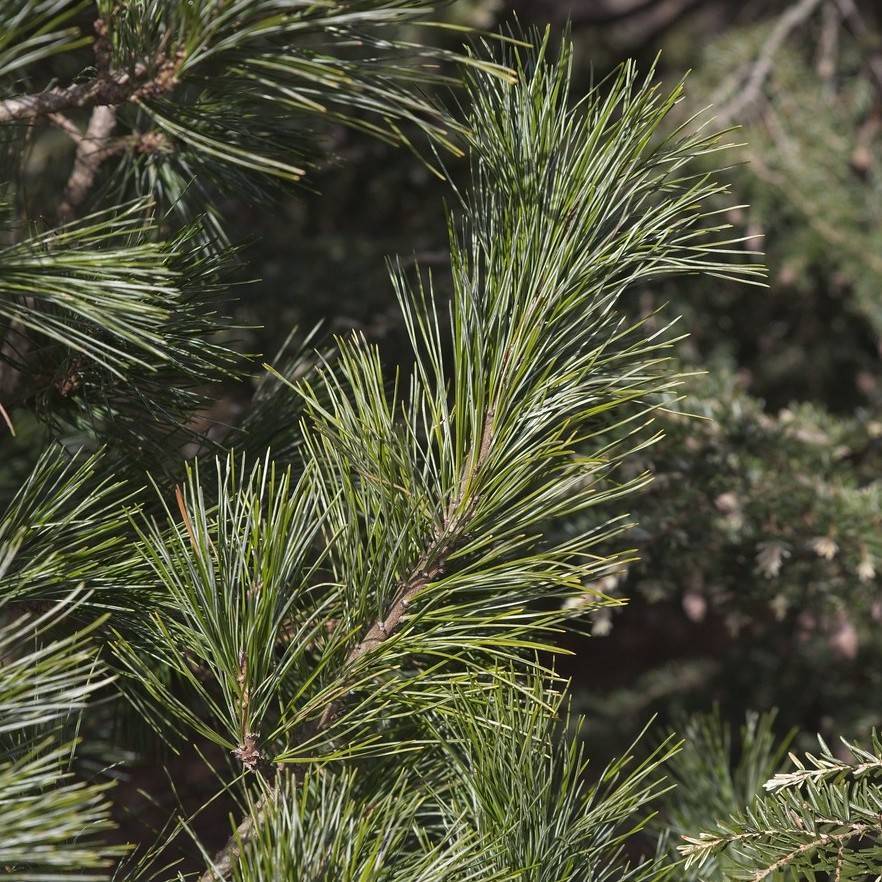
Dwarf Mountain Pine
Pinus mugo var. pumilio
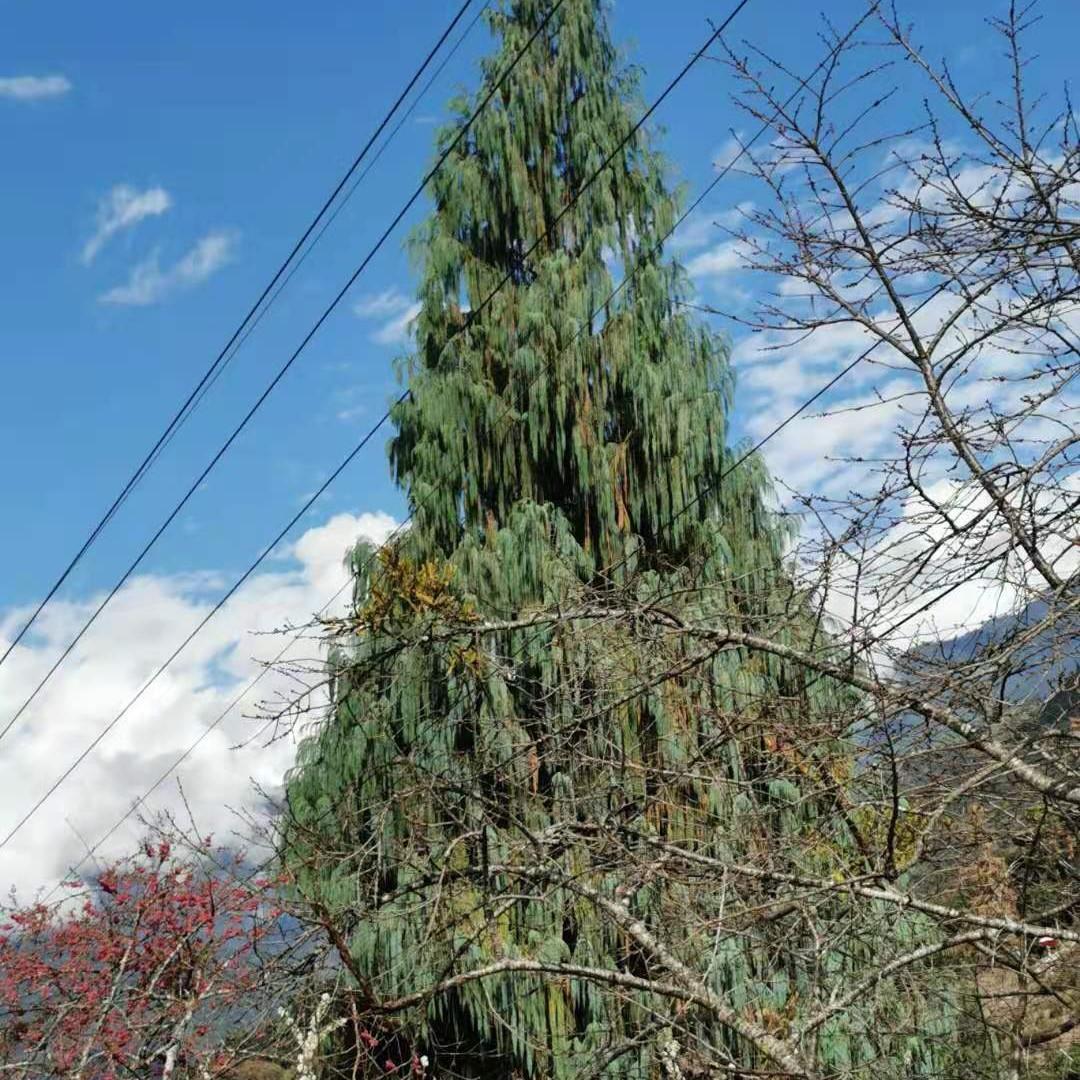
Coffin Juniper
Juniperus horizontalis 'Wiltonii'
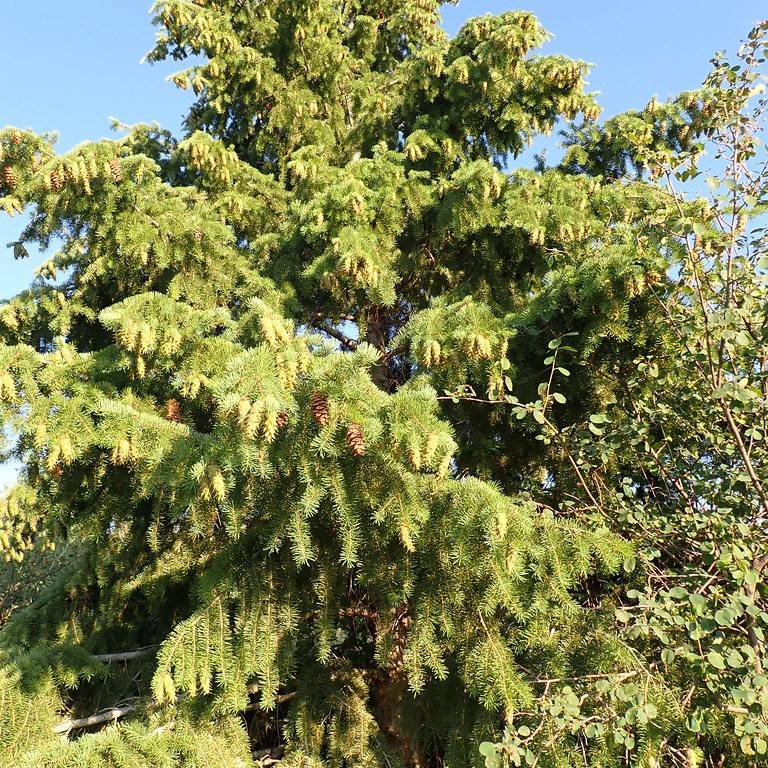
Common Juniper
Juniperus communis
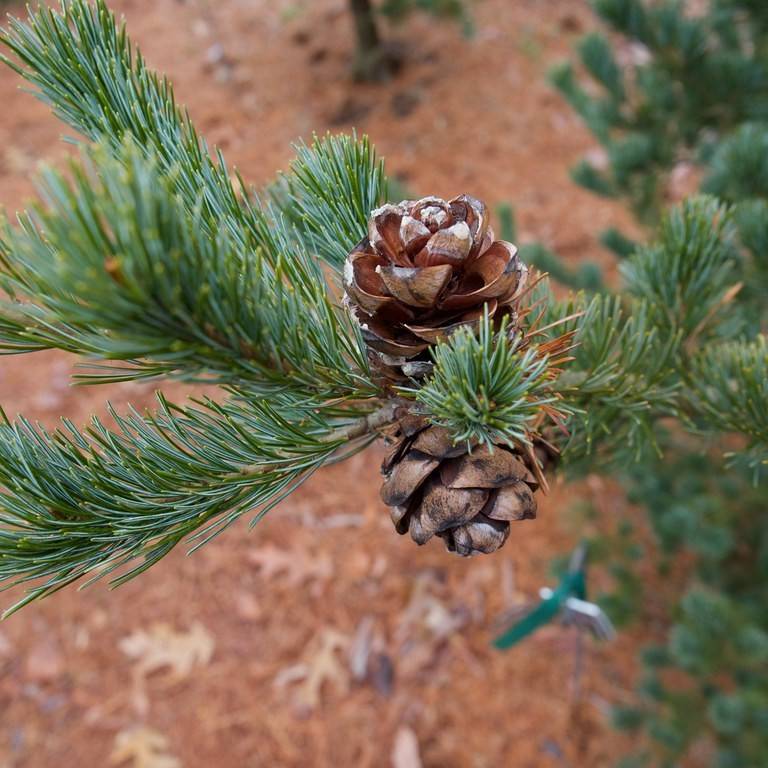
Japanese White Pine
Pinus parviflora
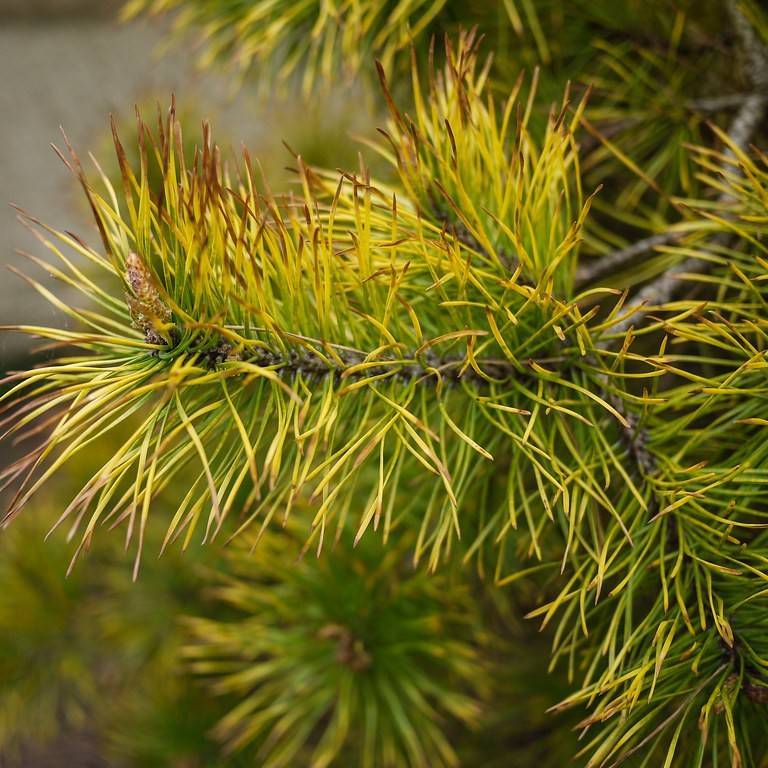
Beach Pine
Pinus contorta var. contorta
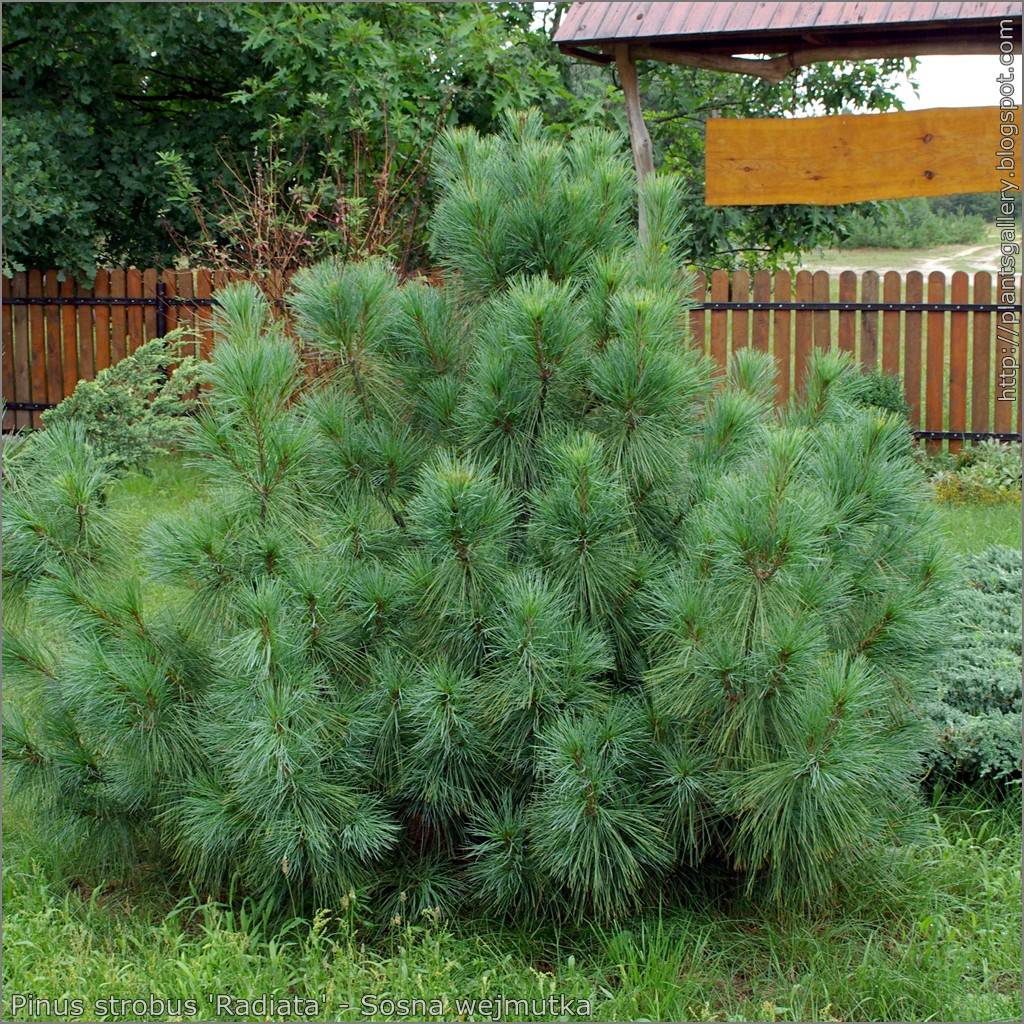
Dwarf Eastern White Pine
Pinus strobus 'Nana'