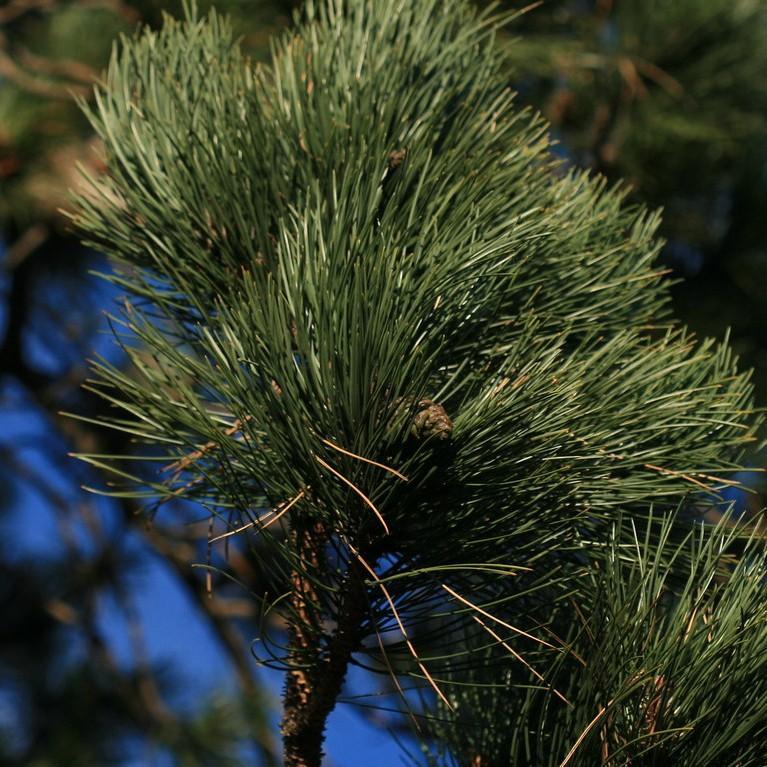
Bosnian Pine
Pinus heldreichii
Overview
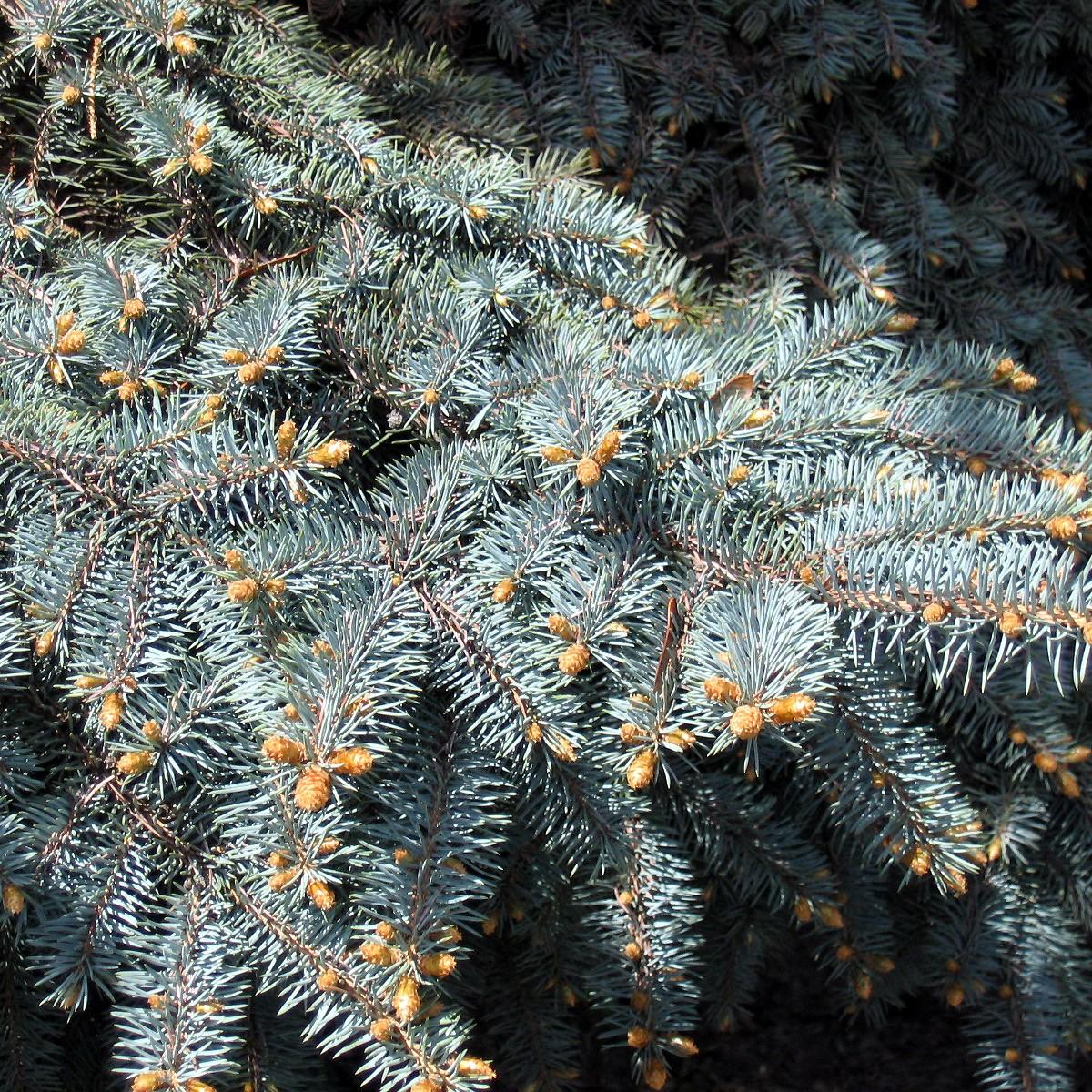
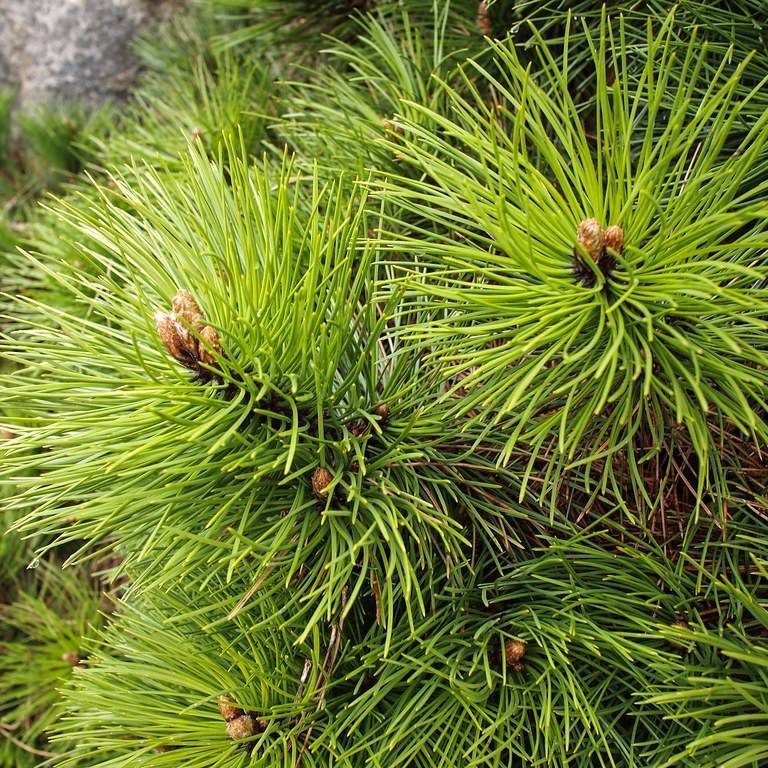
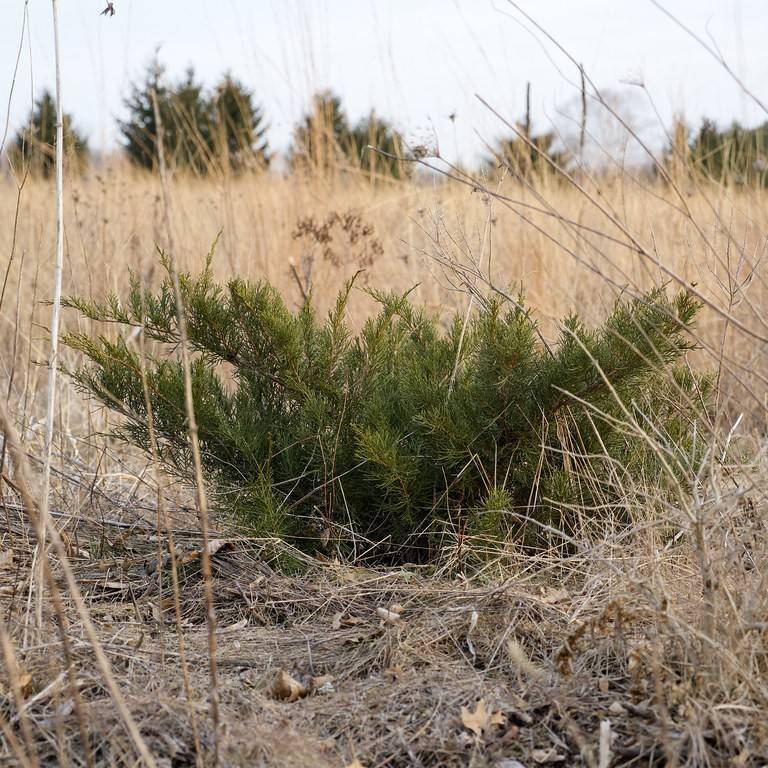
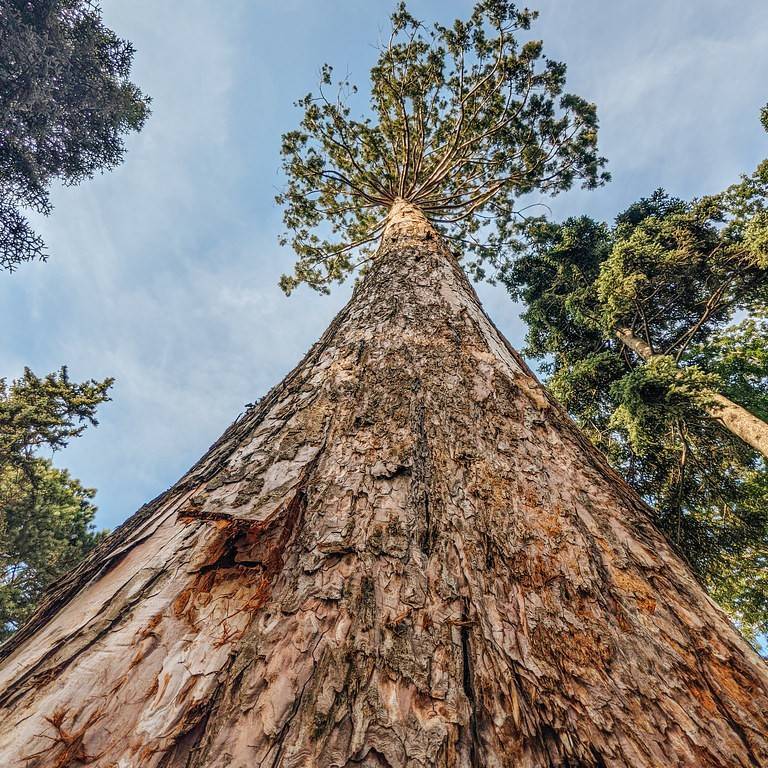
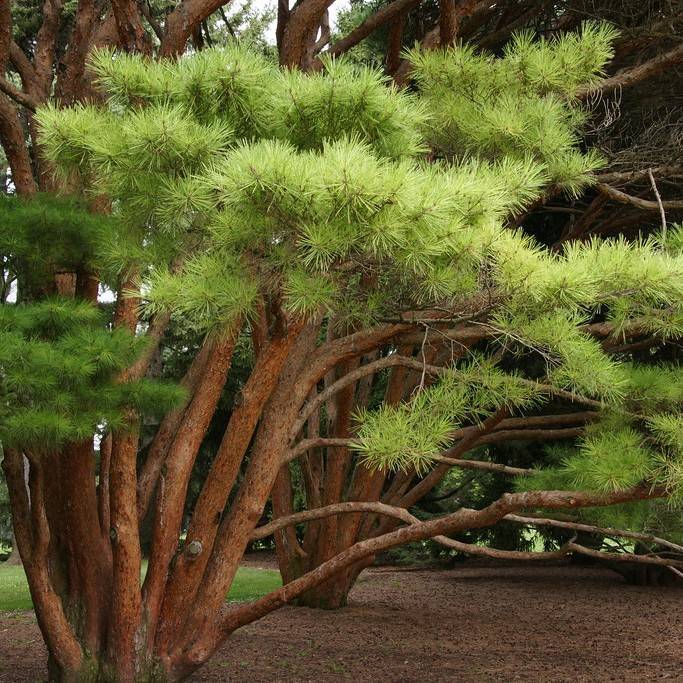
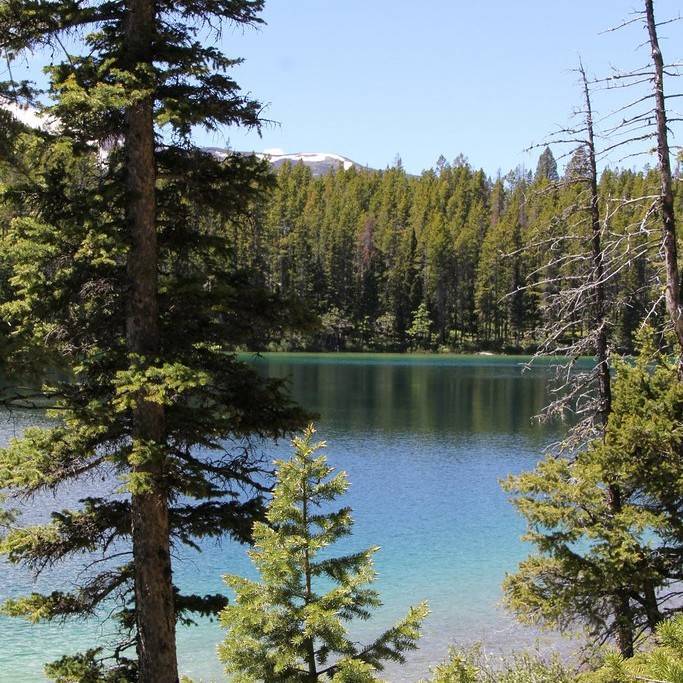
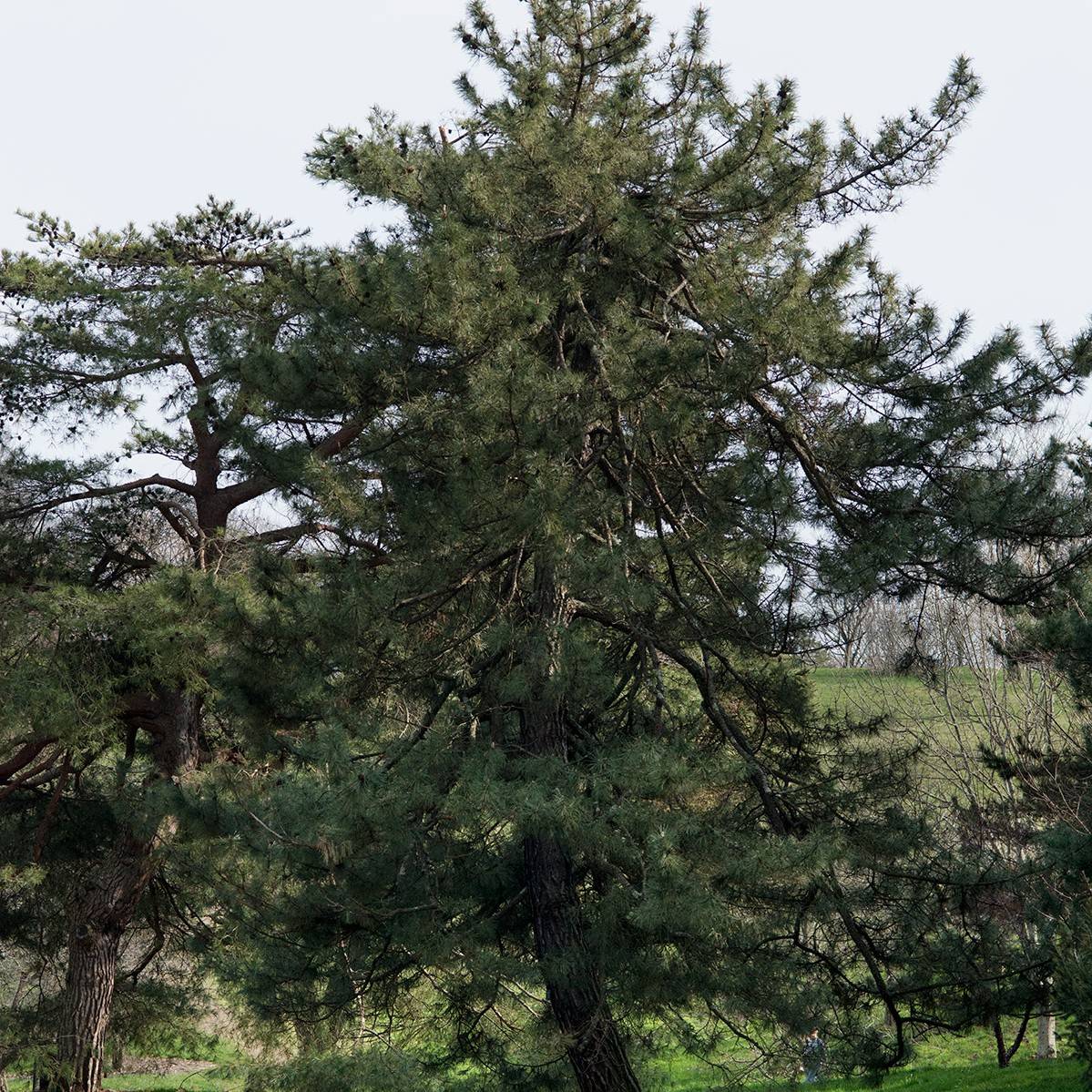
Bosnian pine is a rugged, long-lived conifer that can survive for over 1,000 years in its native high-altitude habitats, where it thrives on rocky, calcareous slopes. It features stiff, paired dark green needles that persist for 5–8 years, and small, ovoid brown cones that mature in two years. Its naturally symmetrical, pyramidal growth habit and resistance to air pollution make it a popular choice for landscape planting in temperate regions.
Care Guide
Watering
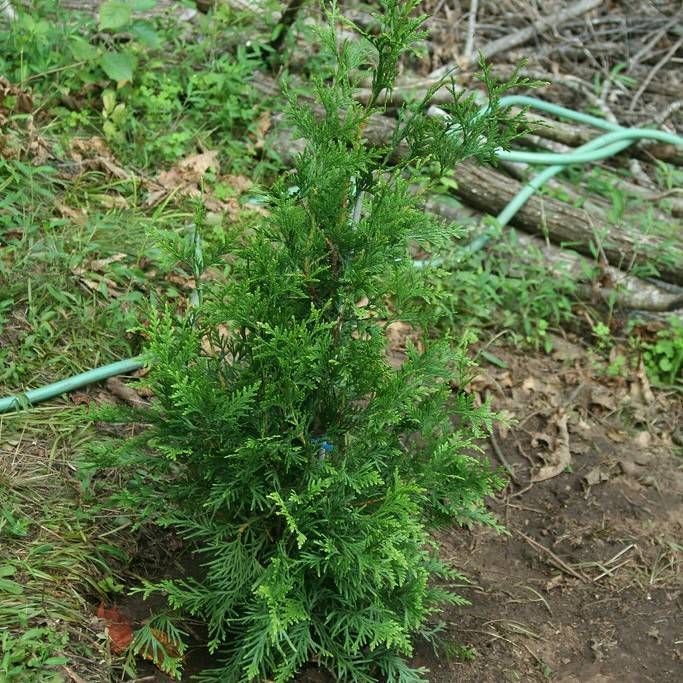
Water newly planted Bosnian pines deeply once weekly for the first growing season to establish a robust root system, reducing frequency once established. Mature specimens are highly drought-tolerant, requiring only supplemental watering during extended periods of extreme heat or drought to prevent needle browning. Avoid overwatering, as soggy soil can lead to root rot and fungal damage.
Light
Bosnian pine requires full, direct sunlight for at least 6 hours per day to develop its characteristic dense, symmetrical form. It will not tolerate heavy shade, which causes sparse, leggy growth and increased susceptibility to pest infestations. Plant in an open, unobstructed location with unfiltered sun exposure for best results.
Soil
This conifer adapts to a wide range of well-drained soil types, including sandy, loamy, and clay soils, but performs best in slightly alkaline to neutral calcareous substrates that mimic its native mountain habitats. It tolerates poor, rocky, nutrient-deficient soils far better than many other pine species, as long as standing water is not present. Avoid heavy, waterlogged soils, which can cause fatal root rot.
Fertilizer
Young Bosnian pines benefit from a light application of balanced, slow-release evergreen fertilizer in early spring before new growth emerges to support healthy development. Mature, established specimens rarely require fertilization, as they thrive in low-nutrient soils and over-fertilization can cause excessive, weak growth prone to damage. Never apply fertilizer to drought-stressed trees, as this can burn root systems and cause needle drop.
Temperature
Bosnian pine is exceptionally cold-hardy, tolerating winter temperatures down to -30°F (-34°C) and thriving in USDA hardiness zones 4 through 8. It adapts well to warm summer temperatures in temperate regions, as long as it receives adequate moisture and is not exposed to prolonged, extreme heat above 95°F (35°C) without relief. It is highly resistant to frost damage and winter burn, making it ideal for cold, exposed landscapes.
Pruning
Pruning is rarely required for Bosnian pine, as it naturally maintains a neat, pyramidal form. If desired, prune in late winter before new growth starts to remove dead, damaged, or crossing branches, or to shape the tree lightly. Avoid cutting back into old, bare wood, as pines cannot regrow foliage from fully lignified, leafless branches.
Propagation
Bosnian pine is most commonly propagated from seed, which requires 30–60 days of cold stratification to break dormancy before sowing in well-drained potting mix. Cuttings can be taken from young, semi-hardwood shoots in late summer, but rooting success rates are low, often requiring rooting hormone and consistent, high humidity to encourage root development. Grafting onto hardy rootstock is sometimes used for specific cultivars to preserve desired traits.
Humidity
Bosnian pine tolerates a wide range of humidity levels, from the dry, cold mountain air of its native range to the moderate humidity of lowland temperate landscapes. It has no specific high humidity requirements, though prolonged periods of very high humidity combined with poor air circulation can increase the risk of fungal needle blight. It is highly resistant to dry air, making it suitable for arid and semi-arid regions with adequate soil moisture.
Repotting
Bosnian pine is rarely grown as a container plant long-term, but young specimens grown in pots should be repotted every 2–3 years in early spring before new growth emerges. Use a fast-draining, slightly alkaline potting mix formulated for conifers, and select a pot with ample drainage holes to prevent waterlogging. Once the tree outgrows container culture, transplant it to a permanent outdoor location for best growth.
Uses & Symbolism
Bosnian pine is widely planted as an ornamental landscape tree for parks, large gardens, and windbreaks, valued for its drought tolerance, pollution resistance, and low maintenance needs. Its dense, strong wood is used locally in its native range for construction, furniture making, and fuelwood, while its attractive form and slow growth make it a popular choice for bonsai cultivation. It is also planted for erosion control on steep, rocky mountain slopes, as its deep root system stabilizes soil effectively.
Diseases & Pests
Bosnian pine is relatively resistant to most common pine pests and diseases, though it can be affected by pine wilt nematode in regions where the pest is prevalent, which causes rapid browning and death of affected trees. Fungal diseases including needle blight and rust can occur in areas with prolonged high humidity and poor air circulation, leading to discolored, dropping needles. Common pests such as pine aphids, scale insects, and pine sawflies may occasionally feed on foliage, but infestations are rarely severe on healthy, well-sited trees.
Related plants
Other plants you might like if you grow Bosnian Pine.