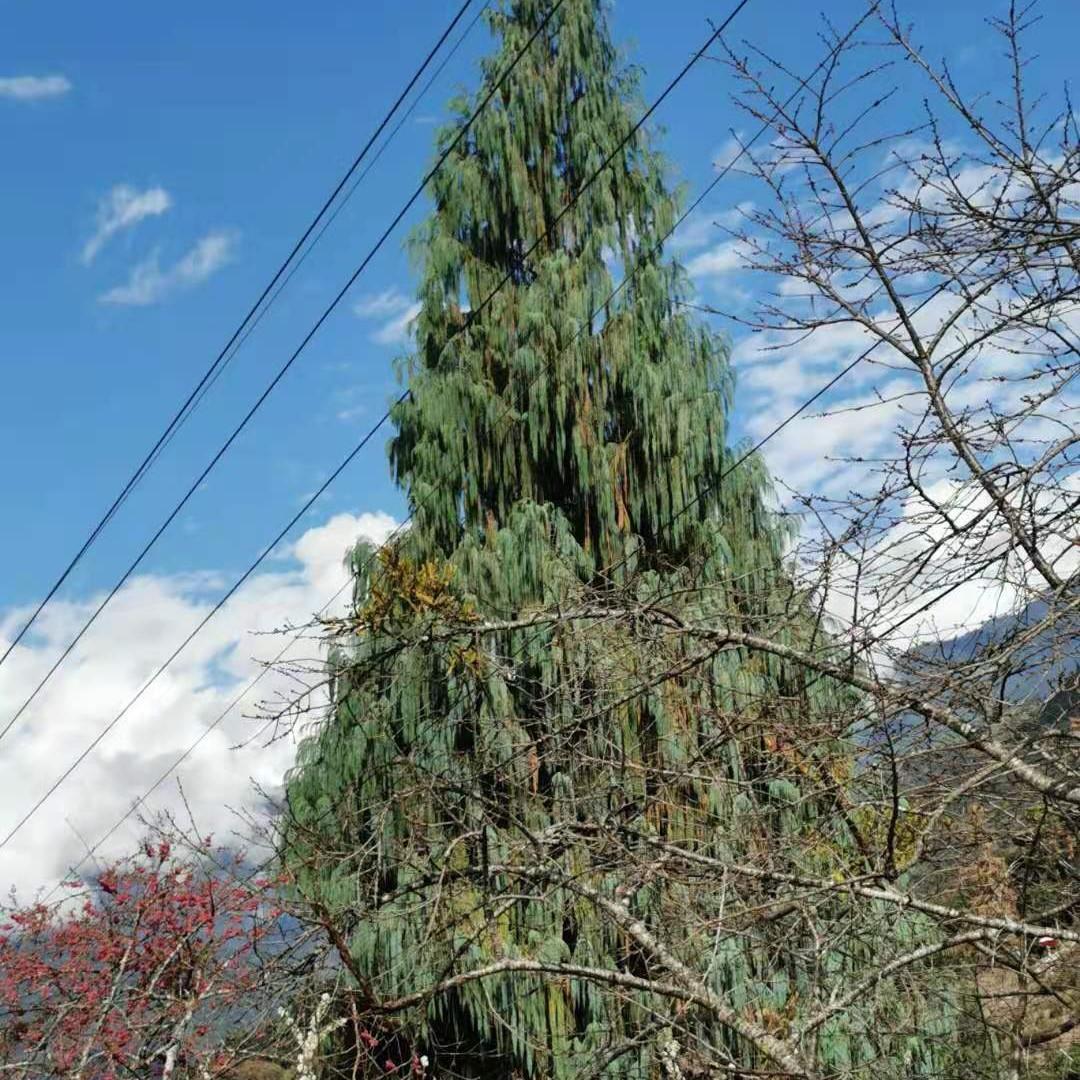
Coffin Juniper
Juniperus horizontalis 'Wiltonii'
Overview
Coffin Juniper, also commonly called Blue Rug Juniper, is a popular cultivar of creeping juniper prized for its dense, mat-forming growth habit and striking year-round blue-gray foliage. Its prostrate, spreading branches root as they spread across the ground, creating a thick, weed-suppressing carpet that tolerates poor soil and harsh conditions. The name 'Coffin Juniper' references its traditional use lining caskets in some regional cultures, though it is far more widely planted for ornamental landscaping today.
Care Guide
Watering
Water newly planted specimens regularly for the first growing season to establish deep root systems, providing approximately 1 inch of water per week during dry spells. Once established, coffin juniper is extremely drought tolerant, requiring only occasional supplemental watering during prolonged, severe heat or drought. Avoid overwatering or allowing roots to sit in standing water, as this will quickly lead to root rot and plant death.
Light
Coffin juniper thrives in full sun, requiring a minimum of 6 hours of direct, unfiltered sunlight per day to maintain its dense growth habit and vibrant silvery-blue foliage color. It can tolerate very light, dappled shade, but growth will become sparse, leggy, and foliage color will fade to a dull green in low-light conditions. Plant in an open, unshaded location for the best ornamental performance.
Soil
This adaptable conifer grows well in a wide range of soil types, including sandy, rocky, poor, and dry soils, as long as the medium is extremely well-draining. It prefers a slightly acidic to neutral soil pH between 5.0 and 7.0, and tolerates alkaline soils better than many other evergreen ground covers. Heavy, compacted, or clay soils must be amended with coarse sand, gravel, or organic matter to improve drainage before planting.
Fertilizer
Coffin juniper has very low nutrient requirements, and typically grows well without regular fertilization if planted in average garden soil. If growth is slow or foliage appears pale, apply a balanced, slow-release evergreen fertilizer in early spring before new growth emerges, following label rates carefully to avoid overfertilization. Avoid fertilizing in late summer or fall, as this can stimulate tender new growth that will be damaged by winter frost.
Temperature
This hardy juniper is suitable for USDA hardiness zones 3 through 9, tolerating extreme winter temperatures as low as -40°F (-40°C) without damage. It thrives in cool to moderate summer temperatures, and tolerates heat well provided it has adequate drainage and occasional watering during prolonged heatwaves. Winter burn may occur in exposed locations with harsh, drying winds, so plant in a sheltered spot if grown in the coldest parts of its range.
Pruning
Coffin juniper requires very little pruning to maintain its shape, as it naturally grows in a low, uniform spreading mat. Prune away any dead, damaged, or diseased branches in early spring before new growth emerges, and trim back any stray, overreaching branches to maintain the desired spread. Avoid cutting back into old, woody growth with no green needles, as the plant will not resprout from bare wood.
Propagation
The most reliable method of propagating coffin juniper is via semi-hardwood cuttings taken in late summer or early fall, when new growth has partially hardened off. Cut 4-6 inch stem tip cuttings, remove the lower 1/3 of needles, dip the cut end in rooting hormone, and plant in a well-draining propagation medium kept consistently moist until roots develop in 3-6 months. It can also be propagated by layering, as low-growing branches will naturally root where they touch the soil; these rooted sections can be severed from the parent plant and transplanted in spring.
Humidity
Coffin juniper adapts well to a wide range of humidity levels, tolerating both dry, arid conditions and moderate humidity common in most temperate regions. It does not perform well in high-humidity tropical or subtropical climates, where prolonged moisture on foliage can lead to fungal blight and root rot. Ensure good air circulation around plants to reduce fungal disease risk in areas with higher than average humidity.
Repotting
Coffin juniper is rarely grown in containers long-term, as its wide spreading habit is better suited to in-ground landscape planting. If grown in a pot or rock garden container, repot every 2-3 years in early spring before new growth begins, using a gritty, fast-draining cactus or succulent potting mix. Trim back up to 1/3 of the root mass during repotting to control size, and ensure the container has ample drainage holes to prevent waterlogged soil.
Uses & Symbolism
Coffin juniper is most widely used as a low-maintenance ground cover for sloped areas, rock gardens, xeriscapes, and erosion control projects, where its dense mat suppresses weeds and holds soil in place. It is also planted along walkways, borders, and retaining walls, where its trailing, cascading branches create a soft, silvery edge to hard landscape features. Historically, its aromatic, decay-resistant wood and foliage were used for lining caskets in some North American regional traditions, giving rise to its common name.
Diseases & Pests
The most common disease affecting coffin juniper is phomopsis blight, a fungal infection that causes tip dieback and browning of new growth, particularly in wet, humid conditions with poor air circulation. Root rot is another common issue caused by overwatering or poorly draining soil, leading to yellowing foliage, wilting, and eventual plant death. Common pests include spider mites, juniper scale, and bagworms, which can cause foliage discoloration and defoliation if populations are left untreated.
Related plants
Other plants you might like if you grow Coffin Juniper.
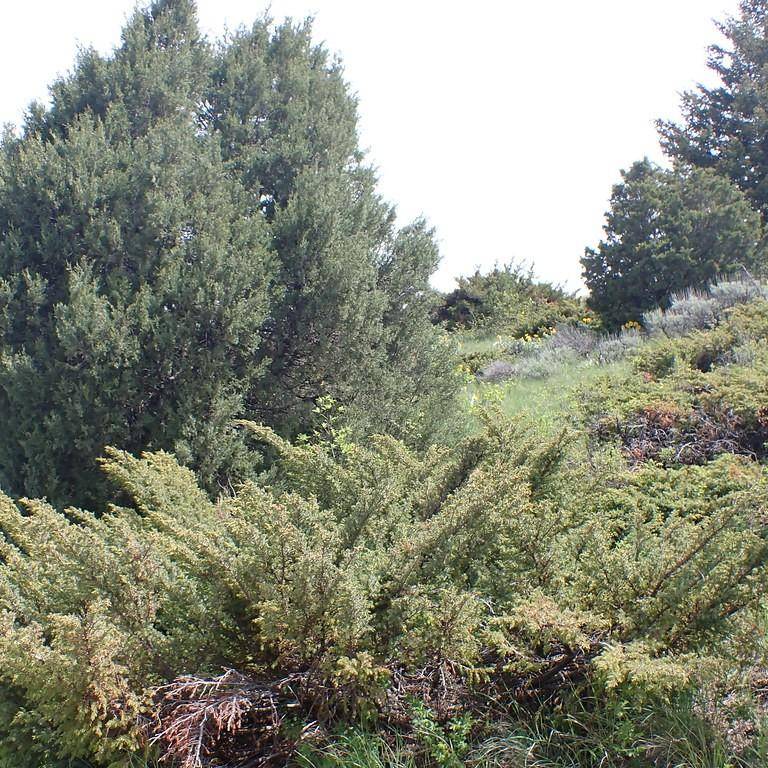
Creeping Juniper
Juniperus horizontalis
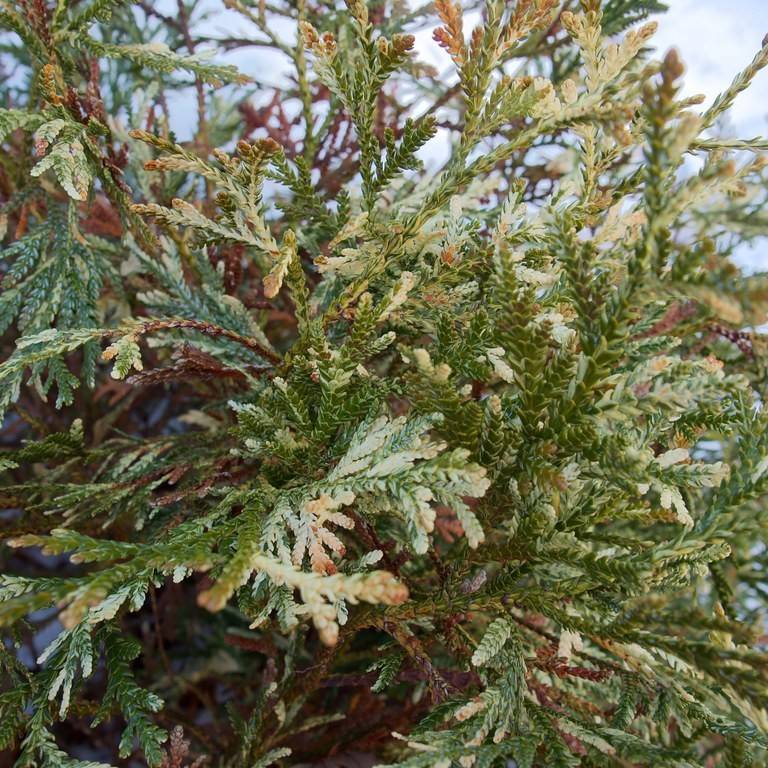
Boulevard False Cypress
Chamaecyparis pisifera 'Boulevard'
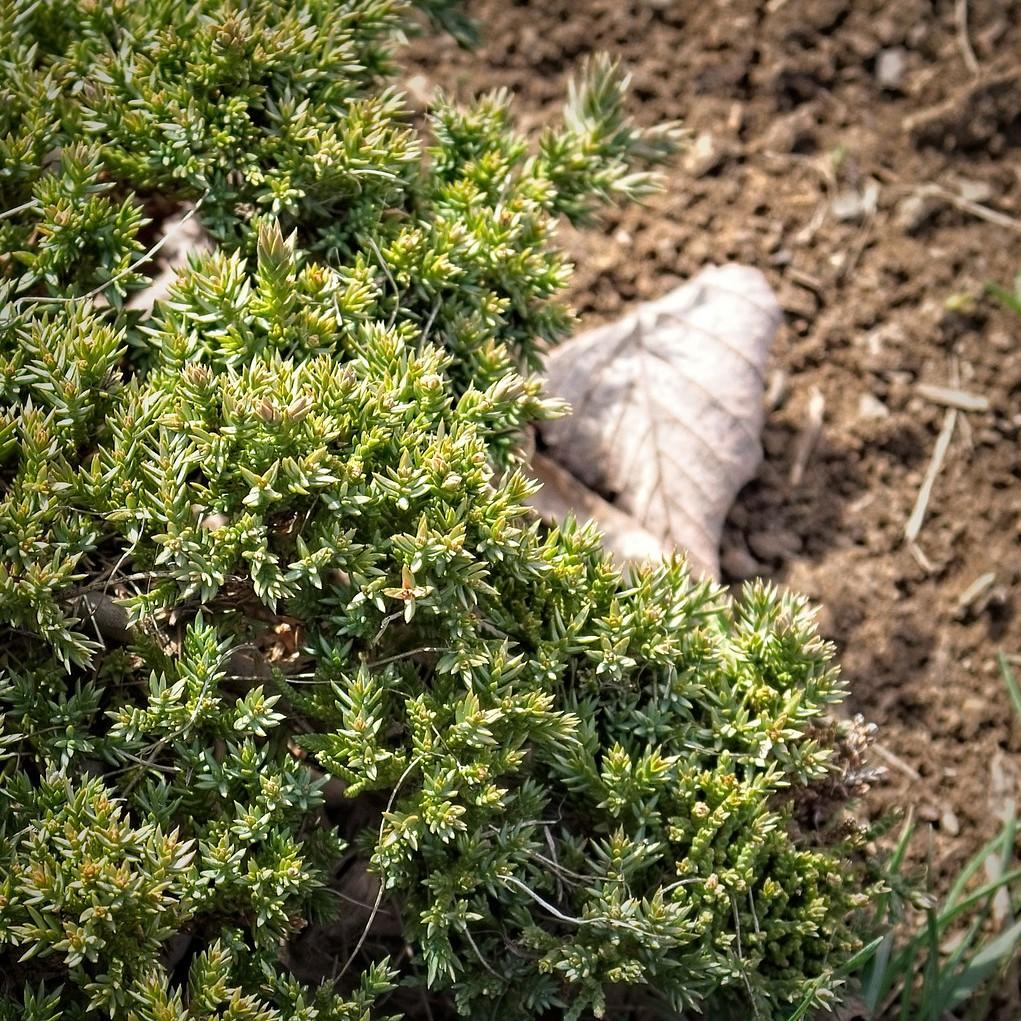
Japanese Garden Juniper
Juniperus procumbens
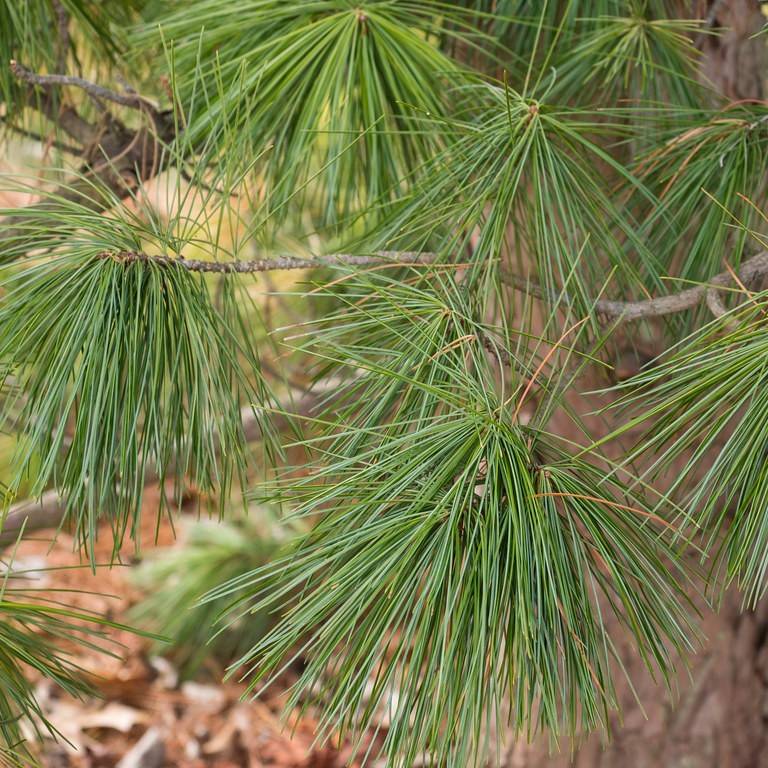
Chinese Pine
Pinus tabuliformis
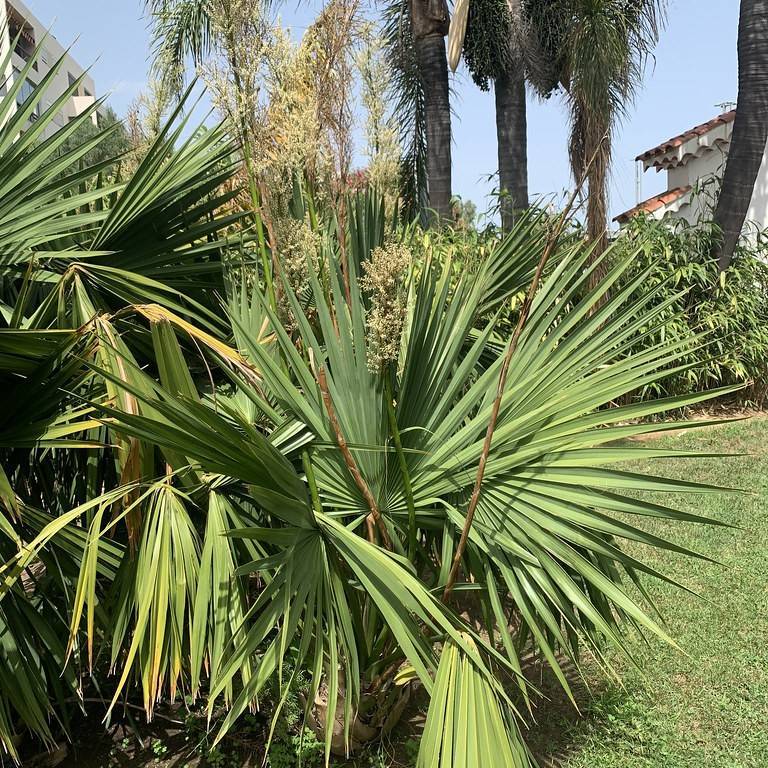
Dwarf Palmetto
Sabal minor
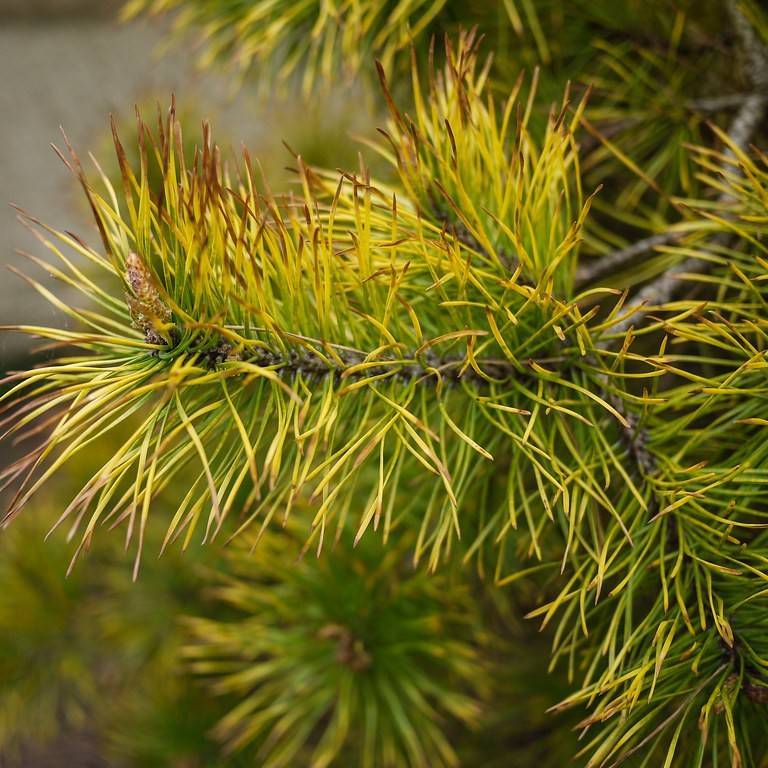
Beach Pine
Pinus contorta var. contorta
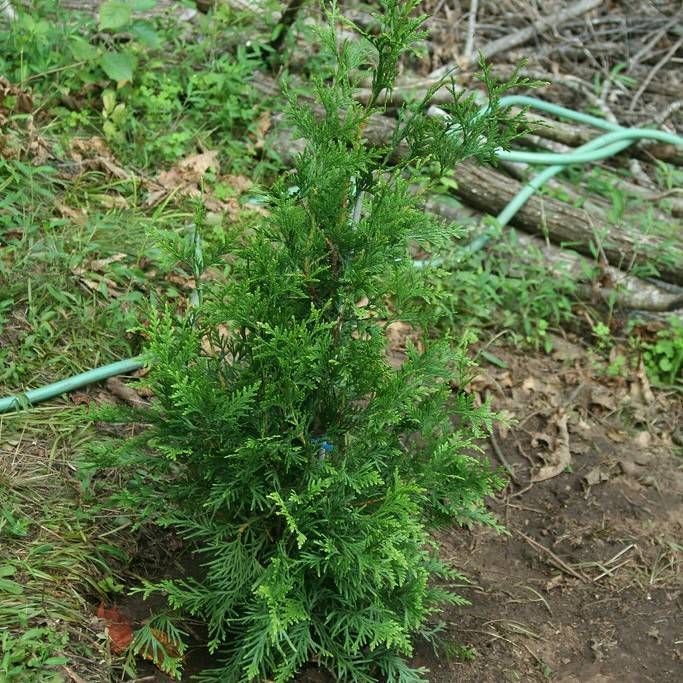
Arborvitae
Thuja occidentalis
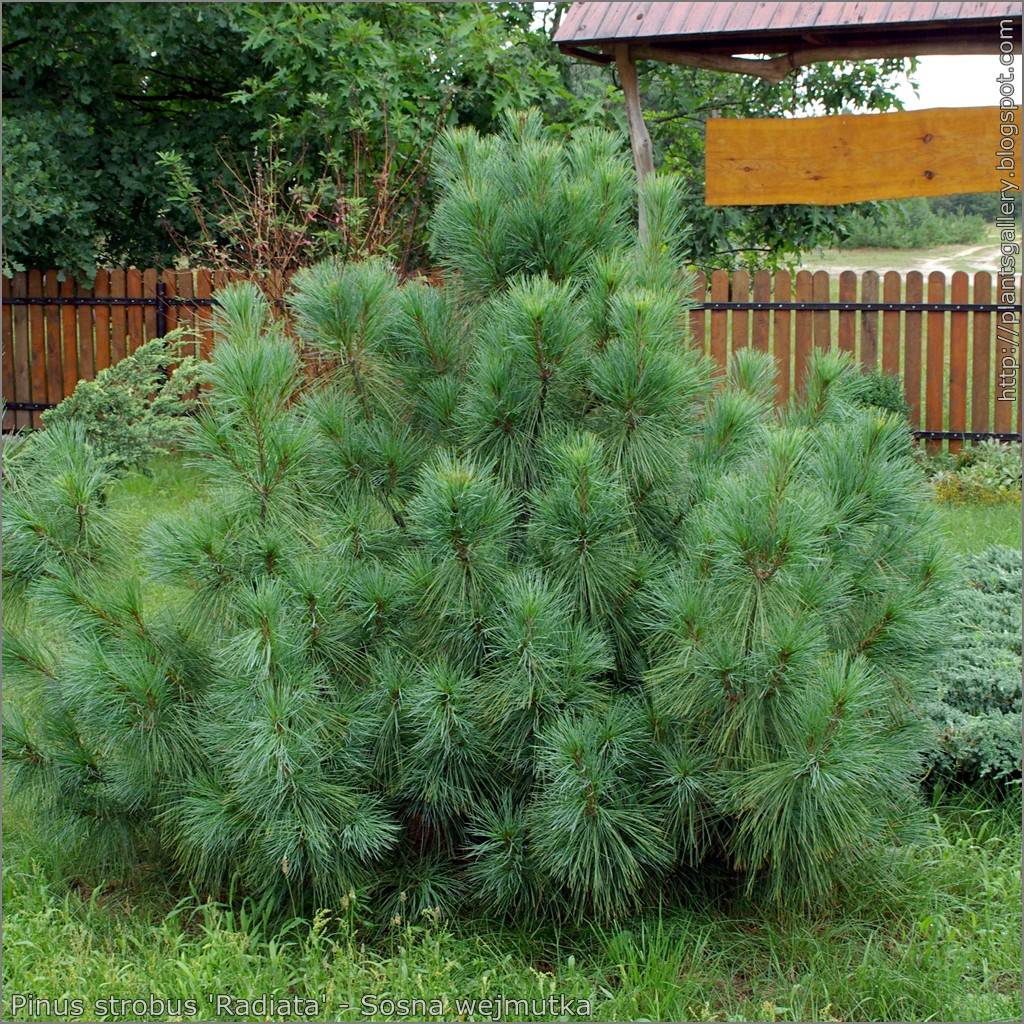
Dwarf Eastern White Pine
Pinus strobus 'Nana'